📰 Latest News & Updates
- 10-night South Korea & Japan hol: Seoul, Kyoto & Tokyo ☀️ — Holidaypirates.com, 2026-04-09
- Using Wi-Fi & Mobile Phones in Japan: Essential Travel Guide 2026 — Whatjapanthinks.com, 2026-03-31
Ultimate Solo Travel Kyoto Guide: 7 Honest Tips for 2026
When I first stepped off the train at Kyoto Station, I felt like a small fish in a very elegant pond. The ancient capital of Japan can feel overwhelming for solo travelers—thousands of temples, countless traditions, and more cultural etiquette than you can shake a bamboo stick at.
However, after countless solo trips through Kyoto’s winding streets, I’ve learned that this city is actually perfect for independent explorers. You can wander at your own pace, discover hidden temples without group schedules, and yes, you can absolutely eat alone without anyone batting an eye.
This solo travel Kyoto guide will help you navigate Japan’s cultural heart with confidence, from temple-hopping strategies to the best solo dining spots where slurping noodles loudly is practically mandatory.
| Quick Facts | Details |
|---|---|
| Best Solo Travel Season | Spring (March-May) or Fall (September-November) |
| Daily Budget Range | Budget: ¥4,000-6,000 | Mid-range: ¥8,000-12,000 |
| Solo Safety Level | Extremely safe – one of the world’s safest cities |
| Transportation | City buses, trains, walking, bicycle rental |
| Language Barrier | Low – tourist areas have English signage |
- Is Kyoto Safe for Solo Travelers?
- Best Solo-Friendly Accommodations in Kyoto
- Solo Dining Adventures: Where to Eat Alone
- Temple Hopping: Your Solo Kyoto Itinerary
- Getting Around Kyoto Solo
- Solo Travel Budget Breakdown
- Solo Cultural Experiences and Day Trips
- Practical Solo Travel Tips
- Seasonal Considerations for Solo Travel
- Making Connections While Traveling Solo
- Final Thoughts on Solo Travel in Kyoto
- 🗺️ Area Map
- Watch Before You Go
- What Travelers Say
Is Kyoto Safe for Solo Travelers?
Let me put your mind at ease right away: Kyoto is ridiculously safe for solo travelers. In fact, Japan consistently ranks among the world’s safest countries, and Kyoto takes that reputation seriously.
Solo Female Travel Safety
Female solo travelers can explore Kyoto with remarkable freedom. I’ve watched countless women navigate the city alone at all hours, from early morning temple visits to late-night ramen runs. The worst thing that might happen? Someone will go out of their way to help you find directions.
Crime rates are incredibly low, and harassment is virtually non-existent. Japanese cultural values emphasize respect and non-confrontation, creating an environment where solo travelers feel genuinely comfortable.
Pro Tip: Download Google Translate with camera function before arriving. Point your phone at signs for instant translation—it’s like having a personal interpreter in your pocket.

Best Solo-Friendly Accommodations in Kyoto
Hostels Perfect for Solo Travelers
Kyoto’s hostel scene caters beautifully to independent travelers. K’s House Kyoto offers private pods with curtains for introverts who want space, while Piece Hostel Kyoto features a gorgeous rooftop terrace where you can meet fellow travelers organically.
For something uniquely Japanese, try a traditional ryokan that accepts solo guests. Yes, they exist! Seikoro Ryokan in Gion district offers single rooms where you can experience tatami mats and kaiseki dining without feeling awkward dining alone.
Budget-Friendly Solo Options
Capsule hotels aren’t just for Tokyo. Nine Hours Kyoto provides ultra-modern sleeping pods starting around ¥3,000 per night. The minimalist design feels more like sleeping in a spaceship than a budget accommodation.
Pro Tip: Book accommodations near Kyoto Station or along the Keihan Main Line for easy temple access. The city’s public transportation will become your best friend.

Solo Dining Adventures: Where to Eat Alone
Counter Culture: Eating Solo Like a Local
Here’s something that surprised me: eating alone in Japan is completely normal. In fact, many restaurants are designed specifically for solo diners. Counter seating isn’t just accepted—it’s preferred by locals who want to enjoy their meal in peaceful contemplation.
Ichiran Ramen takes solo dining to the extreme with individual booths where you can slurp noodles in blissful isolation. No judgment, no small talk, just you and some of the best tonkotsu ramen in Kyoto.
Traditional Experiences for One
Don’t skip kaiseki dining just because you’re alone. Many traditional restaurants welcome solo diners, especially at lunch. Kikunoi offers simplified lunch sets where you can experience Michelin-starred cuisine without the intimidation factor.
For casual dining, depachika (department store food courts) are solo traveler paradise. Pick from dozens of vendors, grab whatever catches your eye, and find a spot to people-watch while you eat.
Pro Tip: Learn to say “hitori desu” (one person) and point to yourself when entering restaurants. Most staff will immediately understand and seat you at the counter.

Temple Hopping: Your Solo Kyoto Itinerary
Morning Temple Circuit
Start early to beat crowds and experience temples in peaceful morning light. Kiyomizu-dera opens at 6 AM during certain seasons—arriving at opening time feels like having this UNESCO World Heritage site to yourself.
From there, wander through Sannenzaka and Ninenzaka historic streets before crowds arrive. These preserved districts transport you back to the Edo period, complete with traditional wooden buildings and stone-paved paths.
Afternoon Cultural Immersion
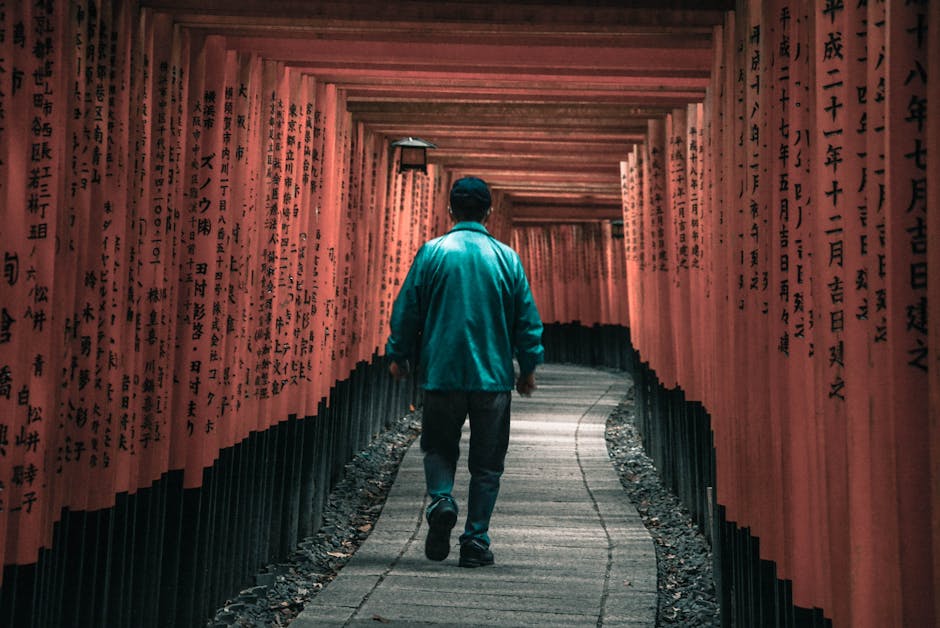
Fushimi Inari Shrine deserves an entire afternoon. Those famous vermillion torii gates stretch for hours of hiking trails up Mount Inari. As a solo traveler, you can climb at your own pace and take ridiculous numbers of photos without holding anyone back.
The beauty of solo temple hopping? You can spend five minutes or five hours wherever strikes your fancy. No group consensus required.
For guided experiences that work well for solo travelers, check out cultural walking tours where you can join small groups and meet like-minded travelers.
Pro Tip: Download the temple stamp book (goshuin-cho) tradition. Each temple offers unique artistic stamps for ¥300—it’s like collecting passport stamps but way cooler.
Getting Around Kyoto Solo
Public Transportation Mastery
Kyoto’s bus system initially confused me more than trying to assemble IKEA furniture blindfolded. However, once you understand the basics, it’s incredibly solo-friendly. The ¥500 daily bus pass pays for itself after three rides.
Buses announce stops in English, and Google Maps works perfectly for route planning. Download the Hyperdia app for train schedules—Japanese punctuality means if it says the train arrives at 2:47 PM, it arrives at exactly 2:47 PM.
Walking and Cycling Solo
Kyoto rewards wandering. The city’s grid layout makes getting lost nearly impossible, and stumbling upon hidden shrines becomes part of the adventure. Rent a bicycle from Kyoto Station for ¥1,000 per day to cover more ground efficiently.
The philosopher’s path (Tetsugaku-no-michi) offers a perfect solo walking experience, especially during cherry blossom season when the canal reflects pink petals like nature’s confetti.
Pro Tip: If traveling beyond Kyoto, consider the JR Pass for unlimited train travel. It pays for itself with just one Tokyo-Kyoto round trip.
Solo Travel Budget Breakdown
Daily Costs for Independent Travelers
Budget solo travel in Kyoto runs approximately ¥4,000-6,000 per day. This covers hostel accommodation (¥2,500), local transportation (¥500), temple entries (¥600), and meals at casual spots (¥2,000).
Mid-range solo budgets stretch to ¥8,000-12,000 daily, allowing for business hotel stays, occasional taxi rides, and sit-down restaurant meals. Luxury solo travel can easily exceed ¥20,000 daily with ryokan stays and high-end dining.
Money-Saving Solo Strategies
Many temples offer free entry or suggested donations. Konkai Komyoji and Nanzenji provide stunning experiences without admission fees. Convenience store meals (konbini) offer surprising quality at budget prices—try the karaage chicken or onigiri rice balls.
Consider purchasing a travel insurance policy before departure. While Japan is incredibly safe, having coverage provides peace of mind for solo travelers.
Pro Tip: Withdraw cash from 7-Eleven ATMs—they accept foreign cards and charge minimal fees. Japan remains largely cash-based, especially at temples and local restaurants.
Solo Cultural Experiences and Day Trips
Tea Ceremonies and Traditional Arts
Solo travelers often find deeper cultural connections than groups. Tea ceremony experiences welcome individuals, and the intimate setting allows for genuine interaction with tea masters who appreciate your focused attention.
Pottery classes in the traditional Kiyomizu-yaki style offer therapeutic solo activities. Create your own ceramic pieces while learning techniques passed down through generations.
Day Trips from Kyoto
Nara makes an excellent solo day trip—just 45 minutes by train. Feeding deer in Nara Park while exploring Todaiji Temple provides whimsical moments perfect for independent travelers.
Arashiyama Bamboo Grove offers otherworldly walking meditation. The bamboo creates natural sound dampening, making it feel like walking through green cathedral columns.
For organized day trip options that work well for solo travelers, explore guided tours where you can join small groups visiting multiple attractions efficiently.
Pro Tip: Visit popular spots like Bamboo Grove early morning or late afternoon. The soft light creates better photos, and fewer crowds mean more contemplative experiences.
Practical Solo Travel Tips
Language and Communication
Don’t let language barriers intimidate you. Many Kyoto signs include English, and tourist areas have multilingual staff. Japanese people often go extraordinarily far to help lost tourists—I’ve had strangers walk me to destinations rather than simply point directions.
Learn basic phrases: “arigatou gozaimasu” (thank you), “sumimasen” (excuse me), and “eigo wo hanashimasu ka?” (do you speak English?). Your effort to speak Japanese, however broken, receives warm appreciation.
Cultural Etiquette for Solo Travelers
Bow slightly when greeting people or saying thank you. Remove shoes when entering temples, traditional restaurants, and any tatami mat areas. Keep voices low on trains and in temples—this isn’t the place for phone conversations.
Photography etiquette matters, especially around geishas in Gion district. Take photos respectfully from a distance, and never chase or block someone’s path for a selfie.
Pro Tip: Carry a small towel—Japanese public restrooms rarely provide them. Also pack pocket tissues, as these are sometimes unavailable too.
Seasonal Considerations for Solo Travel
Spring Solo Travel (March-May)
Cherry blossom season brings magical moments but also massive crowds. Solo travelers have advantages—you can slip through crowds easier and change plans instantly when you discover less crowded hanami spots.
Book accommodations months in advance during peak sakura season. Prices increase significantly, but the experience of seeing Kyoto draped in pink blossoms justifies the expense.
Fall Colors and Fewer Crowds
Autumn offers equally stunning scenery with more manageable crowds. November brings perfect weather for temple walks, and the maple leaf colors rival any cherry blossom display.
Winter solo travel provides the most authentic local experience. Fewer tourists mean genuine interactions with locals, though some temples have shortened hours.
By 2026, Kyoto plans to implement new crowd management systems at popular temples, making solo exploration even more enjoyable during peak seasons.
Making Connections While Traveling Solo
Meeting Fellow Travelers
Solo travel doesn’t mean lonely travel. Hostel common areas naturally facilitate connections with like-minded travelers. Many organize group activities like walking tours or shared meals.
Join free walking tours where you’ll meet other solo travelers and passionate local guides. These tours often lead to impromptu dinner groups or shared temple visits.
Connecting with Locals
Language exchange cafes in Kyoto welcome foreign visitors wanting to practice Japanese while helping locals improve English. These informal settings create genuine cultural connections beyond typical tourist interactions.
Consider staying in a ryokan with shared meal service. The communal dining experience provides natural conversation opportunities with both staff and other guests.
Pro Tip: Smile and make eye contact when interacting with locals. While Japanese culture values reserved behavior, warmth and respect are universally appreciated.
Final Thoughts on Solo Travel in Kyoto
Solo travel in Kyoto offers something magical that group travel simply cannot match—the freedom to discover your own rhythm in one of the world’s most culturally rich cities. Whether you spend hours meditating in temple gardens or race through dozens of shrines with tourist enthusiasm, you’re creating a uniquely personal journey through Japanese culture.
The city rewards independent exploration with hidden alleyways leading to secret temples, spontaneous conversations with locals, and moments of pure tranquility that group schedules rarely allow. Trust yourself to navigate this incredible city—Kyoto has been welcoming solo travelers for over a thousand years, and it will welcome you too.
Pack light, bring curiosity, and prepare for a solo adventure that might just change how you see both Japan and yourself. After all, the best travel stories often begin with “I was wandering alone when…”
📚 Related Articles
How many days should I spend in Kyoto as a solo traveler?
Plan at least 3-4 days for major temples and districts. A full week allows for day trips to Nara or Osaka and deeper cultural experiences like tea ceremonies or pottery classes. Solo travelers often extend stays because they can explore at their own pace.
Is it awkward to eat alone in Japanese restaurants?
Not at all! Eating alone is completely normal in Japan. Many restaurants have counter seating designed for solo diners. Ramen shops, sushi counters, and casual eateries actually prefer solo customers during busy periods.
What’s the best area for solo travelers to stay in Kyoto?
Stay near Kyoto Station for transportation access, or in Gion/Higashiyama for traditional atmosphere. Both areas have plenty of solo-friendly accommodations and are safe to walk at night.
Can I visit temples alone without a guide?
Absolutely! Most temples have English signage and self-guided exploration is encouraged. Download temple apps or buy guidebooks for historical context. Many temples offer English pamphlets at entry points.
How much Japanese should I learn before visiting Kyoto solo?
Basic phrases help, but you can navigate Kyoto with minimal Japanese. Learn “arigatou gozaimasu” (thank you), “sumimasen” (excuse me), and “hitori desu” (one person). Translation apps handle the rest.
🗺️ Area Map
🗺️ Interactive Map
Watch Before You Go
Watch Before You Go: Kyoto Travel Guide – The Best Things to Do in Kyoto
What Travelers Say
“Kyoto’s temple-hopping circuit is perfectly suited for solo travelers, offering moments of quiet contemplation at Kinkaku-ji’s golden pavilion and peaceful walks through Fushimi Inari’s thousand vermillion torii gates. The city’s excellent public transport system and well-marked English signage make navigation effortless for independent explorers.”
“As a solo female traveler, I felt completely safe wandering Kyoto’s historic districts day and night. The locals were incredibly helpful when I got lost in Gion, and I loved being able to spend as much time as I wanted photographing the bamboo groves in Arashiyama without worrying about keeping up with a group.”
コメント