ブログ

  • Tokyo Itinerary 5 Days First Time: Your Ultimate Guide (2026)

    So you’re planning your first Tokyo adventure? Buckle up, friend – you’re about to experience a city that’ll make your home town’s rush hour look like a leisurely Sunday stroll. When I first stepped off that plane at Narita, jet-lagged and clutching my phone like a lifeline, I had exactly five days to crack the code of this incredible metropolis. Spoiler alert: five days barely scratches the surface, but it’s enough to fall head-over-heels in love with Tokyo.

    This Tokyo itinerary for 5 days first time visitors is your roadmap to hitting the essential highlights while leaving room for those magical “I can’t believe this is real” moments that make Japan travel so addictive. Trust me, by day three you’ll be bowing to vending machines and wondering why every other city feels so… ordinary.

    Quick Facts: 5-Day Tokyo Itinerary Details
    Best Time to Visit March-May, September-November
    Budget Range $100-300 per day (mid-range)
    Must-Have Pass 7-Day JR Pass or Tokyo Metro 72-hour ticket
    Essential Apps Google Translate, Hyperdia, IC Card app
    Top Districts to Stay Shibuya, Shinjuku, Asakusa, Ginza
    Cultural Must-Do Visit at least one temple/shrine

    Day 1: Traditional Tokyo – Asakusa and Imperial Palace

    Morning: Senso-ji Temple and Asakusa District

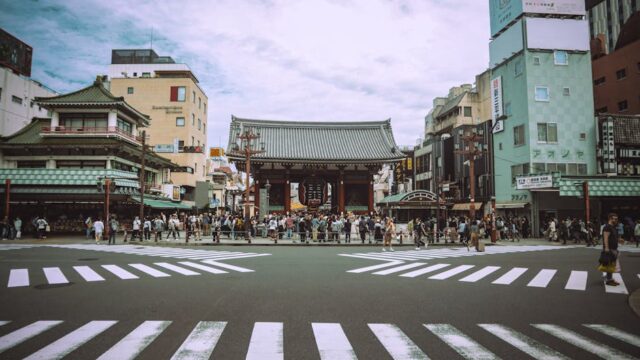
    Start your Tokyo itinerary 5 days first time adventure with a dose of old-world charm in Asakusa. I always tell first-timers to begin here because it’s like stepping into a time machine – minus the complicated physics and questionable fashion choices of actual time travel.

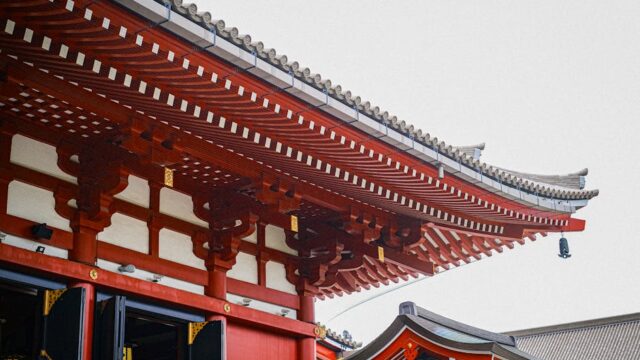
    Wake up early (jet lag will help with this whether you want it to or not) and head to Senso-ji Temple, Tokyo’s oldest Buddhist temple. The approach through Nakamise Shopping Street is pure sensory overload in the best possible way. Street food vendors hawk everything from ningyo-yaki (doll-shaped pastries) to enormous shrimp crackers that could double as dinner plates.

    1. Take the subway to Asakusa Station (multiple lines serve this area)
    2. Walk through the iconic Kaminarimon Gate with its massive red lantern
    3. Explore Nakamise Shopping Street for souvenirs and snacks
    4. Visit Senso-ji Temple and follow proper etiquette (bow, cleanse hands, toss a coin)
    5. Climb the nearby Tokyo Skytree for panoramic city views

    Pro Tip: Buy an omamori (protective charm) from Senso-ji – they make meaningful souvenirs and the temple monks bless them daily. Plus, you’ll need all the luck you can get navigating Tokyo’s subway system!

    Afternoon: Imperial Palace East Gardens

    After lunch, head to the Imperial Palace East Gardens for a peaceful contrast to Asakusa’s bustling energy. These gardens are free, beautifully maintained, and offer a glimpse into Japan’s imperial history. When I first visited, I spent an embarrassing amount of time trying to photograph the perfect koi fish – they’re surprisingly camera-shy.

    The gardens close at different times depending on the season, so check ahead. If you’re lucky enough to visit during cherry blossom season, prepare for crowds that would make Black Friday shoppers look patient.

    Looking for the perfect place to rest your head after your first day of exploration? Browse traditional ryokans and modern hotels in Asakusa to experience authentic Japanese hospitality.

    Day 2: Modern Tokyo Madness – Shibuya and Harajuku

    Morning: Shibuya Crossing and Shopping

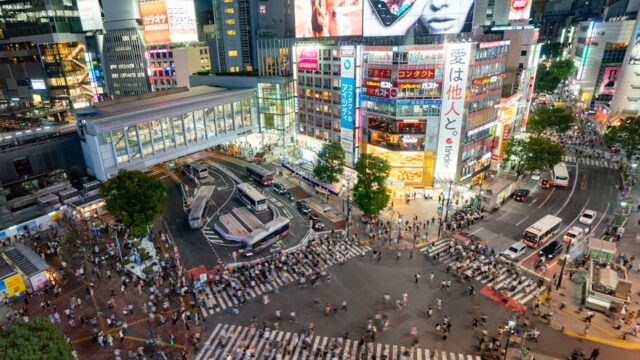
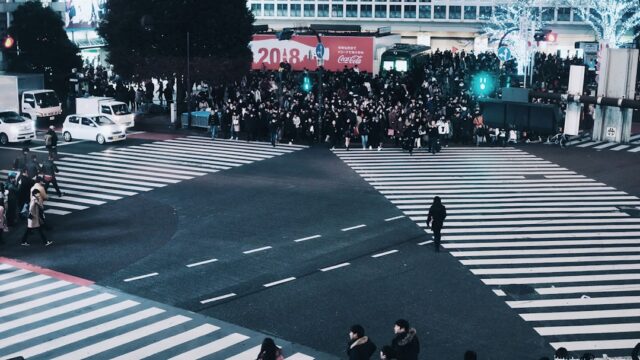
    Day two of your Tokyo itinerary 5 days first time experience starts with Tokyo’s most famous intersection. Shibuya Crossing isn’t just a street crossing – it’s a choreographed dance of humanity that somehow works despite looking like absolute chaos. I’ve crossed it dozens of times, and it never gets old watching newcomers freeze in the middle, phones out, trying to capture the madness.

    Visit the Hachiko statue (prepare for crowds of tourists doing the same thing), then head up to the Shibuya Sky observation deck or grab a coffee at the Starbucks overlooking the crossing. Fair warning: that Starbucks is basically tourist central, but the view is worth the overpriced latte.

    1. Experience the famous Shibuya Crossing (go during rush hour for maximum chaos)
    2. Visit Hachiko statue and learn the heartwarming story
    3. Shop at Shibuya Center Gai or explore mega-stores like Don Quijote
    4. Take photos from Shibuya Sky or Mag’s Park rooftop

    Pro Tip: Download the Shibuya Crossing live cam app before you go – you can watch the intersection in real-time and time your visit for maximum pedestrian density. Yes, this is a thing people do, and yes, it’s oddly satisfying.

    Afternoon: Harajuku’s Quirky Culture

    A short walk from Shibuya brings you to Harajuku, where Tokyo’s youth culture explodes in a rainbow of creativity that would make a unicorn jealous. Takeshita Street is the main attraction – a narrow pedestrian paradise packed with crepe stands, vintage clothing shops, and enough kawaii (cute) merchandise to fill a small aircraft hangar.

    Don’t miss nearby Meiji Shrine, a serene Shinto sanctuary that provides blessed relief from Harajuku’s sensory assault. The contrast between the two – sacred forest meets pop culture explosion – perfectly encapsulates Tokyo’s beautiful contradictions.

    Want to dive deeper into Japanese culture with a local guide? Check out authentic cultural experiences in Harajuku and Shibuya that go beyond the typical tourist trail.

    Day 3: Culinary Adventures in Tsukiji and Ginza

    Morning: Tsukiji Outer Market Food Tour

    Rise early (again – sensing a theme?) for one of Tokyo’s greatest culinary adventures. While the famous tuna auctions moved to Toyosu, Tsukiji’s outer market remains a foodie paradise that’ll ruin you for grocery shopping back home. I made the rookie mistake of eating a full breakfast before my first Tsukiji visit – learn from my pain and arrive hungry.

    The market vendors have been perfecting their craft for generations, and watching them work is like witnessing edible poetry in motion. From impossibly fresh sashimi to tamagoyaki (rolled omelet) that’ll make you question everything you thought you knew about eggs, every bite tells a story.

    1. Arrive by 8 AM for the best selection and fewer crowds
    2. Try fresh sashimi, tuna sashimi bowls, and tamagoyaki
    3. Sample street food like imagawayaki (filled pancakes) and fresh fruit
    4. Watch vendors expertly slice fish and prepare traditional dishes
    5. Buy Japanese kitchen knives or cooking utensils as souvenirs

    Pro Tip: Bring cash – many vendors don’t accept cards, and there’s nothing more tragic than standing in front of the world’s best tuna sandwich without yen in your pocket. Also, eat while standing or walking – it’s perfectly acceptable here.

    Afternoon: Ginza’s Elegant Shopping and Culture

    After Tsukiji’s controlled chaos, Ginza offers a more refined Tokyo experience. This upscale district is where Tokyo dresses up and goes shopping with its credit card’s permission. Even if luxury shopping isn’t your thing (hello, fellow budget travelers), Ginza’s architecture, department store food courts, and people-watching opportunities are worth the visit.

    Visit a traditional depachika (department store basement food court) for an education in Japanese perfectionism. Every piece of fruit looks like it posed for a magazine, and the attention to detail in food presentation will make your home country’s grocery displays look like they were arranged by caffeinated toddlers.

    Day 4: Day Trip to Nikko or Kamakura

    Option 1: Nikko’s Sacred Mountains and UNESCO Sites

    Your Tokyo itinerary 5 days first time adventure needs at least one day trip, and Nikko delivers spectacular temples, natural beauty, and a break from Tokyo’s urban intensity. The train ride itself is scenic, and arriving in Nikko feels like stepping into a Studio Ghibli film – all ancient cedars, moss-covered stones, and sacred atmosphere.

    Toshogu Shrine complex is the main attraction, famous for its incredibly ornate decorations and the “see no evil, hear no evil, speak no evil” monkey carving. When I first saw it, I spent ten minutes looking for those monkeys like it was the world’s most cultural game of Where’s Waldo.

    If you’re traveling during 2026, consider booking a JR Pass for convenient day trips – it covers the trains to Nikko and pays for itself quickly with Tokyo’s transportation costs.

    Option 2: Kamakura’s Giant Buddha and Coastal Charm

    Alternatively, Kamakura offers beaches, the famous Great Buddha statue, and a more relaxed vibe. It’s closer to Tokyo than Nikko, making it perfect if you prefer shorter travel times. The train journey along the coast is beautiful, and Kamakura’s bamboo groves and traditional temples provide Instagram-worthy moments around every corner.

    1. Take the early train to maximize your day trip time
    2. Visit Kotoku-in Temple to see the Great Buddha statue
    3. Explore Hase-dera Temple with its hillside gardens
    4. Walk through the famous bamboo grove
    5. Try local specialties like shirasu (tiny white fish) bowls

    Pro Tip: Both day trips work well, but check weather forecasts – Nikko’s mountain weather can change quickly, while Kamakura’s coastal location makes it slightly more predictable. Also, start early to avoid crowds and maximize daylight hours.

    Day 5: Last-Day Tokyo Highlights

    Morning: Tokyo Station and Surrounding Areas

    Your final day should balance last-minute must-sees with souvenir shopping and maybe some quiet reflection on how Tokyo has completely rewired your brain. Tokyo Station itself is worth exploring – it’s not just transportation, it’s a massive underground city with more shopping and dining options than some small towns.

    The nearby Marunouchi district offers excellent last-day wandering, with wide boulevards, impressive architecture, and the kind of organized efficiency that makes you wonder why everywhere else feels so chaotic.

    Afternoon: Ueno Park and Museums

    End your Tokyo itinerary 5 days first time adventure in Ueno Park, home to several world-class museums, Ueno Zoo, and seasonal beauty that changes throughout the year. If you’re visiting during cherry blossom season, Ueno Park transforms into hanami (flower viewing) central, with locals spreading blue tarps and having elaborate picnics under blooming trees.

    The Tokyo National Museum offers an excellent crash course in Japanese art and culture, while the nearby Ameya-Yokocho Market provides last-minute shopping opportunities and street food that’ll make you seriously consider changing your flight.

    Planning to explore more of Japan after Tokyo? Discover multi-day Japan adventures that can extend your trip to Kyoto, Osaka, and beyond.

    Essential Japan Travel Tips for First-Time Visitors

    Transportation Mastery

    Tokyo’s transportation system is legendarily complex but incredibly efficient. Download Hyperdia or Google Maps with offline Tokyo maps, buy an IC card (Suica or Pasmo) for easy train payments, and remember that rush hour here makes sardines look spacious. The trains are so punctual I started questioning my entire life choices back home.

    Cultural Etiquette Essentials

    Japanese culture values respect, quietness, and consideration for others. Bow slightly when greeting, don’t eat while walking (except at festivals), and attempting to eat ramen quietly is Japan’s ultimate tourist challenge – and you will fail. Remove shoes when entering homes, some restaurants, and traditional accommodations.

    Before you go, make sure you’re covered with comprehensive travel insurance – while Japan is incredibly safe, having coverage for medical emergencies and trip disruptions provides peace of mind.

    Pro Tip: Learn basic phrases like “arigatou gozaimasu” (thank you), “sumimasen” (excuse me), and “eigo ga hanasemasu ka?” (do you speak English?). Even attempting Japanese earns major respect points, and locals are incredibly patient with beginners.

    Where to Stay: Best Areas for First-Time Visitors

    Choose your base wisely – Tokyo is massive, and staying in the right neighborhood can make or break your visit Japan experience. Shibuya and Shinjuku offer urban excitement and excellent train connections. Asakusa provides traditional charm and easier navigation for newcomers. Ginza delivers luxury and central location but at premium prices.

    Consider booking accommodations early, especially during peak seasons like cherry blossom time and autumn foliage. Tokyo’s best hotels fill up quickly, and last-minute options can be surprisingly limited.

    Final Thoughts: Making the Most of Your First Tokyo Adventure

    This Tokyo itinerary 5 days first time guide covers the essential highlights, but remember that Tokyo’s real magic happens in unexpected moments – stumbling upon a tiny shrine between skyscrapers, discovering a hole-in-the-wall ramen shop, or getting wonderfully lost in a neighborhood that’s not in any guidebook.

    Don’t try to do everything. Tokyo will still be here when you return (and trust me, you’ll want to return), so embrace the Japanese concept of “ikigai” – finding joy in the present moment. Whether you’re marveling at Tokyo Skytree, getting overwhelmed in Shibuya Crossing, or discovering that yes, the toilet has more buttons than your TV remote (no, you don’t need all of them, maybe), your first Tokyo adventure will be unforgettable.

    Japan tourism has something for everyone, from ancient temples to cutting-edge technology, from world-class cuisine to pop culture phenomena. Your five days will fly by faster than a shinkansen bullet train, but they’ll give you enough memories – and reasons – to start planning your next visit before you even leave.

    How much should I budget for 5 days in Tokyo?

    Budget $100-300 per day depending on your style. Budget travelers can manage on $100-150/day with hostels, street food, and free attractions. Mid-range visitors should budget $200-250/day for nice hotels, restaurant meals, and paid attractions. Luxury travelers should expect $300+ daily for high-end hotels, fine dining, and premium experiences.

    Is 5 days enough time to see Tokyo?

    Five days covers the main highlights but barely scratches Tokyo’s surface. It’s enough time to visit major districts like Shibuya, Asakusa, and Harajuku, experience traditional and modern culture, take one day trip, and get a good feel for the city. However, Tokyo could easily fill weeks – consider this your appetizer for future visits!

    What’s the best way to get around Tokyo?

    Tokyo’s train and subway system is the most efficient option. Buy a 72-hour Tokyo Metro pass or 7-day JR Pass if taking day trips. Download apps like Hyperdia or Google Maps for navigation. Taxis are expensive but convenient for late-night travel. Walking is great for exploring neighborhoods, and bike rentals are available in some areas.

    Do I need to speak Japanese to visit Tokyo?

    No, but learning basic phrases helps enormously. Many signs have English, especially in tourist areas and train stations. Download Google Translate with camera function for menus and signs. Younger people often speak some English, and Tokyo residents are generally patient and helpful with tourists, even with language barriers.

    When is the best time to visit Tokyo for first-time tourists?

    March-May (spring) and September-November (autumn) offer the best weather and seasonal beauty. Cherry blossom season (late March-early May) is magical but crowded and expensive. Autumn provides comfortable temperatures and beautiful foliage. Summer is hot and humid, while winter is mild but can be rainy. Each season has unique charms and events.

  • Hello world!

    Welcome to WordPress. This is your first post. Edit or delete it, then start writing!