📰 Latest News & Updates
- Tourists are flooding Japan’s famous places. Have they reached their limit? — ABC News (AU), 2026-03-06
When I first wandered into Kyoto’s geisha districts, I’ll admit I was that tourist clutching my camera like a lifeline, desperately hoping to spot a “real” geisha. Five years and countless visits later, I’ve learned that experiencing these magical neighborhoods is about so much more than getting the perfect Instagram shot – though trust me, you’ll get plenty of those too.
Kyoto’s geisha districts, known as hanamachi (flower towns), are living, breathing pieces of Japanese culture that have survived centuries of change. These aren’t museum exhibits – they’re vibrant communities where tradition meets modern life in the most beautiful way possible.
| District | Best Time to Visit | Main Attraction | Difficulty Level |
|---|---|---|---|
| Gion | Evening (5-7 PM) | Historic streets & tea houses | Tourist-friendly |
| Pontocho Alley | Night (7-9 PM) | Riverside dining | Easy |
| Miyagawa-cho | Afternoon (3-5 PM) | Authentic atmosphere | Intermediate |
| Kamishichiken | Morning (10 AM-12 PM) | Least touristy | Advanced |
| Gion Kobu | Evening (6-8 PM) | Premium tea houses | Expert level |
- Understanding Geisha Culture: More Than Pretty Faces
- Gion: The Crown Jewel of Kyoto Geisha Districts
- Pontocho Alley: Narrow Streets, Big Atmosphere
- Hidden Gems: Miyagawa-cho and Kamishichiken
- Respectful Geisha Spotting: The Do’s and Don’ts
- When to Visit: Timing Your Geisha District Adventure
- Beyond Sightseeing: Cultural Experiences and Dining
- Getting Around: Navigation Tips for Japan Travel
- Watch Before You Go
- What Travelers Say
Understanding Geisha Culture: More Than Pretty Faces
Before we dive into the districts themselves, let’s clear up some misconceptions. Geisha (or geiko in Kyoto dialect) aren’t entertainers in the way many Western visitors imagine. They’re highly trained artists who have dedicated their lives to preserving Japanese traditional arts – dance, music, conversation, and tea ceremony.
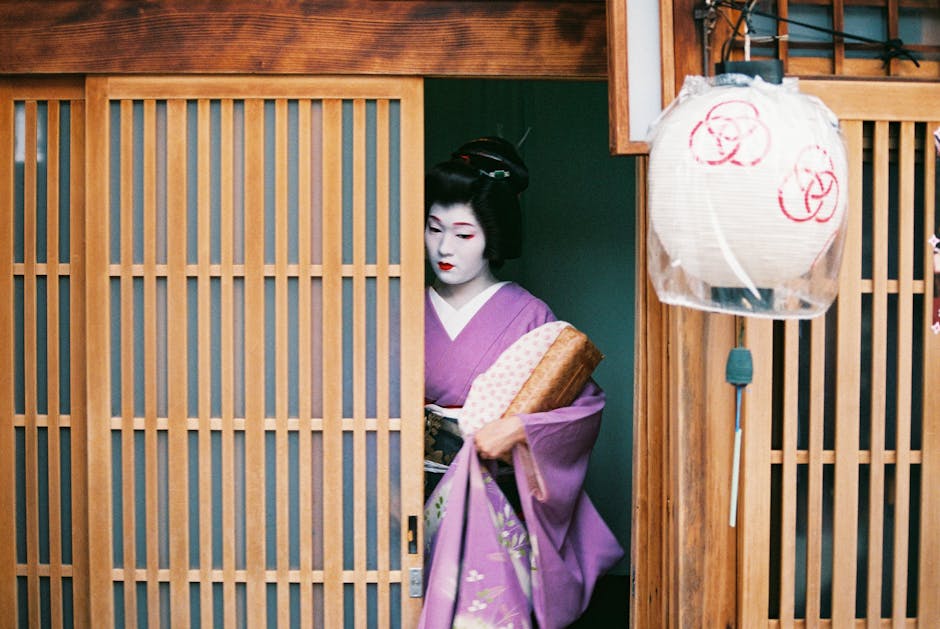
The women you’ll see walking through these districts might be geiko (fully trained geisha), maiko (apprentices), or regular people dressed up for photos. Learning to spot the difference becomes a fun game, though remember – pointing and staring is about as welcome as a bull in a china shop.
Pro Tip: Real geiko and maiko are usually walking quickly and purposefully to appointments. If someone stops for photos, they’re likely tourists in costume – which is perfectly fine for photos!

Gion: The Crown Jewel of Kyoto Geisha Districts
Gion is the Hollywood of geisha districts – famous, sometimes crowded, but undeniably spectacular. Split into Gion Kobu (the posher side) and Gion Higashiyama, this area offers the most accessible introduction to geisha culture.
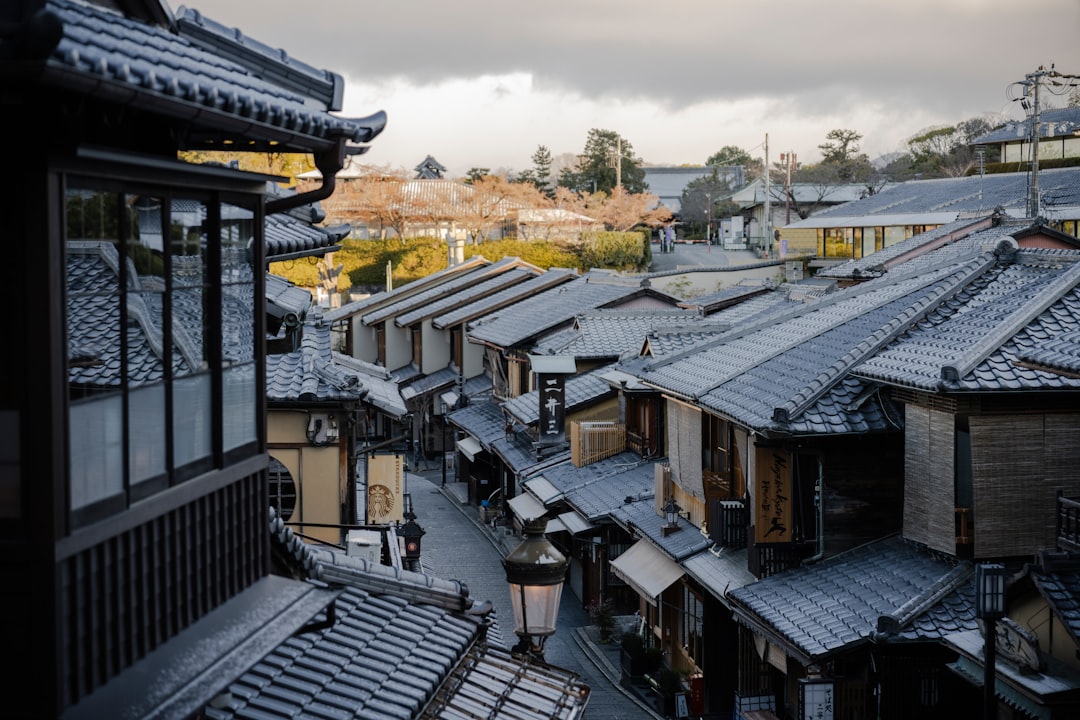
The main street, Hanami-koji, is lined with traditional wooden buildings housing exclusive restaurants and tea houses. During my evening strolls here, I’ve learned that the real magic happens in the side streets. Shirakawa area, with its stone-paved streets and traditional architecture, feels like stepping into a period drama.
The famous Ichiriki tea house (the one with the distinctive red walls) is where geishas have entertained for over 300 years. You can’t just walk in – introductions are required – but admiring the exterior is free and fascinating.
If you’re looking to experience authentic Japanese hospitality, consider staying at a traditional ryokan in the area through carefully selected accommodations that respect the neighborhood’s cultural significance.
Pro Tip: Visit Gion twice – once during the day to appreciate the architecture, and once at dusk when the lanterns are lit and the atmosphere becomes truly magical.
Best Photo Spots in Gion
- Tatsumi Bridge at sunrise (fewer crowds, golden light)
- Shirakawa area with traditional buildings reflecting in the canal
- Hanami-koji street at dusk when lanterns illuminate
- Kennin-ji Temple gardens (peaceful alternative when streets get busy)

Pontocho Alley: Narrow Streets, Big Atmosphere
If Gion is Hollywood, then Pontocho is the charming indie film that wins all the critics’ hearts. This impossibly narrow alley – seriously, you can almost touch both sides with outstretched arms – runs parallel to the Kamogawa River and packs more atmosphere per square meter than anywhere else in Kyoto.
Pontocho comes alive at night when paper lanterns cast warm glows over tiny doorways leading to intimate restaurants and bars. The alley is so narrow that attempting to eat ramen quietly while other diners pass by becomes Japan’s ultimate tourist challenge – and you will fail, but everyone will smile politely anyway.
During summer months (May through September), many restaurants set up kawadoko – dining platforms over the river. It’s one of Kyoto’s most romantic dining experiences, though booking ahead is essential.
For guided experiences that include cultural context and respectful geisha spotting, expert-led walking tours can provide insights you’d miss exploring alone.
Pro Tip: Enter Pontocho from the northern end near Imadegawa Street – it’s less crowded and you’ll have a better flow walking south toward the river platforms.
Hidden Gems: Miyagawa-cho and Kamishichiken
While tourists flock to Gion, I’ve found some of my most memorable geisha district experiences in Kyoto’s lesser-known areas. Miyagawa-cho, located south of Gion, offers all the traditional charm with a fraction of the crowds. The district centers around a single street lined with tea houses, and the intimate scale makes chance encounters with geiko more likely.
Kamishichiken, near Kitano Tenmangu Shrine, is the oldest geisha district and feels like a well-kept secret. The name means “upper seven houses,” referring to the seven tea houses built from materials salvaged from Kitano Tenmangu’s reconstruction. Today, it maintains an authentic neighborhood feel where geishas go about their daily lives without tour groups following their every step.
Why These Districts Matter
These smaller districts preserve geisha culture in its most authentic form. The buildings are older, the traditions stronger, and the connection to local community more evident. I’ve spent entire afternoons in Kamishichiken and encountered more locals running errands than tourists taking photos.
Pro Tip: Visit these districts on weekday mornings when geishas might be running daily errands or heading to lessons. You’ll see a more natural side of their lives.

Respectful Geisha Spotting: The Do’s and Don’ts
Here’s where many visitors – myself included, initially – make cultural faux pas that would make a tea ceremony master weep. Geishas are working professionals, not tourist attractions, and treating them with respect is non-negotiable.
The Golden Rules
- No blocking their path: Geishas are usually heading to appointments and running late is incredibly unprofessional in Japanese culture
- No touching: Their elaborate dress and makeup take hours to prepare
- Photos from a distance: Use zoom lenses and don’t use flash
- No following: Seriously, this happens too often and it’s borderline harassment
- Respect private property: Don’t enter tea house grounds without invitation
The city has even installed signs in multiple languages because tourist behavior became so problematic. Let’s be the visitors who help preserve these magical places for future generations.
For those seeking structured cultural experiences, authentic cultural activities offer respectful ways to learn about geisha traditions without disrupting working professionals.
Pro Tip: The best geisha photos often happen when you’re not specifically hunting for them. Focus on enjoying the architecture and atmosphere – the cultural moments will come naturally.

When to Visit: Timing Your Geisha District Adventure
Timing can make or break your geisha district experience. I’ve learned this through trial and error – including one memorable morning when I arrived at Gion at 7 AM expecting magical encounters and found only street cleaners (lovely people, but not what I was after).
Daily Timing
Early morning (7-9 AM): Perfect for photography without crowds, but minimal geisha activity
Afternoon (3-5 PM): Geishas begin preparing for evening appointments, some street activity
Evening (5-7 PM): Prime time for geisha spotting as they head to work
Night (7-9 PM): Atmospheric dining and drinks, but fewer geisha sightings
Seasonal Considerations
Spring brings cherry blossoms and crowds – beautiful but chaotic. Summer offers river dining platforms but sweltering humidity. Fall delivers perfect weather and stunning colors. Winter provides intimate atmosphere with fewer tourists, though some outdoor dining closes.
For 2026 travel planning, consider that Kyoto continues implementing crowd management measures, making shoulder seasons increasingly attractive for authentic experiences.
Pro Tip: Rainy days often provide the most atmospheric visits – fewer crowds, reflective streets, and geishas with traditional umbrellas create magical photo opportunities.

Beyond Sightseeing: Cultural Experiences and Dining
While spotting geishas is exciting, the real magic of these districts lies in their living culture. Traditional tea houses offer ochaya experiences, though many require introductions from regular customers – a tradition that maintains exclusivity and ensures respectful clientele.
More accessible options include:
- Kaiseki dining: Multi-course meals showcasing seasonal ingredients and artistic presentation
- Tea ceremony experiences: Learn the meditative art of chado
- Traditional performances: Seasonal dances and music shows open to visitors
- Craft workshops: Try your hand at traditional arts like flower arrangement or calligraphy
The goal isn’t to become a geisha expert in one visit, but to appreciate the dedication and artistry these women represent. Every detail – from their walking style to hair ornament placement – reflects years of training and cultural knowledge.

Getting Around: Navigation Tips for Japan Travel
Kyoto’s geisha districts are easily accessible by public transportation, though walking between them reveals the city’s beautiful traditional neighborhoods. The efficient train system makes district-hopping simple – you’ll start questioning why trains back home can’t maintain this level of punctuality.
For comprehensive Japan travel, consider a JR Pass for unlimited rail travel, especially if you’re exploring multiple cities during your visit.
Key transportation hubs:
- Gion-Shijo Station: Direct access to Gion district
- Kawaramachi Station: Walking distance to Pontocho
- Keihan Main Line: Connects major districts efficiently
Pro Tip: Download Google Translate with camera function – it’s invaluable for reading street signs and understanding cultural context signs throughout the districts.
When is the best time to see geishas in Kyoto?
The optimal time for geisha spotting is between 5-7 PM when they’re walking to evening appointments. However, timing varies by season and individual schedules. Morning visits (around 10 AM) in less touristy districts like Kamishichiken can also yield authentic encounters as geishas run daily errands.
Can tourists eat at the same restaurants as geishas?
Many traditional restaurants in geisha districts welcome tourists, especially in Pontocho and parts of Gion. However, exclusive ochaya (tea houses) require introductions from existing customers. Focus on the many excellent restaurants that offer authentic cuisine and atmosphere without the exclusivity barriers.
Is it appropriate to take photos of geishas?
Photography from a respectful distance without flash is generally acceptable, but never block their path, follow them, or touch them for photos. Many areas now have signs requesting tourist courtesy. Consider that these are working professionals, not tourist attractions, and treat them accordingly.
How much should I budget for geisha district experiences?
Costs vary widely depending on your chosen experiences. Street walking and window shopping are free. Casual dining ranges from ¥2,000-5,000 per person. Traditional kaiseki dinners start around ¥10,000 per person. Exclusive tea house experiences can cost ¥30,000+ per person when accessible.
What’s the difference between geiko, maiko, and tourists in costume?
Real geiko (Kyoto’s term for geisha) and maiko (apprentices) walk quickly and purposefully, wear expensive silk kimono with specific seasonal details, and have professionally applied makeup. Tourists in costume often pose for photos, wear less expensive fabrics, and may have slightly different makeup styles. Both experiences are valid – just know which you’re photographing!

Watch Before You Go
Watch Before You Go: KYOTO GEISHAS IN GION: 15 Things to KNOW BEFORE YOU GO | KYOTO Travel Guide
What Travelers Say
“Gion remains Kyoto’s most famous geisha district, where the narrow cobblestone streets of Hanami-koji are lined with traditional ochaya (tea houses) and exclusive kaiseki restaurants. Your best chance of spotting a geiko or maiko is during the early evening hours around 6pm when they head to their appointments, but remember to observe respectfully from a distance.”
“We spent an evening wandering through Gion and Pontocho districts and it felt like stepping back in time. The atmosphere is magical, especially when the lanterns are lit, and we were lucky enough to see two maiko walking to an engagement. Just be patient and respectful – no chasing them for photos!”
コメント