📰 Latest News & Updates
- Using Wi-Fi & Mobile Phones in Japan: Essential Travel Guide 2026 — Whatjapanthinks.com, 2026-03-31
- 70% of Gen Zers Are Embracing This Travel Trend—Here’s Why It’s the Perfect Trip for Any Generation — Reader’s Digest, 2026-03-27
Tokyo can feel overwhelming when you’re planning your first solo adventure. I remember staring at the subway map thinking I’d need a PhD to decipher it. But here’s the beautiful truth: Tokyo is one of the world’s best cities for solo travelers, and I’m about to share everything I wish someone had told me before my first trip.
| Quick Facts | Details |
|---|---|
| Best time for solo travel | March-May, September-November |
| Daily budget (solo) | ¥8,000-15,000 ($55-105) |
| Safety rating | Extremely safe (even at night) |
| Language barrier | Minimal with translation apps |
| Solo-friendly dining | Counter seating everywhere |
- Is Japan Safe for Solo Travelers?
- Mastering Tokyo Transportation as a Solo Traveler
- Solo-Friendly Accommodation Options
- Eating Alone Like a Tokyo Local
- Solo Tokyo Budget Breakdown for 2026
- Essential Solo Travel Experiences in Tokyo
- Practical Solo Travel Tips for Tokyo Success
- 🗺️ Area Map
- Watch Before You Go
- What Travelers Say
Is Japan Safe for Solo Travelers?
Let me put this to rest immediately: Japan is ridiculously safe for solo travelers. I’ve walked through Tokyo at 2 AM wearing headphones, and the biggest danger was tripping over my own feet. Crime rates are incredibly low, and locals are genuinely helpful.
For solo female travelers, Japan consistently ranks as one of the safest destinations globally. Women regularly travel alone without incident. The trains run until midnight, and even the notorious Kabukicho district feels safer than most tourist areas in other major cities.
Pro Tip: Download the Safety Wing travel insurance app before you go. While Japan is safe, having coverage for unexpected medical expenses gives you peace of mind to explore freely.

Mastering Tokyo Transportation as a Solo Traveler
Getting Your JR Pass and IC Card
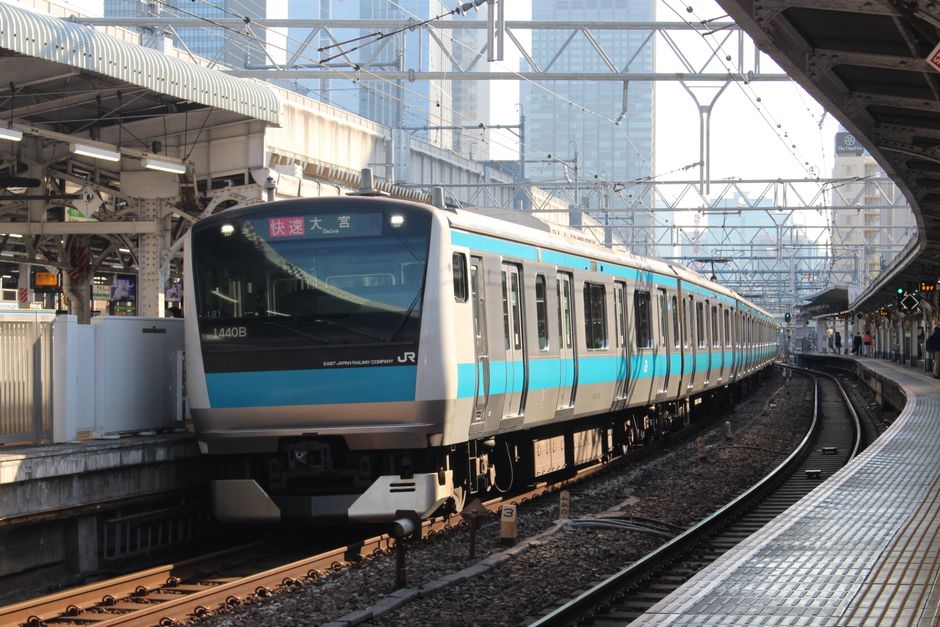
First things first: get your JR Pass before you arrive. This covers most trains, including the Shinkansen bullet trains. However, Tokyo’s subway system requires a separate IC card (Suica or Pasmo).
I learned this the hard way when I stood confused at a ticket machine for ten minutes. The train was so punctual I started questioning my entire life choices back home.
Navigating the Subway System
Download Google Translate with camera function and Hyperdia for train schedules. The subway announcements are in English, and most signs have English translations. Peak hours (7-9 AM, 5-7 PM) can be intense, but as a solo traveler, you’ll squeeze in easier than groups.
Pro Tip: Stand on the left side of escalators and let people pass on the right. This isn’t just etiquette—it’s survival in rush hour Tokyo.
Solo-Friendly Accommodation Options
Budget-Conscious Choices
Capsule hotels are perfect for solo travelers on a budget. They’re clean, safe, and typically cost ¥3,000-5,000 per night. First Cabin and Nine Hours offer premium capsule experiences with excellent amenities.
Traditional hostels work too. Book a Room and Nui Hostel in Asakusa provide social atmospheres where you can meet other travelers. Private rooms in hostels usually run ¥6,000-8,000 nightly.
Mid-Range Solo Options
Business hotels cater specifically to solo travelers. Rooms are compact but functional, with everything you need. Dormy Inn chains include onsen baths, while Super Hotel offers excellent value around ¥8,000-12,000 per night.
Pro Tip: Book accommodations near JR stations rather than subway-only stops. Your JR Pass won’t work on Tokyo Metro or Toei lines, and those separate fares add up quickly.
Eating Alone Like a Tokyo Local
Counter Culture
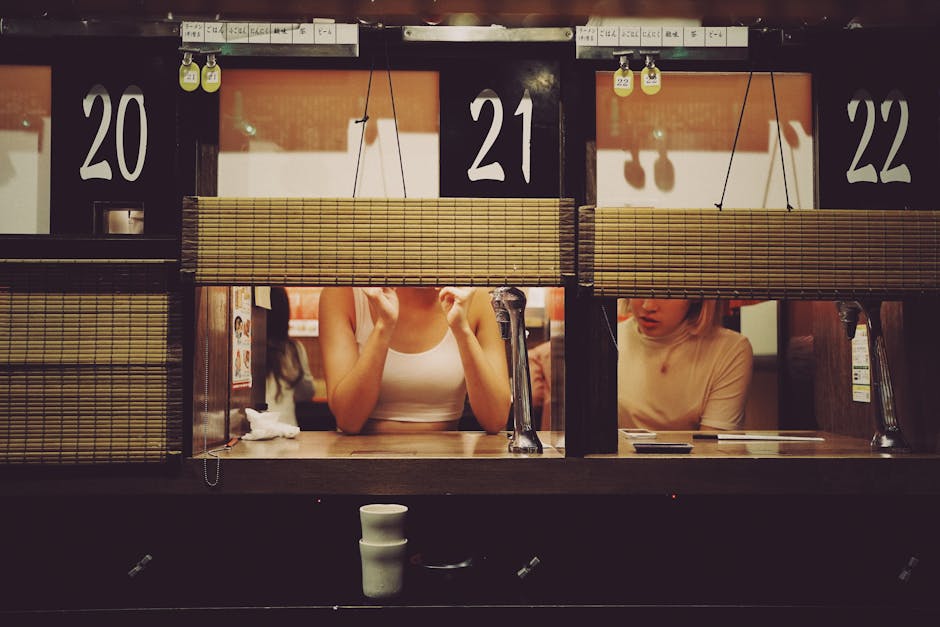
Here’s where solo travel in Tokyo truly shines: counter seating is everywhere. Ramen shops, sushi bars, and izakayas all feature counter spots perfect for solo diners. You’re not awkwardly sitting at a table for four—you’re dining exactly like locals do.
Ichiran Ramen epitomizes solo dining with individual booths and customizable orders via paper forms. Attempting to eat ramen quietly is Japan’s ultimate tourist challenge—and you will fail. Embrace the slurping.
Convenience Store Adventures
7-Eleven, Lawson, and FamilyMart serve surprisingly good food 24/7. Hot meals, fresh sushi, and decent coffee cost under ¥1,000. When jet lag hits at 3 AM, convenience stores become your best friend.
Pro Tip: Learn to say “arigato gozaimasu” when leaving restaurants, even if you paid at a machine. The staff appreciation is genuine, and you’ll feel more connected to local culture.
Solo Tokyo Budget Breakdown for 2026
Daily Expenses
Budget travelers can manage on ¥8,000-10,000 daily. This covers capsule hotel accommodation (¥4,000), convenience store meals and ramen (¥2,500), local transportation (¥1,000), and basic sightseeing (¥500).
Mid-range solo travelers should budget ¥12,000-15,000 daily. This allows business hotel stays (¥8,000), restaurant meals (¥4,000), transportation including some taxi rides (¥2,000), and museum entries or experiences (¥1,000).
Weekly Solo Travel Costs
Seven-day trips typically cost ¥56,000-70,000 for budget travelers, or ¥84,000-105,000 for mid-range solo adventures. Remember that a 7-day JR Pass costs ¥29,650 and pays for itself if you take even one round-trip to Kyoto.
Pro Tip: Many temples and shrines are free to enter. Mix these cultural experiences with paid attractions to balance your daily expenses while still seeing incredible sights.
Essential Solo Travel Experiences in Tokyo
Must-Do Solo Activities
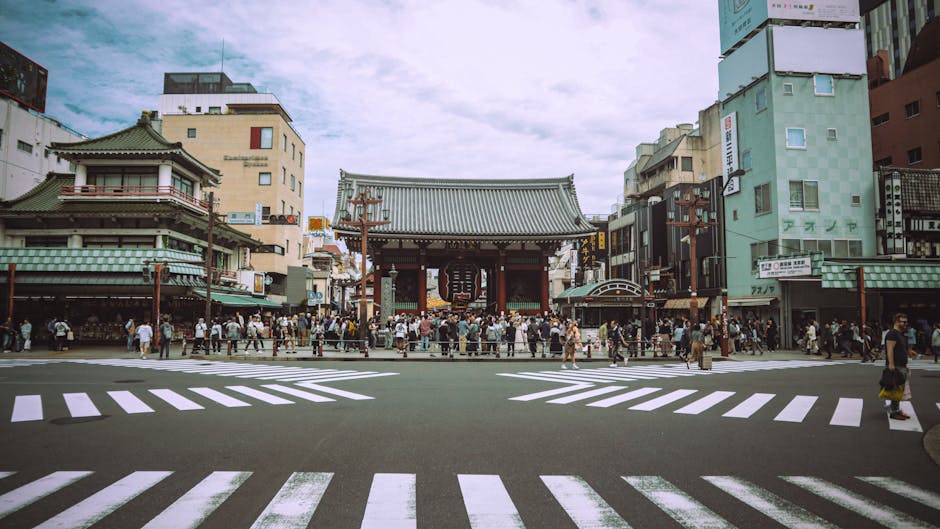
Start with Senso-ji Temple in Asakusa for traditional Tokyo vibes. The approach street, Nakamise-dori, offers perfect people-watching opportunities. Next, explore Meiji Shrine’s peaceful forest paths—ideal for solo reflection.
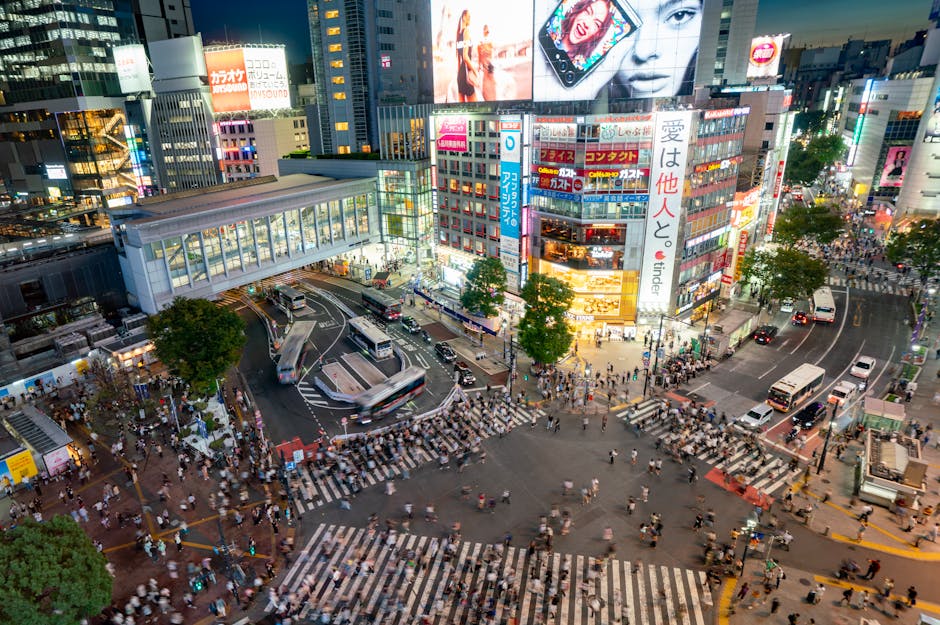
Shibuya Crossing provides the ultimate Tokyo moment. Stand in the center during the scramble and feel the city’s energy. Nearby Hachiko statue tells a touching story worth learning about.
Solo-Friendly Tours and Experiences
Join small group food tours in Tokyo’s neighborhoods to meet fellow travelers while discovering hidden culinary gems. These tours typically include Tsukiji Outer Market, Shibuya food scene, or traditional izakaya experiences.
Consider guided experiences like tea ceremonies or cooking classes where being solo actually enhances the personal attention you receive from instructors.
Pro Tip: Visit observation decks like Tokyo Skytree or Shibuya Sky during sunset. The timing creates perfect photo opportunities, and you won’t feel rushed by travel companions wanting to leave.
Practical Solo Travel Tips for Tokyo Success
Communication Made Easy
Download Google Translate with offline Japanese capability before arrival. The camera function translates signs instantly, while the conversation mode helps with basic interactions. Most Tokyo locals under 40 speak some English, especially in tourist areas.
Keep your hotel’s business card handy. Showing it to taxi drivers eliminates language barriers when you’re tired and ready to head home.
Cultural Etiquette for Solo Travelers
Bow slightly when meeting people or entering shops. Remove shoes when entering traditional spaces—look for shoe racks as your cue. On trains, keep conversations quiet and phones on silent mode.
Cash remains king in Tokyo despite technological advancement. ATMs at 7-Eleven locations accept foreign cards reliably, so withdraw cash regularly rather than hoping every establishment accepts cards.
Pro Tip: Carry a small towel everywhere. Public restrooms rarely provide paper towels, and this simple preparation marks you as a thoughtful visitor rather than an unprepared tourist.
Tokyo solo travel offers incredible freedom to explore at your own pace, discover personal interests, and connect authentically with Japanese culture. The city’s safety, efficiency, and solo-friendly infrastructure create ideal conditions for independent exploration. Whether you’re slurping ramen at 2 AM or quietly contemplating cherry blossoms in Ueno Park, Tokyo rewards solo travelers with unforgettable experiences that simply aren’t possible when traveling with others.
📚 Related Articles
How much money should I budget for solo travel in Tokyo?
Budget ¥8,000-10,000 daily for basic travel, or ¥12,000-15,000 for comfortable solo travel. This covers accommodation, meals, transportation, and basic activities. A week-long trip typically costs ¥56,000-105,000 depending on your comfort level.
Is it weird to eat alone in Tokyo restaurants?
Not at all! Solo dining is completely normal in Tokyo. Counter seating at ramen shops, sushi bars, and izakayas is designed for individual diners. Many locals eat alone regularly, especially during lunch hours.
What’s the best way to meet other travelers in Tokyo?
Stay in hostels with common areas, join food tours or cultural experiences, visit popular backpacker areas like Shibuya or Harajuku, or use meetup apps like Meetup.com for English-speaking social groups in Tokyo.
Do I need to speak Japanese to travel solo in Tokyo?
No, but basic phrases help. Major signs have English, subway announcements are bilingual, and translation apps work excellently. Learning “arigatou gozaimasu” (thank you) and “sumimasen” (excuse me) covers most interactions.
What should I do if I get lost in Tokyo as a solo traveler?
Don’t panic! Find the nearest train station—they’re everywhere and clearly marked. Station staff often speak basic English. Use Google Maps offline mode, or show your hotel business card to locals for directions. Police boxes (koban) are also incredibly helpful.
🗺️ Area Map
🗺️ Interactive Map
Watch Before You Go
Watch Before You Go: This is Why You Should Solo Travel in Japan Right Now
What Travelers Say
“Tokyo’s excellent public transportation system makes it ideal for solo travelers, with trains running until midnight and clear English signage throughout the city. Don’t be afraid to venture into tiny local restaurants – pointing at menu pictures or food displays works perfectly, and locals are incredibly patient with solo diners.”
“I was nervous about traveling solo in Tokyo, but it turned out to be the most liberating experience! The city feels incredibly safe even late at night, and I actually preferred eating alone at the counter seats in ramen shops – you get to watch the chefs work and sometimes chat with other diners. Download Google Translate with the camera feature – it’s a lifesaver for reading menus and signs.”
コメント