📰 Latest News & Updates
- Is Japan Expensive? Costs, Budget Tips & Travel Expenses Explained for Visitors — Whatjapanthinks.com, 2026-03-31
- Nara Ranked 44th Nationwide for Overnight Stays — Newsonjapan.com, 2026-03-13
When I first planned my Kyoto to Nara day trip, I thought I’d conquered Japanese travel planning. Then I met my first deer in Nara Park and realized these furry locals run the show better than any guidebook could prepare you for. Trust me, they’re adorable tyrants with a serious senbei addiction.
This comprehensive guide will transform you from a confused tourist into a confident day-tripper. We’ll cover everything from train logistics to deer diplomacy, ensuring your Kyoto to Nara adventure becomes an unforgettable highlight of your Japan travel experience.
| Quick Facts: Kyoto to Nara Day Trip | Details |
|---|---|
| Travel Time | 45-75 minutes each way |
| Best Transport | Kintetsu Railway (fastest) |
| Cost | ¥640-1,130 one way |
| Best Time to Visit | Early morning departure (8-9 AM) |
| Must-See Attractions | Todaiji Temple, Kasuga Taisha, Nara Park |
| Recommended Duration | 6-8 hours in Nara |
- Getting from Kyoto to Nara: Your Transport Options
- Planning Your Perfect Nara Itinerary
- Afternoon Adventures: Temples and Hidden Gems
- Food and Dining in Nara
- Essential Tips for Your Nara Day Trip
- Making the Most of Your Return Journey
- Conclusion: Your Unforgettable Nara Adventure Awaits
- 🗺️ Area Map
- Watch Before You Go
- What Travelers Say
Getting from Kyoto to Nara: Your Transport Options
Let me save you from the rookie mistake I made on my first trip: not all trains are created equal. You have three main options, each with distinct advantages depending on your priorities and budget.
Kintetsu Railway: The Speed Champion
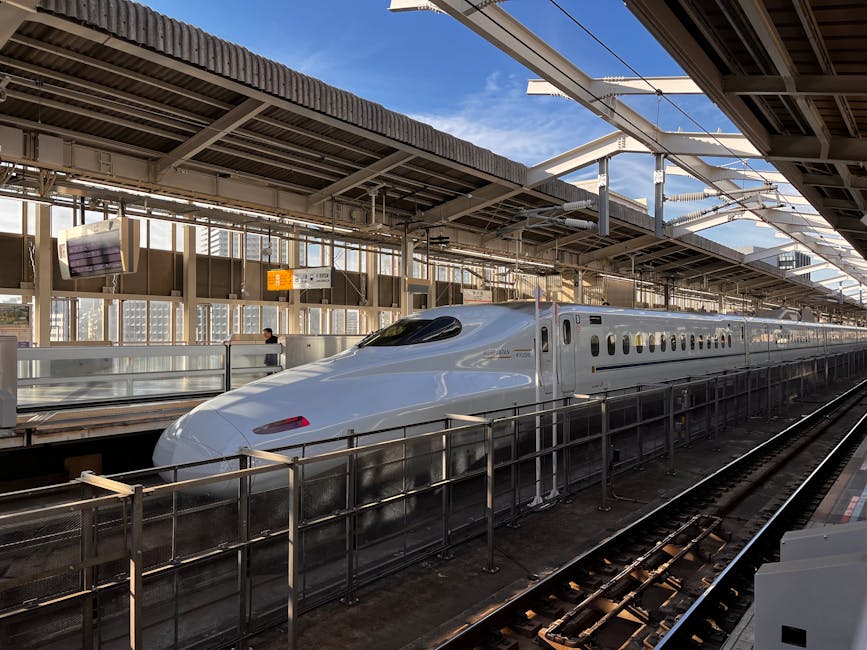
The Kintetsu Limited Express rockets between Kyoto Station and Kintetsu-Nara Station in just 45 minutes. It’s faster than trying to explain why you need 200 deer photos to your travel companions. However, this premium service costs ¥1,130 one way, including the limited express surcharge.
For budget-conscious travelers, the regular Kintetsu Express takes about 50 minutes for ¥640. Both options deposit you closest to Nara’s main attractions.
Pro Tip: Book Kintetsu tickets through GetYourGuide’s transport passes for potential savings and skip the ticket machine confusion.
JR Nara Line: The JR Pass Hero
If you’re wielding a JR Pass, this becomes your economical choice. The journey takes 45 minutes to JR Nara Station, though you’ll walk an extra 10 minutes to reach the main sights compared to Kintetsu-Nara Station.
The trains run frequently throughout the day, making spontaneous departures totally feasible. For JR Pass holders planning multiple Japan destinations, check JR Pass options to maximize your rail travel value.

Planning Your Perfect Nara Itinerary
After visiting Nara countless times, I’ve learned that timing makes the difference between magical moments and tourist chaos. Early morning arrivals reward you with serene temple grounds and cooperative deer before the tour buses arrive.
Morning: Todaiji Temple and the Great Buddha
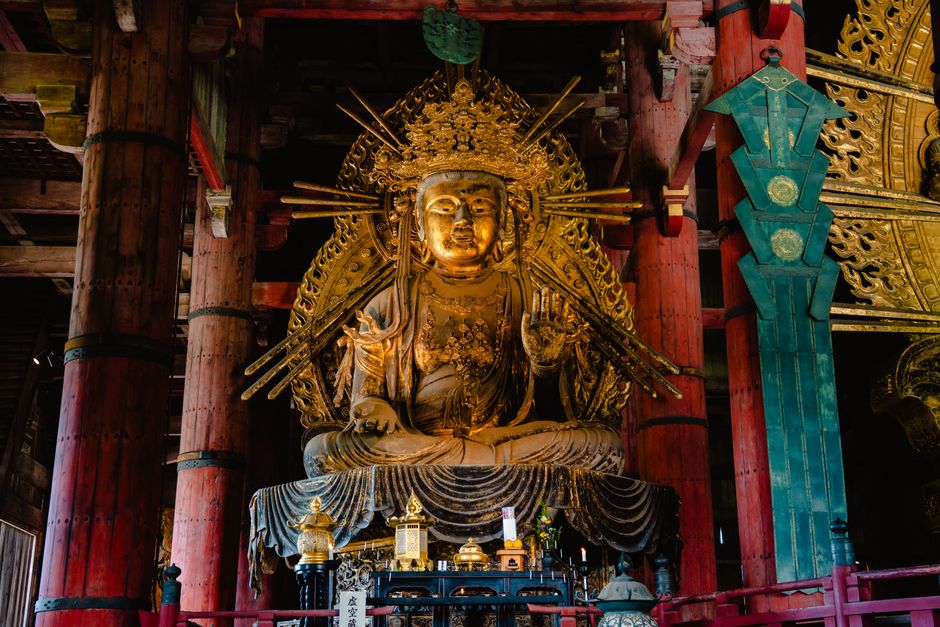
Start at Todaiji Temple, home to Japan’s largest bronze Buddha statue. This UNESCO World Heritage site opens at 8 AM, giving early birds precious quiet moments with the 15-meter-tall Daibutsu.
The Daibutsuden (Great Buddha Hall) ranks among the world’s largest wooden structures. Walking through its massive doors never fails to humble visitors. Admission costs ¥600 for adults.
Pro Tip: Try squeezing through the pillar hole behind the Buddha statue – legend says it guarantees enlightenment, though tight spaces and enlightenment don’t always mix gracefully.
Mid-Morning: Nara Park Deer Encounters
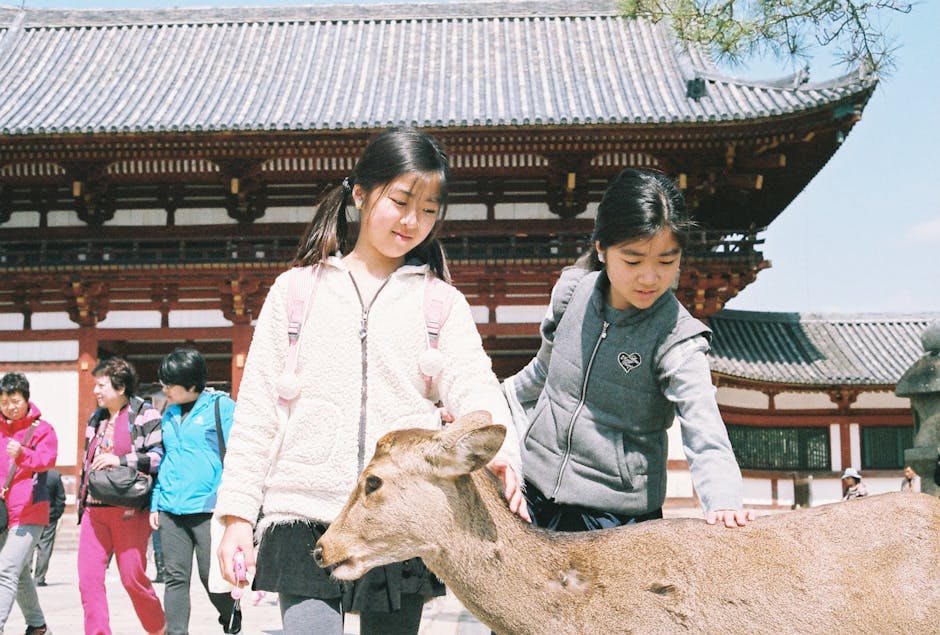
Next, embrace the chaos that is Nara Park’s 1,200 sacred deer. These messengers of the gods have zero patience for slow senbei (deer cracker) distribution. Buy crackers from official vendors for ¥200 per pack.
The deer understand the transaction: bow politely, and they’ll bow back before devouring their treats. Skip the bow, and prepare for some aggressive nudging. They’re surprisingly persistent negotiators.
Afternoon Adventures: Temples and Hidden Gems
The afternoon brings opportunities to explore Nara’s spiritual side beyond the famous deer interactions. These sacred spaces showcase Japanese culture at its most refined.
Kasuga Taisha: The Lantern Wonderland
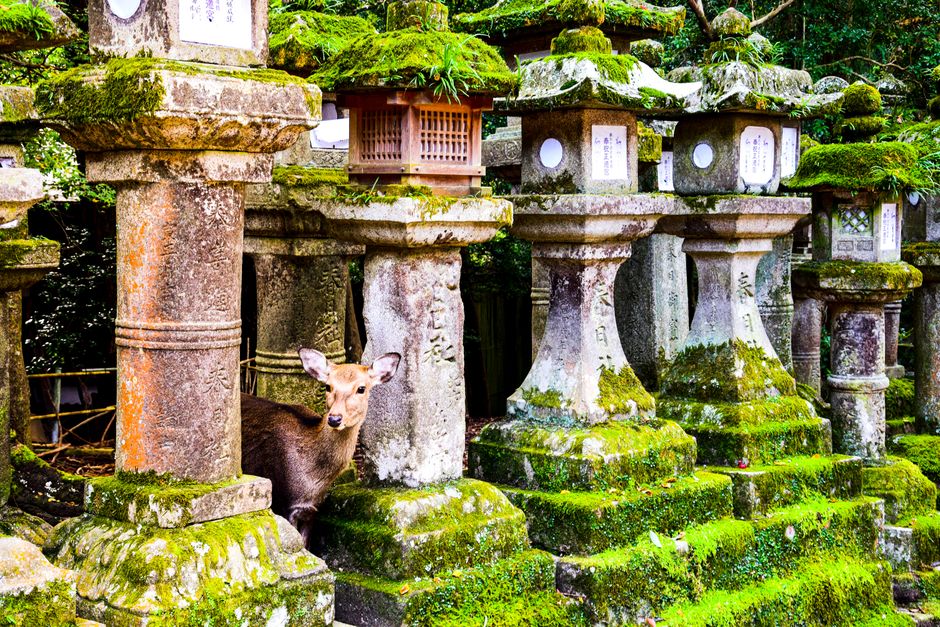
Kasuga Taisha shrine features thousands of stone and bronze lanterns lining forest pathways. During Lantern Festivals, all 3,000 lanterns illuminate simultaneously, creating an otherworldly atmosphere.
The shrine’s vermillion buildings contrast beautifully with ancient cedar trees. Entry to the main shrine area costs ¥500, though you can explore much of the complex freely.
Kofukuji Temple: The Five-Story Pagoda
Kofukuji’s iconic five-story pagoda dominates Nara’s skyline and appears on countless postcards. The temple museum houses exceptional Buddhist art, including the famous Ashura statue.
Museum admission runs ¥700, but photographing the pagoda from various park angles costs nothing except your phone’s battery life.
Pro Tip: Consider booking a guided cultural tour to unlock deeper insights into these sacred spaces that solo exploration might miss.
Food and Dining in Nara
Nara’s culinary scene extends far beyond tourist-trap restaurants near the deer park. Local specialties deserve space in your itinerary alongside temple visits.
Local Specialties to Try
Kakinoha-zushi (persimmon leaf sushi) represents Nara’s signature dish. The leaves preserve the sushi while adding subtle flavor. Most shops near Kintetsu-Nara Station offer fresh varieties.
Yamato beef rivals Kobe’s famous wagyu, though at slightly friendlier prices. Several restaurants around Nara Park serve exceptional beef dishes for lunch.
Budget-Friendly Options
Naramachi district offers numerous affordable restaurants serving hearty Japanese comfort food. The historic preserved area provides atmosphere alongside reasonable prices.
Convenience stores stock excellent onigiri and bento boxes perfect for park picnics. Just guard your food from entrepreneurial deer who consider all snacks community property.
Essential Tips for Your Nara Day Trip
Smart preparation transforms good trips into extraordinary adventures. These hard-learned lessons will save you time, money, and potential deer-related incidents.
What to Bring
Comfortable walking shoes rank as essential gear – you’ll cover significant distances on foot. Bring extra phone batteries or portable chargers, because deer photos multiply exponentially once you start.
Pack wet wipes for post-deer interactions and a small backpack for purchases. Consider travel insurance through SafetyWing for peace of mind during your Japan tourism adventures.
Weather Considerations
Nara’s largely outdoor attractions make weather awareness crucial. Spring brings cherry blossoms but also crowds. Summer delivers heat and humidity that can drain energy quickly.
Autumn offers spectacular colors with comfortable temperatures. Winter provides clear skies and fewer tourists, though some outdoor areas may feel chilly.
Pro Tip: Check temple websites for special events or ceremonies happening during your 2026 visit – these cultural experiences often provide the trip’s most memorable moments.
Cultural Etiquette
Photography rules vary by temple, so watch for signs or ask permission. Many buildings prohibit interior photography, while grounds remain generally photo-friendly.
Bow respectfully at shrine entrances and purify hands at water basins. The deer may run the park, but humans should still demonstrate proper respect in sacred spaces.
Making the Most of Your Return Journey
Your evening return to Kyoto offers opportunities for reflection and last-minute souvenir shopping. Kintetsu-Nara Station’s shops stock unique local products unavailable elsewhere.
Evening trains fill with commuters and fellow day-trippers sharing deer encounter stories. The journey back feels shorter when you’re processing the day’s cultural immersion and planning your next Japan travel adventures.
Consider dining in Kyoto’s evening food scene rather than rushing dinner in Nara. This gives you more sightseeing time and lets you end the day with familiar flavors.
Conclusion: Your Unforgettable Nara Adventure Awaits
A well-planned Kyoto to Nara day trip delivers an incredible concentration of Japanese culture, history, and wildlife encounters. From the awe-inspiring Great Buddha to negotiating snack treaties with persistent deer, Nara offers experiences that define memorable Japan travel.
The combination of accessible transportation, world-class temples, and unique animal interactions makes this day trip essential for any Kyoto visitor. Whether you’re drawn by spiritual exploration, cultural education, or simply the joy of deer selfies, Nara delivers beyond expectations.
Start planning your adventure today, pack your camera and sense of wonder, and prepare for a day that perfectly captures why Japan remains such a captivating destination. The deer are waiting, and trust me, they’re excellent hosts with very specific snack preferences.
📚 Related Articles
How long should I spend in Nara on a day trip from Kyoto?
Plan for 6-8 hours in Nara to comfortably visit the major attractions. This allows 2 hours at Todaiji Temple, 2-3 hours in Nara Park with the deer, 1-2 hours at Kasuga Taisha, plus time for lunch and exploring Naramachi district.
What’s the best time of day to depart Kyoto for Nara?
Leave Kyoto between 8-9 AM to arrive in Nara by 9-10 AM. This timing lets you enjoy temples and attractions before crowds arrive, plus gives you the full day to explore before returning to Kyoto for dinner.
Are the deer in Nara Park safe to interact with?
Yes, the deer are generally safe but can be pushy when they see food. Buy official senbei crackers, bow to the deer, and feed them calmly. They may nudge or grab clothing if they think you have food, but they’re not aggressive. Just don’t tease them or hold food too high.
Do I need to book anything in advance for a Nara day trip?
No advance bookings are required for temples or attractions. However, if you want guided tours or the Kintetsu Limited Express during peak seasons, booking ahead is recommended. All major sites accept walk-in visitors year-round.
How much should I budget for a day trip to Nara from Kyoto?
Budget ¥3,000-5,000 per person including transport (¥1,280-2,260 round trip), temple admissions (¥1,800 total), meals (¥1,500-3,000), and deer crackers (¥200-400). This covers all major attractions and a good lunch.
🗺️ Area Map
🗺️ Interactive Map
Watch Before You Go
Watch Before You Go: How To Plan A Day Trip To Nara 奈良, the old capital of Japan; from Kyoto or Osaka; Todaiji, Nara Park
What Travelers Say
“The journey from Kyoto to Nara takes just 45 minutes by train, making it one of Japan’s most rewarding day trips. Don’t miss the early morning departure to catch the deer in Nara Park at their most active, and allow at least 3 hours to explore Todaiji Temple and its surrounding attractions.”
“We took the Kintetsu express from Kyoto and were in Nara before 9 AM – perfect timing! The deer were so friendly and the kids loved feeding them crackers, but definitely keep your map tucked away or they’ll try to eat it. We easily saw all the main temples and were back in Kyoto by dinner time.”
コメント