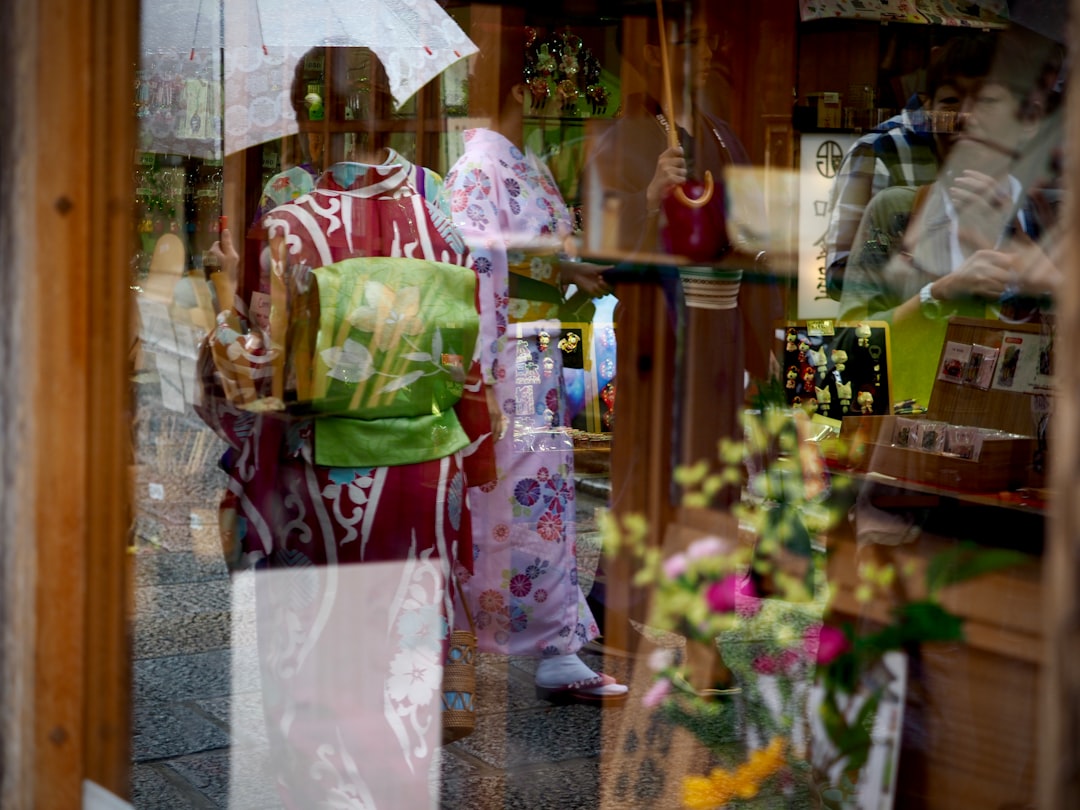
Kimono Rental Kyoto Guide: Your Complete 2026 Experience
Picture this: you’re gliding through the bamboo groves of Arashiyama in a gorgeous kimono, feeling like you’ve stepped straight into a Studio Ghibli film. Then reality hits — you’ve somehow managed to tangle yourself in the obi sash trying to take a selfie. Welcome to the beautiful, slightly chaotic world of kimono rental in Kyoto!
When I first attempted to navigate Kyoto’s kimono rental scene, I was overwhelmed by the sheer number of options. Should I go budget or splurge? What’s the deal with hair styling? And most importantly, how do I avoid looking like a tourist who raided a costume shop? After years of experience and a few fashion mishaps, I’ve mastered the art of kimono rental in Japan’s ancient capital.
| Kimono Rental Kyoto Quick Facts | |
|---|---|
| Average Cost | ¥3,000-8,000 ($20-55 USD) |
| Best Districts | Gion, Arashiyama, Kiyomizu-dera |
| Rental Duration | Full day (9 AM – 6 PM typical) |
| Booking | Advance reservation recommended |
| Best Season | Spring (cherry blossoms) & Autumn (fall colors) |
| What’s Included | Kimono, obi, sandals, bag, basic hair styling |
- Why Rent a Kimono in Kyoto?
- Best Areas for Kimono Rental in Kyoto
- Top Kimono Rental Shops in Kyoto
- What to Expect: The Kimono Rental Process
- Kimono Etiquette and Practical Tips
- Best Photo Spots and Activities in Kimono
- Planning Your Kimono Day in 2026
- Common Mistakes to Avoid
- 🗺️ Area Map
- Watch Before You Go
- What Travelers Say
Why Rent a Kimono in Kyoto?
Let’s be honest — wearing a kimono in Kyoto isn’t just about the photos (though they’ll be absolutely stunning). It’s about connecting with Japanese culture in the city where traditions run deepest. Kyoto has been Japan’s cultural heart for over 1,000 years, and walking through its historic districts in traditional dress feels like time travel.
The experience goes beyond the garment itself. Locals appreciate visitors who show respect for their culture, and you’ll often receive warm smiles and compliments. Plus, some temples and traditional venues offer discounts to kimono-clad visitors — a nice bonus for your Japan travel budget!
Pro Tip: Visit Japan tourism sites like GetYourGuide to book combination packages that include kimono rental with guided tours of Kyoto’s historic districts.
Best Areas for Kimono Rental in Kyoto
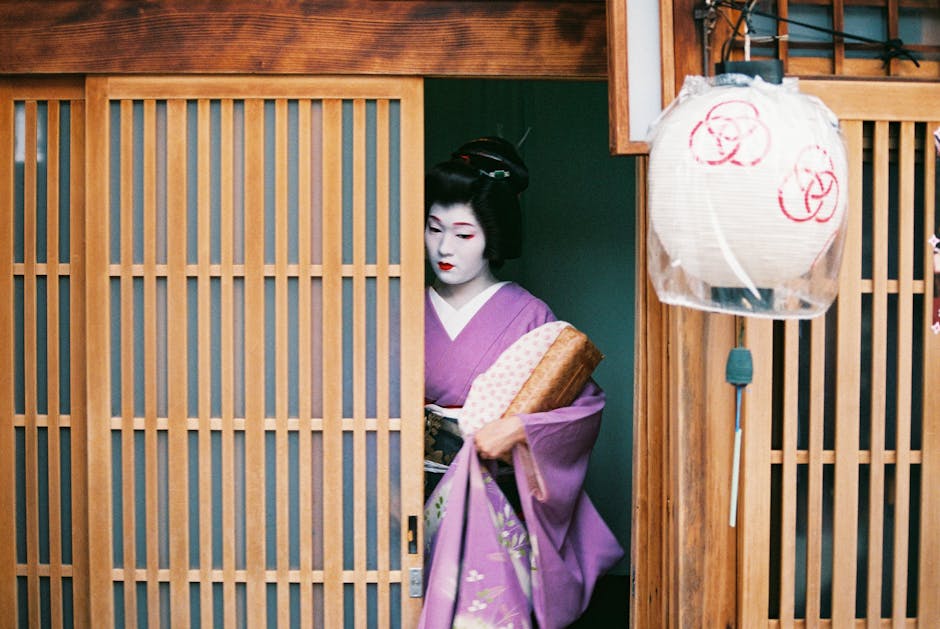
Gion District: The Geisha Quarter
Gion is kimono rental central, and for good reason. This historic geisha district provides the perfect backdrop with its preserved wooden architecture and stone-paved streets. The area is packed with rental shops, from budget-friendly options to luxury boutiques offering vintage silk kimono.
The downside? Everyone knows about Gion. Expect crowds, especially during cherry blossom season and autumn. But trust me, even with the tourist hordes, there’s something magical about strolling past traditional tea houses in a beautiful kimono.
Arashiyama: Bamboo Grove Beauty
Arashiyama offers a more natural setting for your kimono adventure. The famous Bamboo Grove creates an ethereal backdrop, and the area is less crowded than central Kyoto. Several quality rental shops serve this district, though your options are more limited than in Gion.
Kiyomizu-dera Temple Area
The approach to Kiyomizu-dera temple (Sannenzaka and Ninenzaka streets) is lined with rental shops and provides stunning photo opportunities. The uphill walk can be challenging in kimono and geta sandals — consider it your cultural workout for the day!
Pro Tip: Choose your rental location based on where you want to spend most of your day. Carrying your regular clothes around Kyoto while kimono-clad is about as elegant as it sounds.

Top Kimono Rental Shops in Kyoto
Budget-Friendly Options (¥2,000-4,000)
Yumeyakata is a reliable chain with multiple Kyoto locations. Their standard packages include everything you need, and the staff speaks English. The kimono selection is vast, though mostly synthetic fabrics at this price point.
Okamoto operates several shops around Gion and Kiyomizu-dera. They’re known for efficient service and reasonable prices. Perfect for first-timers who want the experience without breaking the bank.
Mid-Range Excellence (¥4,000-6,000)
Rental Kimono Okamoto (different from the budget option above) offers higher-quality fabrics and more elaborate obi designs. Their stylists are particularly skilled with hair arrangements.
Kyoto Kimono Rental Wargo provides excellent customer service with English-speaking staff. They offer beautiful accessories and have convenient locations throughout the city.
Luxury Experience (¥6,000+)
For special occasions, consider shops offering vintage silk kimono with intricate patterns. These often include professional hair styling, makeup, and premium accessories. The experience is unforgettable, though your wallet might need recovery time.
Pro Tip: Many shops offer online booking with English support. Reserve in advance, especially during peak seasons (March-May and October-November) when every visitor wants that perfect cherry blossom or autumn leaf photo.

What to Expect: The Kimono Rental Process
- Arrival and Check-in: Arrive at your scheduled time with comfortable underwear (they’ll provide specific undergarments if needed). Bring hair ties if you have long hair.
- Kimono Selection: Browse the available options in your size. Don’t get overwhelmed — there will be hundreds of choices. Pick something that makes you smile!
- Dressing Process: Staff will help you dress properly. This takes 15-20 minutes and involves more layers than you’d expect. The obi (sash) alone is an art form.
- Hair Styling: Basic styling is usually included. Elaborate updos cost extra but are worth it for special photos.
- Accessories: Choose your bag, hair ornaments, and sandals. Everything is typically included in the base price.
- Photo Time: Many shops have photo spots inside. Take advantage — the lighting is usually perfect!
The whole process takes 45-60 minutes. Yes, it’s longer than getting dressed normally, but considerably shorter than my usual morning routine, so I consider it a win.

Kimono Etiquette and Practical Tips
Walking and Moving in Kimono
Walking in kimono requires smaller steps than usual. Think graceful shuffle rather than power walk. The restrictive nature is intentional — it encourages mindful, elegant movement. Embrace it rather than fighting it.
Sitting requires specific technique. Kneel first, then sit back on your heels. Regular chairs work fine, but be mindful of the kimono’s length and your obi positioning.
Photo Etiquette
While you’ll want to document everything, be respectful when taking photos. Avoid blocking narrow streets or temple entrances. If you see geishas or maikos, admire from a distance — they’re working professionals, not tourist attractions.
Weather Considerations
Summer in Kyoto is brutally hot and humid. Cotton yukata (casual summer kimono) are more comfortable than silk in heat. Winter requires layers underneath, which the rental shop can provide.
Rain and kimono don’t mix well. Most shops provide umbrellas, but consider rescheduling if heavy rain is forecasted.
Pro Tip: Pack light! You’ll receive a small traditional bag that holds almost nothing. Leave extra items at your hotel or in station lockers. Your phone, wallet, and camera are about the limit.

Best Photo Spots and Activities in Kimono
Beyond the obvious temple shots, consider these photogenic locations:
- Bamboo Grove, Arashiyama: The filtered light creates magical photos
- Philosopher’s Path: Beautiful during cherry blossom season
- Maruyama Park: Perfect for hanami (flower viewing) photos
- Traditional tea houses in Gion: Authentic atmosphere
- Fushimi Inari shrine entrance: The orange torii gates complement kimono colors beautifully
Consider booking a professional photo tour that combines kimono experience with guided photography sessions at Kyoto’s most beautiful locations.

Planning Your Kimono Day in 2026
Start early to maximize your rental period and avoid crowds. Most shops open around 9 AM, and early morning light is perfect for photos. Plan a relaxed itinerary — rushing in kimono defeats the purpose of this mindful cultural experience.
If you’re planning broader Japan travel, consider timing your Kyoto kimono experience with seasonal events. Cherry blossom season (late March to early May) and autumn foliage (November to early December) provide stunning backdrops, though expect higher prices and crowds.
Remember to factor in travel time between locations. The JR Pass covers transportation to Kyoto, but within the city, walking or taking buses in kimono requires extra time and patience.
Pro Tip: Consider travel insurance that covers activity participation. While kimono rental is low-risk, comprehensive coverage provides peace of mind for your entire Japan tourism adventure.

Common Mistakes to Avoid
Don’t make the rookie mistakes I did on my first kimono adventure:
- Wearing the wrong underwear: Sports bras and shapewear create the best silhouette
- Choosing uncomfortable shoes: Your feet will hurt initially — this is normal
- Overpacking your tiny bag: Less is definitely more
- Rushing the experience: This is about slowing down and appreciating Japanese culture
- Ignoring weather forecasts: Rain and kimono are not friends
Most importantly, don’t stress about doing everything “perfectly.” Even Japanese people need help with kimono — it’s a complex traditional garment that requires practice to master.
How much does kimono rental cost in Kyoto?
Kimono rental in Kyoto typically costs ¥3,000-8,000 ($20-55 USD) for a full day. Budget options start around ¥2,000, while luxury silk kimono with professional styling can cost ¥10,000+. Most mid-range packages (¥4,000-6,000) include kimono, obi, sandals, bag, and basic hair styling.
Do I need to book kimono rental in advance?
Yes, especially during peak seasons (cherry blossom season March-May and autumn November-December). Popular shops fill up quickly, and advance booking ensures better kimono selection and preferred time slots. Many shops offer online booking in English.
What’s included in a typical kimono rental package?
Standard packages include the kimono, obi (sash), undergarments, tabi socks, geta or zori sandals, traditional bag, and basic hair styling. Some shops include hair accessories and offer additional services like professional makeup or elaborate hairstyles for extra fees.
How long can I keep the rental kimono?
Most Kyoto shops offer full-day rentals, typically from 9 AM to 6 PM. Some locations offer extended hours until 7 or 8 PM for additional fees. Half-day options are available at some shops, though full-day provides better value and more time to enjoy the experience.
Can I wear kimono to temples and shrines in Kyoto?
Yes, wearing kimono to temples and shrines is respectful and welcomed. Many religious sites appreciate visitors honoring Japanese culture through traditional dress. Some temples even offer discounts to kimono-wearing visitors. Just be mindful of photography rules at each location.

🗺️ Area Map
🗺️ Interactive Map
Watch Before You Go
Watch Before You Go: 38 Tips I Wish I Knew Before Visiting Kyoto, Japan
What Travelers Say
“Kyoto’s kimono rental scene offers visitors an authentic way to experience traditional Japanese culture while exploring the city’s historic districts. The best rental shops provide quality silk garments and expert assistance with the complex dressing process, making it accessible for first-time wearers to feel comfortable navigating temples and bamboo groves in traditional attire.”
“I was nervous about renting a kimono but the staff at the shop near Kiyomizu-dera were incredibly patient and helpful with the fitting process. Walking through the Gion district in a beautiful purple silk kimono felt magical, and we got so many compliments from locals and tourists alike. Just remember to book ahead during cherry blossom season!”
コメント