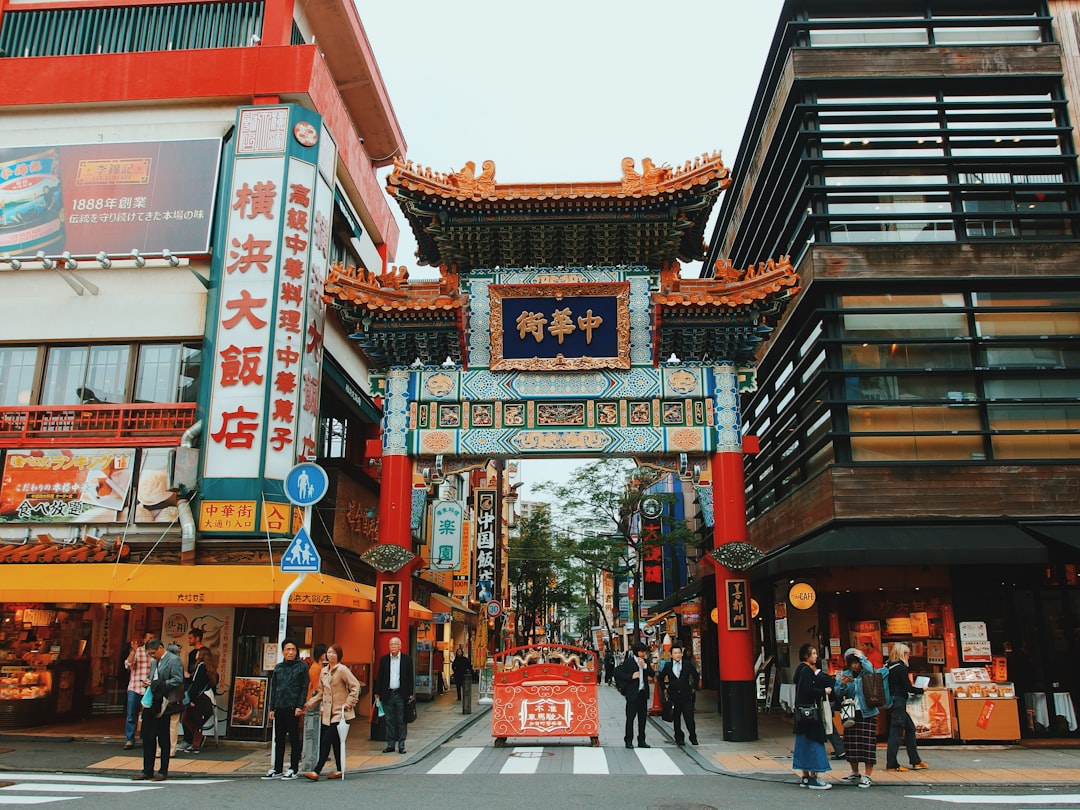
When I first stumbled into Yokohama Chinatown, I was expecting a few restaurants and maybe some souvenir shops. What I found instead was Japan’s largest Chinatown — a vibrant, delicious maze that somehow manages to be more authentically Chinese than some actual Chinese cities I’ve visited. Located just 30 minutes from Tokyo, this incredible neighborhood has been serving up steaming dumplings and cultural experiences since 1859.
Whether you’re a Japan travel veteran or planning your first visit Japan adventure, Yokohama Chinatown deserves a spot on your itinerary. Trust me, your taste buds will thank you later.
| Quick Facts: Yokohama Chinatown | Details |
|---|---|
| Location | Naka-ku, Yokohama, Kanagawa Prefecture |
| Size | Japan’s largest Chinatown (2.5 hectares) |
| Established | 1859 |
| Number of Restaurants | 200+ |
| Nearest Station | Motomachi-Chukagai Station |
| Best Time to Visit | Chinese New Year or weekday afternoons |
| Average Visit Duration | 3-4 hours |
- Getting to Yokohama Chinatown: Your Journey Begins
- The Magnificent Gates: Your Instagram Moments Await
- Food Adventures: Where Your Diet Goes to Die (Happily)
- Cultural Experiences Beyond Food
- Shopping and Souvenirs: Beyond Chopsticks
- Seasonal Events and Festivals
- Planning Your Visit: Practical Japan Travel Tips
- Combining Yokohama Chinatown with Other Attractions
- 🗺️ Area Map
- Watch Before You Go
- What Travelers Say
Getting to Yokohama Chinatown: Your Journey Begins
The beauty of Yokohama Chinatown is its accessibility from Tokyo. I’ve made this trip countless times, and it never gets old watching the city transform from Tokyo’s urban jungle to Yokohama’s seaside charm.
From Tokyo Station
- Take the JR Tokaido Line to Yokohama Station (25 minutes)
- Transfer to the JR Keihin-Tohoku Line to Kannai Station (7 minutes)
- Walk 5 minutes to Chinatown
The Express Route
For the quickest option, take the Minato Mirai Line directly to Motomachi-Chukagai Station. The station name literally translates to “Motomachi-Chinatown,” so you know you’re in the right place when even the train station is being helpful.
Pro Tip: If you’re planning multiple trips around Japan, consider getting a JR Pass for unlimited travel on JR lines. It pays for itself faster than you can say “all-you-can-eat dim sum.”

The Magnificent Gates: Your Instagram Moments Await
Yokohama Chinatown is surrounded by ten colorful gates, each more photogenic than the last. These aren’t just pretty decorations — they’re legitimate feng shui guardians protecting the neighborhood from evil spirits. Whether or not you believe in feng shui, you’ll definitely believe in their power to make your photos pop.
The Big Four Gates
The four main gates represent the cardinal directions and different seasons:
- Zenrinmon Gate (East): The spring gate, painted in beautiful blues and greens
- Suzakumon Gate (South): The summer gate in vibrant reds
- Byakkomon Gate (West): The autumn gate in pristine whites
- Genbumun Gate (North): The winter gate in deep blacks
I made the rookie mistake of trying to photograph all ten gates in one visit. Let me save you some time: focus on the main four, and don’t feel obligated to hunt down every single one unless you’re going for some kind of gate-collecting world record.
Pro Tip: Visit during golden hour (just before sunset) for the most stunning gate photos. The traditional lanterns start glowing, and the whole area transforms into something magical.

Food Adventures: Where Your Diet Goes to Die (Happily)
Let’s be honest — you’re probably here for the food. Yokohama Chinatown boasts over 200 restaurants, ranging from street food stalls to elegant banquet halls. The variety is overwhelming in the best possible way.
Must-Try Dishes
- Xiaolongbao (Soup Dumplings): These little parcels of joy will test your chopstick skills
- Peking Duck: Crispy, succulent, and worth every yen
- Mapo Tofu: Spicier than Japanese cuisine typically gets
- Dim Sum: Perfect for groups who can’t decide what to order
- Butaman (Steamed Pork Buns): Grab these from street vendors for the authentic experience
Restaurant Recommendations
Heichinrou: The oldest Chinese restaurant in Japan (since 1884). It’s pricey but worth it for a special meal.
Manchinrou: Famous for their Peking duck. Make reservations or prepare to wait.
Kaseiro: Excellent dim sum in a casual atmosphere. Perfect for lunch.
For a more immersive experience, consider joining a local food tour that can guide you to hidden gems and help navigate language barriers.
Pro Tip: Many restaurants offer lunch sets (teishoku) that are significantly cheaper than dinner. Your wallet will thank you, and you’ll have more room for street food adventures later.

Cultural Experiences Beyond Food
While food is the main attraction, Yokohama Chinatown offers plenty of cultural experiences that go beyond stuffing your face with dumplings (though that’s a perfectly valid itinerary too).
Kanteibyo Temple
This colorful Taoist temple dedicated to Guan Yu is the spiritual heart of Chinatown. The incense-filled halls and intricate decorations provide a peaceful respite from the bustling streets. Plus, it’s one of the few places in Japan where you can witness traditional Chinese religious practices.
Ma Zhu Miao Temple
Dedicated to the Chinese sea goddess Mazu, this temple is particularly popular with visitors seeking good fortune in travel. Given that you’re already traveling, it seems like a good investment in cosmic insurance.
Chinese Traditional Medicine and Fortune Telling
Several shops offer traditional Chinese medicine consultations and fortune telling. I’m not saying I believe in fortune telling, but when a Chinese fortune teller in Yokohama told me I’d have good luck with food, she wasn’t wrong — I discovered amazing xiaolongbao that same day.
Pro Tip: Visit temples early in the morning or late afternoon to avoid crowds and experience a more authentic, contemplative atmosphere.

Shopping and Souvenirs: Beyond Chopsticks
Yokohama Chinatown shopping goes far beyond the typical tourist trinkets (though they have plenty of those too, if that’s your thing).
What to Buy
- Chinese Tea: High-quality oolong and pu-erh teas
- Traditional Chinese Sweets: Perfect for bringing a taste of your trip home
- Cooking Ingredients: Authentic sauces and spices you can’t find elsewhere in Japan
- Chinese Ceramics: Beautiful teaware and serving dishes
- Traditional Chinese Medicine: Herbs and remedies (though check customs regulations)
Market Streets
The main shopping area runs along Zhongshan Road and the streets radiating from the central square. Don’t be afraid to explore the side alleys — some of the best shops are tucked away where most tourists don’t venture.
Pro Tip: Many shops are cash-only, so hit an ATM before you start your shopping spree. 7-Eleven ATMs accept foreign cards and are everywhere in Yokohama.

Seasonal Events and Festivals
Yokohama Chinatown truly comes alive during festivals, particularly Chinese New Year. The celebration here rivals anything you’ll find in China itself, with dragon dances, lion performances, and enough fireworks to make you forget you’re still in Japan.
Chinese New Year (January/February)
This is peak season — expect crowds, but also expect an absolutely incredible cultural experience. The entire neighborhood transforms with red decorations, special performances, and festival foods.
Mid-Autumn Festival (September/October)
A more intimate celebration featuring mooncakes and lantern displays. Less crowded than New Year but equally authentic.
Regular Events
Lion dance performances happen most weekends, and various cultural demonstrations occur throughout the year. Check the official Chinatown website before your visit.
For guided experiences during festival seasons, consider booking a cultural tour that includes festival activities and cultural context.
Pro Tip: If you’re planning to visit during Chinese New Year 2026, book accommodations early. Hotels fill up quickly, and prices spike faster than oil in a wok.

Planning Your Visit: Practical Japan Travel Tips
Best Times to Visit
Weekday afternoons: Fewer crowds, shorter waits at restaurants
Weekend evenings: More energy and street performances, but expect crowds
Festival periods: Maximum cultural experience, maximum people
How Long to Spend
Plan for 3-4 hours minimum. This gives you time to explore the gates, enjoy a proper meal, do some shopping, and visit a temple or two without rushing.
What to Bring
- Cash (many places don’t accept cards)
- Comfortable walking shoes
- Empty stomach and stretchy pants
- Camera with extra battery
- Translation app for menus
Safety and Practical Considerations
Yokohama Chinatown is extremely safe, even by Japanese standards. However, as with any popular tourist area, keep an eye on your belongings in crowded areas. Consider getting travel insurance before your Japan trip — not for safety concerns, but because good travel insurance is like good dim sum: you don’t realize how much you need it until you’re in the moment.
Pro Tip: Download Google Translate with offline Japanese and Chinese language packs. Many menus in Chinatown are in Chinese characters, and having both languages available will make ordering much easier.

Combining Yokohama Chinatown with Other Attractions
Yokohama Chinatown pairs perfectly with other Yokohama attractions, making it easy to fill a full day or even a weekend in the city.
Nearby Attractions
- Minato Mirai 21: Modern waterfront district with shopping and observation decks
- Red Brick Warehouse: Historic shopping and cultural complex
- Yamashita Park: Waterfront park perfect for post-meal walks
- Cup Noodles Museum: Quirky and fun, especially for families
- Cosmo World: Amusement park with the iconic Ferris wheel
All of these are within walking distance or a short train ride from Chinatown, making Yokohama an excellent day trip destination for your Japan tourism itinerary.
How do I get from Tokyo to Yokohama Chinatown?
Take the JR Tokaido Line from Tokyo Station to Yokohama Station (25 minutes), then transfer to the JR Keihin-Tohoku Line to Kannai Station (7 minutes). Alternatively, take the Minato Mirai Line directly to Motomachi-Chukagai Station. The trip takes about 30-40 minutes total and costs around 500-600 yen.
What are the must-try foods in Yokohama Chinatown?
Don’t miss xiaolongbao (soup dumplings), Peking duck, dim sum, butaman (steamed pork buns), and mapo tofu. For dessert, try traditional Chinese sweets like sesame balls or egg tarts. Street food vendors offer great butaman and other quick bites perfect for exploring.
Is Yokohama Chinatown suitable for vegetarians?
Yes! Many restaurants offer vegetarian options, including vegetable dumplings, ma po tofu (ask for the meat-free version), Buddhist-style dishes, and various vegetable stir-fries. However, it’s helpful to learn key phrases or use a translation app, as not all staff speak English.
When is the best time to visit Yokohama Chinatown?
Weekday afternoons are ideal for fewer crowds and shorter restaurant waits. Chinese New Year (January/February) offers the most cultural experiences but expects large crowds. Golden hour (before sunset) provides the best lighting for photos of the colorful gates.
How much should I budget for a day in Yokohama Chinatown?
Budget 3,000-5,000 yen per person for food (lunch and snacks), plus 1,000-3,000 yen for shopping and souvenirs. Transportation from Tokyo costs about 500-600 yen each way. High-end restaurant dinners can cost 5,000-10,000 yen per person, while street food and casual dining are much more affordable.

🗺️ Area Map
🗺️ Interactive Map
Watch Before You Go
Watch Before You Go: Seika's Tokyo Travel Guide🧳 Yokohama Chinatown | Intermediate Japanese Comprehensible Input
What Travelers Say
“Yokohama’s Chinatown is Japan’s largest, with over 600 shops and restaurants packed into colorful streets that have been serving authentic Chinese cuisine since 1859. Don’t miss the ornate Kanteibyo Temple and be sure to try the famous butaman (steamed pork buns) from one of the many street vendors.”
“Visited on a Saturday afternoon and it was absolutely buzzing with energy! The xiaolongbao at Heichinrou was incredible – definitely worth the 20 minute wait. Pro tip: come hungry because you’ll want to try food from multiple stalls as you wander through the narrow alleys.”

コメント