When I first stepped off the plane in Japan as a wide-eyed vegetarian, I thought I’d be surviving on convenience store bananas and temple prayers. Boy, was I wrong! Japan has transformed into a surprisingly vegetarian-friendly destination, and I’m here to spill all the secrets I’ve gathered from years of plant-based adventures across this incredible country.
Sure, navigating vegetarian options in Japan requires a bit more strategy than ordering a veggie burger back home, but trust me—the payoff is absolutely worth it. From Buddhist temple cuisine that’ll make you question everything you thought you knew about vegetables, to modern vegan ramen shops that have lines longer than a Tokyo subway platform during rush hour.
| Quick Facts | Details |
|---|---|
| Vegetarian-Friendly Cities | Tokyo, Kyoto, Osaka, Hiroshima |
| Best Apps | HappyCow, Google Translate, Gurunavi |
| Key Phrase | “Watashi wa bejitarian desu” (I am vegetarian) |
| Hidden Ingredients | Dashi (fish stock), katsuobushi (bonito flakes) |
| Best Season | Spring/Fall for temple food festivals |
Understanding Japan’s Vegetarian Landscape
Let’s get real for a moment—Japan’s relationship with vegetarianism is complicated. While the country gave birth to shojin ryori (Buddhist temple cuisine), the concept of everyday vegetarianism as we know it in the West is still relatively new. I learned this the hard way when I confidently ordered what I thought was vegetable ramen, only to discover it was swimming in pork-based broth.
The good news? Japan tourism has caught on quickly, and 2026 promises even more vegetarian-friendly options as the country continues to embrace international visitors. Major cities now boast dedicated vegetarian restaurants, and even traditional establishments are becoming more aware of dietary restrictions.
Here’s what you need to know: many Japanese dishes that appear vegetarian often contain dashi (a fish-based stock) or other animal products. It’s not trying to trick you—it’s just that these ingredients are so fundamental to Japanese cooking that they’re often not considered “meat” in the traditional sense.
Pro Tip: Download the HappyCow app before you land. It’s been my vegetarian lifeline in Japan, and the community reviews are gold for finding those hidden gem restaurants tucked away in Tokyo alleyways.
The Language Barrier: Your Vegetarian Survival Kit
I’ll never forget my first attempt at explaining vegetarianism to a kind elderly chef in Kyoto. After five minutes of charades that would’ve made Marcel Marceau proud, he nodded enthusiastically and brought me a beautiful plate of vegetables… garnished with bacon. We both laughed, and he quickly whipped up something actually vegetarian, but that’s when I realized the importance of having the right phrases ready.
Essential Japanese phrases for vegetarian Japan travel:
- “Watashi wa bejitarian desu” – I am vegetarian
- “Niku wa tabemasen” – I don’t eat meat
- “Sakana mo tabemasen” – I don’t eat fish either
- “Dashi wa tsukatte imasuka?” – Do you use dashi?

Best Vegetarian-Friendly Destinations in Japan
Not all Japanese cities are created equal when it comes to vegetarian options. After eating my way through the country (tough job, I know), here are the destinations that’ll make your plant-based heart sing.
Tokyo: The Vegetarian Capital
Tokyo is where Japan’s vegetarian scene truly shines. From the hipster cafes of Shibuya to the traditional restaurants in Asakusa, you’ll find options that’ll make you forget you ever worried about finding good food. The city has embraced the global vegetarian movement with open arms and surprisingly creative interpretations of classic dishes.
Must-visit areas include Shibuya and Harajuku for modern vegetarian cuisine, while Asakusa offers more traditional options. Don’t miss the opportunity to join a Tokyo food tour that specifically caters to vegetarian travelers—it’s a game-changer for discovering spots you’d never find on your own.
Pro Tip: Many department store restaurant floors (usually 12th-14th floors) have at least one vegetarian-friendly option, often with plastic food displays that make ordering a breeze even with limited Japanese.
Kyoto: Temple Food Heaven
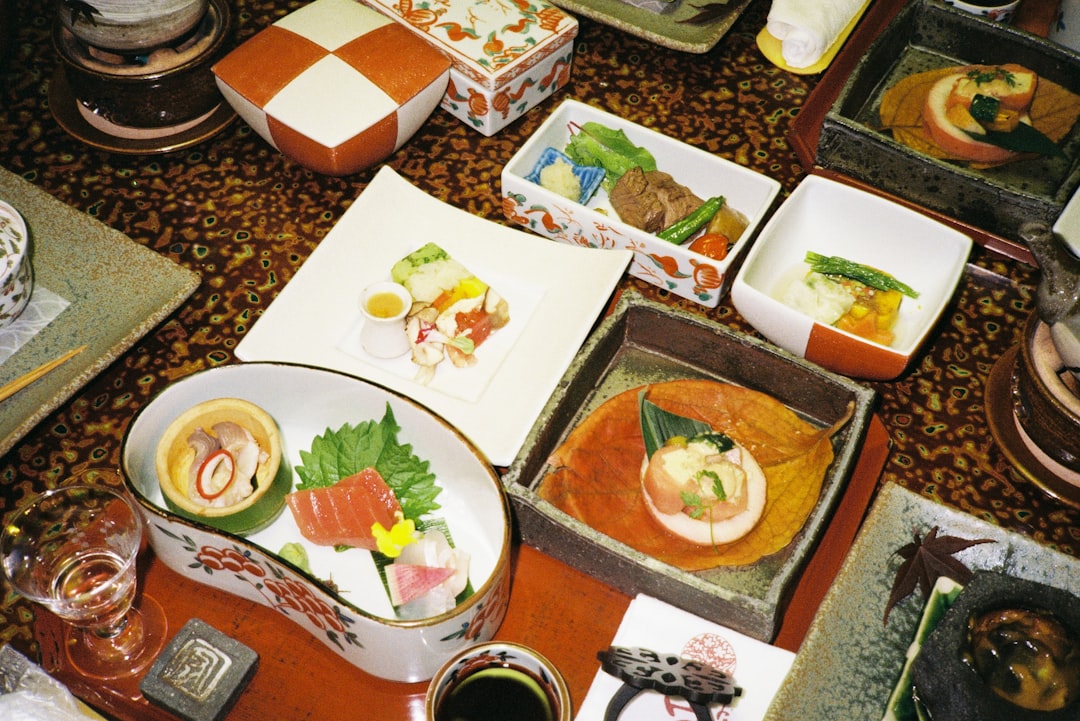
Kyoto is where vegetarian food becomes art. This ancient capital is home to some of Japan’s most spectacular temple cuisine, where Buddhist monks have perfected the art of making vegetables taste like they’re straight from heaven. Shojin ryori isn’t just food—it’s a spiritual experience that happens to be completely vegetarian.
The Arashiyama district is particularly vegetarian-friendly, with several restaurants catering to the temple-visiting crowds. Plus, many of Kyoto’s traditional tea houses serve vegetarian-friendly sweets and light meals.

Navigating Japanese Cuisine as a Vegetarian
Japanese cuisine is incredibly diverse, and once you know what to look for, you’ll discover plenty of naturally vegetarian dishes that locals have been enjoying for centuries.
Safe Bets and Hidden Gems
Some Japanese dishes are naturally vegetarian goldmines:
- Inari sushi – Sweet seasoned rice in fried tofu pockets (my personal addiction)
- Vegetable tempura – Light, crispy, and available almost everywhere
- Agedashi tofu – Lightly fried tofu in savory sauce
- Yasai itame – Stir-fried vegetables
- Onigiri – Rice balls with vegetarian fillings like pickled plum
When it comes to travel insurance for your Japan adventure, I always recommend getting comprehensive coverage through SafetyWing, especially if you have specific dietary needs that might require medical attention or trip modifications.
The Ramen Revolution
Here’s something that would’ve blown my mind when I first started traveling to Japan: vegetarian ramen is not only possible, it’s absolutely spectacular. Cities like Tokyo and Osaka now have dedicated vegetarian ramen shops where the broth is made from vegetables, miso, or even nuts instead of the traditional pork or chicken bones.
Pro Tip: Look for “yasai ramen” (vegetable ramen) or “shio ramen” made with vegetable broth. Always double-check about the broth base, as some “vegetable” ramens still use animal-based dashi.

Practical Tips for Vegetarian Travel in Japan
Let me share some hard-earned wisdom from my years of plant-based adventures across Japan. These aren’t just tips—they’re survival strategies that have saved me from many a hangry moment.
Shopping and Self-Catering
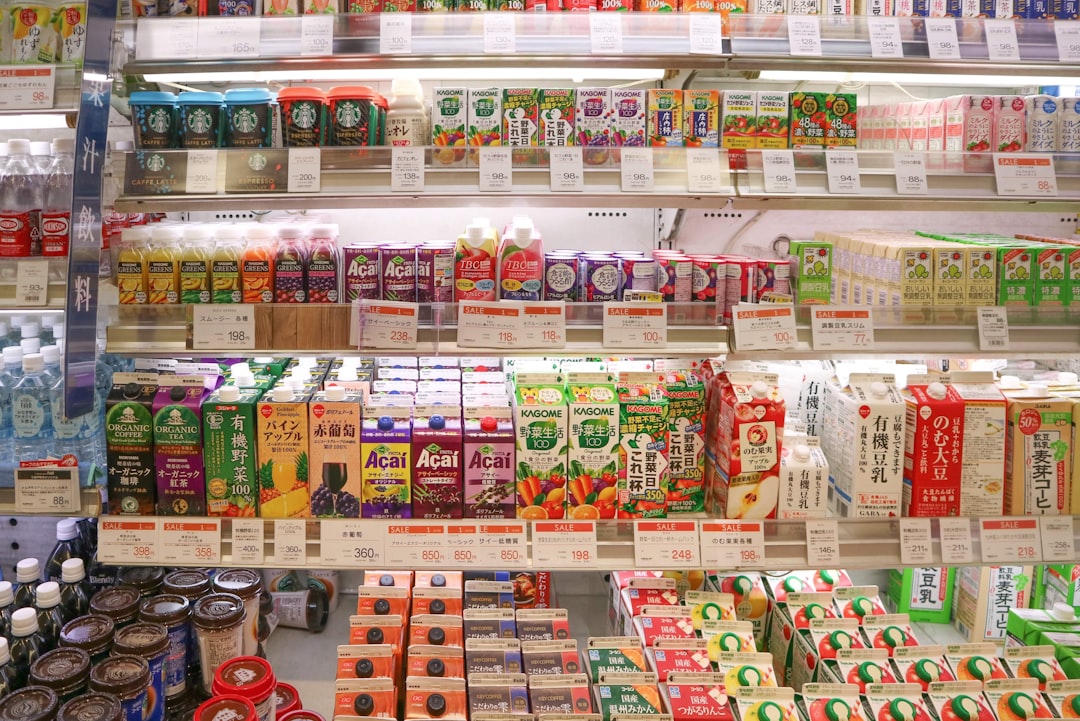
Japanese convenience stores (konbini) are a vegetarian traveler’s best friend. I’ve had more satisfying meals from 7-Eleven than I’d care to admit, and there’s no shame in that game! Look for onigiri with vegetarian fillings, fresh salads, and an impressive array of Japanese sweets.
Department store basement food courts (depachika) are absolute treasure troves. These aren’t your typical mall food courts—they’re like upscale markets with prepared foods that range from simple to sublime. Many offer vegetarian sushi, salads, and traditional Japanese sweets.
If you’re planning to fly to Japan and stay in accommodations with kitchen facilities, Japanese supermarkets offer an incredible variety of vegetarian ingredients, from fresh tofu made daily to vegetables you’ve probably never seen before.
Transportation and Dining on the Go
The Japan Rail Pass is essential for any comprehensive Japan travel experience, and the good news is that JR Pass travel opens up access to station bento boxes with vegetarian options. Shinkansen stations often have the best selection, with dedicated vegetarian bento available at many locations.
Train station ekiben (station lunch boxes) have evolved to include vegetarian options, especially on major routes. Tokyo Station and Kyoto Station have particularly good selections.
Pro Tip: Pack emergency snacks! While Japan has excellent vegetarian options, they’re not always where you expect them. I always carry nuts, dried fruit, and energy bars for those moments when you’re stuck in a small town with limited options.
Cultural Experiences and Food Tours
One of the most rewarding aspects of vegetarian Japan travel is discovering how plant-based eating connects to Japanese culture and spirituality. Buddhist temple stays often include vegetarian meals that showcase the incredible artistry possible with simple ingredients.
Consider booking specialized vegetarian food experiences that can introduce you to traditional cooking techniques and local ingredients you might not discover on your own.
Tea ceremony experiences are naturally vegetarian and offer insight into Japanese hospitality and aesthetics. Many temples offer tea and sweets to visitors, providing a peaceful break from the hustle and bustle of tourist sites.
Regional Specialties Worth Seeking Out
Each region of Japan has vegetarian specialties that reflect local ingredients and traditions. In Hiroshima, try okonomiyaki without meat—it’s still packed with flavor. Osaka’s takoyaki has vegetarian versions using mushrooms instead of octopus. And don’t even get me started on Kyoto’s tofu cuisine—it’s elevated to an art form that would make any food lover weep with joy.
Seasonal eating is huge in Japanese culture, so your vegetarian experience will vary dramatically depending on when you visit Japan. Spring brings mountain vegetables and cherry blossom-themed sweets, while autumn offers persimmons, chestnuts, and some of the most beautiful temple food presentations you’ve ever seen.
Pro Tip: Visit during temple festivals for special vegetarian offerings. Many temples prepare elaborate shojin ryori meals during religious celebrations, giving visitors a chance to experience this ancient cuisine at its finest.
Is it easy to find vegetarian food in Japan?
While Japan isn’t traditionally vegetarian-friendly, major cities like Tokyo, Kyoto, and Osaka now have excellent options. Smaller towns can be challenging, but convenience stores and department store food courts usually have vegetarian choices. The key is preparation—learn key phrases and download helpful apps like HappyCow.
What should I watch out for in Japanese food as a vegetarian?
The biggest hidden ingredient is dashi (fish stock), which is used in many dishes including miso soup, ramen, and even some rice dishes. Katsuobushi (bonito flakes) and bacon bits are also commonly used garnishes. Always ask about broth bases and check if dishes contain fish-derived ingredients.
Are there vegetarian options at Japanese temples?
Absolutely! Buddhist temples often serve shojin ryori, traditional vegetarian temple cuisine. Some temples offer temple stays with vegetarian meals included, and many temple areas have restaurants catering to visitors with plant-based options. Temple food is not only vegetarian but often incredibly artistic and delicious.
How do I communicate my dietary needs in Japanese restaurants?
Learn key phrases like “Watashi wa bejitarian desu” (I am vegetarian) and “Niku wa tabemasen” (I don’t eat meat). Google Translate’s camera function is invaluable for menus. Many restaurants in tourist areas have English menus or picture menus that make ordering easier.
What are the best vegetarian Japanese dishes to try?
Don’t miss inari sushi (sweet seasoned rice in fried tofu), vegetable tempura, agedashi tofu, yasai ramen (vegetable ramen), and traditional sweets like mochi and wagashi. Shojin ryori (temple cuisine) offers the most authentic and elaborate vegetarian Japanese dining experience.
🗺️ Area Map
🗺️ Interactive Map
Watch Before You Go
Watch Before You Go: Tokyo's Best Vegetarian Spots: A Foodie's Guide
What Travelers Say
“Buddhist temple cuisine, known as shojin ryori, offers some of Japan’s most sophisticated vegetarian dining experiences. Look for restaurants near major temples in Kyoto and Tokyo, where centuries-old plant-based traditions create elaborate multi-course meals that showcase seasonal vegetables and tofu preparations.”
“Download the HappyCow app before you go – it was a lifesaver in Tokyo! I also learned to show restaurant staff a card written in Japanese explaining my dietary restrictions. The convenience stores surprisingly had great vegetarian onigiri and salads when I was in a pinch.”
コメント