📰 Latest News & Updates
- Silver Week in Japan: A Complete Guide to the Autumn Holiday Celebration — Whatjapanthinks.com, 2026-03-29
- Skiing in Japan: Experience the Ultimate Winter Wonderland and Powder Paradise — Whatjapanthinks.com, 2026-03-29
- Nintendo Download: 26th March (North America) — Nintendo Life, 2026-03-26
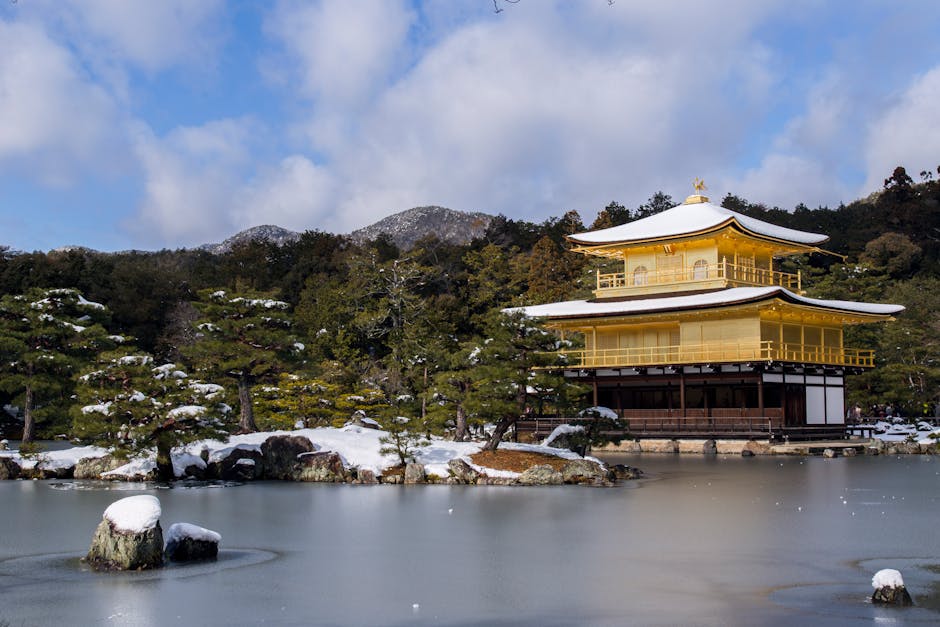
Winter in Japan isn’t just beautiful—it’s otherworldly. I’ll never forget my first winter morning in Kyoto, watching snow dust the golden pavilion like powdered sugar on a postcard. However, winter travel in Japan requires insider knowledge to avoid the rookie mistakes I made (like wearing cotton socks in Hokkaido—spoiler alert: bad idea).
| Quick Facts: Winter in Japan | |
|---|---|
| Best Months | December-March |
| Peak Season | December 25-January 7 |
| Average Temperature | 0-10°C (32-50°F) |
| Must-Have Item | Waterproof boots |
| Budget Impact | 20-30% higher during New Year |
- Why Winter Japan Travel Should Top Your 2026 List
- Essential Winter Japan Destinations and Hidden Gems
- Winter Japan Travel Planning: Timing and Transportation
- What to Pack for Winter Japan Travel
- Winter Food Experiences and Seasonal Specialties
- Winter Festivals and Cultural Events
- Staying Safe and Comfortable in Winter Japan
- Budget Planning for Winter Japan Travel
- 🗺️ Area Map
- Watch Before You Go
- What Travelers Say
Why Winter Japan Travel Should Top Your 2026 List
First things first: winter transforms Japan into a completely different country. The crowds thin out (except during New Year), prices drop, and you’ll experience Japan’s seasonal magic firsthand.
Winter brings unique experiences you simply can’t get other times of year. Think steaming hot springs surrounded by snow, illuminations that make Christmas markets look understated, and seasonal foods that’ll ruin you for hot pot anywhere else.
Pro Tip: Book accommodations early for December 29-January 3. Everything closes, and available hotels charge premium rates during Japan’s biggest holiday period.
The Magic of Japanese Winter Seasons
Japan doesn’t just have winter—it has distinct winter phases. December brings crisp air and early illuminations. January delivers proper snow and New Year festivities. February offers plum blossoms and fewer crowds. March teases spring while maintaining winter’s charm.
Each phase offers different experiences. Plan accordingly, and you’ll catch the best of winter Japan travel without the worst of the weather.

Essential Winter Japan Destinations and Hidden Gems
Sure, everyone knows about Kyoto’s snow-dusted temples. But let me share some winter gems that most tourists miss entirely.
Hokkaido: Beyond Sapporo Snow Festival
Yes, the Sapporo Snow Festival is incredible. However, Hokkaido’s real winter magic happens in smaller towns. Otaru’s canal district becomes a fairy tale under snow. Lake Toya offers ice fishing and hot springs with mountain views.
For something truly special, visit the Shiretoko Peninsula. The drift ice phenomena creates an alien landscape that photographers travel thousands of miles to capture.
Book a Hokkaido winter tour here to access remote locations safely.
Takayama and Shirakawa-go: Postcard Perfect Villages
These UNESCO World Heritage villages look like gingerbread houses under snow. The traditional thatched-roof farmhouses (called gassho-zukuri) were literally designed to handle heavy snowfall.
Stay overnight in a farmhouse ryokan. You’ll wake up to views that’ll make your Instagram followers incredibly jealous.
Pro Tip: Visit Shirakawa-go on weekday mornings to avoid tour bus crowds. The village opens early, and morning light on snow-covered roofs is pure magic.
Nagano: Hot Springs and Snow Monkeys
Jigokudani Monkey Park offers the famous sight of Japanese macaques soaking in hot springs. It’s touristy, yes, but genuinely spectacular in winter when snow frames everything.
The nearby town of Yamanouchi offers excellent onsen experiences without monkey crowds. After hiking through snow to see the monkeys, nothing beats a soak in mineral-rich hot springs.

Winter Japan Travel Planning: Timing and Transportation
Transportation in winter Japan requires different strategies than summer travel. Snow affects schedules, especially in mountainous regions.
Best Times to Visit Japan in Winter
December 1-20: Mild winter weather, Christmas illuminations, manageable crowds. Perfect for first-time winter visitors.
December 21-January 7: Peak season with New Year festivities but higher prices and crowds. Book everything months ahead.
January 8-February: True winter with reliable snow, fewer crowds, better prices. My personal favorite time for authentic winter experiences.
February-March: Late winter transitioning to early spring. Plum blossoms start, but snow remains in northern regions.
Getting Around Japan in Winter
The JR Pass becomes even more valuable in winter. Shinkansen trains run on schedule regardless of snow (Japanese efficiency at its finest), while local transportation might face delays.
Keep in mind that some mountain routes close entirely during heavy snow periods. Check regional transportation websites before traveling to remote areas.
Pro Tip: Download offline maps before traveling to snowy regions. Cell service can be spotty, and snow-covered signs become unreadable quickly.

What to Pack for Winter Japan Travel
I learned this the hard way: Japanese winter requires layering strategy, not just warm clothes. My first winter, I packed like I was going to Minnesota. Big mistake.
Essential Winter Clothing for Japan
Start with moisture-wicking base layers (merino wool works perfectly). Add insulating mid-layers you can remove indoors—Japanese heating is serious business.
Your outer layer should be waterproof and windproof. Japanese snow tends to be wet and heavy, especially in coastal areas.
Footwear deserves special attention. Waterproof boots with good traction are non-negotiable. I’ve watched countless tourists slip on icy temple steps wearing inappropriate shoes.
Winter Accessories That Actually Matter
Pack extra gloves—you’ll lose them. Bring a warm hat that covers your ears completely. Scarves aren’t just fashion; they’re functional protection against wind.
Hand warmers (kairo) are available everywhere in Japan, but bring a few from home for your first day. Trust me on this one.
Pro Tip: Pack an extra set of warm clothes in your day bag. Weather changes quickly in Japanese mountains, and being caught unprepared isn’t fun.
Winter Food Experiences and Seasonal Specialties
Winter food in Japan goes far beyond ramen (though the ramen is incredible). Seasonal specialties appear only during cold months, making winter the best time for food adventures.
Must-Try Winter Foods in Japan
Nabe (hot pot) becomes an art form in winter. Each region has distinctive styles—from hearty chanko nabe (sumo wrestler stew) in Tokyo to delicate yudofu (tofu hot pot) in Kyoto.
Oden, the convenience store winter staple, sounds unappetizing but tastes like comfort food heaven. Various ingredients simmer in savory broth at every konbini.
Don’t miss winter-only sweets like imagawayaki (stuffed pancakes) from street vendors. They’re perfect for warming cold hands while exploring winter illuminations.
Warming Drinks Beyond Green Tea
Vending machines stock hot drinks year-round, but winter brings special seasonal offerings. Shiruko (sweet red bean soup) from vending machines sounds weird but tastes like liquid warmth.
Hot sake takes on new meaning in winter Japan. Many breweries offer winter-only varieties designed for cold weather consumption.
Join a winter food tour to discover seasonal specialties you’d never find alone.
Pro Tip: Department store basement food courts (depachika) showcase the best seasonal winter foods. It’s like a winter food festival under one roof.
Winter Festivals and Cultural Events
Winter festivals in Japan range from internationally famous spectacles to tiny local celebrations. Both types offer incredible experiences for different reasons.
Major Winter Festivals Worth Planning Around
Sapporo Snow Festival (early February) draws millions of visitors to see massive snow sculptures. However, smaller snow festivals throughout Hokkaido offer similar experiences without overwhelming crowds.
Jozankei Snow Light Festival creates magical illuminated pathways through snowy landscapes. It runs concurrent with Sapporo’s festival but feels completely different.
New Year (Oshogatsu) celebrations happen nationwide. Temple visits (hatsumode) on January 1-3 show Japanese culture at its most traditional.
Local Winter Celebrations
Small town winter festivals often provide more authentic experiences than major events. Kamakura festivals in rural areas let you sit inside snow houses while eating local specialties.
Many onsen towns hold winter illumination events that combine hot springs with light displays. These events rarely appear in guidebooks but create unforgettable memories.
Staying Safe and Comfortable in Winter Japan
Winter safety in Japan isn’t just about staying warm—it’s about navigating cultural expectations while dealing with challenging weather conditions.
Health and Safety Tips
Japanese buildings alternate between frigid outdoors and overheated indoors. This temperature variation affects your immune system, so dress in removable layers.
Dry winter air causes dehydration faster than you’d expect. Drink water consistently, even when you don’t feel thirsty.
Consider travel insurance that covers winter sports activities if you plan skiing or snowboarding adventures.
Cultural Considerations
Remove shoes and coats immediately upon entering any building. Wet outerwear dripping on floors violates Japanese cleanliness standards.
Many temples and traditional buildings lack heating. Respect photography rules even when your fingers are too cold to operate camera buttons properly.
Pro Tip: Carry a small towel for wiping wet shoes and belongings. It shows cultural awareness and practical preparation—very Japanese thinking.
Budget Planning for Winter Japan Travel
Winter Japan travel costs vary dramatically by timing and region. Understanding seasonal price patterns helps maximize your budget effectiveness.
Seasonal Price Variations
Accommodation prices spike 200-300% during New Year week (December 29-January 3). However, January 8-February offers some of the year’s best hotel deals.
Transportation costs remain stable, making winter an excellent time to maximize your JR Pass value through longer-distance travel.
Food costs actually decrease in winter due to seasonal vegetables and less tourist-focused pricing in many regions.
That said, heating costs show up in accommodation bills, and winter clothing purchases can surprise budget-conscious travelers.
Finally, winter Japan travel offers experiences impossible during any other season. From snow-covered temples to steaming hot springs, seasonal foods to unique festivals, winter reveals Japan’s quieter, more contemplative character. The country that amazes visitors year-round becomes something almost mystical under winter’s transforming touch.
📚 Related Articles
When is the best time to visit Japan in winter?
January 8-February offers the best balance of authentic winter weather, manageable crowds, and reasonable prices. December 1-20 works well for mild winter experiences, while December 21-January 7 brings peak season crowds but maximum cultural experiences.
How cold does Japan get in winter?
Temperatures vary by region. Tokyo averages 5-10°C (40-50°F), Kyoto drops to 2-8°C (35-45°F), while Hokkaido can reach -10°C (14°F) or lower. Coastal areas stay warmer but windier than inland regions.
What should I pack for winter in Japan?
Layer-friendly clothing is essential: moisture-wicking base layers, insulating mid-layers, and waterproof outer shells. Waterproof boots, warm gloves, and wind-resistant hats are non-negotiable. Pack extra accessories—you’ll lose gloves guaranteed.
Are trains reliable in Japanese winter weather?
Shinkansen bullet trains run on schedule regardless of snow conditions. Local trains might face minor delays during heavy snowfall, but Japan’s transportation system handles winter weather exceptionally well compared to most countries.
Is winter Japan travel more expensive?
Costs spike during New Year week but drop significantly in January-February. Accommodation varies most dramatically, while food and transportation remain relatively stable. Budget 20-30% more for New Year period, 10-15% less for late January-February travel.
🗺️ Area Map
🗺️ Interactive Map
Watch Before You Go
Watch Before You Go: ULTIMATE Japan Winter Guide 2025: Travel Tips & Must-See Spots!!
What Travelers Say
“Winter transforms Japan into a wonderland of snow-capped temples, steaming hot springs, and world-class powder skiing. From the illuminated streets of Tokyo to the fairy-tale landscapes of Shirakawa-go, the country offers a magical experience that’s arguably more enchanting than any other season.”
“Just returned from two weeks in Japan during February and it was absolutely incredible! The crowds were so much smaller than I expected, the hot springs felt amazing after cold days exploring, and seeing the snow monkeys in Nagano was a once-in-a-lifetime experience.”
コメント