📰 Latest News & Updates
- HYPOCRITE IDLER 1Q2026 — Hilobrow.com, 2026-03-27
- My Habits For (Almost) Limitless Energy | Simon Alexander Ong | 121 — Nathanbarry.com, 2026-03-26
- Nintendo Download: 26th March (North America) — Nintendo Life, 2026-03-26
Summer in Japan is like dating someone absolutely stunning who also happens to run extremely hot — literally. When I first arrived in Tokyo one sweltering July morning, I thought I was prepared. I wasn’t. However, once you master the art of summer survival here, you’ll discover a Japan that’s bursting with festivals, fireworks, and unforgettable experiences that make the humidity absolutely worth it.
Let me share everything I’ve learned about navigating Japan’s summer season, from the essential survival tactics to the hidden gems that locals whisper about.
| Quick Summer Japan Facts | Details |
|---|---|
| Best Months | June-August (peak season) |
| Average Temperature | 25-35°C (77-95°F) |
| Humidity Level | 70-80% (prepare to melt) |
| Peak Festival Season | July-August |
| Rainy Season | Early June-mid July |
| Best Regions | Hokkaido, mountain areas |
- Understanding Japan’s Summer Climate
- Essential Summer Japan Travel Tips
- Best Destinations for Summer Japan Travel
- Summer Festivals and Cultural Events
- Food and Dining in Summer Japan
- Transportation and Getting Around
- Budget Planning for Summer Japan Travel
- Planning Your Summer Japan Itinerary
- Conclusion: Embracing Japan’s Summer Intensity
- 🗺️ Area Map
- Watch Before You Go
- What Travelers Say
Understanding Japan’s Summer Climate
The Reality of Japanese Summer Heat
Japanese summer isn’t just hot — it’s a full-contact sport between you and the elements. The combination of soaring temperatures and crushing humidity creates what I like to call “walking through soup weather.” Most of Honshu experiences temperatures between 30-35°C (86-95°F) with humidity levels that make stepping outside feel like entering a steam room.
The rainy season (tsuyu) kicks off the summer drama in early June. For example, you might experience three weeks of daily downpours followed immediately by blazing sunshine. This weather whiplash actually serves a purpose — it’s nature’s way of preparing you for the intensity ahead.
Pro Tip: Download a Japanese weather app like Tenki.jp. Japanese weather forecasts are incredibly detailed, including humidity percentages and “feels like” temperatures that Western apps often miss.
Regional Variations Across Japan
Not all of Japan melts equally during summer. Hokkaido remains pleasantly cool with temperatures rarely exceeding 25°C (77°F). Meanwhile, cities like Kyoto and Tokyo turn into urban ovens where concrete and crowds amplify the heat.
Mountain regions offer blessed relief. Areas like Hakone, Nikko, and the Japan Alps provide temperatures 5-10 degrees cooler than sea level. Coastal areas benefit from ocean breezes, though the humidity can still be intense.
Essential Summer Japan Travel Tips
Mastering the Art of Staying Cool
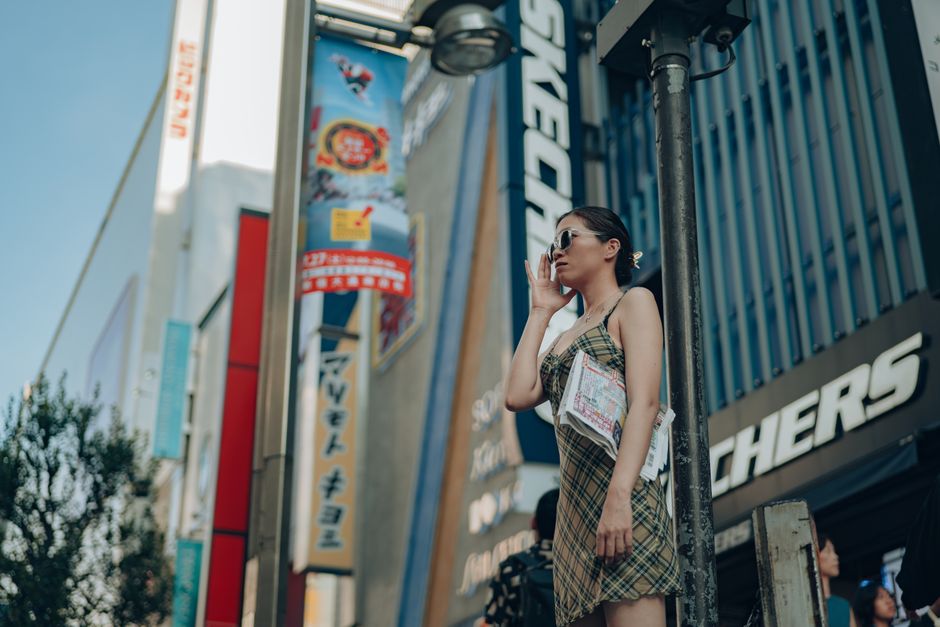
I made the rookie mistake of wearing jeans on my first Tokyo summer day. Big mistake. Cotton and linen become your best friends, while anything synthetic will turn you into a walking sauna. Japanese convenience stores sell cooling towels, portable fans, and freeze-packs that locals swear by.
Air conditioning in Japan is aggressive and wonderful. Department stores, trains, and malls become your refuges. However, the temperature shock between 35°C streets and 18°C interiors can be jarring. Bring a light layer for indoor spaces.
Pro Tip: Carry a small towel (tenugui) like locals do. You’ll use it constantly to wipe sweat, and it’s considered perfectly normal — everyone does it.
Hydration and Health Strategies
Vending machines are everywhere for a reason. Japanese summers can lead to heat exhaustion quickly, especially for visitors not accustomed to the humidity. Sports drinks like Pocari Sweat (yes, that’s the actual name) are specifically formulated for Japanese climate conditions.
Pharmacies sell cooling patches for your forehead and neck. They’re not just gimmicks — they genuinely help. Consider travel insurance from SafetyWing before your trip, as heat-related medical issues are more common than you’d expect.

Best Destinations for Summer Japan Travel
Cool Mountain Escapes
When Tokyo feels like a furnace, head for higher ground. Mount Fuji’s surrounding areas offer hiking trails and cooler temperatures. The Fuji Five Lakes region stays 10-15 degrees cooler than Tokyo, making it perfect for outdoor activities.
Nikko provides stunning temples, waterfalls, and mountain air just two hours from Tokyo. Lake Chuzenji offers boat rides and hiking trails where you can actually breathe. Hakone combines hot springs with cooler mountain weather — the perfect combination for summer relaxation.
Book mountain region tours through Viator to maximize your time and transportation efficiency.
Pro Tip: Book mountain accommodations early. Japanese families flock to cooler areas during summer, and availability disappears quickly, especially on weekends.
Hokkaido: Japan’s Summer Paradise
Hokkaido in summer is Japan’s best-kept secret. While the rest of the country swelters, Sapporo enjoys perfect 20-25°C weather. Lavender fields in Furano bloom spectacularly, and seafood is at its peak freshness.
Festivals abound without the crushing heat. The Sapporo Summer Festival transforms the city into an outdoor party zone. Road trips become feasible again, and hiking doesn’t feel like a survival challenge.
Coastal Cities and Island Getaways
Okinawa might sound counterintuitive for summer travel, but ocean breezes and consistent temperatures (without mainland humidity spikes) make it surprisingly pleasant. Beach activities and water sports provide natural cooling.
Kamakura offers beach access just an hour from Tokyo. The coastal breeze makes temple visits bearable, and beach activities provide relief from sightseeing fatigue.

Summer Festivals and Cultural Events
The Magic of Japanese Summer Festivals
Japanese summer festivals (matsuri) are worth enduring the heat. These aren’t just events — they’re cultural immersion experiences that showcase Japan’s community spirit. Firework festivals (hanabi taikai) light up the night sky while food stalls serve festival favorites like yakitori and shaved ice.
Tokyo’s Sumida River Fireworks Festival draws nearly a million people. Gion Matsuri in Kyoto spans the entire month of July. Each festival has unique traditions, from portable shrine processions to traditional dance performances.
Find festival tours and cultural experiences through GetYourGuide to ensure you don’t miss these once-in-a-lifetime moments.
Pro Tip: Arrive at festivals early morning to secure good viewing spots, especially for fireworks. Bring a portable chair and plenty of water — you’ll be waiting in crowds for hours.
Festival Etiquette and Participation
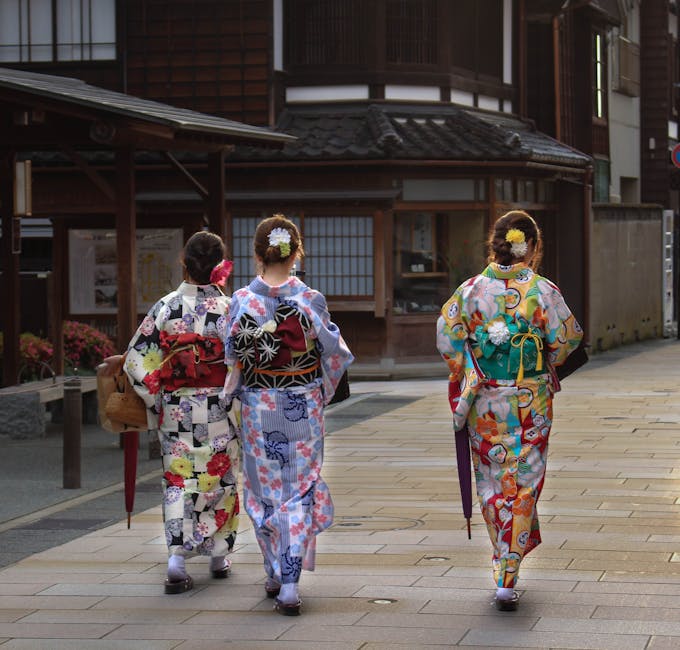
Participating in festivals requires understanding basic etiquette. Dress modestly despite the heat. Yukata (summer kimono) are encouraged and rental shops near festival sites offer complete outfits.
Food stall etiquette involves ordering clearly and having exact change ready. Lines move quickly, and patience is essential. Festival foods are designed for the heat — shaved ice, cold noodles, and chilled drinks dominate menus.
Food and Dining in Summer Japan
Summer Seasonal Specialties
Japanese cuisine adapts brilliantly to summer heat. Cold soba and somen noodles become lifesavers on scorching days. Kaiseki restaurants feature summer ingredients like ayu sweetfish and fresh cucumber dishes designed to cool your body temperature.
Kakigori (shaved ice) reaches art form status in Japan. Department store food courts offer elaborate versions with fresh fruit, condensed milk, and unique flavors. It’s not just dessert — it’s heat survival strategy.
Beer gardens (biiru gaaden) pop up on rooftops across major cities. These outdoor dining spaces offer all-you-can-eat-and-drink deals perfect for evening socializing when temperatures finally drop.
Pro Tip: Try nama-biru (draft beer) at convenience stores. The quality rivals many restaurants, it’s incredibly cheap, and you can drink it immediately while walking — perfectly legal in Japan.
Staying Safe with Summer Foods
Food safety becomes crucial in Japanese summer heat. Stick to busy restaurants with high turnover. Convenience store food is surprisingly safe due to strict temperature controls and frequent restocking.
Street food at festivals undergoes rigorous safety standards, but choose stalls with long lines — high turnover means fresher food. Avoid mayo-based dishes that have been sitting in heat for extended periods.
Transportation and Getting Around
Navigating Japan’s Summer Transport System
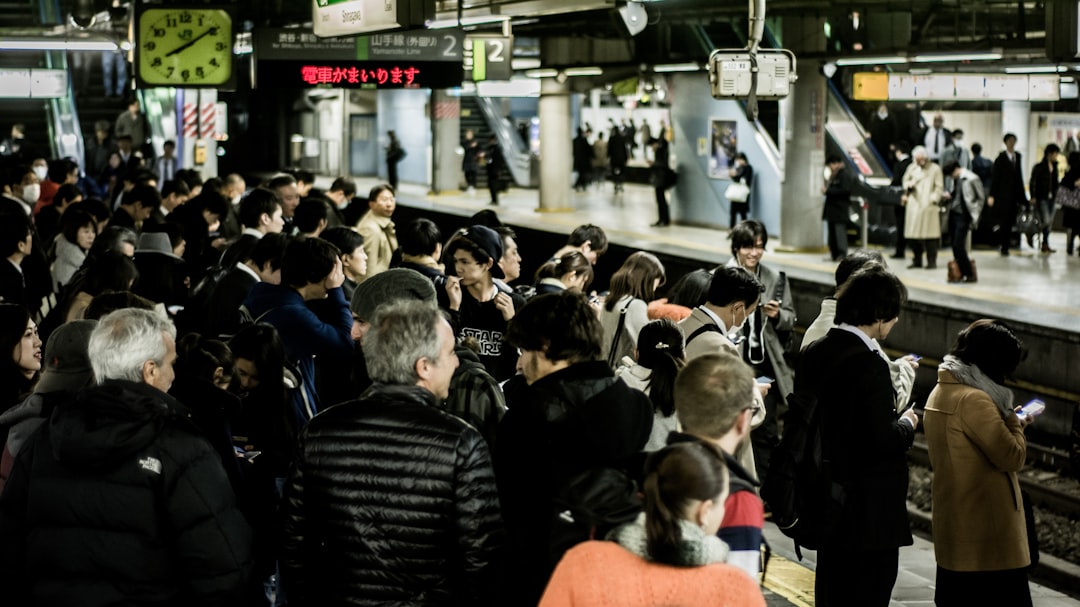
Japan’s transportation system becomes your climate-controlled salvation during summer. Trains offer blessed air conditioning relief, though rush hour crowds in summer heat test everyone’s patience. The famous punctuality means you can time your journeys to minimize outdoor exposure.
Shinkansen bullet trains provide the most comfortable way to travel long distances. Book your JR Pass before arriving to save significantly on transportation costs. The trains maintain perfect temperatures while covering vast distances quickly.
Subway systems in major cities become underground refuges. You can walk between stations underground in many areas, avoiding surface heat entirely.
Pro Tip: Avoid 15:00-16:00 travel times when possible. This is typically the day’s hottest period, and platforms can become unbearably hot despite covered areas.
Walking and Outdoor Navigation
Walking in summer Japan requires strategy. Underground passages connect major areas in cities like Tokyo and Osaka. Department stores often connect via underground walkways, creating air-conditioned routes between destinations.
Plan outdoor sightseeing for early morning (before 9:00 AM) or evening (after 6:00 PM). Midday temple visits can become endurance tests rather than spiritual experiences.
Budget Planning for Summer Japan Travel
Summer Season Pricing
Summer is peak season, meaning premium prices across accommodation, flights, and attractions. However, the abundance of festivals and activities provides value for your higher costs. Domestic tourism peaks during Obon week (mid-August), driving prices even higher.
Budget for cooling costs — more drinks, ice cream, and air-conditioned transport breaks than you’d expect. Convenience store spending doubles in summer due to constant hydration needs.
Festival participation is often free, but food and drinks add up quickly. Budget ¥3,000-5,000 per person for festival food and beverages.
Money-Saving Summer Strategies
Free cooling centers (kūringu sentā) operate in major cities during extreme heat. Libraries, city halls, and community centers welcome visitors to escape the heat while experiencing local culture.
Department store food courts offer affordable, air-conditioned dining with incredible variety. Many stores provide free samples throughout the day — not a meal replacement, but helpful for budget travel.
Pro Tip: Convenience store loyalty programs offer discounts on drinks and ice cream. Sign up at 7-Eleven or FamilyMart for immediate savings on your most-purchased summer items.
Planning Your Summer Japan Itinerary
Creating a Heat-Smart Schedule
Successful summer Japan travel requires embracing flexibility. Plan indoor activities during peak heat hours (11:00 AM-4:00 PM). Museums, shopping centers, and cultural sites with air conditioning become your midday destinations.
Evening activities shine in summer Japan. Night markets, illuminated gardens, and evening festivals provide cultural experiences without daytime heat stress. Many attractions extend hours during summer specifically for this reason.
Build rest days into your itinerary. Summer travel in Japan is more physically demanding than other seasons, and fatigue accumulates quickly in high heat and humidity.
Must-Do Summer Experiences
Beyond surviving the heat, summer offers unique experiences unavailable other times of year. Firefly viewing in rural areas creates magical evenings. Beach fireworks festivals combine ocean breezes with spectacular displays.
Mountain hiking becomes accessible as snow melts reveal pristine trails. Alpine flowers bloom briefly but spectacularly during summer months. Hot spring visits feel refreshing rather than overwhelming when contrasted with outdoor temperatures.
Looking ahead to 2026, Japan continues expanding summer tourism infrastructure, with more cooling centers and extended attraction hours planned for international visitors.
Conclusion: Embracing Japan’s Summer Intensity
Summer in Japan challenges you physically while rewarding you culturally in ways no other season can match. Yes, you’ll sweat more than you thought humanly possible. Yes, you’ll discover muscles you forgot you had from constantly seeking air-conditioned refuge. However, you’ll also witness Japan at its most vibrant and communal.
The festivals, the food, the incredible hospitality of people enduring the same heat alongside you — these create memories that last long after your clothes finally stop sticking to your back. Summer Japan travel isn’t just about seeing the country; it’s about experiencing the resilience and joy of Japanese culture during its most challenging season.
Pack light, stay hydrated, embrace the sweat, and prepare for an adventure that will redefine your relationship with both heat and Japanese culture. Trust me — attempting to eat ramen quietly while sweating profusely is Japan’s ultimate tourist challenge, and you will fail spectacularly. But that’s exactly what makes it unforgettable.
📚 Related Articles
What’s the best time to visit Japan in summer?
Late June through August offers the full summer experience with festivals and events, though July-August is hottest. Early June provides milder weather but includes rainy season. For cooler temperatures, focus on Hokkaido or mountain regions throughout summer.
How should I dress for summer in Japan?
Light, breathable fabrics like cotton and linen work best. Avoid synthetic materials that trap heat. Bring layers for air-conditioned indoor spaces. Comfortable walking shoes are essential, and a small towel for sweat is culturally normal and practical.
Are summer festivals worth the crowds and heat?
Absolutely. Japanese summer festivals offer cultural experiences unavailable other times of year. The community atmosphere, food, and traditions make temporary discomfort worthwhile. Arrive early, stay hydrated, and embrace the authentic local experience.
What are the biggest challenges of summer travel in Japan?
High temperatures (30-35°C/86-95°F), intense humidity (70-80%), and peak season crowds and pricing. Heat exhaustion risk increases, and outdoor sightseeing becomes more challenging during midday hours. Proper preparation and flexible scheduling help significantly.
Is Japan expensive to visit during summer?
Summer is peak season with higher accommodation and flight prices. However, many festivals are free, and the abundance of activities provides good value. Budget extra for cooling costs like drinks, air-conditioned transport, and indoor attractions during heat breaks.
🗺️ Area Map
🗺️ Interactive Map
Watch Before You Go
Watch Before You Go: Japan 2026: Japan Summer Planning Guide
What Travelers Say
“Summer in Japan offers an intoxicating blend of vibrant festivals, lush landscapes, and cultural immersion despite the notorious heat and humidity. From the ethereal beauty of Hokkaido’s lavender fields to the electric energy of Tokyo’s summer matsuri, this season showcases Japan at its most dynamic and colorful.”
“Visited Japan in July 2023 and yes, it’s hot and humid, but absolutely worth it for the incredible summer festivals alone! The fireworks displays were spectacular and we loved cooling off with kakigori shaved ice and exploring the beautiful temple gardens early in the morning before the crowds arrived.”
コメント