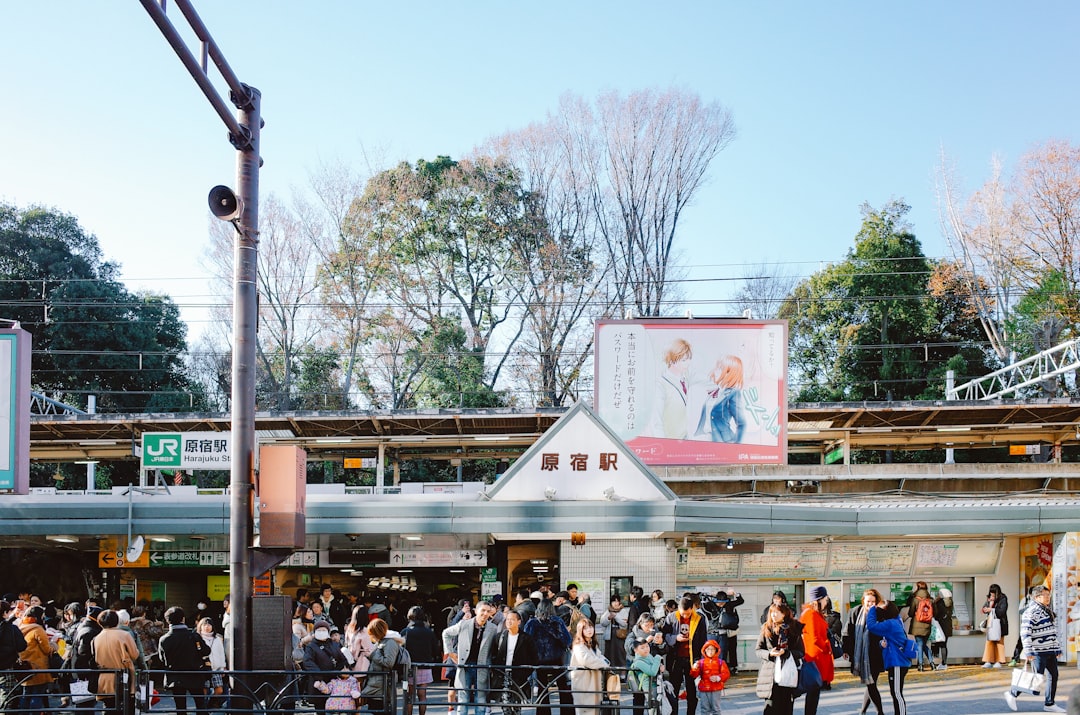
Picture this: You’re standing in downtown Tokyo at 6 AM, clutching a steaming coffee from 7-Eleven (trust me, it’s surprisingly good), watching 38,000 runners thunder past iconic landmarks. Welcome to the Tokyo Marathon — one of the world’s most spectacular running events and an absolute feast for spectators.
As someone who’s cheered runners through multiple Tokyo Marathons, I can tell you this isn’t just about athletics. It’s a cultural immersion course disguised as a sporting event. The energy is infectious, the organization is mind-blowingly efficient, and yes, you’ll probably end up bowing to random volunteers by the end of the day.
| Quick Facts | Details |
|---|---|
| Date | First Sunday in March (March 2, 2025; March 1, 2026) |
| Start Time | 9:10 AM (Mass start) |
| Course Length | 42.195 km through central Tokyo |
| Participants | ~38,000 runners |
| Best Viewing | Tokyo Station, Asakusa, Tokyo Tower areas |
| Free to Watch | All spectator areas are completely free |
- Understanding the Tokyo Marathon Spectator Experience
- Best Tokyo Marathon Spectator Viewing Spots
- Getting Around Tokyo on Marathon Day
- What to Bring as a Tokyo Marathon Spectator
- Cultural Etiquette for Tokyo Marathon Spectators
- Food and Refreshments Along the Marathon Route
- Planning Your Tokyo Marathon Spectator Trip
- Making the Most of Your Tokyo Marathon Experience
- Frequently Asked Questions
- 🗺️ Area Map
- Watch Before You Go
- What Travelers Say
Understanding the Tokyo Marathon Spectator Experience
The Tokyo Marathon isn’t just a race — it’s a citywide celebration. Unlike marathons where spectators cluster at the start and finish, this event transforms the entire 42-kilometer route into one giant block party. However, don’t expect the raucous atmosphere of Boston or New York. This is Japan, where even cheering is done with remarkable politeness.
First, let’s talk timing. The marathon happens every first Sunday in March, which means you’re looking at cool but comfortable weather. Perfect for standing outside for hours without melting into a puddle or freezing your enthusiasm solid.
Pro Tip: Download the Tokyo Marathon app before race day. It shows real-time runner tracking and crowd density at different viewing spots — basically your GPS for avoiding human traffic jams.
What Makes Tokyo Marathon Special for Spectators
The volunteers alone are worth the trip. These folks treat marathon day like a national holiday, complete with choreographed cheering routines and signs in multiple languages. I once saw a grandmother who’d clearly been practicing her “You can do it!” in English for weeks — adorable doesn’t begin to cover it.
Moreover, the course winds through Tokyo’s greatest hits: imperial gardens, modern skyscrapers, traditional neighborhoods, and that Instagram-perfect Tokyo Tower shot everyone’s after. It’s like a guided city tour, except the guides are wearing running shoes and looking slightly desperate around kilometer 30.

Best Tokyo Marathon Spectator Viewing Spots
After years of trial and error (and sore feet), I’ve identified the prime real estate for marathon watching. Each spot offers something different, so choose based on your priorities: photos, atmosphere, or easy bathroom access (surprisingly important after that morning coffee).
Tokyo Station Area (Kilometers 10-11)
This is where the runners are still fresh and the energy is electric. The backdrop of Tokyo Station’s historic red brick facade creates stunning photos, especially if you arrive early for a good position. The area gets crowded quickly, but the infrastructure can handle it.
Transportation is a dream — literally every train line in Tokyo seems to stop here. Just follow the crowds wearing marathon gear, and you’ll find yourself in the right place. Keep in mind that some station exits might be temporarily restricted on race day.
Asakusa and Sensoji Temple (Kilometers 18-20)
Here’s where culture meets cardio. Watching runners pass by one of Tokyo’s oldest temples while monks occasionally ring ceremonial bells? That’s the kind of moment that makes your Instagram followers genuinely jealous instead of just politely double-tapping.
The area offers excellent amenities too. Traditional food stalls set up early, selling everything from taiyaki to hot sake (for spectators only, obviously). The streets are wider here, meaning better viewing angles and less elbow-to-elbow combat for position.
Pro Tip: Arrive at Asakusa by 8 AM to snag a spot near the temple gates. The morning light hitting the pagoda with runners streaming past is pure photography gold.
Tokyo Tower Vicinity (Kilometers 28-30)
This is marathon watching’s equivalent of front-row seats at a concert. Tokyo Tower looming overhead, runners entering the challenging final stretch, and that perfect blend of urban sophistication and human drama. Fair warning: this is where the real race begins as runners hit the dreaded wall.
The emotional intensity here is palpable. You’ll witness personal triumphs, crushing defeats, and everything in between. Bring tissues — not just for the March breeze, but for the unexpected tears when you watch someone’s dream unfold in real time.

Getting Around Tokyo on Marathon Day
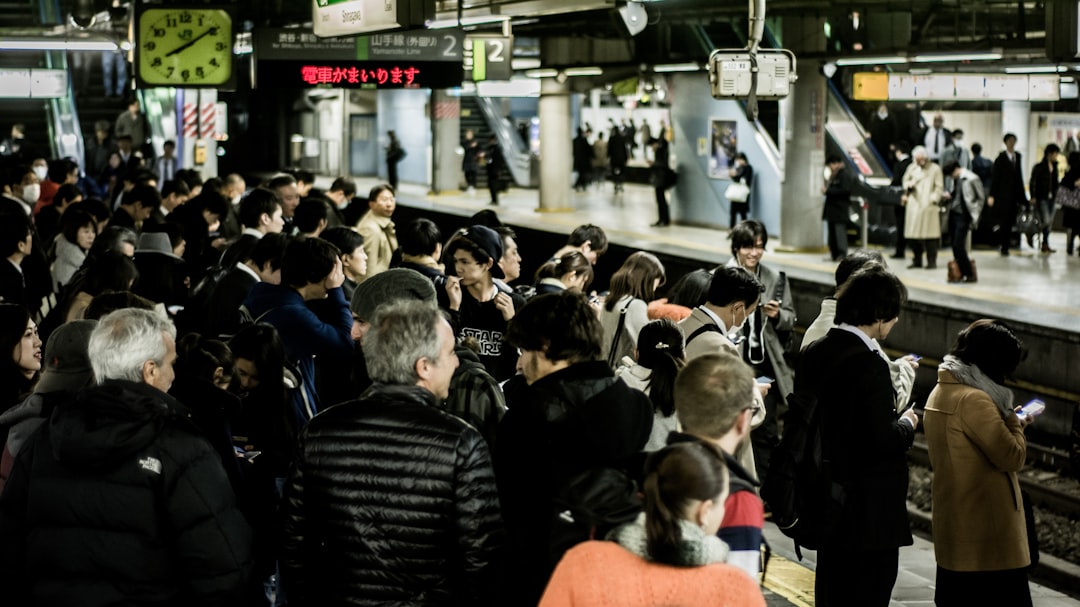
Marathon day transforms Tokyo’s transportation system into a beautiful chaos. The good news? Japanese efficiency means this chaos is remarkably well-organized. The challenging news? You’ll be sharing trains with 200,000+ other spectators and participants.
Most train lines run special early services starting around 6 AM. However, expect delays and crowded platforms near popular viewing areas. The JR Pass becomes invaluable here, letting you hop between viewing spots without fumbling for individual tickets.
Smart Transportation Strategies
Plan your spectating route along the train lines, not against them. Moving from Tokyo Station to Asakusa to Tokyo Tower follows natural transportation flow. Fighting upstream through station crowds while carrying a camera and snacks ranks somewhere between frustrating and nightmarish.
Consider walking between nearby viewing spots instead of taking trains. The marathon course itself is mostly accessible to pedestrians, and you’ll discover amazing photo opportunities along the way. Plus, walking lets you appreciate how far these runners actually travel — spoiler alert: it’s really, really far.
Pro Tip: Download Google Translate’s camera function before marathon day. Train announcements increase dramatically, and being able to translate delay notices in real-time saves both confusion and panic.

What to Bring as a Tokyo Marathon Spectator
Packing for marathon spectating is an art form. Too little, and you’re miserable by kilometer 20. Too much, and you’re dragging a suitcase through Tokyo’s crowded streets like the world’s most unprepared tourist.
Essential Items for Marathon Day
Start with layers. March in Tokyo plays temperature roulette — chilly at 7 AM, perfect by 10 AM, potentially warm by afternoon. A light jacket you can tie around your waist becomes your best friend. Comfortable shoes are non-negotiable unless you enjoy foot pain as entertainment.
Bring a portable phone charger. You’ll be taking photos, checking runner tracking apps, and probably getting slightly lost at least once. Dead phone battery plus marathon-day crowd confusion equals a recipe for stress that no amount of zen meditation can fix.
Pack snacks and water, but don’t overdo it. Convenience stores line the route, offering everything from onigiri to hot coffee. However, having emergency snacks prevents hangry spectating — nobody wants to be grumpy while watching people achieve their dreams.
Photography and Memory-Making Gear
A good camera or smartphone with decent zoom transforms spectating from passive watching to active participation. You might catch someone’s finish line photo or capture that perfect shot of runners streaming past Tokyo landmarks.
Consider bringing a small folding chair if you’re planning to claim territory early. Japanese spectators often bring elaborate setups — you’ll see everything from camping chairs to custom banners. Don’t feel obligated to match their preparation level, but a little comfort goes a long way during a 6+ hour event.
Pro Tip: Bring a small sign with encouraging messages in both English and Japanese. Runners notice, appreciate the effort, and you might end up in someone’s race photos — instant friendship across language barriers.
Cultural Etiquette for Tokyo Marathon Spectators
Watching the Tokyo Marathon offers a masterclass in Japanese crowd behavior. Everyone’s excited, but excitement is expressed through organized cheering, polite positioning, and the kind of orderly enthusiasm that makes you question why other countries can’t organize events this smoothly.
Spectator Behavior Guidelines
Cheering is encouraged, but remember you’re not at a rock concert. Supportive clapping, encouraging shouts, and enthusiastic sign-waving are perfect. Air horns and screaming like your team just won the World Cup might earn you some concerned glances from nearby Japanese spectators.
Respect personal space even when crowds get thick. Japanese culture values orderly queuing and consideration for others, even in exciting situations. If someone was standing in a spot before you arrived, don’t try to muscle in front — karma has a way of working itself out over 42 kilometers.
Photography etiquette matters too. Taking photos of runners is completely fine — it’s a public event. However, be mindful of other spectators when positioning yourself for shots. That perfect Instagram angle isn’t worth blocking someone’s view who’s been waiting hours to see their friend pass by.
Interacting with Volunteers and Officials
Marathon volunteers are treated like celebrities in Japan, and rightfully so. These folks wake up at ungodly hours to make the event spectacular. A simple “arigato gozaimasu” (thank you very much) when they help with directions or crowd management goes incredibly far.
If you need help, approach volunteers wearing official marathon gear rather than random spectators. Most volunteers have basic English phrases ready, and many carry translation devices. They’re genuinely eager to help foreign visitors have a positive experience.
Pro Tip: Learn to say “ganbatte” (do your best) in Japanese. It’s the perfect spectator cheer, culturally appropriate, and runners absolutely light up when foreign spectators use it correctly.
Food and Refreshments Along the Marathon Route
One of Tokyo Marathon’s unexpected pleasures is the food scene that pops up along the route. This isn’t just about grabbing a quick snack — it’s a mobile food festival showcasing everything from traditional Japanese treats to international crowd-pleasers.
Convenience stores become absolute lifesavers on marathon day. 7-Eleven, FamilyMart, and Lawson locations along the route stock up specifically for the event. Their hot food sections offer surprisingly good breakfast options, and their coffee deserves respect (yes, even from a convenience store).
Traditional Japanese Marathon Day Foods
Street food vendors set up early along popular spectator areas. Look for taiyaki (fish-shaped pastries filled with sweet red bean paste) and imagawayaki (round pancakes with various fillings). These aren’t just snacks — they’re edible cultural experiences that happen to taste amazing on a cool March morning.
Hot drinks become essential as the morning progresses. Vending machines every few blocks offer everything from hot coffee to amazake (sweet rice drink) to warm tea. The variety is staggering, and yes, you will become slightly obsessed with trying different options throughout the day.
Many local restaurants open early on marathon day, offering special breakfast sets for spectators. It’s worth researching options near your chosen viewing spots — nothing beats watching runners while enjoying a proper Japanese breakfast with hot rice, miso soup, and grilled fish.
Pro Tip: Try the marathon-day special bento boxes sold near major viewing areas. They’re designed specifically for spectators — easy to eat while standing, no mess, and packed with energy to keep you going all morning.
Planning Your Tokyo Marathon Spectator Trip
Building a Japan trip around Tokyo Marathon creates the perfect blend of athletic excitement and cultural exploration. However, planning requires more strategy than your typical vacation — you’re competing with thousands of other visitors for the same hotels, restaurants, and experiences.
Book accommodations early, preferably by the previous October. Marathon weekend is one of Tokyo’s busiest periods, and prices reflect demand accordingly. Consider staying in areas with easy train access to multiple marathon viewing spots rather than just proximity to one location.
Pre and Post Marathon Activities
The days surrounding marathon weekend offer fantastic opportunities for deeper Japan exploration. Many visitors use this as their introduction to Japanese culture, then extend their trip to other cities like Kyoto or Osaka using the efficient rail system.
Consider booking a guided Tokyo tour for the day after the marathon. You’ll have newfound appreciation for the distances involved after watching the race, plus local guides can provide context for the areas you observed during the event.
Marathon weekend also coincides with early cherry blossom season preparation. While full blooms typically arrive later in March, you might catch early varieties beginning to flower — bonus points for timing your trip perfectly.
Travel Insurance and Safety Considerations
Large events like Tokyo Marathon involve crowds, early morning travel, and lots of walking. Comprehensive travel insurance provides peace of mind for medical issues, travel delays, or unexpected changes to your plans.
Marathon day security is thorough but unobtrusive. Arrive at viewing spots with valid ID and expect bag checks at some locations. The process is efficient and polite — very much in keeping with Japanese customer service standards that make you wonder why other countries can’t achieve the same level.
Pro Tip: Download offline maps of Tokyo before marathon day. Cell towers get overwhelmed during the event, and having navigation that works without internet prevents stress when you’re trying to navigate between viewing spots.
Making the Most of Your Tokyo Marathon Experience
Spectating at Tokyo Marathon isn’t passive entertainment — it’s participatory culture. The energy is contagious, the organization is impressive, and the human stories unfolding before you create memories that last far longer than typical tourist attractions.
Embrace the early morning start. Yes, 6 AM feels brutal when you’re on vacation, but watching Tokyo wake up on marathon day is magical. The city transforms from quiet anticipation to explosive energy as 38,000 runners and hundreds of thousands of spectators converge on the same goal.
Don’t try to see everything. Pick 2-3 viewing spots maximum and really experience them rather than rushing between a dozen locations. Marathon watching is about soaking in the atmosphere, not checking items off a sightseeing list. Quality over quantity creates better memories and less exhaustion.
Finally, remember that you’re witnessing something special. Tokyo Marathon combines world-class athleticism with Japanese hospitality, creating an event that feels both international and distinctly local. Whether you’re a running enthusiast or just someone who appreciates incredible organization, this experience offers insights into Japanese culture that typical tourist activities simply can’t match.
So pack your layers, charge your camera, practice saying “ganbatte,” and prepare for one of Tokyo’s most energizing spectacles. The runners might be doing the hard work, but as a spectator, you’re part of the magic that makes this marathon unforgettable for everyone involved.
Frequently Asked Questions
📚 Related Articles
Do I need tickets to watch the Tokyo Marathon as a spectator?
No tickets required! All spectator viewing areas along the Tokyo Marathon route are completely free. Just show up at your chosen spot with valid ID, as security may check bags at popular viewing locations.
What time should I arrive at viewing spots for the Tokyo Marathon?
Arrive by 7:30-8:00 AM for good positions at popular spots like Tokyo Station or Asakusa. The race starts at 9:10 AM, but crowds build quickly. Less popular viewing areas allow for later arrival around 8:30 AM.
Can I move between different viewing spots during the marathon?
Yes, you can move between viewing spots, but expect crowded trains and walking areas. Plan your route along train lines and allow extra time for transportation. Many spectators pick one primary spot and stay there for the best experience.
Are there bathroom and food facilities available along the marathon route?
Yes, convenience stores, public restrooms, and temporary food vendors are available along the route. However, facilities get crowded during the event. Consider using restrooms at train stations, which are typically cleaner and less busy.
Is the Tokyo Marathon spectator-friendly for families with children?
Absolutely! The event is very family-friendly with excellent organization and safety measures. Bring snacks, entertainment for waiting periods, and dress children in layers. Many viewing spots have space for strollers, though popular areas get crowded.
🗺️ Area Map
🗺️ Interactive Map
Watch Before You Go
Watch Before You Go: Tokyo Marathon Guide: What You NEED to Know Before Race Day
What Travelers Say
“The Tokyo Marathon transforms the city into one giant cheering section, with spectators lining every kilometer of the 42K route. From the energetic crowds at Tokyo Station to the finale at the Imperial Palace, the support from locals is truly extraordinary and makes this one of the world’s most spectator-friendly marathons.”
“I went to cheer on my friend and was blown away by the atmosphere! The Japanese spectators were so organized with their cheering stations, and many held signs in English to encourage foreign runners. Pro tip: get to Asakusa early around kilometer 18 – the crowds get thick but the energy is incredible as runners pass the temple.”
コメント