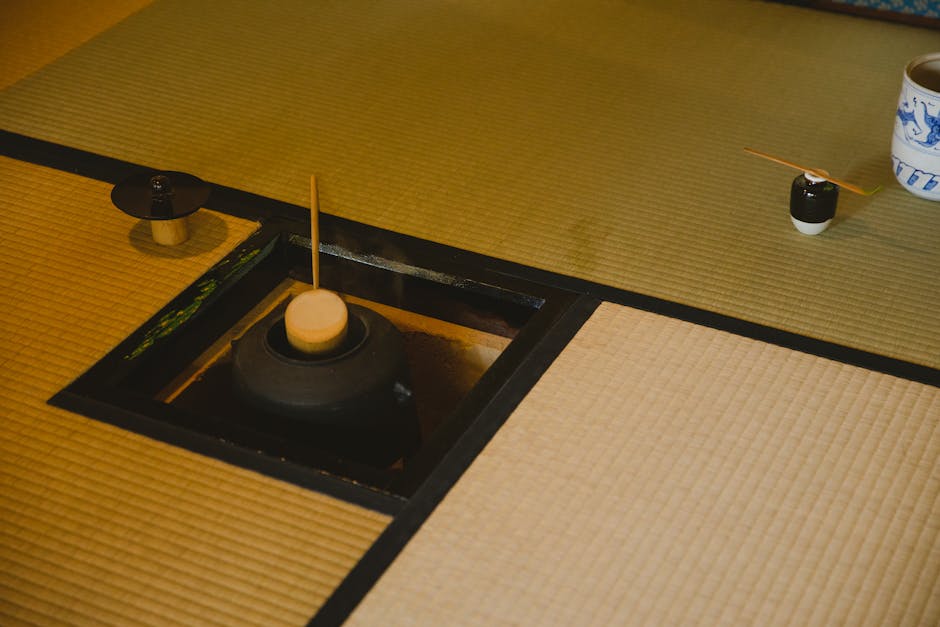
Picture this: you’re kneeling on tatami mats, watching a master gracefully whisk matcha into emerald perfection, and suddenly you realize your left leg has gone completely numb. Welcome to the tea ceremony experience in Kyoto — equal parts spiritual enlightenment and endurance test for Western joints!
After living in Japan for over five years and attending more tea ceremonies than I can count (okay, seventeen, but who’s counting?), I’ve learned that the Japanese tea ceremony isn’t just about drinking tea. It’s about slowing down, finding beauty in simplicity, and discovering that yes, there really is a “correct” way to hold a tea bowl. Who knew?
| Quick Facts: Tea Ceremony in Kyoto | Details |
|---|---|
| Best Time to Visit | Year-round, but spring and autumn offer beautiful garden views |
| Duration | 45 minutes to 2 hours depending on ceremony type |
| Price Range | ¥2,000-¥8,000 ($15-$60) for tourist experiences |
| English Available | Yes, at most tourist-friendly venues |
| Advance Booking | Recommended, especially during peak seasons |
- Understanding the Japanese Tea Ceremony: More Than Just Hot Leaf Water
- Best Places for Tea Ceremony Experiences in Kyoto
- What to Expect During Your Tea Ceremony Experience
- Planning Your Tea Ceremony Visit: Practical Japan Travel Tips
- Making the Most of Your Kyoto Tea Ceremony Journey
- 🗺️ Area Map
- Watch Before You Go
- What Travelers Say
Understanding the Japanese Tea Ceremony: More Than Just Hot Leaf Water
The Japanese tea ceremony, or chanoyu, is like meditation in motion — if meditation involved memorizing 47 different ways to bow and the precise angle for placing a bamboo scoop. When I first stumbled into a tea ceremony thinking it would be a quick caffeine fix, I quickly realized this wasn’t your average coffee break.
At its heart, the tea ceremony embodies four principles: harmony (wa), respect (kei), purity (sei), and tranquility (jaku). It’s a choreographed dance that’s been perfected over centuries, where every movement has meaning and every gesture tells a story. The ceremony transforms the simple act of preparing and serving tea into something approaching art — or at least that’s what I tell myself when I inevitably spill matcha on my kimono.
Pro Tip: Don’t worry about memorizing all the rules before you go. Most tourist-friendly tea ceremonies in Kyoto include gentle guidance, and making small mistakes is part of the learning experience. The masters have seen it all!

Best Places for Tea Ceremony Experiences in Kyoto
Temple Tea Ceremonies: Sacred Sips
Kyoto’s temples offer some of the most authentic tea ceremony experiences, where centuries of tradition literally surround you. Kenninji Temple, one of Kyoto’s oldest Zen temples, hosts tea ceremonies in rooms overlooking their stunning rock gardens. There’s something profoundly moving about sipping matcha while contemplating the same view that monks have enjoyed for over 800 years.
Kodaiji Temple provides another exceptional experience, especially during cherry blossom and autumn leaf seasons. Their tea ceremonies take place in traditional tea houses within the temple grounds, offering that perfect Instagram moment — though you’ll be too absorbed in the ceremony to think about social media.
Traditional Tea Schools: Learning from the Masters
For those seeking deeper immersion into Japanese culture, Kyoto’s traditional tea schools offer more comprehensive experiences. The Urasenke Foundation, one of Japan’s most prestigious tea ceremony schools, occasionally opens its doors to international visitors. These sessions provide insight into the philosophy and techniques that have been passed down through generations.
Smaller schools throughout the Gion district also offer intimate group sessions where you might find yourself learning alongside local students. It’s fascinating to watch Japanese participants who are also learning — turns out everyone struggles with the precise wrist movements at first!
Pro Tip: Book temple tea ceremonies well in advance, especially for 2026 when Japan tourism is expected to reach new heights. Many temples limit participants to preserve the meditative atmosphere.
Cultural Centers and Tourist-Friendly Venues
Not everyone wants to dive into the deep end of tea ceremony tradition, and that’s perfectly fine. Kyoto offers numerous cultural centers and tourist-oriented venues that provide excellent introductions to the art. The Kyoto Cultural Museum regularly hosts tea ceremony workshops with English explanations, making it perfect for first-timers.
For a more luxurious experience, several high-end hotels in Kyoto offer tea ceremony sessions in beautifully appointed rooms. While purists might sniff at the commercial aspect, these venues often provide the most comfortable introduction to the practice — and your legs will thank you for the chair option.
If you’re looking for guided experiences that combine tea ceremony with other cultural activities, GetYourGuide offers excellent tea ceremony tours that include temple visits and cultural explanations, perfect for maximizing your Japan travel experience.

What to Expect During Your Tea Ceremony Experience
The Ritual Unfolds
A traditional tea ceremony follows a specific sequence that’s been refined over centuries. You’ll typically begin by admiring the tea implements — and yes, there will be a moment when everyone sits in reverent silence examining a bamboo whisk. I used to think this was overly ceremonious until I realized each tool represents generations of craftsmanship.
The host will cleanse each implement with ritualistic precision, a process that’s oddly mesmerizing once you stop checking your watch. Then comes the main event: the whisking of the matcha. The rhythmic sound of the bamboo whisk against the tea bowl creates a meditative soundtrack that somehow makes the city noise fade away.
- Ritual cleansing of tea implements
- Presentation and examination of tea utensils
- Preparation of the tea with precise whisking
- Serving of sweets (usually before the tea)
- Drinking the matcha with specific etiquette
- Appreciation and discussion of the implements
Tea Ceremony Etiquette: Don’t Panic
Here’s where I made my most memorable rookie mistake: I drained my tea bowl in one gulp like I was doing a shot at a college party. The stunned silence that followed taught me that matcha is meant to be savored slowly, with the bowl turned and rotated between sips.
The key etiquette points aren’t as intimidating as they seem. Bow when receiving your tea bowl, admire its design (and comment on it — tea masters love discussing their ceramics), and drink in small, appreciative sips. The goal isn’t perfection; it’s mindfulness and respect for the process.
Pro Tip: Wear comfortable clothes that allow for sitting on the floor, and avoid strong perfumes or scents that might interfere with the subtle aromas of the tea and incense.

Planning Your Tea Ceremony Visit: Practical Japan Travel Tips
When to Book Your Experience
Timing your tea ceremony experience can significantly impact your enjoyment. Spring and autumn are magical seasons in Kyoto, when temple gardens provide stunning backdrops for your ceremony. However, these are also peak tourist seasons, so booking several weeks in advance is essential.
Winter offers a unique charm — there’s something special about the warmth of matcha when snow dusts the garden outside. Summer ceremonies have their own beauty, though the humidity combined with sitting seiza-style (on your knees) can be challenging for some visitors.
Transportation and Getting There
Most tea ceremony venues in Kyoto are easily accessible by public transportation. The city’s bus system connects major temples and cultural sites, though having a Japan Rail Pass can be helpful for longer journeys between districts.
For those planning extensive travel throughout Japan, the convenience of a JR Pass makes exploring multiple regions feasible. You can purchase your JR Pass before arriving in Japan to take advantage of the savings and convenience for your broader Japan tourism adventure.
What to Bring and Wear
Comfortable, modest clothing is essential — think layers that allow for easy movement while sitting on tatami mats. Avoid short skirts or tight pants that might make floor seating uncomfortable. If you’re planning to wear a rented kimono (a popular tourist activity in Kyoto), inform the tea ceremony venue in advance, as this might affect seating arrangements.
Don’t forget to bring a small towel or handkerchief — it’s considered good etiquette in Japan and proves useful throughout your visit. Also, ensure your travel insurance covers cultural activities; while tea ceremonies are generally safe, it’s always wise to be prepared. Comprehensive travel insurance gives you peace of mind to fully enjoy these immersive cultural experiences.
Pro Tip: Arrive 10-15 minutes early to settle in and appreciate the surroundings. The pre-ceremony moments are often when you truly absorb the atmosphere and transition from tourist to participant.

Making the Most of Your Kyoto Tea Ceremony Journey
Beyond the Bowl: Understanding the Philosophy
The beauty of participating in a tea ceremony in Kyoto lies not just in the ritual itself, but in how it opens your understanding of Japanese aesthetics and philosophy. The concept of wabi-sabi — finding beauty in imperfection and impermanence — permeates every aspect of the ceremony.
As you sit in that traditional tea room, perhaps watching autumn leaves drift past the window or listening to water bubbling in the iron kettle, you begin to understand why this practice has endured for centuries. It’s a counterpoint to our fast-paced modern world, a reminder that some of life’s most profound experiences come from slowing down and paying attention.
Combining Your Tea Ceremony with Other Kyoto Experiences
A tea ceremony experience pairs beautifully with other traditional activities in Kyoto. Consider combining it with a visit to nearby temples, a stroll through the bamboo groves of Arashiyama, or exploration of the historic Gion district where you might spot geishas heading to appointments.
Many visitors find that the meditative quality of the tea ceremony enhances their appreciation for Kyoto’s other cultural treasures. After experiencing the mindful preparation of matcha, you might find yourself noticing details in temple architecture or garden design that you would have previously overlooked.
For comprehensive cultural experiences that combine multiple activities, Viator offers excellent day trips that can include tea ceremony alongside other quintessential Kyoto experiences, making the most of your visit to Japan’s cultural heart.
Pro Tip: Keep a small journal to record your tea ceremony experience. The subtle details — the sound of the whisk, the taste of the specific matcha, the feeling of the ceramic bowl — often fade from memory faster than you’d expect, but they’re beautiful to revisit later.
Is it appropriate for children to attend tea ceremonies?
Most traditional tea ceremony venues welcome well-behaved children over 10 years old. However, the ceremony requires sitting still for extended periods and following specific etiquette, which can be challenging for younger children. Some cultural centers offer family-friendly sessions with shorter durations and more flexibility.
How much Japanese language knowledge do I need?
No Japanese language skills are required for tourist-oriented tea ceremonies. Most venues catering to international visitors provide explanations in English. However, learning basic greetings and thank you phrases (arigatou gozaimasu) will be appreciated and enhance your cultural experience.
Can I take photos during the tea ceremony?
Photography policies vary by venue. Traditional temple ceremonies often prohibit photos during the actual ritual, while tourist-oriented venues may allow discreet photography. Always ask permission before the ceremony begins, and remember that flash photography is typically forbidden in all contexts.
What if I have dietary restrictions or don’t like the taste of matcha?
Inform your hosts about any dietary restrictions when booking. Traditional sweets served with tea often contain wheat, dairy, or nuts. Regarding matcha taste — it’s quite bitter and intense compared to Western teas. However, the ceremony isn’t primarily about enjoying the flavor but appreciating the artistry and mindfulness of the process.
How far in advance should I book a tea ceremony experience in Kyoto?
For 2026 visits, booking 2-4 weeks in advance is recommended, especially during cherry blossom season (late March to early May) and autumn foliage season (November). Popular venues and authentic temple experiences can fill up quickly, particularly during peak Japan tourism periods.

🗺️ Area Map
🗺️ Interactive Map
Watch Before You Go
Watch Before You Go: Japanese Tea Ceremony Decoded: History, Tools, and Meaning
What Travelers Say
“Kyoto’s traditional tea ceremony experience offers visitors an intimate glimpse into Japan’s refined cultural heritage, where every gesture carries centuries of meaning. The city’s historic districts of Gion and Urasenke provide authentic settings where master tea practitioners guide guests through the meditative art of chanoyu.”
“Participated in a tea ceremony near Kiyomizu-dera and it was absolutely mesmerizing – the precision and grace of our tea master was incredible to witness. The 90-minute session felt like a peaceful meditation, and learning about the philosophy behind each movement made it so much more meaningful than I expected.”

コメント