Ultimate Tax Free Shopping Japan Guide for 2026
When I first landed in Japan, I walked past countless “Tax Free” signs with the confidence of someone who definitely knew what they were doing. Spoiler alert: I absolutely did not. After making every possible rookie mistake (and a few creative new ones), I’ve finally cracked the code of tax-free shopping in Japan.
Let me save you from my embarrassing encounters with confused shop assistants and the pain of realizing you could have saved hundreds of dollars. This guide will turn you into a tax-free shopping ninja faster than you can say “arigato gozaimasu.”
| Quick Facts: Tax Free Shopping Japan | Details |
|---|---|
| Minimum Purchase | ¥5,000 per store per day |
| Tax Rate Saved | 10% consumption tax |
| Required Document | Valid passport |
| Eligible Visitors | Tourists with temporary visitor status |
| Processing Fee | Usually 1.1%-1.55% of purchase |
- What Is Tax Free Shopping in Japan?
- Understanding Japan’s Tax Free Shopping Requirements
- Where to Find Tax Free Shopping in Japan
- Step-by-Step Tax Free Shopping Process
- Common Tax Free Shopping Mistakes to Avoid
- Maximizing Your Tax Free Shopping Savings
- Special Considerations for 2026 Japan Travel
- 🗺️ Area Map
- Watch Before You Go
- What Travelers Say
What Is Tax Free Shopping in Japan?
Tax-free shopping in Japan lets you skip the 10% consumption tax on purchases. Think of it as Japan’s way of saying “thanks for visiting and spending your money here!” However, this isn’t some magical discount that appears automatically.
You need to actively request tax-free shopping, show your passport, and meet specific requirements. The system exists to encourage tourism and make shopping more attractive for visitors like us.
Who Qualifies for Tax Free Shopping?
First things first: you must be a temporary visitor to Japan. This means having a “Temporary Visitor” stamp in your passport, which most tourists get automatically upon arrival. Residents, students with long-term visas, and business visitors typically don’t qualify.
Your passport is your golden ticket here. Keep it handy because every tax-free purchase requires showing it.
Pro Tip: Take a clear photo of your passport’s main page and entry stamp. Some stores accept digital copies, and it saves you from carrying your actual passport everywhere.

Understanding Japan’s Tax Free Shopping Requirements
The ¥5,000 Minimum Purchase Rule
You need to spend at least ¥5,000 (roughly $35-40) in a single store on the same day to qualify. This applies per store, not per receipt. So if you spend ¥3,000 in the morning and ¥2,500 in the evening at the same store, you’re golden.
Keep in mind that some stores have higher minimums. Department stores often require ¥10,000 or more for tax-free purchases.
Different Categories Have Different Rules
Japan splits tax-free items into two categories: general items and consumables. General items include electronics, clothes, and souvenirs. Consumables cover food, drinks, cosmetics, and medicine.
For general items, you can combine different products to reach the minimum. For consumables, you need ¥5,000 worth of consumables specifically. You can’t mix a ¥3,000 camera with ¥2,000 worth of snacks.
Pro Tip: Some stores now combine both categories if your total reaches ¥50,000. This is perfect for big shopping sprees where you’re buying everything from electronics to Japanese Kit-Kats.

Where to Find Tax Free Shopping in Japan
Major Department Stores and Shopping Areas
Department stores like Takashimaya, Isetan, and Mitsukoshi are tax-free shopping paradises. They have dedicated tax-free counters and English-speaking staff who know the drill.
Popular shopping districts like Shibuya, Harajuku, and Ginza in Tokyo, or Dotonbori in Osaka, are loaded with tax-free shops. Look for the official “Tax Free” logo – a red circle with “Japan. Tax-free Shop” inside.
Electronics and Specialty Stores
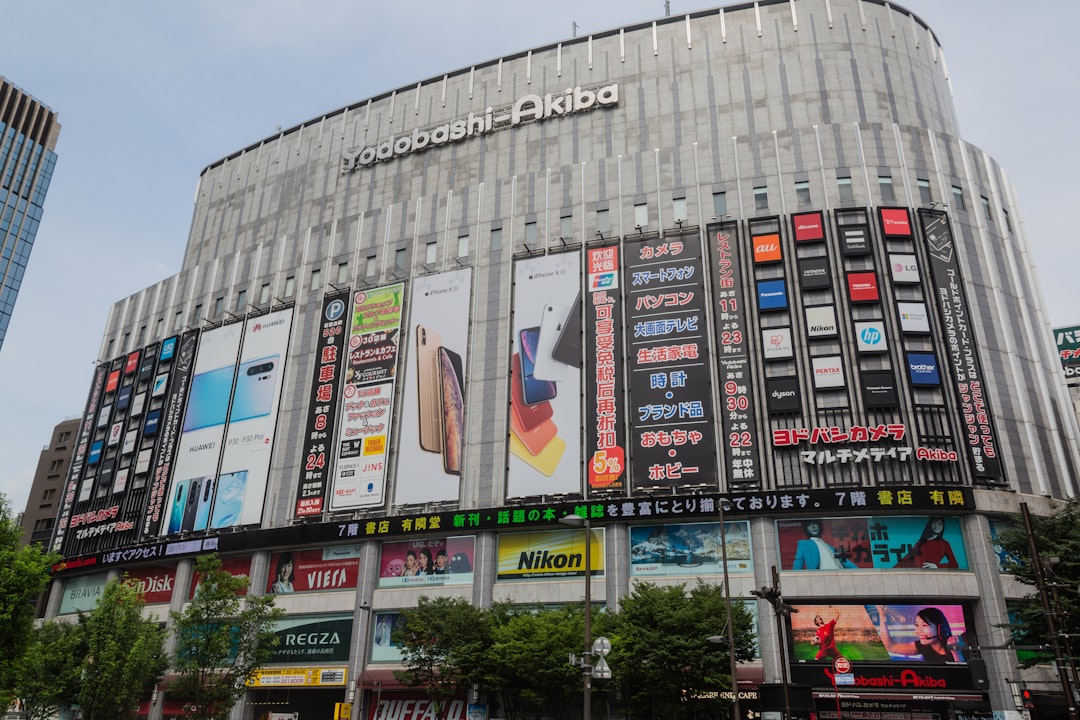
Big electronics retailers like Yodobashi Camera, Bic Camera, and Don Quijote are tourist favorites. These stores often have multiple floors of everything from cameras to quirky Japanese gadgets.
Don Quijote deserves special mention because shopping there feels like exploring a treasure cave where you’ll find everything from samurai swords to Hello Kitty toilet paper. It’s beautifully chaotic.
For unique experiences and guided shopping tours, GetYourGuide offers excellent local shopping experiences that can help you navigate the best tax-free shopping spots.
Pro Tip: Download store apps before your trip. Many major retailers offer additional discounts for app users, which stack with tax-free savings.

Step-by-Step Tax Free Shopping Process
The Actual Shopping Experience
Here’s how it actually works when you’re standing in a Japanese store, hopefully looking more confident than I did on my first attempt:
- Shop normally and gather items worth at least ¥5,000
- Head to the regular checkout counter first
- Tell the cashier “Tax-free, please” (or “めんぜい お願いします” if you’re feeling fancy)
- Show your passport when requested
- The cashier will either process it there or direct you to a tax-free counter
- Complete paperwork and pay the tax-free amount
- Receive your items in a sealed bag (don’t open it until you leave Japan!)
What Happens at the Tax Free Counter
The tax-free counter is where the magic happens. Staff will photocopy your passport, fill out forms, and calculate your savings. Most places charge a small processing fee (1-2% of your purchase), but you’ll still save significantly overall.
They’ll staple paperwork into your passport and seal consumable items in special bags. This isn’t just bureaucracy – customs may check these when you leave Japan.
Pro Tip: If you’re buying consumables, shop closer to your departure date. You can’t open those sealed bags until you leave Japan, and nobody wants to carry around sealed potato chips for two weeks.
Common Tax Free Shopping Mistakes to Avoid
The Sealed Bag Situation
This is where I made my most spectacular mistake. I bought a bunch of Japanese snacks, got them sealed, then immediately opened the bag because I was curious about the packaging. The look of horror on the shop assistant’s face still haunts me.
Consumable items must stay sealed until you leave Japan. Opening them technically violates the tax-free conditions. General items don’t need to stay sealed, but you still can’t sell them in Japan.
Forgetting About Processing Fees
Most stores charge a processing fee for tax-free shopping. This typically ranges from 1.1% to 1.55% of your purchase. While you’re still saving money overall, factor this into your calculations.
Some smaller stores might have higher processing fees or minimum purchase requirements. Always ask upfront to avoid surprises at checkout.
Pro Tip: Keep all your tax-free receipts organized in one place. Customs officers sometimes ask to see them when departing, and hunting through bags at the airport is nobody’s idea of fun.
Maximizing Your Tax Free Shopping Savings
Strategic Shopping Timing
Plan your major purchases for later in your trip. This way, you won’t be lugging heavy items around Japan, and you can shop for consumables closer to departure.
Consider shopping during sales periods like end-of-year sales (December) or summer sales (July-August). Combining sale prices with tax-free savings maximizes your budget.
Using Store Credit Cards and Loyalty Programs
Many department stores offer foreign visitor cards that provide additional discounts. These often stack with tax-free shopping, creating impressive savings.
Some stores also offer currency exchange services with favorable rates for shoppers. This can be convenient, though always compare rates with banks or dedicated exchange services.
If you’re planning extensive travel around Japan, consider getting a JR Pass for convenient transportation between major shopping destinations.
Pro Tip: Download Google Translate with camera function. Point it at price tags and signs to quickly understand deals and navigate stores more confidently.
Special Considerations for 2026 Japan Travel
Digital Innovation in Tax Free Shopping
Japan continues modernizing its tax-free systems for 2026 and beyond. Many stores now offer digital processing, reducing paperwork and speeding up transactions.
QR codes are becoming common for tax-free applications, and some stores accept digital passport photos. This tech integration makes the process much smoother than when I first navigated it with my crumpled paper forms.
Post-Pandemic Shopping Changes
Japanese stores have adapted their tax-free processes for better efficiency and reduced contact. Many locations now have dedicated tax-free lanes and improved English signage.
Popular tourist areas have expanded tax-free shopping options, making it easier to find qualifying stores throughout Japan, not just in major cities.
For peace of mind while shopping and traveling, consider getting travel insurance that covers your purchases and trip.
Pro Tip: Many stores now offer same-day delivery to your hotel for large purchases. This service often costs less than shipping items home and saves you from carrying heavy bags.
📚 Related Articles
Can I use tax-free shopping if I’m transiting through Japan?
Unfortunately, transit passengers typically can’t use tax-free shopping. You need a “Temporary Visitor” entry stamp in your passport, which requires actually entering Japan rather than just passing through the airport.
What happens if I don’t spend the sealed consumables before leaving Japan?
Technically, you should take unopened consumables with you when departing. However, customs rarely check, and there’s no penalty for leaving items behind. The main rule is not opening the sealed bags while in Japan.
Can I return tax-free items if there’s a problem?
Returns are possible but complicated. You’ll need to pay back the tax savings, and the store’s return policy still applies. It’s better to be very sure about purchases, especially expensive electronics.
Do I need to declare tax-free purchases to my home country’s customs?
This depends on your home country’s import regulations and duty-free allowances. Check your country’s customs website before traveling. Most countries have duty-free thresholds for personal purchases abroad.
Can I combine purchases from different stores to reach the ¥5,000 minimum?
No, the ¥5,000 minimum applies per store, per day. You can’t combine a ¥3,000 purchase from Store A with a ¥2,000 purchase from Store B to qualify for tax-free shopping. Each store processes tax-free sales independently.
🗺️ Area Map
🗺️ Interactive Map
Watch Before You Go
Watch Before You Go: Japan Tax-Free Shopping: Is It Still Worth It? (2026 Guide)
What Travelers Say
“Japan’s tax-free shopping system is remarkably tourist-friendly, allowing visitors to claim back the 10% consumption tax on purchases over 5,000 yen at participating stores. Simply present your passport and temporary visitor stamp to enjoy instant savings on everything from electronics to luxury goods.”
“The tax-free shopping in Tokyo saved me hundreds of dollars during my two-week trip! Most major department stores and electronics shops participate – just look for the ‘Tax Free’ signs and bring your passport. The process was super quick at places like Don Quijote and Bic Camera.”

コメント