📰 Latest News & Updates
- Chiharu Shiota’s New Exhibition Invites Visitors Into a Cocoon of Red Thread — My Modern Met, 2026-04-08
- Salon Jane: Resonance — Lenscratch.com, 2026-04-08
- The Tim Ferriss Show Transcripts: Daredevil Michelle Khare — How to Become a YouTube Superstar, Open Impossible Doors (FBI, Secret Service, etc.), Craft Jedi-Level Cold Emails, and Use Fear-Setting to Change Your Life (#860) — Tim.blog, 2026-04-08
Planning your first solo adventure to Japan? You’re about to embark on one of the most rewarding travel experiences imaginable. Trust me, I remember staring at my boarding pass, wondering if I’d made a terrible mistake. Spoiler alert: I hadn’t.
Japan welcomes solo travelers like nowhere else on Earth. The combination of incredible safety, efficient transportation, and genuine hospitality creates the perfect environment for independent exploration. Whether you’re dreaming of neon-lit Tokyo nights or peaceful temple mornings in Kyoto, traveling solo gives you the freedom to craft your perfect Japanese adventure.
| Quick Facts: Solo Travel Japan | Details |
|---|---|
| Best Time to Visit | March-May, September-November |
| Daily Budget (Solo) | ¥8,000-15,000 ($60-115) |
| Safety Rating | Extremely Safe (Top 10 Globally) |
| Language Barrier | Moderate (Google Translate helps!) |
| Solo Female Safety | Excellent |
| Best Solo Activities | Temple visits, food tours, onsen |
- Is Japan Safe for Solo Travelers?
- Planning Your First Solo Japan Trip
- Getting Around Japan Solo
- Where to Stay: Solo-Friendly Accommodations
- Solo Dining Adventures in Japan
- Must-Visit Destinations for Solo Travelers
- Solo Travel Japan Budget Breakdown
- Making Connections as a Solo Traveler
- Solo Travel Safety and Etiquette
- Your Solo Japan Adventure Awaits
- 🗺️ Area Map
- Watch Before You Go
- What Travelers Say
Is Japan Safe for Solo Travelers?
Let me put your mind at ease: Japan is ridiculously safe for solo travelers. In fact, it’s so safe that I once left my wallet on a park bench for three hours and returned to find someone had placed a rock on top to protect it from the wind.
The crime rate is incredibly low, and locals are genuinely helpful. I’ve watched businessmen sprint across train stations to return dropped phones to confused tourists. Women can walk alone at night without worry, and the biggest danger you’ll face is probably trying to navigate a high-tech toilet.
Solo Female Travel Safety
Japan consistently ranks among the safest countries for solo female travelers. The harassment rate is minimal, and Japanese culture emphasizes respect and non-confrontation. However, keep standard precautions in mind and trust your instincts, especially in crowded nightlife areas.
Pro Tip: Download the Safety Tips app by the Japan National Tourism Organization. It provides emergency contacts, evacuation info, and real-time alerts in multiple languages.

Planning Your First Solo Japan Trip
When to Visit Japan Solo
Spring (March-May) offers cherry blossoms and mild weather, perfect for temple hopping and park picnics. Fall (September-November) brings stunning autumn colors and comfortable temperatures. Summer gets hot and humid, while winter offers snow sports and fewer crowds.
For first-timers, I recommend avoiding Golden Week (late April-early May) and Obon (mid-August). These holidays mean crowded trains and booked accommodations. Trust me, you don’t want to experience rush hour during Golden Week as a solo traveler with luggage.
Essential Japan Travel Documents
Most visitors need only a valid passport for stays up to 90 days. Some nationalities require visas, so check current requirements. Consider getting travel insurance – while Japan’s healthcare is excellent, costs can be steep for uninsured visitors.
Pro Tip: Register with your embassy upon arrival and keep emergency contact info in both English and Japanese. Most hotels can help translate important details.
Getting Around Japan Solo
The Magic of Japan Rail Pass
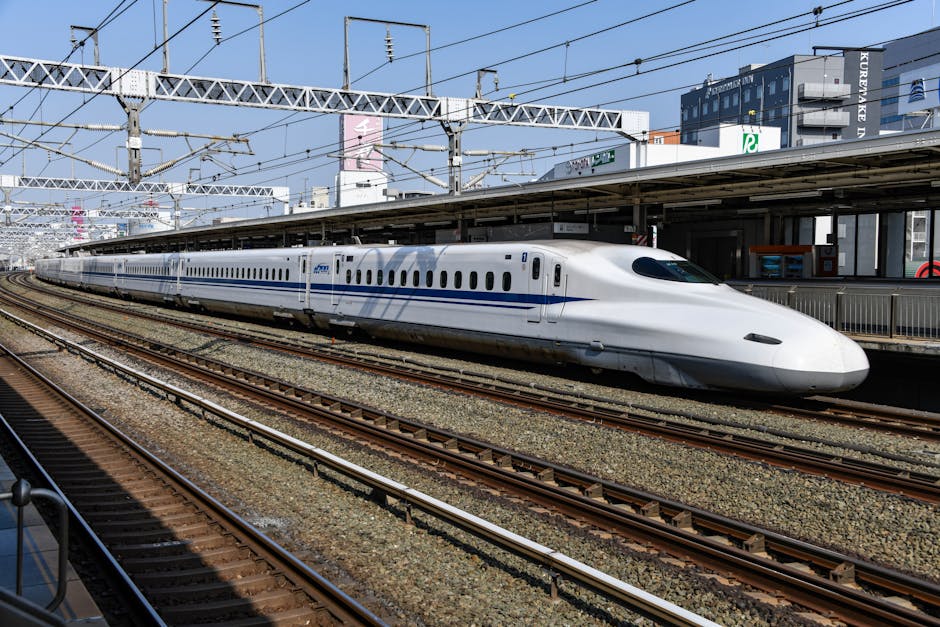
The JR Pass becomes your best friend as a solo traveler. It covers most trains, including the famous shinkansen (bullet trains). The 7-day pass pays for itself with just one Tokyo-Kyoto round trip.
However, the JR Pass isn’t always the best option. For shorter trips or city-focused stays, individual tickets or regional passes might save money. Calculate your planned routes before purchasing.
Navigating Japanese Transportation
Download Google Translate and Hyperdia (train timetable app) before arrival. Station signs include English, but announcements are primarily in Japanese. The trains are so punctual I started questioning my entire life choices back home – seriously, they apologize for 30-second delays.
Don’t panic about rush hour complexity. Follow the crowd, bow slightly when bumping into people, and remember that everyone’s just trying to get home to their families.
Pro Tip: Get a pocket WiFi device or local SIM card immediately. Having internet access transforms navigation from stressful to simple, especially when exploring solo.

Where to Stay: Solo-Friendly Accommodations
Budget-Friendly Options for Solo Travelers
Capsule hotels offer the quintessential solo Japan experience. They’re clean, efficient, and perfect for meeting fellow travelers. Expect to pay ¥3,000-5,000 per night. Book ahead during peak seasons – these tiny pods fill up quickly.
Hostels in Japan are exceptionally clean and quiet. Many offer private pods or female-only floors. Popular chains like K’s House and Guest House cater specifically to international solo travelers with English-speaking staff.
Traditional and Mid-Range Stays
Ryokans (traditional inns) welcome solo travelers, though some charge single supplements. The experience – tatami mats, futon beds, kaiseki meals – justifies the extra cost. Business hotels offer tiny but functional rooms with all necessities.
For longer stays, consider weekly mansions (short-term apartments) or guesthouses. These provide more space and kitchen access, perfect for solo travelers wanting to experience local life.
Pro Tip: Book accommodations near JR stations for easy luggage transport. Many places offer luggage forwarding services, letting you explore hands-free between cities.
Solo Dining Adventures in Japan
Embracing Counter Culture
Solo dining isn’t just accepted in Japan – it’s designed for. Ramen shops, sushi bars, and izakayas feature counters perfect for lone diners. You’ll often find yourself chatting with chefs and fellow food enthusiasts.
Ichiran ramen epitomizes solo dining with individual booths where you order via vending machine. Attempting to eat ramen quietly is Japan’s ultimate tourist challenge – and you will fail. Everyone slurps, so embrace the sound.
Department Store Food Courts
Department store basement food courts (depachika) offer incredible solo dining options. You can sample various dishes, watch food preparation, and eat standing at high tables. It’s people-watching paradise for solo travelers.
Conveyor belt sushi restaurants eliminate language barriers entirely. Point, grab, eat, repeat. Some locations have English touch screens, making ordering effortless even for first-timers.
Pro Tip: Learn basic dining phrases: “Arigatou gozaimasu” (thank you) and “Gochisousama” (after eating). Staff appreciate the effort, and you’ll often receive extra attention and recommendations.
Must-Visit Destinations for Solo Travelers
Tokyo: Urban Solo Adventure
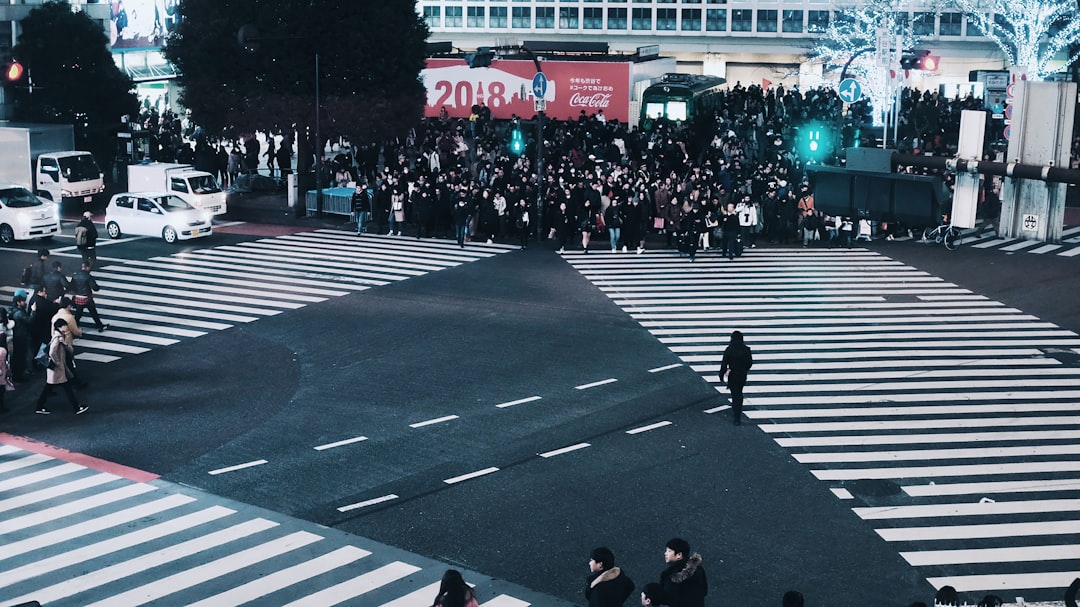
Tokyo rewards curious solo travelers with endless discoveries. Wander through Harajuku’s colorful streets, find peace in Meiji Shrine, and lose yourself in Shibuya’s organized chaos. The city’s 24/7 energy means you’re never truly alone.
Join a Tokyo food tour to discover hidden gems and meet fellow travelers. These guided experiences provide cultural context while satisfying your adventurous appetite.
Kyoto: Cultural Immersion
Kyoto’s temples and gardens are perfect for solo contemplation. Wake early to have Fushimi Inari’s thousands of torii gates mostly to yourself. The bamboo groves of Arashiyama create natural meditation spaces ideal for solo reflection.
However, popular spots like Kiyomizu-dera temple can get crowded. Visit during off-peak hours or explore lesser-known temples for more intimate experiences.
Pro Tip: Purchase city-specific day passes for unlimited public transportation. Tokyo Metro and Kyoto City Bus passes save money while encouraging exploration beyond your planned itinerary.
Solo Travel Japan Budget Breakdown
Daily Expenses for Solo Travelers
Budget travelers can manage on ¥8,000 ($60) daily: hostel accommodation (¥3,000), meals (¥3,000), and local transport (¥2,000). Mid-range solo travelers spend ¥15,000 ($115) daily for business hotels, restaurant meals, and attraction entries.
Single supplements at hotels and restaurants can increase costs by 10-20%. However, many establishments cater to solo diners without extra charges. Street food and convenience store meals help stretch budgets further.
Money-Saving Solo Travel Tips
Japan remains largely cash-based, so withdraw money from 7-Eleven ATMs (they accept foreign cards). Many temples and small restaurants don’t accept credit cards, even in 2026.
Take advantage of free activities: temple visits, park walks, and department store browsing cost nothing but provide rich cultural experiences. Many cities offer free walking tours perfect for solo travelers seeking local insights.
Pro Tip: Lunch sets (teishoku) at restaurants cost 30-50% less than dinner portions of identical food. Eat your main meal at lunch and snack for dinner to maximize your food budget.
Making Connections as a Solo Traveler
Meeting Fellow Travelers
Hostels naturally facilitate connections, but don’t overlook group activities and tours. Cooking classes, sake tastings, and cultural workshops attract like-minded solo travelers eager to share experiences.
Join online communities like Japan Travel Facebook groups or Reddit forums before departure. Many solo travelers coordinate meetups in major cities, creating instant friend groups for shared adventures.
Connecting with Locals
Language exchange cafes in Tokyo and Osaka welcome foreign visitors practicing Japanese. You’ll help locals practice English while gaining cultural insights impossible to find in guidebooks.
Consider homestay programs or cultural experiences that pair visitors with local families. These connections often lead to lifelong friendships and return visit invitations.
Pro Tip: Learn a few Japanese phrases beyond “arigatou.” Simple greetings and compliments about food or scenery open doors and hearts throughout Japan.
Solo Travel Safety and Etiquette
Cultural Do’s and Don’ts
Respect is fundamental in Japanese culture. Remove shoes when entering homes, temples, and some restaurants. Bow slightly when greeting people, and avoid loud phone conversations on public transport.
Don’t eat or drink while walking (except during festivals). Find a designated area or step aside. This rule confused me initially, but observing locals quickly clarifies appropriate behavior.
Emergency Preparedness for Solo Travelers
Japan’s emergency number is 110 for police and 119 for fire/ambulance. Keep your accommodation address written in Japanese for taxi drivers and emergency services. Most police boxes (koban) have English-speaking officers during day shifts.
Natural disasters require preparation. Download safety apps, know evacuation routes from your accommodation, and keep emergency supplies in your daypack. Japanese buildings are earthquake-resistant, but preparation provides peace of mind.
Pro Tip: Carry a business card from your hotel and keep emergency contacts in your phone’s medical ID section. This information helps authorities assist you if needed.
Your Solo Japan Adventure Awaits
Solo travel in Japan transforms from daunting prospect to life-changing adventure once you take that first step. The combination of safety, efficiency, and cultural richness creates an environment where solo travelers thrive rather than merely survive.
Start planning your journey by booking flights and accommodations early, especially during peak seasons. Research your must-see destinations, but leave room for spontaneous discoveries – some of my best Japan memories came from unplanned detours and chance encounters.
Remember that every expert solo traveler started exactly where you are now: excited, nervous, and ready for adventure. Japan will exceed your expectations, challenge your assumptions, and provide stories you’ll share for decades. Your solo adventure begins with a single step onto that plane.
Pack your sense of adventure, embrace the unknown, and prepare for the journey of a lifetime. Japan is waiting to welcome you with open arms, incredible experiences, and memories that will last forever.
📚 Related Articles
How much should I budget for my first solo trip to Japan?
Budget ¥8,000-12,000 ($60-90) daily for hostels, local food, and basic transport. Mid-range travelers should plan ¥15,000-20,000 ($115-150) daily for business hotels and restaurant meals. Add flight costs and one-time expenses like JR Pass for total budget planning.
Is it difficult to travel solo in Japan without speaking Japanese?
Not at all! Major signs include English, Google Translate works excellently, and locals are patient with communication attempts. Many younger Japanese people speak basic English. Download translation apps and learn basic phrases for smoother interactions.
What’s the best way to meet people while traveling solo in Japan?
Stay in hostels, join group tours, visit language exchange cafes, and participate in cultural activities like cooking classes. Online travel communities often organize meetups in major cities. Japanese people are friendly but may seem reserved initially.
Should I book accommodations in advance or find places as I go?
Book major cities (Tokyo, Kyoto, Osaka) in advance, especially during cherry blossom season and fall. Smaller towns often have availability, but popular ryokans and unique accommodations fill up quickly. Having first and last nights booked provides peace of mind.
What are the biggest mistakes first-time solo travelers make in Japan?
Over-packing (coin lockers have size limits), not carrying cash, trying to see everything in one trip, and not learning basic etiquette. Also, underestimating travel times between cities and not making restaurant reservations for popular spots.
🗺️ Area Map
🗺️ Interactive Map
Watch Before You Go
Watch Before You Go: This is Why You Should Solo Travel in Japan Right Now
What Travelers Say
“Japan ranks as one of the world’s safest destinations for solo travelers, with excellent public transportation and helpful locals who often go out of their way to assist visitors. First-time solo travelers should consider purchasing a JR Pass and downloading translation apps like Google Translate, which work seamlessly even in remote areas.”
“I was nervous about my first solo trip to Japan, but it exceeded every expectation! The train system is incredibly efficient and easy to navigate once you get the hang of it. Even with the language barrier, people were so patient and kind – I felt completely safe exploring Tokyo and Kyoto on my own.”
コメント