📰 Latest News & Updates
- Living Alone in Japan: How Japanese People Cope with Loneliness in Big Cities — Whatjapanthinks.com, 2026-03-09
- Lords of the Ring — Harpers.org, 2026-02-20
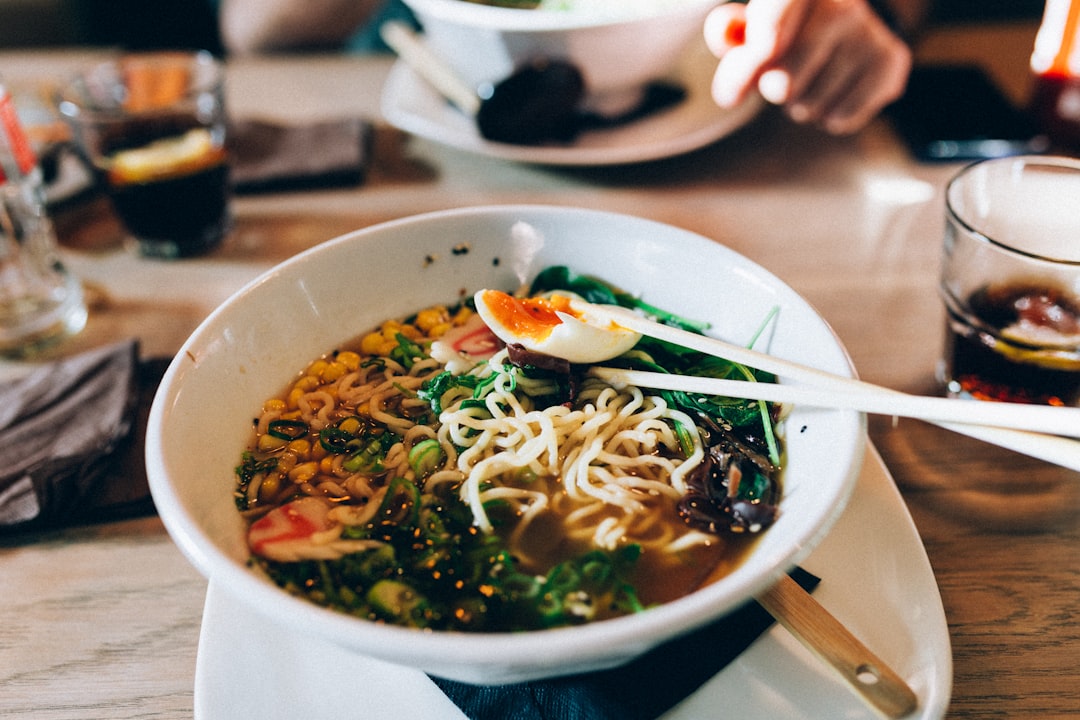
When I first arrived in Tokyo, I thought I knew ramen. Spoiler alert: I knew absolutely nothing. After slurping my way through countless bowls (tough job, I know), I’ve learned that Tokyo’s ramen scene is both beautifully complex and wonderfully accessible. This ramen guide Tokyo for tourists will help you navigate the noodle maze without looking like you just stepped off the plane – though let’s be honest, attempting to eat ramen quietly is Japan’s ultimate tourist challenge, and you will fail spectacularly.
| Tokyo Ramen Quick Facts | |
|---|---|
| Best Areas for Ramen | Shibuya, Shinjuku, Harajuku, Ginza, Asakusa |
| Average Cost | ¥800-1,500 ($6-12 USD) per bowl |
| Peak Hours to Avoid | 12:00-13:30 (lunch) and 19:00-21:00 (dinner) |
| Payment Method | Vending machine tickets (cash only at most places) |
| Tipping | Never tip – it’s considered rude |
| English Menus | Rare, but picture menus common in tourist areas |
Understanding Tokyo’s Ramen Types: Your Broth Basics
Before we dive into specific restaurants, let’s decode what you’re actually ordering. Tokyo’s ramen scene revolves around four main broth types, and knowing these will instantly make you look like less of a tourist (even if you still can’t use chopsticks properly).
Shoyu (soy sauce-based) is Tokyo’s original style – light, clear, and refined. It’s like the polite businessman of ramen broths. Shio (salt-based) is even lighter and more delicate, perfect for those who want to taste the chicken or seafood underneath. Miso brings the hearty, warming vibes with its rich, fermented flavor. Finally, Tonkotsu is the heavy hitter – creamy, rich pork bone broth that’ll stick to your ribs and probably your shirt if you’re not careful.
Pro Tip: Start with shoyu ramen at your first Tokyo ramen shop. It’s the city’s signature style and gives you a perfect baseline for comparing other bowls throughout your Japan travel adventure.
Reading the Ramen Machine: Your Ticket to Success
Most Tokyo ramen shops use vending machines for ordering, which can feel like trying to decode the Matrix when you’re jet-lagged. Look for pictures first, then buttons with numbers. The cheapest option is usually the basic ramen, while pricier buttons add extras like extra chashu (pork) or ajitsuke tamago (seasoned egg).

Best Tokyo Ramen Spots by Neighborhood
Shibuya: Where Tourists and Locals Collide
Shibuya isn’t just about the famous crossing – it’s ramen central for anyone visiting Japan. Ichiran Ramen gets a bad rap for being “too touristy,” but honestly? Their tonkotsu is consistent, the individual booths are perfect for shy first-timers, and the English ordering system will save your sanity on day one.
For something more authentic, hunt down Menya Saimi near Shibuya Station. Their tantanmen (Japanese sesame ramen) will make you question every bowl you’ve had back home. The line can be brutal during peak hours, but finding accommodation near Shibuya means you can hit the early or late slots when locals aren’t fighting for seats.
Shinjuku: The Ramen Battleground
Shinjuku is where Tokyo’s ramen game gets serious. Fuunji serves tsukemen (dipping ramen) that’s basically a religious experience – thick, chewy noodles you dip into concentrated tonkotsu broth. Fair warning: the line starts forming before they even open, and the experience might ruin regular ramen for you forever.
Nagi Ramen in Golden Gai offers their famous “niboshi” (dried sardine) ramen that tastes like the ocean had a baby with a pig farm – in the best possible way. It’s an adventure for your taste buds and a great stop during a nighttime Shinjuku food tour.
Pro Tip: Download Google Translate’s camera function before your Japan tourism adventure. Point it at the vending machine, and voilà – English translations appear like magic. It’s saved me from accidentally ordering five bowls more times than I care to admit.
Ginza: Fancy Ramen (Yes, That’s a Thing)
Think ramen can’t be upscale? Ginza would like a word. Ginza Kagari serves chicken-based ramen so refined, it could wear a tuxedo. Their tori paitan (chicken tonkotsu) is creamy without being heavy, and yes, you’ll pay Ginza prices, but some experiences are worth the splurge during your visit to Japan.

Ramen Etiquette: How Not to Embarrass Yourself
Here’s where Japan travel tips get practical. First, slurping isn’t just allowed – it’s encouraged. The louder, the better. It cools the noodles, enhances the flavor, and shows appreciation. Your mother’s table manners don’t apply here.
- Buy your ticket from the vending machine before finding a seat
- Hand your ticket to the staff – no need to speak
- Eat quickly – ramen shops aren’t social clubs
- Don’t leave food in your bowl – it’s considered wasteful
- Say “gochisousama” (thank you for the meal) when leaving
The biggest rookie mistake? Taking Instagram photos of every angle while your noodles get soggy. Snap one quick shot, then dive in. Ramen waits for no one, not even for the perfect lighting.
Pro Tip: Learn to say “aji tamago tsuite kudasai” (please add a seasoned egg). That golden, jammy yolk will transform your bowl from good to unforgettable, and locals will be impressed you knew to ask.

Budget-Friendly Ramen Adventures
Tokyo ramen doesn’t have to break the bank. Chain shops like Ippudo and Menya Itto serve quality bowls for under ¥1000. University areas like Waseda and Takadanobaba hide gems where students fuel late-night study sessions with ¥600 bowls that taste like they should cost twice as much.
Convenience store ramen deserves an honorable mention. While purists might scoff, 7-Eleven’s fresh ramen (not the cup stuff) can satisfy those 2 AM cravings when everything else is closed. It’s not restaurant quality, but it’s better than anything you’ll find at a gas station back home.
Consider getting travel insurance through SafetyWing before your trip – food adventures sometimes lead to unexpected medical needs, and it’s better to be prepared.

Hidden Gems and Local Favorites
The best ramen experiences in 2026 will still be at tiny shops with no English signs and questionable ventilation. Ramen Jiro locations across Tokyo serve portions so massive, they come with their own gravitational field. Their “yasai mashi mashi” (double vegetables) could feed a small village, and watching tourists’ faces when their order arrives never gets old.
For something completely different, try mazesoba (brothless mixed noodles) at shops in Harajuku. It’s like ramen’s deconstructed cousin – thick noodles mixed with sauce, toppings, and usually a raw egg. Mix everything together and prepare for flavor chaos in the best way.
Book a Tokyo food walking tour if you want someone else to navigate the language barriers while you focus on the important stuff – eating.
Pro Tip: Follow the construction workers and office employees. They know where the good, cheap ramen hides. If you see a line of people in hard hats at 11:30 AM, join them. They’re not queuing for mediocre food.

Planning Your Tokyo Ramen Crawl
A proper ramen crawl requires strategy. Start with lighter broths (shio, shoyu) and work toward heavier ones (miso, tonkotsu). Your stomach will thank you, and you’ll actually taste the differences instead of everything blending into one salty, delicious blur.
Use Tokyo’s incredible train system to hop between neighborhoods – grab a JR Pass if you’re exploring beyond Tokyo too. The Yamanote Line connects most major ramen districts, making it easy to sample different styles in one epic day.
Weather matters more than you’d think. Hot, humid summers call for lighter shoyu or shio broths, while winter demands the comfort of thick tonkotsu. Japanese culture embraces seasonal eating, and ramen shops often have seasonal specials that locals eagerly await.
What’s the average cost of ramen in Tokyo for tourists in 2026?
Expect to pay ¥800-1,500 ($6-12 USD) for most ramen bowls in Tokyo. Tourist areas like Shibuya might be slightly pricier, while local neighborhoods offer bowls as cheap as ¥600. Chain restaurants typically cost less than independent shops.
Do I need to speak Japanese to order ramen in Tokyo?
Not necessarily! Most ramen shops use vending machines with pictures, making ordering possible without Japanese. Download Google Translate’s camera function for real-time menu translation. In tourist areas, some shops have English menus or English-speaking staff.
Is it rude to not finish your ramen in Japan?
Yes, leaving food in your bowl is considered wasteful and slightly rude in Japanese culture. Only order what you can finish. If you’re genuinely full, it’s better to leave some broth than noodles or toppings, as these represent the chef’s main effort.
What’s the difference between ramen types in Tokyo?
Tokyo’s main ramen styles differ by broth: Shoyu (soy sauce-based, clear and light), Shio (salt-based, even lighter), Miso (fermented soybean, rich and hearty), and Tonkotsu (pork bone, creamy and heavy). Shoyu is Tokyo’s signature style and a great starting point for first-time visitors.
When are the best times to avoid crowds at Tokyo ramen shops?
Avoid lunch rush (12:00-13:30) and dinner peak (19:00-21:00) for shorter waits. Early lunch (11:30 AM), mid-afternoon (2:00-5:00 PM), or late dinner (after 21:30) offer the best chances of getting seats quickly at popular spots.

🗺️ Area Map
🗺️ Interactive Map
Watch Before You Go
Watch Before You Go: A Local's Guide to the Perfect Tokyo Experience | Internet vs Expert | Condé Nast Traveler
What Travelers Say
“Tokyo’s ramen scene is unparalleled, with each neighborhood offering distinct regional styles from rich tonkotsu to delicate shio broths. For first-time visitors, we recommend starting with the famous ramen alleys in Shibuya and Shinjuku, where you can sample multiple styles within walking distance.”
“Don’t be intimidated by the ticket machines – most have English now or just point at pictures! I tried 8 different ramen shops in 4 days and my favorites were the tiny 6-seat places where you could watch the chef work his magic.”
コメント