📰 Latest News & Updates
- Check Out the Latest Deals on Disney World, Disneyland, and More! — disneyfoodblog.com, 2026-03-11
- How (and why) to plan a ski trip to Niseko, Japan, with points and miles — The Points Guy, 2026-02-23
- The 12 best places to see cherry blossoms abroad this spring — The Points Guy, 2026-02-18
Love Hotels Japan Guide: Your Complete 2026 Travel Insider’s Info
So you’re planning a trip to Japan and you’ve heard whispers about “love hotels.” Maybe you’re curious, confused, or both. When I first arrived in Tokyo back in 2018, I walked past these neon-lit establishments with elaborate facades and wondered if I’d accidentally stumbled into some alternate universe where castles and spaceships doubled as accommodations. Spoiler alert: that’s exactly what love hotels are, and they’re a fascinating slice of Japanese culture that every traveler should understand.
Let me be your guide through this uniquely Japanese phenomenon. Whether you’re solo, coupled up, or just culturally curious, this love hotels Japan guide will give you the straight facts without the awkward stammering you’d get from most travel resources.
| Love Hotels Japan Quick Facts | |
|---|---|
| What they are: | Short-stay hotels designed for privacy and romance |
| Who can use them: | Any adult couple or individual (18+ with ID) |
| Typical rates: | ¥3,000-8,000 for “rest” (2-3 hours), ¥6,000-15,000 overnight |
| Found in: | Major cities, especially Tokyo, Osaka, and entertainment districts |
| Peak times: | Friday/Saturday evenings, lunch hours, Valentine’s Day |
| Tourist-friendly: | Yes, but language barrier can be challenging |
What Are Love Hotels in Japan Really?
Before your imagination runs wild, let me set the record straight. Love hotels (rabu hoteru in Japanese) are essentially short-stay accommodations designed for privacy. They’re not brothels, they’re not sketchy, and they’re definitely not what Hollywood movies might have led you to believe about Japan.
Think of them as the Japanese solution to a very practical problem: privacy. In a country where many young adults live with their parents well into their twenties, and where thin apartment walls make “private time” anything but private, love hotels serve a genuine social need. They’re clean, safe, and surprisingly elaborate – some look like medieval castles, others like futuristic spaceships. I’ve seen ones themed like Hello Kitty rooms and others that could pass for luxury suites in Vegas.
The concept emerged in the 1960s and has evolved into a multi-billion yen industry. These aren’t seedy back-alley establishments – many love hotels are legitimate businesses that pay taxes, follow strict health codes, and employ professional staff.
Pro Tip: Love hotels are completely legal and regulated. They’re considered a normal part of Japanese culture, so don’t feel embarrassed or worried about their legitimacy if you’re curious to experience this unique aspect of Japan tourism.

How to Recognize Love Hotels
Spotting a love hotel is easier than finding Waldo once you know what to look for. They’re not trying to hide – quite the opposite, actually. Most love hotels are architectural peacocks, competing for attention with elaborate themes and flashy exteriors.
Visual Clues
- Themed facades: Castles, spaceships, European mansions, or ultra-modern glass towers
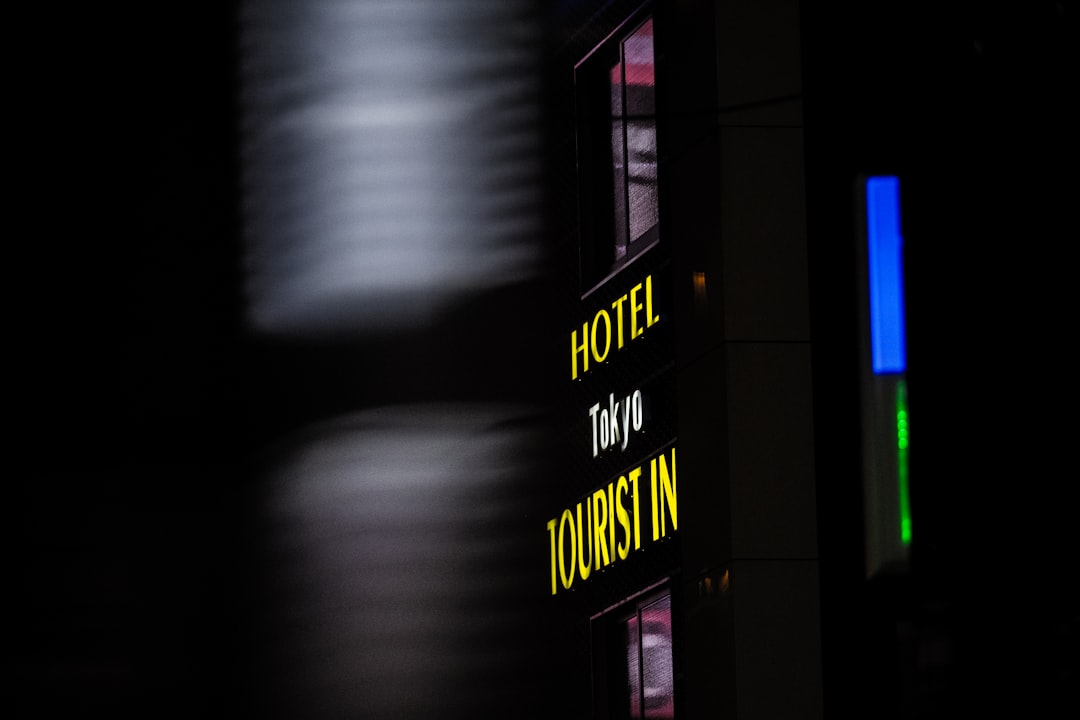
- Neon signs: Often in English with words like “Hotel,” “Rest,” or the establishment’s name
- No ground-floor lobby: Most have elevated or hidden entrances for privacy
- Curtained or underground parking: Discrete car access is a dead giveaway
- Price boards: Digital displays showing “rest” and “stay” rates
During my early days exploring Tokyo’s entertainment districts, I made the rookie mistake of thinking every unusually designed building was a love hotel. Turns out, some are just regular businesses with creative architects – but the price boards are the telltale sign.
Pro Tip: Love hotels cluster in entertainment districts like Tokyo’s Shibuya, Shinjuku, and Ikebukuro. If you see several themed buildings with price displays in the same area, you’ve found a love hotel district.

Love Hotel Districts and Locations
Love hotels aren’t randomly scattered across Japan like vending machines (though sometimes it feels that way). They’re strategically located in specific areas that locals know well.
Tokyo Hotspots
- Shibuya: Dogenzaka area, just behind the famous crossing
- Shinjuku: Kabukicho district – Tokyo’s biggest entertainment area
- Ikebukuro: Both east and west sides have clusters
- Ueno: Near the train station and park areas
- Ameya-Yokocho: Mixed in with regular shopping
Other Major Cities
Osaka’s Tobita Shinchi, Kyoto’s Gion district periphery, and virtually every Japanese city with a nightlife scene has its share of love hotels. They’re particularly common near train stations, universities, and business districts.
What surprised me most was discovering guided cultural tours of Tokyo that actually point out these districts as part of understanding modern Japanese urban culture. It’s treated as naturally as pointing out a department store.
Pro Tip: Use Google Maps and look for areas with unusual building clusters near train stations. The satellite view often reveals the distinctive architecture of love hotel districts before you arrive.

The Love Hotel Experience: What to Expect
Okay, let’s get to the practical stuff. Maybe you’re genuinely curious about staying in one, or perhaps you’re just wondering what happens if you accidentally wander into one. Here’s the real deal from someone who’s navigated this terrain.
The Check-in Process
- Choose your room: Most love hotels display available rooms on a lit board with photos and prices
- Press the button: Select your desired room (the button will light up or change color)
- Go to your room: Take the elevator to your selected floor and room number
- Pay at the room: Most have payment machines inside the room, not at a front desk
- Enjoy privacy: Staff interaction is minimal by design
The first time I witnessed this process, I stood there for five minutes trying to figure out if the lit room photos were some kind of high-tech menu. They are, essentially – a menu of themed experiences.
Room Amenities
Love hotel rooms make regular hotels look boring. We’re talking karaoke machines, elaborate bathrooms with color-changing lights, themed costumes, room service menus, and sometimes amenities that would make a spa jealous. The attention to detail is incredible – these places compete on experience, not just location.
Pro Tip: Many love hotels accept foreign credit cards, but bring cash just in case. The payment systems are often in Japanese only, so having someone translate via local cultural experiences can be helpful for first-timers.

Love Hotel Etiquette and Cultural Understanding
Here’s where cultural sensitivity becomes important. Love hotels aren’t tourist attractions in the traditional sense – they serve a real purpose in Japanese society. Approaching them with respect and understanding is crucial for any visitor to Japan.
Do’s and Don’ts
- Do: Treat them as legitimate businesses
- Do: Respect other guests’ privacy completely
- Do: Follow posted rules and time limits
- Don’t: Take photos of exteriors or other guests
- Don’t: Be loud or disruptive
- Don’t: Assume all Japanese people use them regularly
Understanding love hotels helps you understand modern Japanese culture – the balance between traditional values and contemporary needs, the importance of privacy, and the innovative solutions Japanese society creates for social challenges. It’s sociology wrapped in neon and themed like a fairy tale.
When discussing Japan travel tips with other visitors, I always emphasize that love hotels represent Japanese practicality and attention to customer service, not the sensationalized image often portrayed in Western media.
Pro Tip: If you’re genuinely interested in understanding this aspect of Japanese culture, consider it part of your cultural education about modern Japan – just like visiting temples helps you understand traditional Japan.

Practical Information for 2026 Travelers
Planning to visit Japan in 2026? Here’s what you need to know about love hotels from a practical traveler’s perspective.
Costs and Budgeting
Love hotels typically offer two pricing structures:
- “Rest” rates: 2-3 hours during the day (¥3,000-8,000)
- “Stay” rates: Overnight accommodation (¥6,000-15,000)
Premium themed rooms cost more, and prices spike during peak times like Valentine’s Day, Christmas Eve, and New Year’s. Honestly, some of the elaborate suites cost more than luxury hotel rooms – but you’re paying for a unique experience, not just a place to sleep.
Language Barriers
Most love hotels operate with minimal English, though many have visual systems that make the process manageable. Room selection boards usually have photos, and payment machines often have basic English options. The reduced staff interaction actually helps with language barriers – privacy by design.
Safety and Legitimacy
Legitimate love hotels are safe, clean, and professionally operated. They’re subject to health inspections and business regulations just like any other accommodation. However, as with any travel scenario, having proper travel insurance is always wise when exploring unfamiliar aspects of a culture.
Pro Tip: Love hotels often have the most advanced technological amenities in Japan – from high-tech toilets to entertainment systems. If you want to experience peak Japanese innovation and hospitality, this is actually where you’ll find it.
Are love hotels legal and safe for tourists?
Yes, love hotels are completely legal businesses in Japan, regulated and licensed like any other accommodation. They maintain high cleanliness and safety standards, and tourists are welcome as customers. Staff are professional, and the establishments follow strict health codes and business regulations.
Can single travelers use love hotels?
Absolutely. While designed primarily for couples, single travelers can book love hotel rooms. Some locations may have policies about single occupancy, but most welcome solo guests. It’s actually a way to experience unique themed accommodations you won’t find in regular hotels.
Do I need to speak Japanese to use a love hotel?
Not necessarily. Most love hotels use visual systems – lit boards with room photos and prices, payment machines with basic English options, and minimal staff interaction by design. The process is largely self-service, which actually helps overcome language barriers.
What’s the difference between “rest” and “stay” rates?
“Rest” rates (usually ¥3,000-8,000) are for short stays of 2-3 hours, typically during daytime. “Stay” rates (¥6,000-15,000) are for overnight accommodation, usually check-in after 8 PM and check-out by 10-11 AM. Rest periods are popular during lunch hours and early evenings.
Are love hotels just in Tokyo, or throughout Japan?
Love hotels exist throughout Japan, in virtually every city and town. While Tokyo has the most famous districts (Shibuya, Shinjuku, Ikebukuro), you’ll find them in Osaka, Kyoto, rural areas, and even small towns. They’re particularly common near train stations, universities, and entertainment districts nationwide.
Love hotels represent a uniquely Japanese approach to privacy, service, and social needs. Whether you’re curious from a cultural perspective or considering them as an accommodation option, understanding them helps you appreciate the complexity and innovation of modern Japanese society. They’re not weird – they’re just different, and sometimes different is exactly what makes travel memorable.
Remember, the best Japan travel experiences come from approaching new cultural elements with respect and open-mindedness. Love hotels are just one fascinating facet of a country that constantly surprises visitors with its blend of tradition and modernity.

🗺️ Area Map
🗺️ Interactive Map
Watch Before You Go
Watch Before You Go: Where to Stay in Tokyo? 🌸 15 Tips & Booking Guide for Hotels in Japan
What Travelers Say
“Love hotels in Japan are a unique cultural phenomenon that offers travelers clean, modern accommodations with distinctive themed rooms and hourly rates. While originally designed for couples seeking privacy, many now welcome solo travelers and tourists looking for an authentic slice of Japanese culture at budget-friendly prices.”
“Stayed at a love hotel in Shibuya out of curiosity and was pleasantly surprised by how clean and well-maintained everything was. The room had amazing amenities like a jacuzzi and karaoke machine, plus it was half the price of nearby business hotels – definitely a memorable experience that’s uniquely Japanese!”
コメント