Picture this: You’re standing before a 750-year-old bronze Buddha that’s taller than a four-story building, surrounded by misty mountains and the distant sound of temple bells. Then you realize you left Tokyo just an hour ago and will be back in time for dinner in Shibuya. Welcome to the magic of a Kamakura day trip from Tokyo – where ancient Japan feels refreshingly accessible, even if you can’t figure out which train button opens the doors (hint: it’s the one everyone else is pressing).
Kamakura isn’t just another day trip destination; it’s a time machine disguised as a train ride. This former capital of Japan (1185-1333) packs more temples, shrines, and “wow, I can’t believe this exists” moments into its compact borders than should be legally allowed. And the best part? It’s perfectly doable as a day trip from Tokyo, even if you’re the type of traveler who needs three cups of coffee before making any decisions.
| Quick Facts | Details |
|---|---|
| Distance from Tokyo | 50km (31 miles) southwest |
| Travel Time | 45-60 minutes by train |
| Best Train | JR Tokaido Line to Fujisawa, transfer to JR Tokaido Main Line |
| Alternative Route | Odakyu Line to Fujisawa, transfer to JR Tokaido Line |
| Day Trip Cost | ¥2,000-4,000 ($15-30) including transport and temples |
| Best Time to Visit | Early morning arrival (8-9 AM) to beat crowds |
| Top Highlights | Great Buddha, Hase Temple, Bamboo Forest, Hokokuji Temple |
- Getting to Kamakura from Tokyo: Train Options That Won’t Break Your Brain
- Morning Must-Sees: The Great Buddha and Hase Temple
- Afternoon Adventures: Bamboo Groves and Hidden Temples
- Kamakura Food Scene: Where Ancient Meets Delicious
- Planning Your Perfect Kamakura Day Trip Itinerary
- Best Times to Visit and Seasonal Considerations
- 🗺️ Area Map
- Watch Before You Go
- What Travelers Say
Getting to Kamakura from Tokyo: Train Options That Won’t Break Your Brain
Let me save you from the rookie mistake I made on my first Kamakura day trip: staring at the Tokyo train map like it held the secrets of the universe. There are actually just two main routes, and both are delightfully straightforward once you know the drill.
Route 1: JR Pass Friendly (My Personal Favorite)
- Take the JR Tokaido Line from Tokyo Station or Shimbashi
- Ride to Fujisawa Station (about 50 minutes)
- Transfer to the JR Tokaido Main Line
- Take it just one stop to Kamakura Station (5 minutes)
Route 2: Slightly Faster but Requires Extra Payment
- Take the Odakyu Line from Shinjuku
- Express train to Fujisawa (about 35 minutes)
- Transfer to JR Tokaido Line to Kamakura
The JR route is your friend if you have a JR Pass – it’s completely covered and you’ll feel smugly economical. The Odakyu route is faster but costs extra, even with a JR Pass. Either way, you’ll be in Kamakura faster than you can say “daibutsu” (that’s “great Buddha” for those keeping score at home).
Pro Tip: Download Google Translate with the camera function before you go. Those station signs suddenly become much less intimidating when your phone can read them for you – it’s like having a bilingual friend in your pocket.

Morning Must-Sees: The Great Buddha and Hase Temple
Start your Kamakura day trip with the main event – the Great Buddha (Kotoku-in Temple). This isn’t just Instagram-worthy; it’s soul-stirring. Cast in 1252, this bronze beauty has survived earthquakes, tsunamis, and the occasional tourist attempting to take the perfect selfie. At 13.35 meters tall, it’s the second-largest bronze Buddha in Japan, and trust me, photos don’t do it justice.
Here’s what nobody tells you: you can actually go inside the Buddha. For just ¥20 extra (about 15 cents), you can climb inside and see the internal structure. It’s cramped, slightly claustrophobic, and absolutely fascinating – like being inside history itself. I spent way too long in there wondering about the craftsmen who built it, probably because I was avoiding the crowds outside.
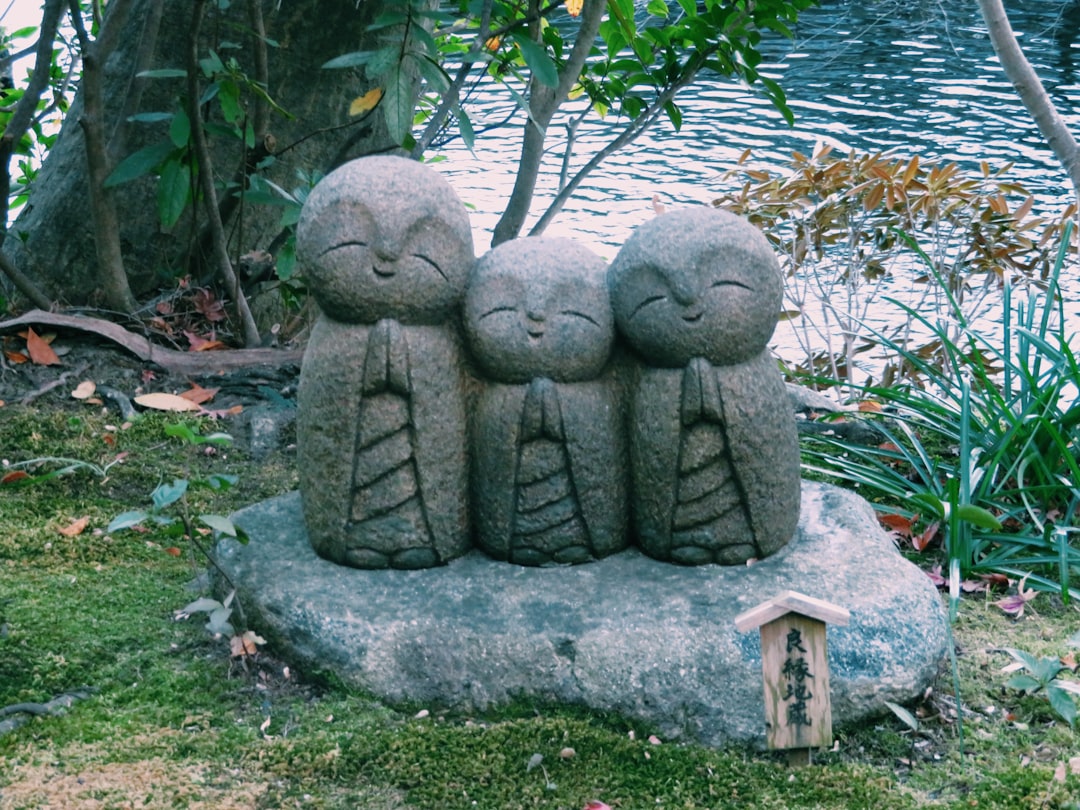
Next, walk about 10 minutes to Hase Temple, home to an 11-headed wooden statue of Kannon that’s been watching over Kamakura for over 1,300 years. The temple grounds offer stunning views of Kamakura and, on clear days, you might glimpse Mt. Fuji playing peek-a-boo on the horizon. The temple also has thousands of small Jizo statues – Buddhist figures that are said to guide souls to enlightenment. It’s both beautiful and deeply moving.
Looking for a guided experience? Check out these Kamakura day tours from Tokyo that include transportation and expert commentary – perfect if you want the stories behind the statues.
Pro Tip: Visit the Great Buddha first thing in the morning (it opens at 8 AM). The lighting is magical, the crowds are minimal, and you’ll have that “I have this ancient wonder almost to myself” feeling that makes travel dreams come true.

Afternoon Adventures: Bamboo Groves and Hidden Temples
After lunch (more on the food situation in a moment), hop on a local bus or rent a bicycle for the 15-minute journey to Hokokuji Temple. This is where Kamakura gets seriously Instagrammable – we’re talking about a bamboo grove that makes you understand why people write poetry about these towering green stalks.
The bamboo forest at Hokokuji isn’t as large as Kyoto’s famous Arashiyama grove, but it has an intimate, almost secret garden quality that I actually prefer. The way the light filters through the bamboo creates this ethereal, green-tinted world that feels like stepping into a Studio Ghibli film. You can even enjoy matcha tea in a small tea house nestled within the grove – because nothing says “perfect Japan travel moment” like sipping ceremonial tea surrounded by whispering bamboo.
If you have energy left (and you should – Kamakura is wonderfully compact), visit Sugimoto Temple, Kamakura’s oldest temple. It’s often overlooked by tourists, which means you might have these ancient grounds largely to yourself. The moss-covered stone steps and weathered statues have a haunting beauty that photographs can’t quite capture.
For those who love unique experiences, explore these cultural activities in Kamakura including traditional tea ceremonies and temple meditation sessions – perfect for diving deeper into Japanese culture during your day trip.
Pro Tip: The bamboo grove entrance fee includes a matcha and sweet set that you can enjoy in the tea house. It’s not just touristy fluff – it’s a genuine tea ceremony experience in one of the most peaceful settings you’ll find anywhere.

Kamakura Food Scene: Where Ancient Meets Delicious
Let’s talk about fueling your Kamakura day trip, because temple-hopping works up an appetite. Kamakura’s food scene is delightfully unpretentious – think local specialties served in family-run shops that have been perfecting their craft for generations.
Shirasu (Tiny White Fish) is Kamakura’s claim to culinary fame. These thumbnail-sized fish are served either raw (nama-shirasu) or lightly boiled (kamaage-shirasu) over rice. It sounds simple, and it is – but that’s the beauty of it. The freshness is incredible, and the taste is delicate and oceanic without being fishy. I was skeptical at first (they look like tiny see-through noodles), but now I crave them every time I visit.
Where to eat:
- Tobiccho: The shirasu specialists near Enoshima Station
- Kamakura Kokomae: Perfect for lunch between temple visits
- Bills Shichirigahama: If you need familiar Western food with a view
Don’t miss trying soft-serve ice cream from one of the many street vendors – flavors range from traditional matcha to surprisingly good purple sweet potato. It’s the perfect palate cleanser between temples, and yes, there’s something wonderfully surreal about eating ice cream while contemplating 800-year-old Buddhist statues.
Pro Tip: Shirasu season runs from March to December, but many restaurants close on Tuesdays. Check opening hours before planning your Kamakura day trip itinerary – nothing ruins temple zen like finding your lunch spot unexpectedly closed.

Planning Your Perfect Kamakura Day Trip Itinerary
Here’s a realistic timeline that accounts for train transfers, photo stops, and the inevitable “wait, I need to buy omamori (protective amulets) for everyone back home” shopping moments:
8:00 AM: Depart Tokyo (grab coffee and a pastry for the train)
9:00 AM: Arrive Kamakura Station, walk to Great Buddha
9:30 AM: Great Buddha and Kotoku-in Temple
10:30 AM: Hase Temple and Kannon statue
12:00 PM: Lunch (shirasu don is mandatory)
1:30 PM: Travel to Hokokuji Temple
2:00 PM: Bamboo grove and matcha tea ceremony
3:30 PM: Sugimoto Temple (if energy permits)
4:30 PM: Souvenir shopping near Kamakura Station
5:00 PM: Return journey to Tokyo
6:00 PM: Back in Tokyo, probably planning your next Japan adventure
This schedule assumes you’re a reasonably efficient traveler who doesn’t spend 20 minutes perfecting each temple selfie (though no judgment if you do – these places are ridiculously photogenic).
What to Pack for Your Day Trip:
- Comfortable walking shoes (temple grounds can be uneven)
- Portable phone charger (for all those photos)
- Cash (many temples and local restaurants don’t accept cards)
- Light jacket (it can be cooler near the coast)
- Small backpack for temple pamphlets and souvenirs
Remember that Japan travel in 2026 means most places now accept contactless payments, but cash is still king at smaller temples and local eateries. And seriously, consider getting travel insurance before your Japan trip – it’s one of those “better safe than sorry” decisions that let you fully enjoy your adventures.
Pro Tip: Buy a temple stamp book (goshuincho) at your first temple. Each temple will provide a unique hand-brushed stamp and calligraphy for about ¥300 – it becomes a beautiful, personalized souvenir of your Kamakura day trip that beats any t-shirt.

Best Times to Visit and Seasonal Considerations
Kamakura is stunning year-round, but each season brings its own personality to your day trip experience. Spring (March-May) offers cherry blossoms that frame the Great Buddha like nature’s own picture frame – though you’ll share this Instagram moment with half of Tokyo’s population.
Summer (June-August) brings humidity that would make a sauna jealous, but also the peak shirasu season and festival energy. The hydrangea season at Hase Temple (June-July) is legendary among Japan travel enthusiasts – thousands of colorful blooms cascade down the temple steps in what locals call “ajisai paradise.”
Autumn (September-November) might be peak Kamakura season – comfortable temperatures, stunning fall colors, and that crisp air that makes temple meditation actually appealing instead of sweaty. Winter (December-February) offers the smallest crowds and occasional views of snow-capped Mt. Fuji, though some outdoor temple experiences might be chillier than comfortable.
Avoiding the Crowds: Weekday visits are significantly quieter than weekends. If you must visit on weekends, arrive early (before 9 AM) or later in the afternoon (after 3 PM). Golden Week (late April/early May) and the autumn color peak (mid-November) turn Kamakura into a very crowded, very slow-moving outdoor museum.
What’s the best way to get from Tokyo to Kamakura?
The easiest route is taking the JR Tokaido Line from Tokyo Station to Fujisawa, then transferring to the JR Tokaido Main Line for one stop to Kamakura. This route is fully covered by the JR Pass and takes about 55 minutes total. Alternatively, take the Odakyu Line from Shinjuku to Fujisawa (faster but requires additional payment even with JR Pass).
How much does a Kamakura day trip from Tokyo cost?
Budget ¥2,000-4,000 ($15-30) per person including round-trip train fare and temple entrance fees. The Great Buddha costs ¥300, most temples charge ¥200-500, and meals range from ¥1,000-2,500. If you have a JR Pass, transportation is essentially free, making this an incredibly affordable day trip.
Can I do Kamakura and Enoshima in one day?
Yes, but it’ll be rushed. Enoshima is just one train stop from Kamakura, but each destination deserves at least half a day. If you’re determined to see both, start very early (8 AM departure from Tokyo), focus on Kamakura’s highlights (Great Buddha and Hase Temple), then spend your afternoon exploring Enoshima Island and its famous shrine.
What should I eat in Kamakura?
Shirasu (tiny white fish) is Kamakura’s signature dish, served either raw or boiled over rice. It’s available March-December at local restaurants near the temples. Also try the various soft-serve ice cream flavors from street vendors – matcha and purple sweet potato are local favorites that make perfect temple-hopping snacks.
Is Kamakura good for first-time visitors to Japan?
Absolutely! Kamakura offers an perfect introduction to Japanese temple culture without the overwhelming scale of Kyoto. It’s easily accessible from Tokyo, compact enough to navigate without stress, and provides that “authentic Japan” experience that many first-time visitors crave. Plus, it’s an excellent practice run for using Japan’s train system on a smaller, more manageable scale.

🗺️ Area Map
🗺️ Interactive Map
Watch Before You Go
Watch Before You Go: Kamakura: Things to Do on a Day Trip from Tokyo
What Travelers Say
“Just an hour south of Tokyo by train, Kamakura offers a perfect escape from the capital’s urban intensity. The former medieval capital boasts over 65 Buddhist temples and Shinto shrines, plus the iconic 13th-century Great Buddha statue that draws visitors from around the world.”
“Did this as a day trip from Tokyo and it was absolutely worth it! The train ride was easy and scenic, and we managed to see the Great Buddha, explore Hase Temple, and walk through the bamboo groves all in one day. Pack comfortable shoes because there’s quite a bit of walking, but the peaceful atmosphere is such a nice contrast to Tokyo’s hustle and bustle.”
コメント