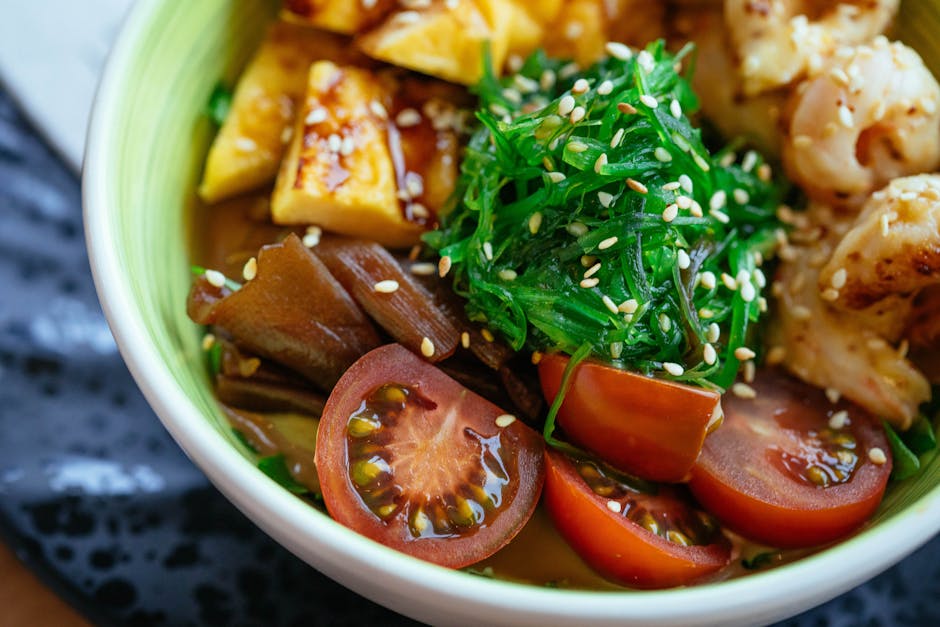
When I first landed in Japan as a wide-eyed vegan traveler, I was convinced I’d survive solely on convenience store bananas and questionable rice balls. Fast forward five years and countless culinary adventures later, I can confidently say that Japan’s vegan food scene is not only thriving—it’s absolutely spectacular. Sure, you might encounter the occasional “but fish is vegetable, right?” moment, but with the right know-how, you’ll be feasting like a plant-based emperor from Hokkaido to Okinawa.
| Quick Facts: Vegan Travel in Japan | Details |
|---|---|
| Vegan-friendly cities | Tokyo, Kyoto, Osaka, Hiroshima |
| Best app for vegans | HappyCow Japan |
| Key phrase to learn | “Bejitarian desu” (I’m vegetarian) |
| Temple food season | Year-round, best in spring/autumn |
| Convenience store wins | Onigiri, salads, soy milk, fruit |
| Traditional vegan cuisine | Shojin ryori (Buddhist temple food) |
- Understanding Japan’s Vegan Landscape: More Than Meets the Eye
- Shojin Ryori: Japan’s Original Plant-Based Fine Dining
- Modern Vegan Restaurants: Japan’s Plant-Based Revolution
- Convenience Store Survival Guide: Your 24/7 Vegan Lifeline
- Essential Japanese Phrases for Vegan Travelers
- Regional Specialties: Vegan Dishes You Can’t Miss
- Planning Your Vegan Japan Adventure
- 🗺️ Area Map
- Watch Before You Go
- What Travelers Say
Understanding Japan’s Vegan Landscape: More Than Meets the Eye
Japan’s relationship with plant-based eating runs deeper than most tourists realize. Buddhism introduced vegetarian principles over a millennium ago, creating shojin ryori—an exquisite temple cuisine that makes modern molecular gastronomy look like amateur hour. The irony? Many Japanese people don’t even realize they’re already eating vegan dishes regularly.
The modern vegan movement in Japan has exploded since 2020, with plant-based restaurants popping up faster than you can say “itadakimasu.” Cities like Tokyo now boast over 200 dedicated vegan restaurants, while even traditional establishments are adding plant-based options to attract international visitors preparing for increased Japan tourism in 2026.
Pro Tip: Download the HappyCow app before you land. The Japan-specific filters will save you from wandering the streets hangry at 9 PM when everything’s closing.

Shojin Ryori: Japan’s Original Plant-Based Fine Dining
If you think vegan food can’t be elegant, you clearly haven’t experienced shojin ryori. This Buddhist temple cuisine turns vegetables into art forms so beautiful, you’ll feel guilty eating them—which is kind of the point, philosophically speaking.
Traditional shojin ryori follows strict rules: no meat, fish, dairy, eggs, or even pungent vegetables like garlic and onions (they’re considered too stimulating). What you get instead is a meditation on texture, flavor, and seasonal ingredients that will redefine your understanding of plant-based cooking.
Where to Experience Authentic Shojin Ryori
The best temple restaurants require reservations and aren’t cheap—expect to pay ¥3,000-8,000 per person. But trust me, it’s worth every yen for the cultural immersion alone.
- Koyasan, Wakayama: Stay overnight at a temple lodging for the full experience
- Tenryu-ji, Kyoto: Michelin-recommended temple dining
- Sojiji Temple, Ishikawa: Less touristy, more authentic atmosphere
Pro Tip: Book temple meals through GetYourGuide for English-language support and guaranteed reservations—especially crucial during cherry blossom season.

Modern Vegan Restaurants: Japan’s Plant-Based Revolution
Japan’s contemporary vegan scene is absolutely bonkers in the best possible way. We’re talking about ramen that tastes meatier than actual meat, sushi made from tomatoes that’ll fool your omnivore friends, and vegan katsu that crunches louder than a Tokyo train station announcement.
Tokyo’s Vegan Hotspots
Tokyo leads Japan’s vegan charge with neighborhoods like Shibuya and Harajuku becoming plant-based paradises:
- Ain Soph (Multiple locations): Their vegan pancakes are Instagram-famous for good reason
- T’s Restaurant (Jiyugaoka): Vegan versions of Japanese comfort food that’ll make you question reality
- Veganic to go (Omotesando): Grab-and-go heaven for busy sightseeing days
- Nagi Shokudo (Shibuya): Macrobiotic meals that somehow taste indulgent
Beyond Tokyo: Vegan Adventures Across Japan
Don’t limit yourself to the capital! Osaka’s vegan takoyaki (yes, really) and Kyoto’s modern interpretations of traditional kaiseki will blow your mind. Even smaller cities are jumping on the plant-based bandwagon as Japan travel tips increasingly highlight vegan-friendly options.
Pro Tip: Many restaurants offer lunch sets (teishoku) that are significantly cheaper than dinner. Your wallet and stomach will thank you.

Convenience Store Survival Guide: Your 24/7 Vegan Lifeline
Japan’s convenience stores—konbini to locals—are your secret weapon for vegan survival. These magical establishments are everywhere (seriously, there’s probably one in the bathroom of the one you’re currently standing in), open 24/7, and surprisingly vegan-friendly once you crack the code.
Safe Bets at Every Konbini
- Onigiri: Look for umeboshi (pickled plum), konbu (seaweed), or simple salted varieties
- Salads: Basic green salads are usually safe, but skip the dressing packets
- Soy milk: Available in more flavors than a coffee shop menu
- Fresh fruit: Expensive but pristine quality
- Edamame: The perfect protein-packed snack
I made the rookie mistake of assuming all rice balls were vegan-friendly during my first week. Spoiler alert: many contain fish flakes or other animal products hidden in the ingredients list that might as well be written in ancient hieroglyphics.
Pro Tip: Download Google Translate’s camera feature to scan ingredient lists. It’s not perfect, but it’ll save you from accidentally eating fish sauce.
Essential Japanese Phrases for Vegan Travelers
Communication is key when navigating Japan’s food scene as a vegan. While English is increasingly common in major cities, having a few key phrases will open doors (and menus) that might otherwise remain closed.
Must-Know Vegan Vocabulary
| English | Japanese | Pronunciation |
|---|---|---|
| I’m vegetarian | ベジタリアンです | Bejitarian desu |
| No meat, fish, or dairy | 肉、魚、乳製品は食べられません | Niku, sakana, nyuseihin wa taberaremasen |
| Is this vegan? | これはビーガンですか? | Kore wa biigan desu ka? |
| Do you have vegan options? | ビーガンの選択肢はありますか? | Biigan no sentakushi wa arimasu ka? |
Practice these phrases until they roll off your tongue smoother than a shinkansen pulling into Tokyo Station. Restaurant staff will appreciate your effort, even if your pronunciation makes them giggle—which, honestly, is half the fun of travel.
Regional Specialties: Vegan Dishes You Can’t Miss
Each region of Japan offers unique plant-based specialties that reflect local ingredients and cultural traditions. As you explore different prefectures during your Japan travel adventure, keep an eye out for these regional gems.
Hokkaido: Northern Comfort
Hokkaido’s agricultural abundance translates to incredible vegetable-forward dishes. The region’s corn, potatoes, and dairy alternatives (made from local soy) create hearty meals perfect for colder weather.
Kansai Region: Tradition Meets Innovation
The Kyoto-Osaka corridor offers the perfect blend of traditional Buddhist cuisine and cutting-edge vegan innovations. Kyoto’s tofu kaiseki and Osaka’s modern plant-based street food represent Japan’s culinary evolution beautifully.
Pro Tip: Consider booking a food tour specifically focused on vegetarian options to discover hidden local spots that don’t appear in guidebooks.
Planning Your Vegan Japan Adventure
Successful vegan travel in Japan requires a bit more planning than your average omnivore adventure, but the rewards are absolutely worth the extra effort. Here’s how to set yourself up for plant-based success.
Pre-Trip Preparation
- Research your destinations: Not all Japanese cities are equally vegan-friendly
- Book accommodations with kitchenettes: Having cooking facilities provides backup options
- Download essential apps: HappyCow, Google Translate, and Hyperdia for train schedules
- Pack emergency snacks: Protein bars and nuts for those “everything’s closed” moments
- Consider travel insurance: Comprehensive coverage includes food-related emergencies
Getting Around: Vegan-Friendly Transportation
Japan’s incredible rail system makes vegan travel easier than ever. Many shinkansen stations now feature plant-based bento boxes, and longer journeys mean you can plan meal stops in vegan-friendly cities along your route.
Pro Tip: The JR Pass isn’t just economical—it gives you flexibility to detour to cities with better vegan options without worrying about ticket costs.
Is it expensive to eat vegan in Japan?
Vegan dining in Japan ranges from budget-friendly to splurge-worthy. Convenience store meals cost ¥200-500, casual restaurants run ¥800-1,500, while high-end shojin ryori can reach ¥8,000. Overall, it’s comparable to omnivore dining, sometimes cheaper since you’re avoiding premium meat and fish.
Can I find vegan options outside major cities?
Yes, but it requires more planning. Smaller towns often have traditional Buddhist temples serving shojin ryori, and even rural areas offer rice dishes, vegetable tempura, and tofu-based meals. Learn key phrases and use translation apps to communicate your dietary needs effectively.
What about vegan soy sauce and miso?
Most traditional soy sauce and miso are naturally vegan, made from soybeans, salt, and koji (fermentation starter). However, some varieties contain fish-based ingredients, so check labels or ask restaurant staff. High-quality artisanal producers typically stick to traditional vegan recipes.
Are there vegan versions of popular Japanese dishes?
Absolutely! Modern Japanese vegan restaurants serve plant-based versions of ramen, sushi, katsu, takoyaki, and even wagyu beef made from mushrooms and plant proteins. Cities like Tokyo and Osaka lead this culinary innovation, with new vegan interpretations appearing regularly.
How do I handle business dinners or formal meals as a vegan?
Communicate your dietary requirements well in advance through your host or hotel concierge. Many upscale restaurants can prepare special vegan courses with notice. Consider bringing a translated explanation of your dietary needs, and always express gratitude for accommodations made on your behalf.
🗺️ Area Map
🗺️ Interactive Map
Watch Before You Go
Watch Before You Go: Where to Eat VEGAN FOOD in Osaka, Japan | Osaka Vegan Food Tour 2025
What Travelers Say
“Japan’s Buddhist temple cuisine, known as shojin ryori, has created a sophisticated vegan culinary tradition spanning centuries. Major cities like Tokyo and Kyoto now offer everything from traditional Buddhist restaurants to modern plant-based ramen shops, making Japan surprisingly accommodating for vegan travelers.”
“I was worried about finding vegan food in Japan, but it turned out to be amazing! The tofu kaiseki dinner at Shigetsu in Kyoto was absolutely incredible – 9 courses of pure artistry. Even convenience stores have great options like onigiri with pickled plum and various vegetable bentos.”
コメント