📰 Latest News & Updates
- Guide: Nintendo Indie World Showcase March 2026: Every Announcement, Game Reveal, Trailer — Nintendo Life, 2026-03-03
- Everything Shown On The Nintendo Indie World Showcase: March 2026 — Bleeding Cool News, 2026-03-03
- Nintendo Indie World roundup for 3rd March, 2026 — My Nintendo News, 2026-03-03
So you’re thinking about tackling Japan solo? Brilliant choice! When I first stepped off the plane at Narita with nothing but a backpack and questionable confidence in my rusty Japanese phrases, I had no idea I was about to experience the most solo-traveler-friendly country on Earth. Sure, I may have accidentally ordered three bowls of ramen on my first night (the staff just smiled and let me struggle through all three), but that’s part of the adventure, right?
Japan isn’t just safe for solo travelers — it’s practically designed for us. From the train system that runs like clockwork (seriously, it makes Swiss watches look unreliable) to the countless solo dining spots where slurping noodles alone is not just acceptable but expected, Japan welcomes independent explorers with open arms.
| Category | Details |
|---|---|
| Best Time to Visit | Spring (March-May) & Fall (September-November) |
| Solo Budget (per day) | Budget: $50-70 | Mid-range: $80-120 | Luxury: $150+ |
| Transportation | JR Pass recommended for multi-city trips |
| Language Barrier | Minimal in major cities, Google Translate works great |
| Solo Safety Rating | Excellent (one of the world’s safest countries) |
- Is Japan Safe for Solo Travelers?
- Planning Your Japan Solo Adventure
- Solo-Friendly Accommodation Options
- Navigating Japan’s Food Scene Solo
- Solo Travel Transportation Mastery
- Solo Experiences and Activities
- Solo Travel Budget Breakdown
- Cultural Etiquette for Solo Travelers
- 🗺️ Area Map
- Watch Before You Go
- What Travelers Say
Is Japan Safe for Solo Travelers?
Let me put this to rest right away: Japan is incredibly safe for solo travelers, including solo female travelers. I’m talking leave-your-phone-on-a-table-while-you-use-the-bathroom-and-find-it-exactly-where-you-left-it safe. The crime rate is so low that the biggest danger you’ll face is probably overeating at an all-you-can-eat yakiniku place (speaking from delicious experience).
Japanese culture values respect, order, and helping others — especially confused-looking tourists fumbling with train maps. I’ve had strangers walk me to my destination just to make sure I didn’t get lost. Solo female travelers regularly report feeling safer walking alone in Tokyo at 2 AM than they do in their home cities during broad daylight.
The infrastructure supports solo travel beautifully too. Public transportation is safe, efficient, and well-lit. Accommodations, from hostels to hotels, are accustomed to solo guests. Even the convenience stores (konbini) are 24/7 safe havens where you can grab everything from a hot meal to an umbrella.
Pro Tip: Download the SafetyWing travel insurance app before you go. While Japan is incredibly safe, having coverage for medical emergencies gives you one less thing to worry about as a solo traveler.

Planning Your Japan Solo Adventure
When to Visit Japan in 2026
Spring (March-May) and fall (September-November) are peak times for good reason — cherry blossoms and autumn leaves respectively. But here’s a solo traveler secret: winter (December-February) can be magical and much less crowded. Yes, it’s cold, but there’s something wonderfully peaceful about being one of the few people at a snow-dusted temple at dawn.
Summer (June-August) is hot and humid, but it’s also festival season. If you can handle the weather, you’ll catch some incredible matsuri (festivals) and have a more authentic experience alongside Japanese vacationers.
Essential Solo Travel Preparations
- Get a JR Pass: If you’re planning to visit multiple cities, the Japan Rail Pass pays for itself after just one Tokyo-Kyoto round trip
- Download Google Translate: The camera feature for translating text is a game-changer for menus and signs
- Book accommodation early: Solo-friendly places fill up fast, especially during peak seasons
- Learn basic phrases: “Sumimasen” (excuse me) and “Arigato gozaimasu” (thank you) will get you far
- Get cash: Japan is still largely cash-based, so withdraw from 7-Eleven ATMs
Pro Tip: Book a Tokyo orientation walking tour on your first day. It’s a great way to get your bearings and meet other travelers.

Solo-Friendly Accommodation Options
Hostels: The Solo Traveler’s Best Friend
Japanese hostels are clean, quiet, and perfect for meeting fellow travelers. Many offer private pods or capsules if you want your own space while maintaining that social atmosphere. Some of my favorites include Khaosan Tokyo, Book and Bed (you literally sleep in a bookshelf), and Grids Hostel with its modern minimalist vibe.
Capsule Hotels: The Quintessentially Japanese Experience
Don’t let the size fool you — these pods are surprisingly comfortable and often cheaper than regular hotels. Plus, you’ll have a story to tell back home. First Cabin and Nine Hours are reliable chains with locations across major cities.
Business Hotels: Practical Solo Comfort
These no-frills accommodations cater to solo business travelers, meaning single rooms at reasonable prices. APA Hotels, Toyoko Inn, and Route Inn are everywhere and consistently decent.
Pro Tip: Book accommodations near train stations. The convenience factor for solo travelers — especially when hauling luggage — is worth the slight premium.

Navigating Japan’s Food Scene Solo
Here’s where Japan truly shines for solo diners. Forget the awkward “table for one” experience — in Japan, eating alone is completely normal and often preferred.
Counter Seating Culture
Ramen shops, sushi bars, and izakaya (Japanese pubs) often have counter seating designed for solo diners. At Ichiran Ramen, you’ll sit in your own little booth with a privacy screen — it’s like dining in your personal ramen cocoon. Just don’t expect to eat quietly; attempting to slurp ramen silently is Japan’s ultimate tourist challenge, and you will fail spectacularly.
Convenience Store Adventures
Don’t underestimate konbini food! 7-Eleven, FamilyMart, and Lawson serve surprisingly high-quality meals. I’ve had better fried chicken from a convenience store in Japan than from many restaurants back home. Perfect for solo travelers on a budget or those late-night munchie attacks.
Department Store Food Courts
The basement food courts (depachika) in department stores are solo dining paradise. You can sample different cuisines, people-watch, and enjoy restaurant-quality food in a casual setting.
Pro Tip: Join a Tokyo food tour on your first few days. You’ll discover hidden gems and learn dining etiquette that’ll serve you throughout your trip.

Solo Travel Transportation Mastery
The Train System: Your New Best Friend
Japan’s train system is so efficient it’ll make you question every public transportation system you’ve ever used. Download Hyperdia or Google Maps for route planning, and remember — if you’re lost, just find a station attendant. They’ll help you even if it requires elaborate charades.
IC Cards: Your Magic Transportation Key
Get a Suica or Pasmo card immediately. These rechargeable cards work on trains, buses, and even for purchases at convenience stores. It’s like having a magic wand that opens doors and buys coffee.
Regional Transportation
For longer distances, the shinkansen (bullet train) is an experience in itself. Book non-reserved seats to save money, or splurge on Green Car for the luxury experience. Local buses can be confusing, so stick to trains when possible.
Pro Tip: Download offline maps before exploring remote areas. Cell coverage is excellent in cities but can be spotty in mountainous regions.

Solo Experiences and Activities
Temple and Shrine Visits
These peaceful spaces are perfect for solo contemplation. Visit early morning or late afternoon for fewer crowds and better photos. Don’t miss Fushimi Inari in Kyoto, Meiji Shrine in Tokyo, and Kinkaku-ji (Golden Pavilion) — though that last one is never truly quiet!
Onsen (Hot Springs) Solo
Many solo travelers worry about onsen etiquette, but it’s simpler than you think. Follow the washing procedure, keep quiet, and relax. Some places offer private onsen if you’re nervous about the communal experience.
Shopping Adventures
From the organized chaos of Don Quijote to the refined department stores of Ginza, shopping solo in Japan is therapeutic. You can spend hours in Akihabara electronics stores or get lost in the fashion maze of Harajuku without anyone rushing you.
Solo Day Trips from Major Cities
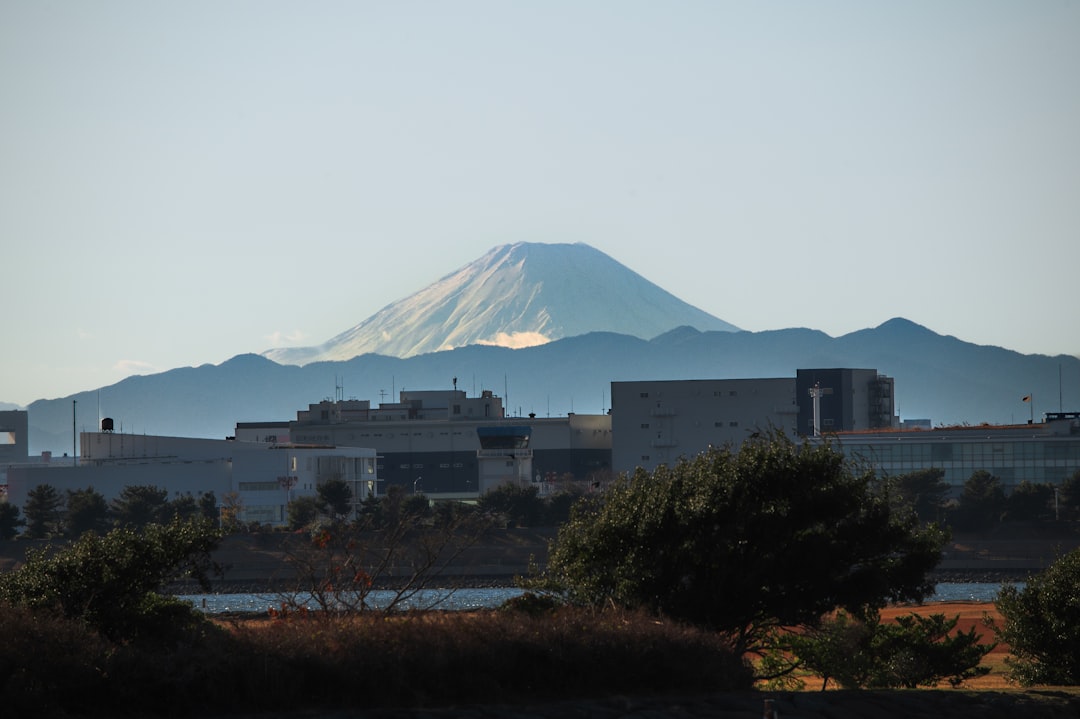
- From Tokyo: Nikko, Kamakura, or Mount Fuji area
- From Kyoto: Nara, Osaka, or Himeji Castle
- From Osaka: Koyasan, Hiroshima (day trip via shinkansen)
Pro Tip: Book a Mount Fuji day tour if you’re short on time. Solo travelers often get better spots on tour buses, and you’ll meet like-minded adventurers.

Solo Travel Budget Breakdown
Budget Solo Travel (-70/day)
- Accommodation: Hostels or capsule hotels ($20-30)
- Food: Convenience stores, ramen shops, set meals ($15-25)
- Transportation: Local trains and buses ($10-15)
- Activities: Free temples, parks, people-watching ($0-10)
Mid-Range Solo Travel (-120/day)
- Accommodation: Business hotels or nice hostels ($40-60)
- Food: Mix of restaurants and casual dining ($25-40)
- Transportation: JR Pass daily value plus local transport ($20-30)
- Activities: Museums, some paid attractions ($15-25)
Luxury Solo Travel (0+/day)
- Accommodation: Nice hotels, ryokan experiences ($80-150)
- Food: Kaiseki dinners, sushi omakase ($50-100)
- Transportation: Green Car, taxis when needed ($30-50)
- Activities: Premium experiences, guided tours ($40-80)
Remember, solo travelers actually save money in Japan since many costs (accommodation, tours, transportation passes) don’t scale with group size.

Cultural Etiquette for Solo Travelers
Japanese culture appreciates quiet confidence and respect — perfect qualities for successful solo travel. Here are the essentials:
- Bow slightly when greeting: You don’t need to master the art, just a small nod shows respect
- Remove shoes: When entering homes, some restaurants, and temples
- Quiet on public transport: Keep phone conversations and music volume low
- Don’t eat while walking: Find a spot to sit or stand while eating
- Be patient: Service can seem slow, but it’s thorough and thoughtful
The Japanese concept of “omotenashi” (hospitality) means people will go out of their way to help you, even if there’s a language barrier. I once had a shopkeeper walk three blocks to show me where a restaurant was because my pronunciation of the address was apparently… creative.
Pro Tip: Learn to say “Gochisousama deshita” after meals. It shows appreciation and always gets a smile from restaurant staff.
Solo travel in Japan isn’t just doable — it’s transformative. You’ll discover that the country’s respect for individual space and independence makes it one of the best solo travel destinations in the world. Whether you’re slurping ramen at 11 PM, getting lost in ancient temples, or marveling at the controlled chaos of Shibuya Crossing, Japan rewards the solo adventurer with experiences that are both deeply personal and universally magical.
So pack that bag, download your apps, and prepare for the adventure of a lifetime. Japan is waiting for you, and trust me — you’re going to love every overwhelming, wonderful minute of it.
Is it expensive to travel solo in Japan?
Japan can be affordable for solo travelers if you plan wisely. Budget $50-70 per day for hostels, convenience store meals, and local transport. Mid-range solo travel runs $80-120 daily. Solo travelers actually save on group costs and can take advantage of counter seating at restaurants.
Do I need to speak Japanese to travel solo in Japan?
No, you don’t need to speak Japanese fluently. Major cities have English signage, Google Translate works excellently, and Japanese people are incredibly helpful to lost tourists. Learning basic phrases like “arigatou gozaimasu” (thank you) and “sumimasen” (excuse me) goes a long way.
What’s the best way to meet people as a solo traveler in Japan?
Stay in hostels with common areas, join walking tours or food tours, visit izakaya (Japanese pubs) with counter seating, and participate in cultural activities like tea ceremonies. Many solo travelers connect through hostel-organized events and day tours.
Is solo female travel safe in Japan?
Yes, Japan is one of the safest countries in the world for solo female travelers. Women regularly walk alone at night, crime rates are extremely low, and the culture emphasizes respect and helping others. Solo female travelers consistently rate Japan as their safest travel destination.
How many days do I need for my first solo trip to Japan?
For first-time solo travelers, 10-14 days is ideal. This allows 4-5 days in Tokyo, 3-4 days in Kyoto/Osaka, and time for day trips like Mount Fuji or Nara. This timeframe lets you experience major highlights without feeling rushed, perfect for solo exploration at your own pace.

🗺️ Area Map
🗺️ Interactive Map
Watch Before You Go
Watch Before You Go: This is Why You Should Solo Travel in Japan Right Now
What Travelers Say
“Japan stands out as one of the world’s safest destinations for solo travelers, with its efficient transportation system and helpful locals making navigation effortless even with minimal Japanese language skills. The country’s unique blend of ancient traditions and cutting-edge modernity offers endless discoveries for independent explorers.”
“I was nervous about traveling solo to Japan, but it turned out to be the most incredible experience of my life. Everyone was so respectful and kind, and I never felt unsafe even walking around Tokyo at midnight. The JR Pass made getting around super easy, and staying in capsule hotels was actually really fun!”
コメント