📰 Latest News & Updates
- Japan’s Real-Life Anime Locations: Explore Iconic Spots and Step Into Your Favorite Worlds — Whatjapanthinks.com, 2026-03-14
- The KPop Demon Hunters’ Tourism Wave Is Just Getting Started — Livemint, 2026-03-13
- Readers’ 79 Most Anticipated Spring Books — Goodreads.com, 2026-03-13
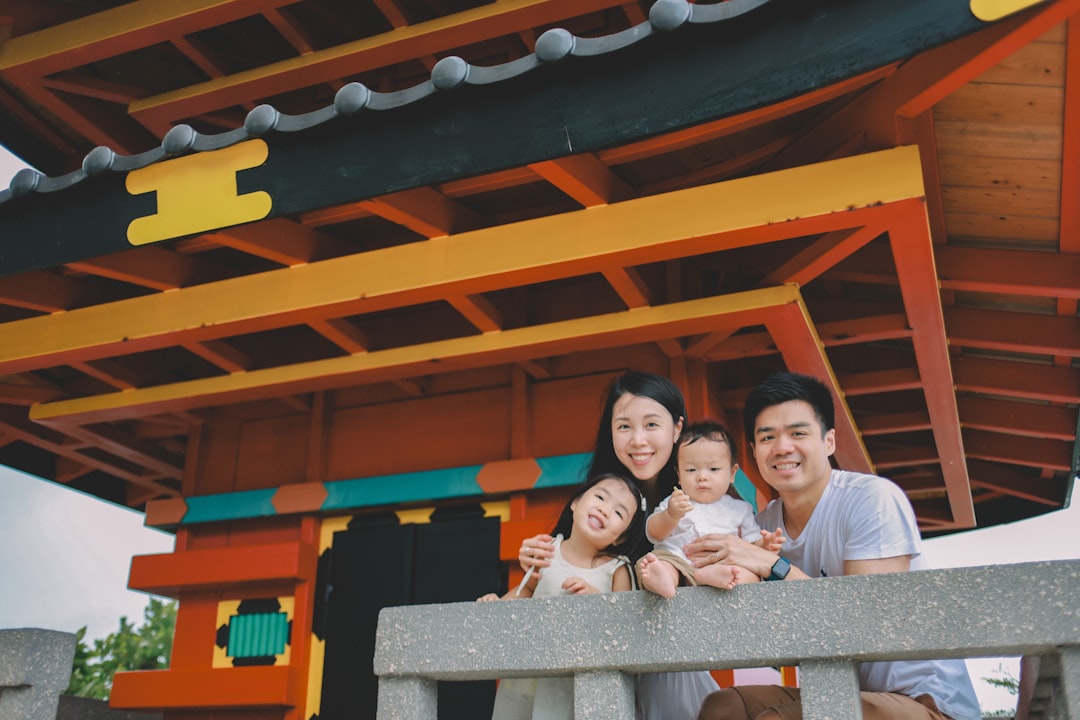
When I first traveled to Japan with my kids, I thought I had everything figured out. I’d read all the guidebooks, downloaded translation apps, and even practiced bowing in the hotel mirror (yes, really). What I hadn’t prepared for was my 8-year-old’s fascination with Tokyo’s high-tech toilets — which kept us entertained for a solid hour at Tokyo Station. Yes, the toilet has more buttons than your TV remote. No, you don’t need all of them. Maybe.
Japan might seem intimidating for families, but trust me, it’s actually one of the most family-friendly destinations on Earth. The Japanese have mastered the art of making everything work smoothly, from trains that arrive exactly on time to restaurants with incredibly detailed plastic food displays (which, let’s be honest, are a godsend when you’re trying to figure out what your picky eater might actually consume).
| Quick Facts | Details |
|---|---|
| Best time to visit | March-May, September-November |
| Family-friendly cities | Tokyo, Kyoto, Osaka, Hiroshima |
| Kid-friendly transport | JR Pass, city subway systems |
| English availability | Major cities and tourist areas |
| Safety level | Extremely safe for families |
| Must-have apps | Google Translate, Hyperdia, IC Card apps |
- Planning Your Japan Family Adventure
- Getting Around Japan with Kids
- Where to Stay: Family-Friendly Accommodations
- Kid-Friendly Attractions and Activities
- Navigating Japanese Food Culture with Kids
- Cultural Etiquette and Safety Tips for Families
- Seasonal Considerations for Japan Family Travel
- 🗺️ Area Map
- Watch Before You Go
- What Travelers Say
Planning Your Japan Family Adventure
The secret to a successful Japan family trip isn’t cramming in every temple and shrine you can find — it’s finding the perfect balance between cultural experiences and activities that’ll keep the kids engaged. After three family trips to Japan, I’ve learned that the country’s incredible efficiency actually works in parents’ favor.
Start by choosing 2-3 base cities rather than trying to see everything. Tokyo offers the perfect mix of modern attractions and traditional culture, while Kyoto provides those Instagram-worthy temple shots (and kids love the bamboo forests). Osaka is your foodie paradise, and the locals are incredibly welcoming to families.
Pro Tip: Book accommodations near train stations. Japanese trains are your best friend for family travel, and being close to stations makes everything infinitely easier with kids and luggage.
When planning your itinerary, remember that Japanese tourism continues to evolve rapidly heading into 2026, with new family-friendly attractions and improved English signage appearing regularly. Always check official websites for the latest information and consider booking popular attractions in advance.

Getting Around Japan with Kids
Let me tell you about Japanese trains: they’re so punctual I started questioning my entire life choices back home. The JR Pass is absolutely worth it for families, especially if you’re planning to visit multiple cities. Kids under 6 ride free, and those 6-11 pay half price.
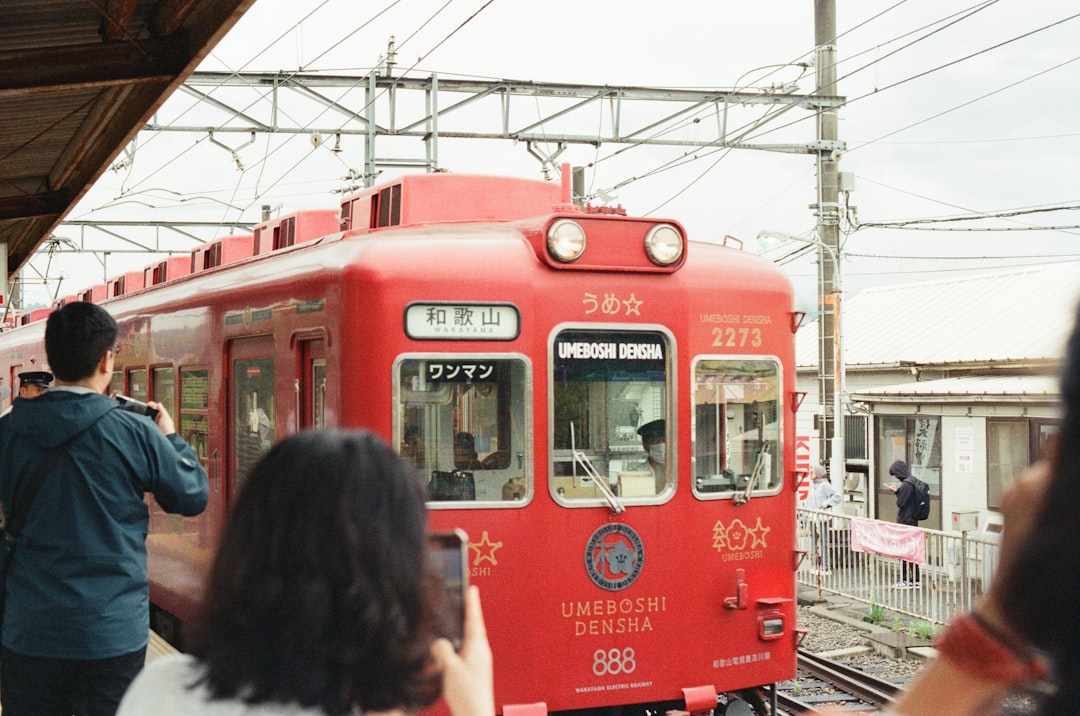
Tokyo’s train system might look intimidating at first glance, but it’s incredibly family-friendly. Elevators and escalators are everywhere, and during rush hours, there are often women-and-children cars that are less crowded. Plus, watching your kids’ faces light up when they see the bullet train for the first time? Priceless.
- Get IC cards (Suica or Pasmo) for everyone in your family
- Download the Hyperdia app for train schedules
- Always have cash — many ticket machines don’t accept foreign cards
- Board early for longer journeys to secure seats together
- Pack snacks and entertainment for train rides
Pro Tip: Reserve seats on the Shinkansen (bullet train) when traveling with kids. The small extra fee is worth it for guaranteed family seating, and you can often book seats near the bathrooms — a parent’s dream on long journeys.
For day trips and local experiences, family-friendly tours can take the stress out of navigation while providing cultural context that kids (and adults) will actually remember.

Where to Stay: Family-Friendly Accommodations
Japanese hotels have some unique quirks that can either delight or challenge families. Traditional ryokan inns offer an authentic experience, but the futon beds and shared bathrooms might not work for every family. I learned this the hard way when my toddler decided 3 AM was the perfect time to explore the hallway in search of the bathroom.
For families, I typically recommend staying in business hotels or international chains in major cities. They’re clean, efficient, and usually have family rooms or connecting rooms available. Many offer complimentary breakfast, which is a lifesaver when you’re dealing with jet-lagged kids who want familiar food.
Accommodation Options by Type:
- Business Hotels: Practical, clean, great locations near stations
- Ryokan: Traditional experience, usually better for older kids
- Vacation Rentals: Kitchen access, more space, washing machines
- International Chains: Familiar amenities, English-speaking staff
Pro Tip: Book vacation rentals in residential neighborhoods for a more authentic experience. Kids love exploring local convenience stores and small parks, and you’ll get a real taste of daily Japanese life.

Kid-Friendly Attractions and Activities
Japan’s attractions cater amazingly well to families, often in unexpected ways. Tokyo Disneyland and DisneySea are obvious choices, but don’t overlook places like teamLab Borderless (when it reopens in 2026) or the Ghibli Museum. The key is mixing high-energy activities with cultural experiences.
In Tokyo, the Senso-ji Temple might seem too traditional for kids, but the approach street (Nakamise-dori) is full of snacks and souvenirs that’ll keep them engaged. Kyoto’s Fushimi Inari shrine turns into a hiking adventure with thousands of torii gates — kids love counting them and racing ahead to the next turn.
Top Family Activities by City:
Tokyo:
- Ueno Zoo and surrounding park
- Tokyo Skytree (book timed entry tickets)
- Harajuku and Shibuya crossing
- Odaiba’s artificial beach and science museums
Kyoto:
- Bamboo Grove in Arashiyama
- Kiyomizu-dera Temple and historic streets
- Nijo Castle with its “nightingale floors”
Osaka:
- Osaka Castle and surrounding park
- Universal Studios Japan
- Dotonbori district (great for food adventures)
Pro Tip: Visit temples and shrines early in the morning when they’re less crowded and cooler. Kids can participate in traditional hand-washing rituals, and you’ll get better photos without the crowds.
For unique local experiences that kids will remember forever, consider hands-on cultural activities like sushi-making classes or traditional craft workshops designed for families.

Navigating Japanese Food Culture with Kids
Attempting to eat ramen quietly is Japan’s ultimate tourist challenge — and you will fail. The good news? Slurping is actually encouraged, which makes Japanese dining instantly more kid-friendly than you’d expect.
Japanese food culture is incredibly accommodating to families, though it might take some adjustment. Most restaurants have plastic food displays outside, which eliminates the guesswork of ordering. Kids love pointing at what they want, and you’ll love knowing exactly what you’re getting.
Kid-Friendly Food Options:
- Conveyor belt sushi: Interactive and fun for kids
- Ramen shops: Quick, filling, and entertaining
- Department store restaurant floors: Multiple options in one place
- Family restaurants (famires): Japanese chains with kid menus
- Convenience store meals: Surprisingly good and always available
Don’t worry if your kids are picky eaters. Every convenience store has onigiri (rice balls), and you can find familiar items like fried chicken, pasta, and even hamburgers. Japanese convenience stores are honestly a parent’s secret weapon — clean bathrooms, hot meals, and snacks available 24/7.
Pro Tip: Carry small wet wipes and tissues everywhere. Many Japanese bathrooms don’t provide hand towels or paper towels, and having your own supplies makes everything smoother with kids.

Cultural Etiquette and Safety Tips for Families
Japan is remarkably safe for families — so safe that elementary school kids regularly take trains alone. That said, understanding basic etiquette will make your trip smoother and more enjoyable for everyone.
Teaching kids a few simple rules goes a long way: no eating or drinking on trains (except the Shinkansen), speak quietly in public spaces, and always bow slightly when greeting someone. Kids actually love learning these customs, and Japanese people appreciate the effort.
- Remove shoes when entering homes, some restaurants, and temples
- Don’t blow your nose in public — step aside or find a bathroom
- Keep voices low on public transportation
- Wait for people to exit before boarding trains
- Don’t eat while walking (except at festivals)
While Japan is incredibly safe, it’s still wise to have proper travel insurance, especially when traveling with children. Family travel insurance provides peace of mind and covers any unexpected medical needs or trip disruptions.
Pro Tip: Carry a business card from your hotel with you at all times. If you get lost, you can show it to anyone for directions, and taxi drivers can easily find your destination.

Seasonal Considerations for Japan Family Travel
Timing your Japan family trip can make or break the experience. Cherry blossom season (late March to early May) is magical but incredibly crowded and expensive. Summer brings festivals and fireworks but also oppressive heat and humidity that can wear out kids quickly.
My favorite time for families is actually autumn (September to November). The weather is perfect, fall colors are stunning, and the summer crowds have disappeared. Spring is second best, but avoid Golden Week (late April/early May) when domestic tourism peaks.
Season-by-Season Family Travel Guide:
Spring (March-May): Cherry blossoms, mild weather, school holidays mean crowds
Summer (June-August): Festivals and fireworks, but hot and humid
Autumn (September-November): Perfect weather, beautiful fall colors, fewer crowds
Winter (December-February): Cold but clear, fewer tourists, possible snow experiences
Pro Tip: If you’re visiting during summer, plan indoor activities during the hottest parts of the day (11 AM – 3 PM). Museums, department stores, and underground shopping areas become your cooling refuges.
As we head into 2026, Japan tourism continues to adapt and improve facilities for international families. New attractions, better English signage, and enhanced family services make each year easier for visiting families.
Remember, the goal isn’t to see everything or create the perfect Instagram feed. It’s about creating memories, experiencing a different culture together, and maybe laughing about the time your kid tried to figure out the toilet buttons at Tokyo Station. Trust me, those are the stories you’ll tell for years to come.
What’s the best age for kids to visit Japan?
Japan works well for all ages, but kids 5-12 tend to get the most out of the experience. They’re old enough to appreciate cultural differences and participate in activities, but young enough to be amazed by everything. Toddlers can be challenging due to the amount of walking, while teenagers might find some traditional activities less engaging.
Do I need to speak Japanese to travel with kids in Japan?
Not at all! Major tourist areas have extensive English signage, and many younger Japanese people speak some English. Google Translate’s camera feature works amazingly well for menus and signs. Plus, Japanese people are incredibly helpful and patient, especially with families trying to communicate.
How much cash should I carry for a family trip to Japan?
Japan is still largely cash-based, especially for smaller purchases and local transport. Plan for about 10,000-15,000 yen per day for a family of four, covering meals, transport, and small purchases. ATMs at 7-Eleven stores accept foreign cards and are everywhere.
Are Japanese trains really family-friendly?
Absolutely! Trains have priority seating for families with small children, elevators at most stations, and clean bathrooms. The biggest challenge is navigating with luggage, so pack light or use luggage forwarding services between cities.
What should I pack differently for Japan family travel?
Pack comfortable walking shoes (you’ll do lots of walking), portable phone chargers, small towels (many bathrooms don’t provide them), and any specific medications your family needs. Also bring slip-on shoes since you’ll be removing them frequently.

🗺️ Area Map
🗺️ Interactive Map
Watch Before You Go
Watch Before You Go: Family Adventures in Japan: Best Activities With Kids [Tips and Advice!]
What Travelers Say
“Japan offers an incredible blend of ancient traditions and modern marvels that captivate travelers of all ages. From interactive museums and theme parks to hands-on cultural experiences like pottery making, families will find countless opportunities to create lasting memories together.”
“Traveling through Japan with our two kids (ages 8 and 12) was absolutely magical – the trains were always on time, locals were incredibly helpful despite the language barrier, and our children were fascinated by everything from robot restaurants to traditional temples. We felt completely safe everywhere we went, and the convenience stores saved us countless times with snacks and necessities.”
コメント