📰 Latest News & Updates
- 2026 Shanghai Disneyland Trip Planning Guide — Disneytouristblog.com, 2026-03-21
Japan Convenience Store Food Guide: Your 2026 Survival Kit
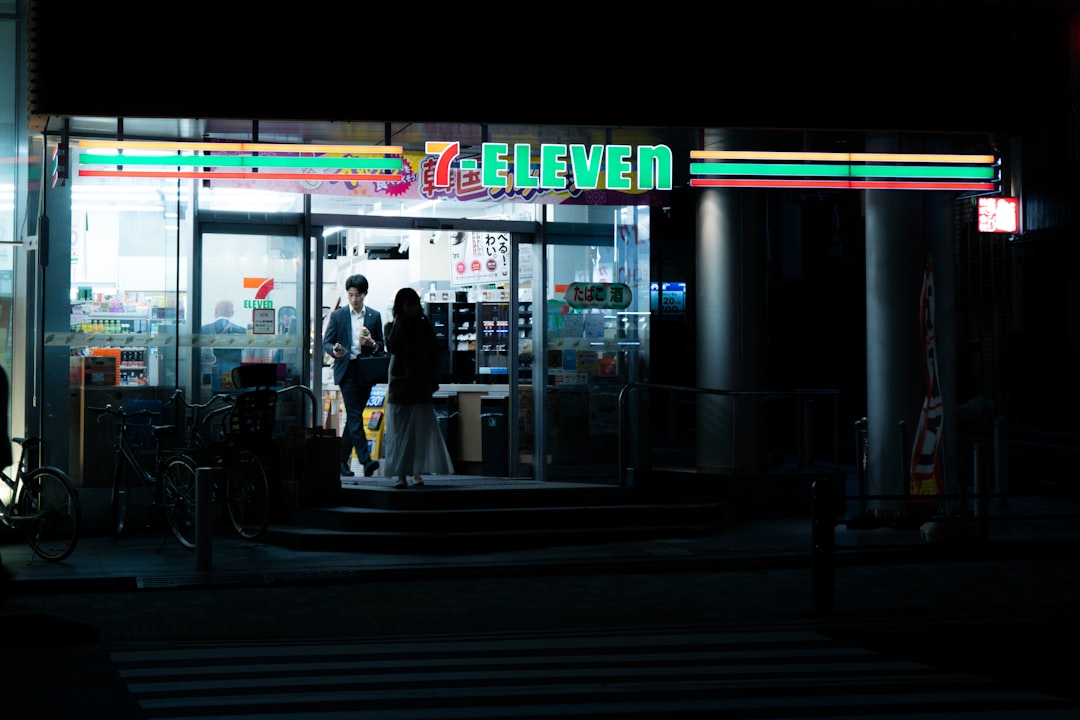
Let me paint you a picture: It’s 11 PM in Tokyo, you’ve walked approximately seventeen miles (give or take), your stomach is staging a rebellion, and the only thing open is a 7-Eleven glowing like a beacon of hope. Welcome to one of Japan’s greatest gifts to humanity — the convenience store, or as locals call it, the konbini.
When I first arrived in Japan, I made the rookie mistake of assuming convenience store food was just sad sandwiches and stale pastries. Boy, was I wrong. Japanese convenience stores serve food so good, it puts many restaurants to shame. And at 3 AM, when your jet lag has you convinced it’s breakfast time, these 24/7 food havens become your best friend.
| Fact | Details |
|---|---|
| Number of convenience stores | Over 55,000 nationwide |
| Operating hours | Most open 24/7, 365 days |
| Food refresh rate | Fresh items delivered 3-4 times daily |
| Average meal cost | ¥300-800 ($2-6 USD) |
| Top chains | 7-Eleven, FamilyMart, Lawson |
| Payment methods | Cash, IC cards, mobile payments |
- The Holy Trinity: Japan’s Top Convenience Store Chains
- Essential Japan Convenience Store Foods Every Tourist Must Try
- Hot Foods and Heating Services: Your Warm Meal Solution
- Sweet Treats and Seasonal Specialties
- Drinks and the Magical World of Japanese Beverages
- Navigation Tips: Ordering and Etiquette
- Regional Specialties and Must-Try Local Items
- Budget-Friendly Meal Planning
- 🗺️ Area Map
- Watch Before You Go
- What Travelers Say
The Holy Trinity: Japan’s Top Convenience Store Chains
Before we dive into the delicious details, let’s meet the big three players in Japan’s convenience store game. Each has its own personality and specialties, like a food court where everyone’s trying to outdo each other.
7-Eleven: The Reliable Friend
With over 21,000 locations, 7-Eleven is everywhere in Japan. Their fried chicken (karaage) is legendary, and their coffee program rivals dedicated coffee shops. I’ve seen Japanese businessmen queue specifically for 7-Eleven coffee at 7 AM — that’s dedication.
FamilyMart: The Innovation Hub
FamilyMart loves experimenting with flavors and seasonal items. They’re the ones bringing you purple sweet potato everything in autumn and sakura-flavored treats in spring. Their fried chicken is also top-tier, though locals will fight you over whether it’s better than 7-Eleven’s.
Lawson: The Gourmet Pretender
Lawson positions itself as slightly more upscale, with their “Natural Lawson” and “Lawson Store 100” variations. Their desserts are particularly impressive — I once bought a convenience store éclair that was better than ones I’d had in Parisian patisseries.
Pro Tip: Download the apps for major chains before your trip. They often have exclusive deals and show you the nearest locations — crucial when you’re lost and hungry at midnight.
If you’re planning to explore Japan’s food culture beyond convenience stores, consider joining a local food walking tour to discover hidden gems and learn about Japanese culinary traditions.

Essential Japan Convenience Store Foods Every Tourist Must Try
Now for the main event — the foods that will change your entire perspective on what “convenience” can mean. These aren’t just snacks; they’re cultural experiences wrapped in plastic.
Onigiri: The Perfect Portable Meal
Rice balls might sound boring, but Japanese onigiri are anything but. These triangular parcels of joy come with fillings like salmon, tuna mayo, pickled plum (umeboshi), or seasoned kelp. The packaging is a minor engineering marvel — pull the right tabs, and the seaweed wrapper stays crisp until the moment you unwrap it.
My personal favorite? Tuna mayo sounds basic, but it’s comfort food perfection. The spicy cod roe (mentaiko) version will change your life if you’re feeling adventurous.
Karaage: Fried Chicken Done Right
Japanese convenience store fried chicken deserves its own monument. Crispy, juicy, and seasoned with a blend that makes KFC weep with envy. It’s kept warm in little heated cases, and yes, it’s acceptable to eat it with your hands while walking down the street.
Sandwiches That Defy Logic
Japanese convenience store sandwiches are fluffy cloud-like creations that make wonder bread look like cardboard. Popular varieties include egg salad (tamago sando), katsu (breaded pork cutlet), and fruit sandwiches with fresh strawberries and cream that somehow work as a savory meal.
Pro Tip: Grab sandwiches early in the day — they’re made fresh each morning and the best varieties sell out by afternoon. Also, don’t be alarmed by the crust-free situation; it’s intentional and perfect.

Hot Foods and Heating Services: Your Warm Meal Solution
Here’s where Japanese convenience stores really flex their superiority complex. Not only do they stock amazing food, but they’ll also heat it up for you with a smile and a bow.
Bento Boxes: Complete Meals in a Container
These boxed meals range from simple rice with protein to elaborate affairs with multiple compartments. Popular options include chicken teriyaki, Hamburg steak, or seasonal specialties. The staff will heat them up perfectly in their industrial-grade microwaves that somehow make everything taste better than your hotel room microwave ever could.
Instant Ramen and Noodle Cups
Forget everything you think you know about instant noodles. Japanese convenience stores stock premium versions that cost more than your usual Cup Noodles but deliver restaurant-quality broth and toppings. The staff will add hot water for you, and there are usually standing counters where you can slurp away happily.
Yakitori and Grilled Items
Many convenience stores have a small grill section with yakitori (grilled chicken skewers), corn on the cob, and other grilled goodies. These rotate throughout the day, so timing is everything.
- Approach the heated food section
- Point at what you want (universal language)
- Say “Atatamete kudasai” (ah-tah-tah-meh-teh koo-dah-sigh) for “please heat it up”
- Wait about 1-2 minutes
- Receive your perfectly heated meal with chopsticks and wet wipes
Pro Tip: If you’re staying in a hotel without breakfast included, grab a coffee and pastry from any convenience store for under ¥400. The coffee quality rivals Starbucks, and you’ll save a fortune compared to hotel breakfast buffets.

Sweet Treats and Seasonal Specialties
Japanese convenience stores treat desserts with the same seriousness as main courses, and the seasonal rotation means there’s always something new to discover during your Japan travel adventure.
Desserts That Put Restaurants to Shame
The dessert case at any Japanese convenience store looks like it belongs in a fancy bakery. Cream puffs, cheesecakes, tiramisu, and seasonal fruit parfaits are all common sights. The quality is consistently impressive — I once bought a ¥150 cream puff that was better than desserts I’d paid ten times that amount for elsewhere.
Seasonal Flavors: Japan’s National Obsession
Japan takes seasonal flavoring seriously, and convenience stores are ground zero for this delicious madness. Spring brings sakura everything — Kit Kats, mochi, drinks, even sandwiches. Summer means melon and peach flavors, autumn ushers in sweet potato and chestnut, and winter brings strawberry and chocolate combinations.
Attempting to try every seasonal flavor is Japan’s ultimate tourist challenge — and you will fail, but you’ll enjoy every minute of it.
Mochi and Traditional Sweets
Even convenience stores stock high-quality traditional Japanese sweets. Mochi (rice cakes) come in dozens of varieties, from ice cream-filled versions to traditional red bean varieties. Dorayaki (pancake sandwiches with sweet filling) are another reliable choice.
Pro Tip: Check the manufacture date on packaged sweets — Japanese convenience stores rotate stock so frequently that you’re almost guaranteed to get something made that same day. Look for today’s date for maximum freshness.
Drinks and the Magical World of Japanese Beverages
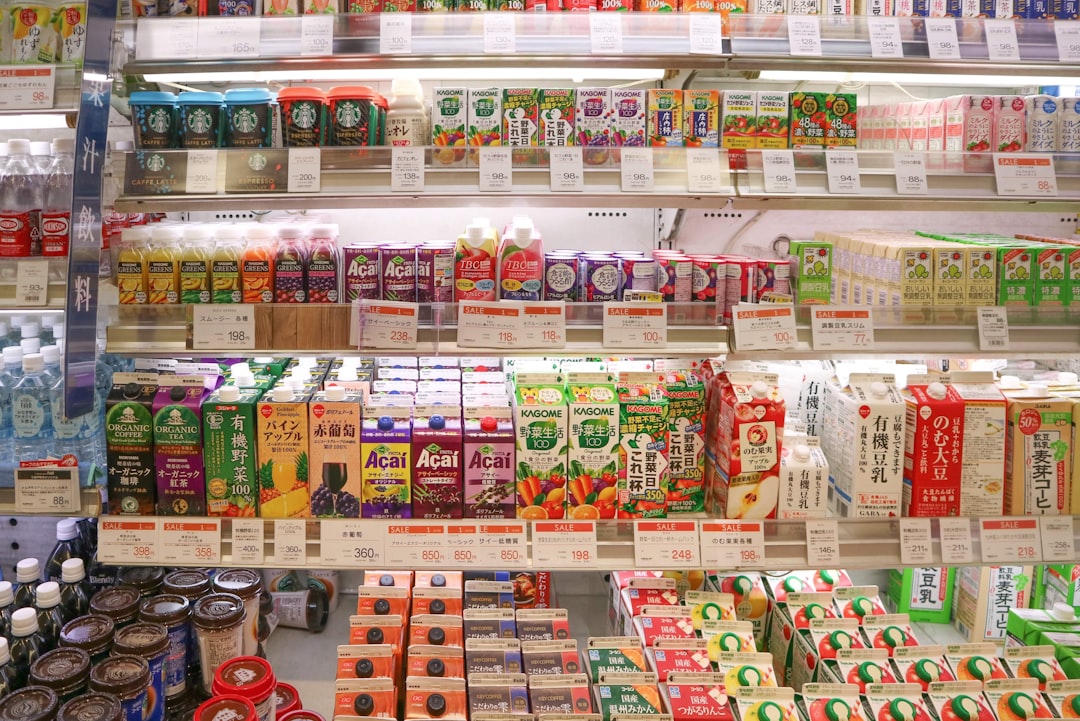
The beverage section of a Japanese convenience store is like stepping into an alternate universe where every possible flavor combination has been attempted, and most of them actually work.
Coffee Culture Revolution
Japanese convenience store coffee programs are no joke. Fresh-ground beans, multiple roast options, and prices that make Starbucks look like highway robbery. The self-serve machines are intuitive enough that even sleep-deprived tourists can manage them.
Unique Japanese Drinks
This is where things get interesting (and sometimes weird). You’ll find everything from corn soup in a can to melon soda that’s artificially green but somehow delicious. Calpis (a yogurt-based drink), various tea combinations, and seasonal limited editions rotate constantly.
My advice? Embrace the weird. That white peach and yogurt drink might look suspicious, but it could become your new favorite.
Navigation Tips: Ordering and Etiquette
Don’t let language barriers keep you from convenience store glory. Here’s your survival guide for seamless konbini experiences.
Essential Phrases
“Atatamete kudasai” (please heat this up) will be your most-used phrase. Point and smile works for almost everything else. The staff are incredibly helpful and patient with tourists.
Payment Methods
Cash is still king, but IC cards (like Suica or Pasmo) work everywhere and are incredibly convenient. Mobile payments are increasingly accepted in 2026, making transactions even smoother.
Eating Etiquette
Most convenience stores have small standing areas where you can eat immediately. Don’t walk and eat on the street — it’s considered impolite. Many stores provide chopsticks, spoons, and wet wipes automatically.
Pro Tip: If you’re taking the train frequently, get a JR Pass and use the same IC card for both train travel and convenience store purchases. It’s one less thing to worry about when you’re navigating Japan.
Regional Specialties and Must-Try Local Items
While the major chains maintain consistency, regional specialties make convenience store hopping an adventure worth planning your Japan tourism itinerary around.
Tokyo Specialties
Tokyo convenience stores often carry exclusive collaborations with local restaurants and seasonal items tied to city events. Look for limited-edition ramen flavors and upscale bento options.
Osaka Food Culture
Osaka’s convenience stores reflect the city’s food-obsessed culture with takoyaki-flavored everything and premium versions of local favorites.
Regional Seasonal Items
Different regions celebrate local produce through convenience store items. Hokkaido stores feature dairy-heavy desserts, while Okinawa locations offer tropical fruit varieties you won’t find elsewhere.
For a deeper dive into regional food cultures, consider booking a regional food tour to complement your convenience store adventures.
Budget-Friendly Meal Planning
Here’s a secret: you can eat incredibly well in Japan on a convenience store budget. A filling meal rarely costs more than ¥800, and you can easily eat for under ¥1,500 per day if you’re strategic.
Sample Daily Meal Plan
- Breakfast: Coffee + pastry or onigiri (¥300-400)
- Lunch: Bento box + drink (¥500-700)
- Dinner: Hot meal + side + dessert (¥600-800)
- Snacks: Seasonal treats (¥200-300)
Total daily cost: approximately ¥1,600-2,200 ($12-17 USD)
Pro Tip: Before traveling, make sure you have comprehensive travel insurance that covers any food-related incidents. While Japanese food safety standards are exceptional, it’s always better to be prepared when trying new cuisines.
What are the best times to find fresh food at Japanese convenience stores?
Fresh deliveries typically arrive 3-4 times daily: early morning (6-8 AM), lunch time (11 AM-1 PM), evening (5-7 PM), and late night (10 PM-midnight). Morning is best for sandwiches and pastries, while hot items are freshest during lunch and dinner rushes.
Can I eat convenience store food if I have dietary restrictions?
Yes, but with planning. Many items have ingredient lists in English or pictures. Vegetarian options include onigiri with kelp or pickled plum, salads, and some sandwiches. Vegan options are limited but exist. Download translation apps to help read ingredients, and consider learning key phrases for your dietary needs.
How much should I budget for convenience store meals in Japan?
Budget ¥1,500-2,500 per day for all meals from convenience stores. Individual items range from ¥100-800, with most full meals costing ¥400-600. This is significantly cheaper than restaurant dining while maintaining excellent quality.
Are Japanese convenience stores really open 24/7?
Most major chain convenience stores (7-Eleven, FamilyMart, Lawson) operate 24/7, 365 days a year. Some smaller independent stores may have limited hours, but you’ll rarely have trouble finding an open konbini, especially in urban areas.
What’s the proper etiquette for eating convenience store food in Japan?
Eat at the store’s standing area or designated seating if available. Don’t walk and eat on the street, as it’s considered impolite. Dispose of trash in the store’s bins, bow slightly when receiving service, and avoid eating on trains unless it’s a long-distance journey.
🗺️ Area Map
🗺️ Interactive Map
Watch Before You Go
Watch Before You Go: Ultimate Tips that you must know at Japanese Convenience Stores! Travel Hacks at Konbini in Japan!
What Travelers Say
“Japan’s convenience stores, or ‘konbini,’ offer some of the world’s best ready-to-eat meals that put many restaurants to shame. From perfectly seasoned karaage chicken to delicate onigiri rice balls, these 24/7 food havens serve as an affordable gateway to authentic Japanese flavors.”
“I was skeptical about eating from 7-Eleven, but wow, the food quality blew my mind! The hot fried chicken was crispy and flavorful, and those egg salad sandwiches with the crusts cut off were unexpectedly delicious. Saved me so much money during my two weeks in Tokyo.”
コメント