📰 Latest News & Updates
- 10 Locations in Japan Every Landscape Photographer Should Visit — Fstoppers, 2026-03-12
- Ninety-nine trips, ₹815 crore: Inside PM Modi’s overseas travel record | Today News — Livemint, 2026-03-04
- How good is the Atmos Ascent’s 70,000-point bonus and its $99 Companion Fare? — The Points Guy, 2026-02-27
So you’ve got ten precious days to experience Japan, and you’re staring at your laptop wondering how to cram 2,000 years of culture, the world’s best ramen, and enough temples to achieve enlightenment into a week and a half? I feel you. When I first planned my Japan 10 days itinerary, I tried to fit everything from Hokkaido to Okinawa and nearly gave myself a panic attack. Spoiler alert: you can’t see everything, but you can absolutely have the trip of a lifetime.
This Japan travel guide will walk you through a perfectly balanced 10-day adventure that covers the essential Japanese culture highlights without requiring you to sprint through train stations like you’re auditioning for an action movie. Trust me, the trains are punctual enough that you’ll start questioning every delayed bus back home anyway.
| Quick Facts: Japan 10 Days Itinerary | |
|---|---|
| Best Time to Visit | March-May (cherry blossoms) or September-November (fall colors) |
| Budget Range | $2,000-4,500 per person (excluding flights) |
| Essential Pass | 7-day JR Pass ($279) |
| Cities Covered | Tokyo (5 days), Kyoto (3 days), Osaka (2 days) |
| Must-Pack Items | Portable WiFi, cash, comfortable walking shoes |
| Cultural Prep Time | 2-3 hours studying basic etiquette |
- Days 1-5: Tokyo – Where Tradition Meets Neon Madness
- Days 6-8: Kyoto – Temple Hopping and Cultural Immersion
- Days 9-10: Osaka – Food Paradise and Modern Energy
- Essential Japan Travel Tips for Your 10-Day Adventure
- Budget Breakdown for Your Japan 10 Days Itinerary
- 🗺️ Area Map
- Watch Before You Go
- What Travelers Say
Days 1-5: Tokyo – Where Tradition Meets Neon Madness
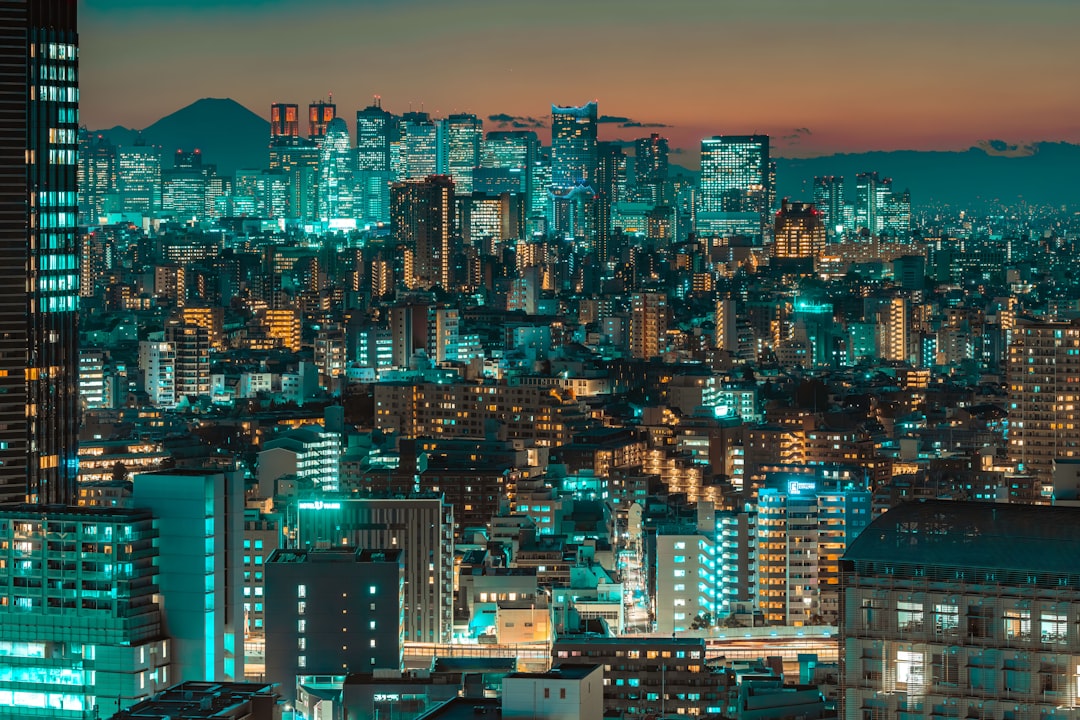
Tokyo deserves the lion’s share of your Japan 10 days itinerary, and I’m not just saying that because it’s where I embarrassingly got lost for three hours trying to find the “famous robot restaurant” (pro tip: it’s not actually about robots). The city is a fascinating collision of ancient shrines and streets that look like they were designed by someone who thought Blade Runner needed more vending machines.
Day 1: Arrival and Shibuya Immersion
Land at Narita or Haneda, grab your JR Pass, and head straight to Shibuya. Yes, you’re jet-lagged and probably look like you’ve been through a washing machine, but trust me on this one. Standing in the middle of Shibuya Crossing for the first time is like being inside a human pinball machine, and it’s the perfect “holy cow, I’m actually in Japan” moment.
Check into your hotel (I recommend staying near Shibuya, Shinjuku, or Asakusa for easy access), then spend the evening exploring the area. Grab dinner at any random yakitori joint – in Tokyo, even the sketchy-looking places serve food that’ll ruin you for chicken back home.
Pro Tip: Download Google Translate with camera function before you arrive. It’ll save your life when trying to decipher menus, and watching it struggle with handwritten Japanese becomes its own form of entertainment.
Day 2: Traditional Tokyo
Start early at Meiji Shrine – it’s beautifully peaceful and a great introduction to Japanese spiritual culture. The contrast between the serene shrine grounds and the chaos of nearby Harajuku is exactly what makes Japan so captivating.
Spend your afternoon in Asakusa visiting Sensoji Temple, Tokyo’s oldest temple. The approach street, Nakamise-dori, is perfect for picking up souvenirs and trying traditional snacks. End your day exploring the traditional streets, and if you’re feeling adventurous, book a traditional tea ceremony experience to dive deeper into Japanese culture.
Day 3: Modern Marvels and Tsukiji
Wake up early for Tsukiji Outer Market (the famous tuna auction moved, but the incredible street food scene remains). Trying to eat a tuna sashimi breakfast while standing up at 6 AM sounds weird until you do it – then it becomes a life-changing experience.
Spend your afternoon in Ginza for upscale shopping and people-watching, then head to Tokyo Skytree or Tokyo Tower for sunset views. The city sprawls endlessly in every direction, and seeing it from above helps put the magnitude of this urban maze into perspective.
Day 4: Otaku Culture and Electronics
Dedicate a full day to Akihabara (electronics and anime culture) and Harajuku (fashion and youth culture). Even if you’re not into anime, Akihabara is fascinating from an anthropological perspective. Plus, the electronics stores have gadgets you didn’t know you needed until you held them.
In Harajuku, explore Takeshita Street for the full sensory overload experience, then walk through the more sophisticated Omotesando Hills for high-end shopping. The architectural contrast alone is worth the trip.
Pro Tip: Carry cash everywhere. Japan is still surprisingly cash-heavy, and many small restaurants and shops don’t accept cards. ATMs at 7-Eleven work with foreign cards and are everywhere.
Day 5: Day Trip or Tokyo Deep Dive
Option A: Take a day trip to Nikko for incredible temples and nature, or to Kamakura for the Great Buddha and a more relaxed temple experience.
Option B: Explore neighborhoods you missed – Ueno for museums and parks, Shinjuku for the nightlife preview, or Yanaka for old Tokyo charm.
Either way, this is your buffer day for anything you’ve fallen in love with or missed due to jet lag-induced poor decision making (we’ve all been there).

Days 6-8: Kyoto – Temple Hopping and Cultural Immersion
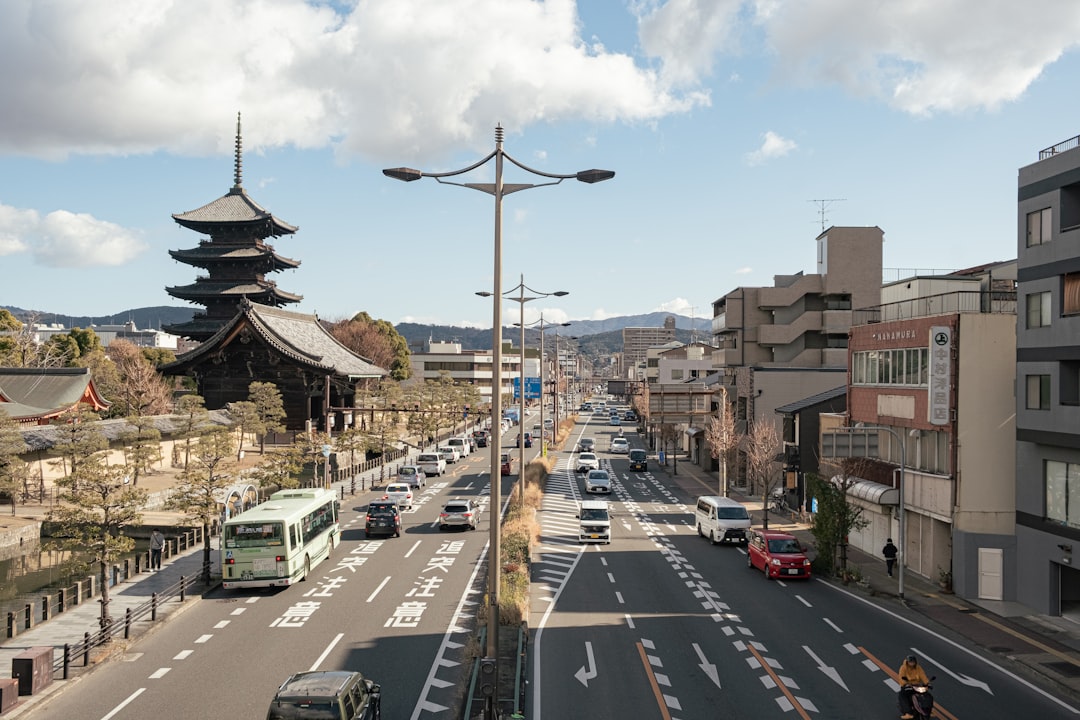
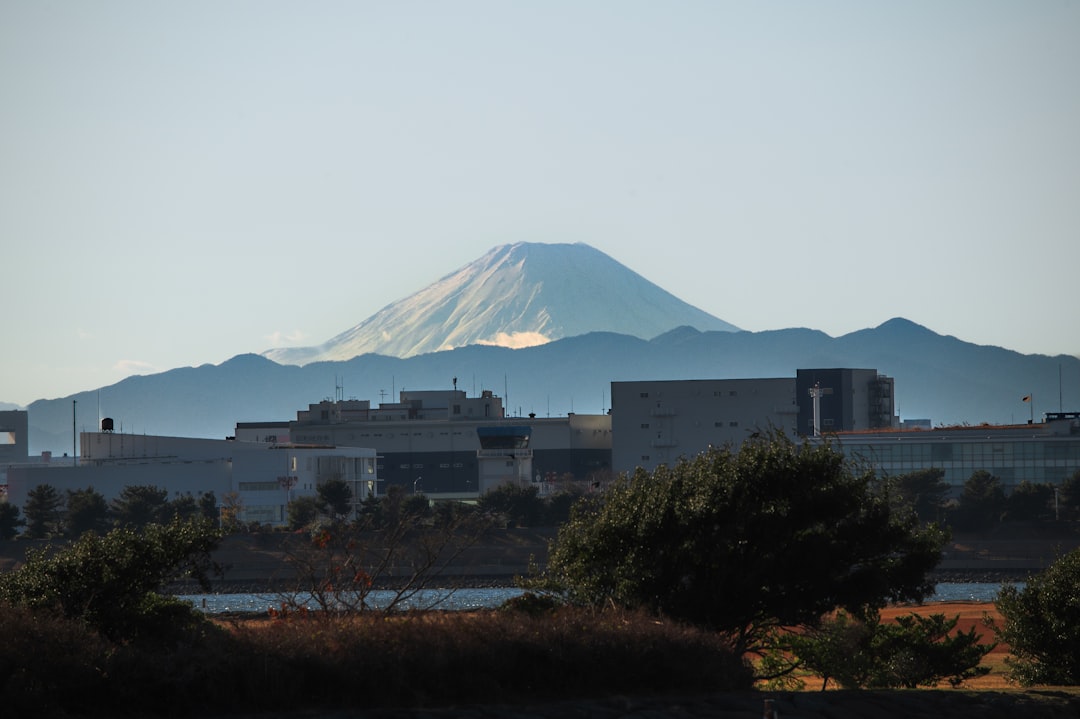
Take the shinkansen (bullet train) to Kyoto – the journey itself is an experience, especially if you catch a glimpse of Mount Fuji. Kyoto is where you’ll truly understand what “Japanese culture” means beyond the neon and noise. It’s also where you’ll discover that temple fatigue is real, but somehow you’ll keep visiting them anyway because each one is more stunning than the last.
Day 6: Eastern Kyoto
Start with Kiyomizu-dera Temple for sunrise if you can manage it (the crowds later in the day can be intense). Walk down through the historic Higashiyama district, stopping at traditional shops and maybe splurging on some proper Japanese tea.
Spend the afternoon in the famous Gion district. If you’re incredibly lucky, you might spot a geisha, but please don’t chase them with your camera like you’re on safari. They’re working professionals, not theme park characters.
Pro Tip: Book a guided walking tour of Gion to learn the proper etiquette and history. It’ll make your temple visits much more meaningful.
Day 7: Arashiyama and Golden Pavilion
Visit the famous Bamboo Grove in Arashiyama early morning – it’s magical when the light filters through the stalks, and you’ll avoid the Instagram crowds. The train ride to Arashiyama on the scenic line is half the fun.
Afternoon is perfect for Kinkaku-ji (Golden Pavilion). Yes, it’s touristy. Yes, it’s crowded. Yes, you’ll still stand there with your mouth open because it’s absolutely stunning. The reflection in the pond is worth fighting through the crowds for that perfect photo.
Day 8: Cultural Deep Dive
Spend your final Kyoto day exploring based on your interests: Fushimi Inari shrine for thousands of torii gates and a good workout, the philosopher’s path for a peaceful walk, or the sake district in Fushimi for tastings.
This is also a perfect day for cultural experiences like a traditional kaiseki dinner or a pottery class. Kyoto is where these experiences feel most authentic and meaningful.

Days 9-10: Osaka – Food Paradise and Modern Energy
Your final stop is Osaka, Japan’s kitchen, where the food is incredible and the people are friendlier than anywhere else in the country. If Tokyo is Japan’s brain and Kyoto is its soul, then Osaka is definitely its stomach – and what a glorious stomach it is.
Day 9: Dotonbori and Food Adventures
Dive straight into Dotonbori, the neon-lit food paradise that looks like a fever dream but tastes like heaven. This is where you’ll have the best takoyaki (octopus balls) of your life and discover that attempting to eat ramen quietly is Japan’s ultimate tourist challenge – and you will fail spectacularly.
Try okonomiyaki (savory pancakes), visit the famous Glico Man sign, and eat your way through the covered shopping streets. Don’t miss trying authentic Kobe beef if your budget allows – it’s genuinely worth the splurge.
Pro Tip: Download a food translation app or bookmark common dishes. Osaka’s best spots are often tiny places with no English menus, but the food will be life-changing.
Day 10: Final Adventures and Departure Prep
Visit Osaka Castle for some final temple and history fixes, then spend your remaining time shopping for omiyage (souvenirs) or exploring any neighborhoods that caught your eye. Universal Studios Japan is also an option if you want to see Japanese takes on familiar themes.
Most flights leave from Kansai Airport, which is about an hour from central Osaka, so plan accordingly. Use your last few hours to grab final snacks from a konbini (convenience store) and maybe one more bowl of ramen.

Essential Japan Travel Tips for Your 10-Day Adventure
After multiple trips and countless mistakes (like the time I bowed to a automatic door), here are the crucial tips that’ll make your Japan 10 days itinerary smoother:
- Get travel insurance: Japan’s healthcare is excellent but expensive for foreigners. Travel insurance gives you peace of mind to focus on the adventure.
- Master train etiquette: Don’t talk on phones, offer priority seats to elderly/pregnant passengers, and let people exit before boarding.
- Carry a portable charger: You’ll be using your phone constantly for translation, maps, and photos.
- Learn basic phrases: “Arigatou gozaimasu” (thank you) and “sumimasen” (excuse me) will take you far.
- Embrace the unknown: Some of my best Japan memories came from getting lost and discovering tiny restaurants or hidden shrines.
Pro Tip: Visit Japan in 2026 for potentially amazing experiences – it’s expected to be a fantastic year for Japan tourism with improved infrastructure and new attractions opening post-pandemic recovery.

Budget Breakdown for Your Japan 10 Days Itinerary
Here’s a realistic budget breakdown to help you plan:
- Accommodation: $100-300/night depending on style and location
- JR Pass (7-day): $279
- Food: $50-150/day (from convenience store meals to high-end dining)
- Activities and entrance fees: $30-50/day
- Shopping and souvenirs: $200-500 total
- Local transport: $10-20/day
Total estimated budget: $2,000-4,500 per person, excluding international flights. Budget travelers can do it for less, luxury seekers can spend much more, but this range covers most travel styles comfortably.
Is 10 days enough time to visit Japan?
Ten days is perfect for a first-time visit to Japan. You’ll have enough time to experience Tokyo’s energy, Kyoto’s culture, and Osaka’s food scene without feeling rushed. While you could spend months exploring Japan, 10 days gives you a solid foundation and will definitely leave you planning your return trip.
What’s the best time of year for a Japan 10 days itinerary?
Spring (March-May) for cherry blossoms or autumn (September-November) for fall colors are ideal. These seasons offer comfortable weather and stunning natural beauty. Summer can be hot and humid, while winter is cold but beautiful if you enjoy snow and fewer crowds.
Do I need to speak Japanese to enjoy Japan?
Not at all! While learning basic phrases is helpful and appreciated, Japan is very tourist-friendly. Most signs have English, translation apps work well, and people are incredibly patient and helpful. Many younger Japanese people speak some English, and pointing and smiling goes surprisingly far.
How much cash should I bring to Japan?
Plan to carry more cash than you’re used to. I recommend having at least $100-200 in yen per day for meals, small purchases, and entrance fees. ATMs at 7-Eleven stores work with foreign cards and are everywhere, making it easy to withdraw more cash as needed.
Is the JR Pass worth it for a 10-day trip?
Absolutely! A 7-day JR Pass pays for itself with just one round trip between Tokyo and Kyoto on the bullet train. It also covers local JR trains in cities, making it incredibly convenient. For a 10-day trip covering Tokyo, Kyoto, and Osaka, it’s almost always worth the investment.

🗺️ Area Map
🗺️ Interactive Map
Watch Before You Go
Watch Before You Go: Japan Travel Planning Made Easy: 10-Day Itinerary for First-Timers
What Travelers Say
“Ten days in Japan offers the perfect balance to experience both the frenetic energy of Tokyo and the cultural heart of Kyoto, with enough time for day trips to hidden gems like Nikko or Nara. Focus on 2-3 key destinations rather than rushing through too many cities – Japan’s efficient rail system makes regional exploration surprisingly manageable.”
“Just finished an incredible 10-day Japan trip and wish I’d spent more time in fewer places! Tokyo (4 days) and Kyoto (3 days) were perfect, but trying to squeeze in Osaka, Hiroshima AND Mount Fuji left us exhausted. Next time I’m doing the Tokyo-Kyoto-Nara triangle with a ryokan stay – that’s the sweet spot for first-timers.”
コメント