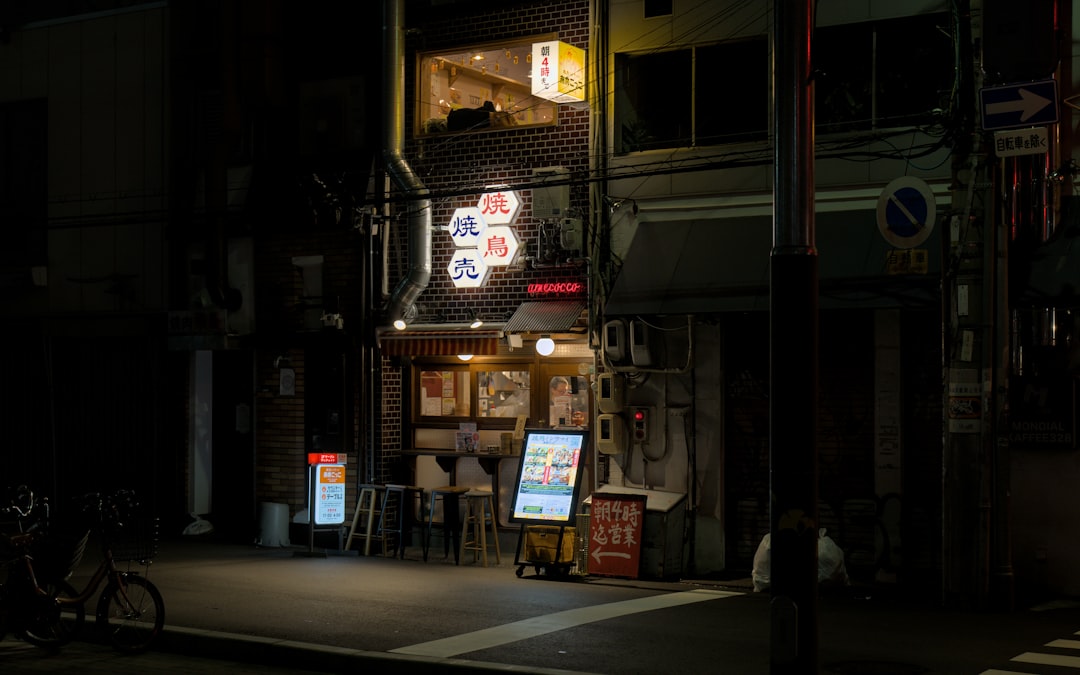
Picture this: You’re wandering through Tokyo’s neon-lit streets, starving and slightly overwhelmed, when you spot a cozy red lantern glowing outside a narrow doorway. Congratulations — you’ve just discovered your first izakaya! Think of it as Japan’s answer to the pub, but with better food and way more mystery for us foreigners.
When I first stumbled into an izakaya back in 2018, I had no idea I was about to experience the heart and soul of Japanese social dining. Fast forward to 2026, and I’ve probably embarrassed myself in dozens of these wonderful establishments. But hey, that’s what makes for the best stories, right?
| Quick Facts: Izakaya Guide for First Timers | Details |
|---|---|
| What is an izakaya? | Japanese gastropub serving small plates and drinks |
| Best time to visit | After 6 PM, peak hours 7-10 PM |
| Average cost per person | ¥2,000-4,000 ($15-30 USD) |
| How to order | Start with drinks, then small plates throughout evening |
| Key etiquette | Don’t pour your own drink, say ‘kampai’ for cheers |
| English menus | Common in tourist areas, rare in local spots |
- What Exactly Is an Izakaya? (And Why You Need This Guide)
- Essential Izakaya Etiquette: Don’t Be That Tourist
- How to Order Like a Pro (Even When You Can’t Read Japanese)
- Finding the Perfect Izakaya: From Tourist-Friendly to Authentically Intimidating
- Common First-Timer Mistakes (Learn from My Disasters)
- Making the Most of Your Izakaya Experience
- Your Izakaya Adventure Awaits
- 🗺️ Area Map
- Watch Before You Go
- What Travelers Say
What Exactly Is an Izakaya? (And Why You Need This Guide)
An izakaya is essentially Japan’s version of a gastropub — a casual drinking establishment that serves delicious small plates designed for sharing. The word literally means “stay-drink-place,” which pretty much sums up the entire vibe. These aren’t just restaurants; they’re social hubs where Japanese people unwind after work, celebrate with friends, and bond over beer and yakitori.
The beauty of izakayas lies in their incredible diversity. You’ll find everything from tiny hole-in-the-wall joints with just four stools to sprawling multi-floor establishments that could house a small village. Some specialize in specific dishes like yakitori or seafood, while others offer a greatest-hits menu of Japanese comfort food.
What makes izakayas special for travelers is that they offer an authentic slice of Japanese social culture that you simply can’t get at formal restaurants. This is where locals let their hair down, and if you’re lucky, where you might end up singing karaoke with a salaryman who insists on buying you “just one more” highball.
Pro Tip: Look for the red paper lanterns (chochin) hanging outside — they’re the universal sign of an izakaya. No lantern? It might be a regular restaurant instead.

Essential Izakaya Etiquette: Don’t Be That Tourist
Let me save you from my rookie mistakes. The first time I visited an izakaya, I committed the ultimate faux pas: I poured my own beer. The horrified looks from my Japanese colleagues still haunt me. Here’s what I wish someone had told me before I embarrassed myself.
The Sacred Art of Pouring Drinks
Rule number one: Never pour your own drink. Ever. It’s considered incredibly rude and antisocial. Instead, keep an eye on your companions’ glasses and refill theirs when they’re running low. They’ll do the same for you. This constant attention to others’ needs is part of what makes izakaya culture so wonderfully social.
When someone pours for you, hold your glass with both hands as a sign of respect. When you’re doing the pouring, use both hands on the bottle or pitcher. It’s these little gestures that show you understand and respect Japanese customs.
The Kampai Ceremony
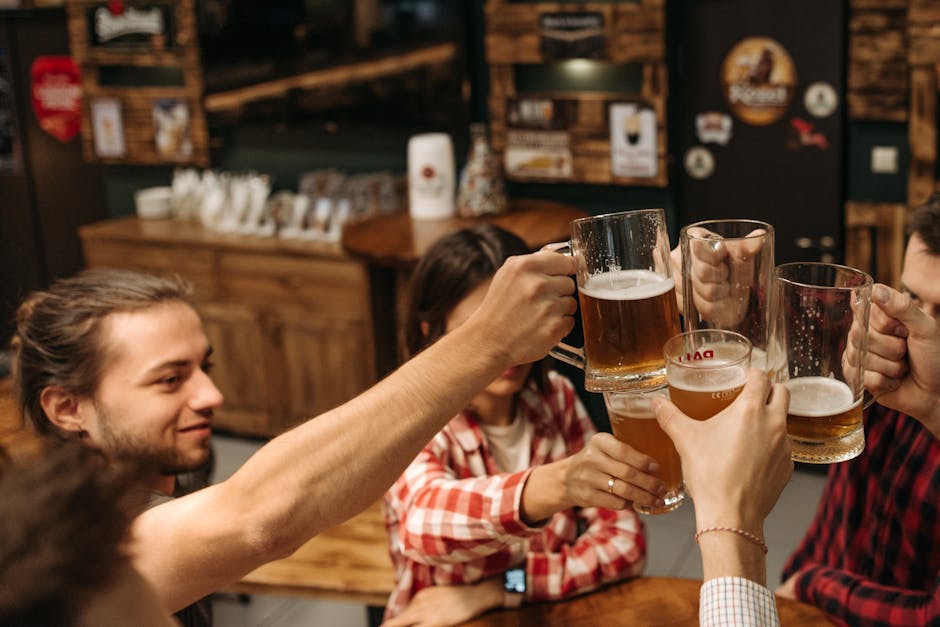
Before anyone takes their first sip, everyone needs to say “kampai” (cheers) together while gently clinking glasses. Don’t start drinking before this happens — I learned this the hard way when I took a gulp of beer and was met with polite but pointed silence.
Pro Tip: When clinking glasses during kampai, keep your glass slightly lower than those of people senior to you. It’s a subtle sign of respect that locals will definitely notice.
Otoshi: The Mystery Appetizer Tax
Here’s something that confuses every first-timer: you’ll be charged for a small appetizer called “otoshi” whether you ordered it or not. Think of it as a table charge that comes with food. These little dishes — maybe some pickled vegetables or a small salad — usually cost ¥300-500 per person. Don’t panic; this is completely normal and not a tourist scam.
How to Order Like a Pro (Even When You Can’t Read Japanese)
Ordering at an izakaya can feel like trying to solve a puzzle blindfolded, especially if you’ve wandered into one of those authentic local spots where the menu is entirely in Japanese and looks like it was handwritten by a drunk calligrapher.
The Universal Izakaya Ordering Strategy
- Start with drinks: Beer is the most common choice. Say “nama biru” for draft beer or just point at the beer tap.
- Order 2-3 small dishes to start: Don’t order everything at once. Izakaya dining is meant to be leisurely.
- Use the magic phrase: “Osusume wa nan desu ka?” means “What do you recommend?” Works like a charm.
- Point and smile: When in doubt, point at what other tables are eating and give a thumbs up.
- Keep ordering throughout the night: Add more dishes as you go, based on what looks good and how hungry you are.
Must-Try Dishes for First-Timers
Some dishes are izakaya classics that you’ll find almost everywhere. Yakitori (grilled chicken skewers) is probably the most famous, but don’t sleep on karaage (Japanese fried chicken) — it’s basically popcorn chicken that will ruin all other fried chicken for you forever.
Edamame might seem boring, but it’s the perfect drinking snack and usually arrives quickly while you’re deciding on other dishes. For something more adventurous, try gyoza (pan-fried dumplings) or takoyaki (octopus balls) if they’re available.
Pro Tip: Download Google Translate’s camera feature before you go. You can point your phone at the menu and get real-time translations. It’s not perfect, but it’ll help you avoid accidentally ordering pig intestines when you wanted pork belly.
If you’re planning to explore multiple izakayas during your trip, consider booking accommodations near nightlife districts through Booking.com to make your pub crawl adventures more convenient.

Finding the Perfect Izakaya: From Tourist-Friendly to Authentically Intimidating
Not all izakayas are created equal, and part of the fun is figuring out which type matches your comfort level and sense of adventure. I’ve learned this through trial and error — and a few very memorable nights that started with “How hard could this be?”
Tourist-Friendly Izakayas
These are your training wheels. You’ll find them in areas like Shibuya, Shinjuku, and anywhere near major hotels. They usually have English menus, picture menus, or at least staff who can muddle through basic English. The food is still authentic and delicious, but the learning curve is much gentler.
Chain izakayas like Torikizoku or Watami fall into this category. Yes, they’re chains, but they’re chains that serve good food at reasonable prices, and they’re perfect for getting your izakaya sea legs.
Local Neighborhood Gems
These are the places where you’ll have the most authentic experience — and potentially the most confusion. Found in residential areas and local shopping districts, these spots often have no English whatsoever, handwritten menus, and regulars who’ve been coming for decades.
The payoff is incredible food, cheaper prices, and genuine interactions with locals. Plus, you’ll have stories to tell for years about the time you accidentally ordered fish sperm (yes, that’s a thing, and yes, I’ve done it).
Where to Look
The best izakayas cluster around train stations, especially JR stations. Areas like Omoide Yokocho in Shinjuku, Ebisu Yokocho, and the alleys of Shibuya are izakaya gold mines. Don’t be afraid to explore the floors above street level — many of the best spots are on the second or third floors of nondescript buildings.
Pro Tip: If you see a lot of bicycles parked outside and hear laughter from within, you’ve probably found a great local spot. Locals don’t waste time at mediocre places.
For guided experiences that include izakaya visits, check out food and cultural tours that can ease you into the izakaya world with expert guidance.

Common First-Timer Mistakes (Learn from My Disasters)
Let me share some hard-won wisdom from my collection of izakaya blunders. These mistakes are practically rites of passage, but you might as well learn from my embarrassment.
The Volume Control Problem
Izakayas can get loud, especially later in the evening, but there’s a difference between convivial chatter and being the obnoxious foreign table that everyone’s staring at. Keep your voice at a reasonable level, especially early in the evening when things are still relatively quiet.
The Solo Drinking Trap
Remember that drink-pouring rule? It makes solo dining at izakayas a bit tricky. You can absolutely go alone, but you’ll need to pour your own drinks, which breaks the social contract a bit. Many solo diners opt for the bar seating where the dynamic is different, or they visit during less busy times.
The All-You-Can-Drink Misunderstanding
“Nomihoudai” (all-you-can-drink) deals are common and seem like a great value, but there’s usually a time limit (typically 2-3 hours) and sometimes restrictions on what you can order. Make sure you understand the terms before committing, or you might find yourself chugging highballs at closing time.
The Cash Crisis
Many smaller izakayas are still cash-only, and there’s nothing quite like the panic of realizing you only have ¥500 left when the bill comes. Always carry more cash than you think you’ll need. ATMs that accept foreign cards can be tricky to find late at night.
Pro Tip: Keep a photo of your hotel’s business card on your phone. After a few drinks and some friendly conversation with locals, you might realize you have no idea how to get back to your accommodation.

Making the Most of Your Izakaya Experience
The real magic of izakayas happens when you stop worrying about doing everything perfectly and start enjoying the experience. These places are designed for relaxation and connection, so embrace the chaos a little.
Timing Your Visit
Izakayas typically open around 5 or 6 PM, but the best atmosphere develops after 7 PM when the after-work crowd arrives. If you want a quieter experience, go earlier. If you want the full energy and chaos, arrive between 8-9 PM.
Don’t expect to be in and out in an hour. Izakaya dining is meant to be leisurely — a few hours of eating, drinking, and socializing. Plan accordingly and don’t book anything important for later in the evening.
Connecting with Locals
Japanese people are often more relaxed and talkative in izakaya settings, especially after they’ve had a drink or two. Don’t be surprised if neighboring tables strike up conversations, offer you food, or insist on buying you a drink. This is part of the beautiful social culture of izakayas.
Learn a few basic Japanese phrases like “oishii” (delicious), “arigatou gozaimasu” (thank you), and “kanpai” (cheers). Your pronunciation might be terrible, but the effort will be appreciated.
Pro Tip: If you’re staying longer in Japan, consider booking local food experiences that include izakaya visits to deepen your understanding of Japanese drinking culture.
Remember to stay safe while exploring Japan’s nightlife — consider getting travel insurance that covers you during your entire Japan adventure, including those memorable izakaya nights.

Your Izakaya Adventure Awaits
There you have it — everything I wish I’d known before my first izakaya experience. Will you still make mistakes? Absolutely. Will you have an amazing time anyway? Without a doubt.
The beauty of izakaya culture is that it’s incredibly forgiving. Japanese people understand that foreigners are learning, and they’re generally delighted when visitors make an effort to participate in local customs, even imperfectly.
So find that red lantern, take a deep breath, and dive in. Your worst izakaya experience will still probably be better than most restaurant experiences back home. And your best izakaya night? That might just become one of your favorite travel memories ever.
Just remember: someone else pours your drink, kampai before you drink, and when in doubt, point and smile. Everything else is just details.
How much should I expect to spend at an izakaya?
Budget ¥2,000-4,000 ($15-30 USD) per person for a typical evening, including drinks and food. Tourist areas and premium locations will be on the higher end, while local neighborhood spots can be surprisingly affordable. Remember that prices can add up as you order throughout the evening, so keep track if you’re on a tight budget.
Do I need reservations for izakayas?
Most izakayas don’t take reservations and operate on a first-come, first-served basis. However, popular spots might have waiting lists, especially on Friday and Saturday nights. Chain izakayas rarely take reservations, while higher-end establishments might. When in doubt, just show up — part of the adventure is discovering which places have space.
What should I do if there’s no English menu?
Don’t panic! Use Google Translate’s camera feature to scan the menu, point to dishes other customers are eating, or simply ask “Osusume wa nan desu ka?” (What do you recommend?). Many izakayas have picture menus or plastic food displays. Staff are usually patient and helpful, even with language barriers.
Is it okay to go to an izakaya alone?
Yes, but solo dining at izakayas can be slightly awkward due to the drink-pouring culture. Look for counter seating where the social dynamics are different, or visit during quieter early evening hours. Some izakayas are more solo-friendly than others — chains and larger establishments are usually more accommodating for solo diners.
What time do izakayas typically close?
Most izakayas close between 11 PM and midnight on weekdays, and many stay open until 1-2 AM on weekends. However, some neighborhood spots close earlier, while others in entertainment districts might stay open much later. Always check the closing time when you arrive, especially if you’re planning a long evening.

🗺️ Area Map
🗺️ Interactive Map
Watch Before You Go
Watch Before You Go: Izakaya 101: The Ultimate Guide to Food & Drink in Japan!
What Travelers Say
“Izakaya are Japan’s answer to the neighborhood pub, where locals gather after work to share small plates and drinks in a relaxed atmosphere. Don’t be intimidated by the Japanese-only menus – pointing at what others are eating usually works, and the staff will appreciate your effort to engage with this quintessential Japanese dining experience.”
“My first izakaya experience in Tokyo was absolutely magical – we ended up at this tiny place under the train tracks in Yurakucho with only 8 seats. The master spoke no English but was so welcoming, and we just kept pointing at dishes other customers had that looked good. Three hours and countless small plates later, we’d made friends with the locals and had the most authentic Japanese night of our entire trip.”
コメント