📰 Latest News & Updates
- Best Places to Visit in Japan: Top Destinations, Attractions & Travel Guide — Whatjapanthinks.com, 2026-03-31
When I first stepped off the train in Hiroshima, I thought I was prepared. I’d read articles, watched documentaries, and mentally rehearsed appropriate behavior. However, nothing quite prepares you for the profound weight of standing in Peace Memorial Park. This isn’t just another tourist destination — it’s a place that demands respect, reflection, and yes, a few tissues.
Let me walk you through everything you need to know for a meaningful visit to one of Japan’s most important historical sites. Trust me, a little preparation goes a long way in making this experience both educational and deeply moving.
| Quick Facts: Hiroshima Peace Memorial | |
|---|---|
| Best Time to Visit | Early morning (8-10 AM) or late afternoon |
| Entry Fee | Park: Free | Museum: ¥200 adults |
| Time Needed | 3-4 hours for full experience |
| Nearest Station | Genbaku-Domu Mae (Streetcar) |
| Photography | Allowed outdoors, restricted in museum |
| Audio Guides | Available in English (¥300) |
- Planning Your Hiroshima Peace Memorial Visit
- Essential Hiroshima Peace Memorial Museum Guide
- Exploring Peace Memorial Park Monuments
- Cultural Etiquette at Hiroshima Peace Memorial
- Practical Tips for Your Hiroshima Peace Memorial Tour
- Making Your Hiroshima Peace Memorial Visit Meaningful
- 🗺️ Area Map
- Watch Before You Go
- What Travelers Say
Planning Your Hiroshima Peace Memorial Visit
When to Go for the Most Meaningful Experience
Early morning visits offer several advantages. First, you’ll avoid the tour groups that descend like clockwork around 10 AM. Second, the soft morning light creates a more contemplative atmosphere throughout the park.
That said, late afternoon visits have their own magic. The golden hour light filtering through the trees creates an almost ethereal quality around the memorials.
Pro Tip: August 6th (Peace Memorial Day) is deeply significant but extremely crowded. If you’re visiting during this time, arrive by 6 AM to find parking and good viewing spots for the ceremony.
Getting There Without Getting Lost
The Hiroshima streetcar system is your friend here. Take any streetcar heading to Miyajima-guchi and get off at Genbaku-Domu Mae. You literally cannot miss the A-Bomb Dome from this stop.
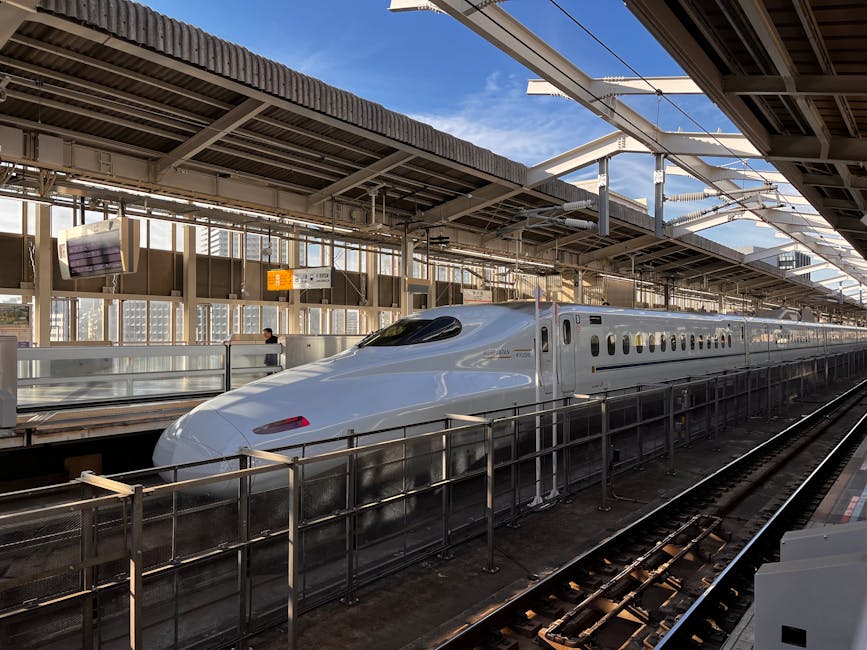
For those coming from other cities, the JR Pass covers the shinkansen to Hiroshima Station. From there, it’s a 15-minute streetcar ride to the memorial park.

Essential Hiroshima Peace Memorial Museum Guide
What to Expect Inside
The museum renovation completed in 2019 improved the flow significantly. The exhibits now guide visitors chronologically through pre-war Hiroshima, the bombing, and its aftermath.
Fair warning: the museum doesn’t pull punches. The artifacts and testimonies are emotionally intense. I watched grown adults cry — myself included — and that’s completely normal.
Audio guides are absolutely worth the extra ¥300. The English commentary provides crucial context that the placards sometimes lack.
Pro Tip: The museum shop sells English translations of survivor testimonies. These books provide deeper understanding than what you can absorb during your visit.
Photography Etiquette and Rules
Photography inside the main museum is prohibited. However, you can take photos in the lobby and certain designated areas.
Outside in the park, photography is allowed and expected. Just remember this isn’t Instagram backdrop material — keep your poses respectful and your selfie stick at home.

Exploring Peace Memorial Park Monuments
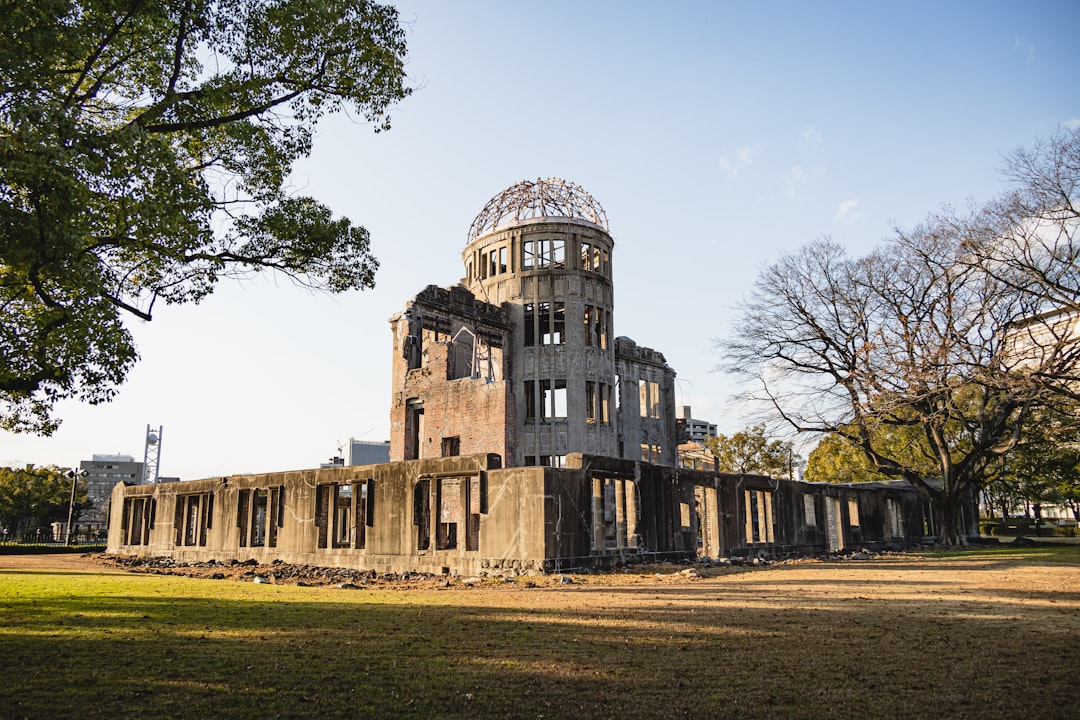
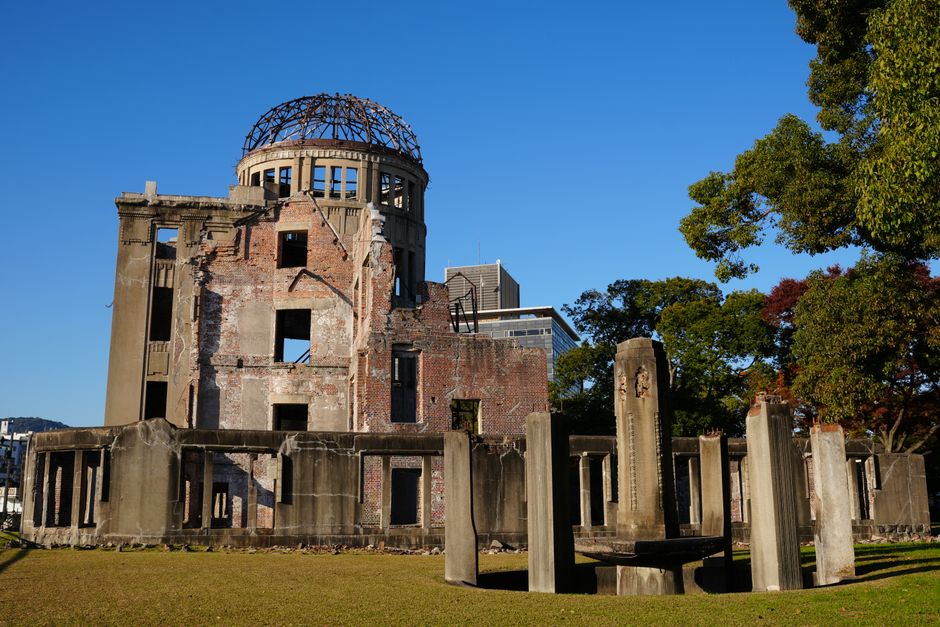
The A-Bomb Dome: Ground Zero’s Silent Witness
The A-Bomb Dome (Genbaku Dome) stands as UNESCO World Heritage Site for good reason. This skeletal remain of the former Hiroshima Prefectural Industrial Promotion Hall survived because it was almost directly beneath the blast.
Circle the dome completely. Each angle reveals different structural damage that tells part of the story. The viewing platform on the opposite riverbank offers the best photo opportunities.
Children’s Peace Monument and Paper Cranes
This colorful monument honors Sadako Sasaki and all children who died from the bombing’s effects. The story goes that Sadako tried to fold 1,000 paper cranes while battling leukemia, believing it would grant her wish to live.
Visitors from around the world leave millions of paper cranes here annually. In fact, the maintenance staff collects them regularly to make room for new ones — a beautiful, endless cycle of remembrance.
Pro Tip: Learn to fold a paper crane before your visit using YouTube tutorials. Contributing your own crane makes the experience more personal and meaningful.
Cultural Etiquette at Hiroshima Peace Memorial
Respectful Behavior Guidelines
Silence isn’t required throughout the park, but keep conversations quiet and respectful. This applies especially near the Cenotaph and Memorial Hall.
Dress modestly — no tank tops, short shorts, or flip-flops. You’re visiting a place of mourning and remembrance, not a beach resort.
Bowing before the Cenotaph is appropriate but not mandatory. Follow the lead of Japanese visitors around you.
International Perspective and Dialogue
American visitors sometimes worry about reception here. In my experience, Japanese visitors and staff show nothing but kindness and appreciation for international guests who come to learn.
The memorial focuses on peace, not blame. The museum presents facts without political rhetoric, making it educational rather than accusatory.
Practical Tips for Your Hiroshima Peace Memorial Tour
Booking Tours vs. Going Solo
Solo visits allow you to move at your own pace and spend time reflecting. However, guided tours provide historical context that enhances understanding significantly.
Professional guided tours often include transportation from major hotels and combine the Peace Memorial with other Hiroshima attractions like Miyajima Island.
Combining with Other Hiroshima Attractions
Most visitors combine the Peace Memorial with Miyajima Island in a full-day itinerary. The famous floating torii gate provides a beautiful, peaceful contrast to the memorial’s solemnity.
Hiroshima Castle, rebuilt after the war, offers insight into the city’s pre-war history and culture. It’s a 15-minute walk from Peace Memorial Park.
Pro Tip: Consider purchasing travel insurance through SafetyWing for 2026 Japan trips. Their coverage includes trip delays and medical emergencies, giving you peace of mind while traveling.
Where to Eat and Reflect Nearby
Hiroshima-style okonomiyaki provides comfort food after an emotional museum visit. Okonomi-mura, a three-story building filled with okonomiyaki stalls, sits just 10 minutes from the park.
For quieter reflection, riverside cafes along the Motoyasu River offer peaceful views of the A-Bomb Dome while you process your experience.
Making Your Hiroshima Peace Memorial Visit Meaningful
Preparing Emotionally and Mentally
This visit will likely affect you more than expected. Even visitors who consider themselves emotionally prepared often find themselves overwhelmed by the human stories and artifacts.
Allow extra time for processing. Don’t schedule back-to-back tourist activities immediately after leaving the museum.
Continuing the Conversation Back Home
The memorial’s ultimate goal is promoting peace through education. Consider how you’ll share what you learned with friends and family back home.
Many visitors purchase books from the museum shop or take photos (where permitted) to help tell the story to others.
The Peace Memorial serves as a bridge between cultures and generations. Your visit contributes to that ongoing dialogue about peace and the consequences of war.
Whether you’re planning your first Japan trip or returning for deeper exploration, the Hiroshima Peace Memorial deserves a place on your itinerary. It’s not an easy visit, but it’s an important one that will stay with you long after you leave Japan.
📚 Related Articles
How long should I spend at Hiroshima Peace Memorial Park?
Plan for 3-4 hours total. The museum takes 90-120 minutes, and walking through the park monuments requires another 60-90 minutes. Allow extra time for reflection and processing what you’ve seen.
Is the Hiroshima Peace Memorial appropriate for children?
The memorial is educational but emotionally intense. Children under 12 might find some museum exhibits disturbing. Use your judgment based on your child’s maturity level and interest in history.
Can I visit Hiroshima Peace Memorial and Miyajima Island in one day?
Yes, this is a popular combination. Start with the Peace Memorial in the morning (2-3 hours), then take the train to Miyajima Island for the afternoon. Both sites are accessible with the same streetcar and ferry passes.
What’s the difference between the Peace Memorial Park and Museum?
Peace Memorial Park is the outdoor area containing monuments, the A-Bomb Dome, and memorials (free entry). The Peace Memorial Museum is the indoor exhibition space with artifacts and historical displays (¥200 entry fee).
Do I need to book Hiroshima Peace Memorial tickets in advance?
No advance booking required for individual visits. The museum tickets are purchased at the entrance. However, large groups and guided tours should reserve ahead, especially during peak seasons and commemoration periods.
🗺️ Area Map
🗺️ Interactive Map
Watch Before You Go
Watch Before You Go: The Complete Hiroshima Guide | Exploring Peace, Memory, and Renewal
What Travelers Say
“The Hiroshima Peace Memorial Park stands as one of Japan’s most profound and moving destinations, where visitors can gain deep insights into the atomic bombing’s impact through the museum’s carefully curated exhibits. Allow at least half a day to fully absorb the memorial’s powerful message, and consider hiring a local guide who can provide personal stories and historical context that bring this sacred space to life.”
“Visiting the Peace Memorial was emotionally overwhelming but absolutely essential to understanding Hiroshima’s history. The museum displays are incredibly well-done and the audio guide helped me grasp the full scope of what happened here. I’d recommend going early in the morning when it’s less crowded so you can really take your time and reflect.”
コメント