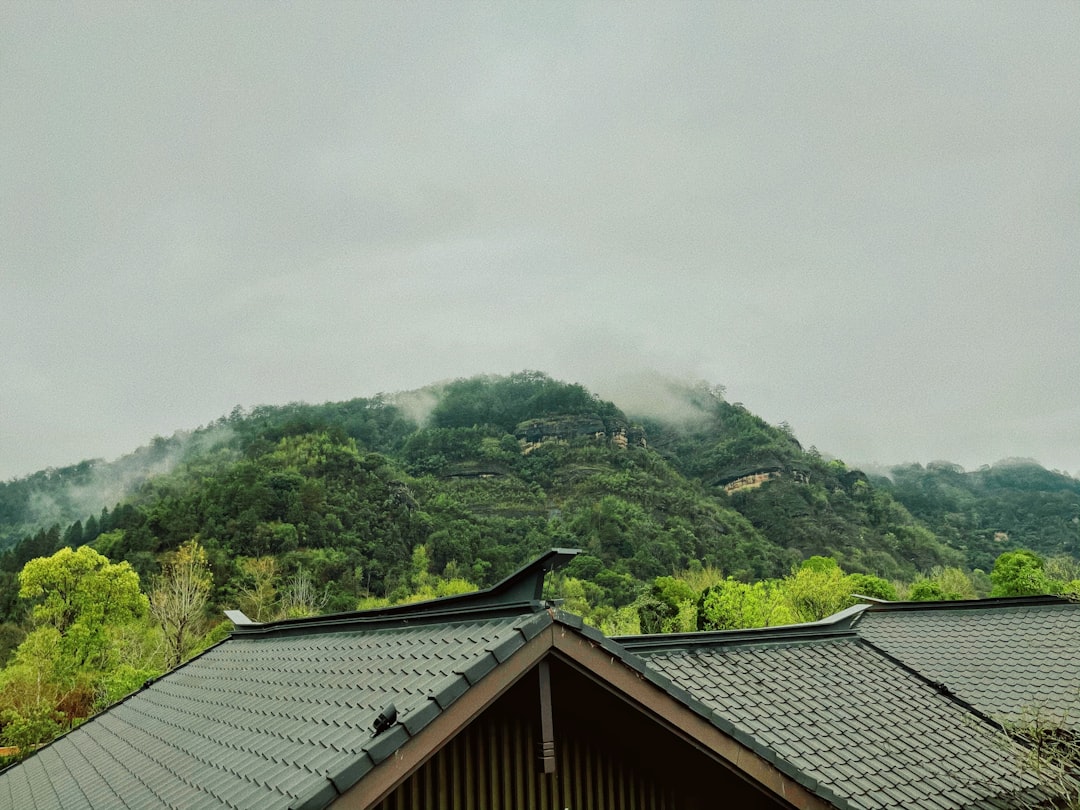
Picture this: you’re soaking in mineral-rich hot spring water, surrounded by misty mountains and centuries-old Japanese traditions, while Mount Fuji plays peek-a-boo through the clouds. Welcome to Hakone, where the art of onsen bathing reaches near-spiritual levels — and where I once accidentally walked into the wrong gender bath because I can’t read kanji under pressure. Don’t worry, we’ll cover the etiquette so you don’t repeat my crimson-faced mistake.
This comprehensive Hakone onsen guide will transform you from a hot spring novice into a relaxation expert, covering everything from the best onsen resorts to the unwritten rules that’ll save you from tourist faux pas.
| Best Time to Visit | Year-round (autumn for fall colors, winter for clear Fuji views) |
|---|---|
| From Tokyo | 1.5-2 hours via Odakyu Romance Car |
| Top Onsen Types | Sulfur, sodium chloride, calcium sulfate springs |
| Budget Range | Day visits: ¥1,000-3,000 | Ryokan stays: ¥15,000-50,000+ per person |
| Must-Visit Areas | Yumoto, Miyanoshita, Gora, Sengokuhara |
| Onsen Etiquette | Wash thoroughly before entering, no tattoos (usually), stay quiet |
- Understanding Hakone’s Onsen Culture and Benefits
- Best Hakone Onsen Ryokan and Hotels for Every Budget
- Day-Trip Onsen: Best Public Hot Springs in Hakone
- Hakone Onsen Etiquette: Avoiding Tourist Mistakes
- Getting to Hakone: Transportation and Area Navigation
- Planning Your Perfect Hakone Onsen Experience
- 🗺️ Area Map
- Watch Before You Go
- What Travelers Say
Understanding Hakone’s Onsen Culture and Benefits
Hakone isn’t just any hot spring destination — it’s been Japan’s premier onsen resort for over 1,200 years. When I first discovered this mountainous paradise just 90 minutes from Tokyo’s chaos, I understood why samurai, shoguns, and stressed-out salarymen have all made the pilgrimage here.
The region boasts 17 different onsen areas, each with unique mineral compositions that supposedly cure everything from stiff joints to broken hearts (the jury’s still out on that last one). The volcanic activity from nearby Mount Fuji creates these therapeutic waters, rich in sulfur, sodium, and other minerals that leave your skin feeling baby-soft.
Types of Hakone Hot Springs
Hakone’s diverse geological landscape produces various spring types:
- Sulfur springs: The classic “rotten egg” smell that initially shocks but becomes oddly comforting
- Sodium chloride springs: Great for circulation and leaving you feeling incredibly relaxed
- Calcium sulfate springs: Known for skin benefits and muscle relief
Pro Tip: Don’t let the sulfur smell put you off — it’s actually a sign of high mineral content. I’ve learned to associate it with pure relaxation, though my first whiff had me questioning my life choices.

Best Hakone Onsen Ryokan and Hotels for Every Budget
Choosing the right accommodation can make or break your Hakone onsen experience. I’ve stayed everywhere from budget-friendly guesthouses to ultra-luxurious ryokan, and here’s what you need to know for 2026.
Luxury Onsen Ryokan (¥30,000+ per person)
Gora Kadan: This former imperial retreat is the crown jewel of Hakone accommodations. The private onsen baths, impeccable kaiseki cuisine, and service so attentive it’s almost embarrassing make this worth the splurge. I felt like royalty — until I realized I’d been wearing my yukata backwards for half the day.
Hakone Ginyu: Modern luxury meets traditional onsen culture. Their rooftop baths offer stunning views, and each room comes with a private hot spring bath. Perfect for couples or anyone who wants to soak without worrying about onsen etiquette.
Mid-Range Options (¥15,000-25,000 per person)
Fukuzumiro Ryokan: A 380-year-old establishment in Miyanoshita that’s hosted everyone from Charlie Chaplin to John Lennon. The historic charm is palpable, and their outdoor baths are phenomenal.
Mikawaya Ryokan: Family-run for 18 generations, this place oozes authentic Japanese hospitality. Their onsen water comes from seven different springs, so you’re basically getting a mineral cocktail.
Budget-Friendly Choices (¥8,000-15,000 per person)
Hakone Yumoto Onsen Yamanishiki: Simple, clean, and authentic without the luxury price tag. Perfect for first-time visitors who want to experience traditional onsen culture.
Pro Tip: Book your Hakone onsen experience through specialized Japan travel services to ensure you get authentic ryokan experiences with English-speaking support — trust me, you’ll appreciate the help when navigating traditional accommodations.

Day-Trip Onsen: Best Public Hot Springs in Hakone
Not everyone needs the full ryokan experience, and Hakone’s public onsen (sento) offer fantastic alternatives for day visitors exploring this beautiful region as part of their broader Japan travel itinerary.
Top Public Onsen for Visitors
Tenzan Tohji-kyo: This outdoor onsen complex feels like bathing in a secret mountain hideaway. Multiple pools at different temperatures, surrounded by bamboo and mountain views. The fact that it allows small tattoos makes it foreigner-friendly — a rarity in Japan tourism.
Hakone Yuryo: A modern onsen theme park that’s perfect for families and first-timers. Clean facilities, English signage, and a variety of bath types. Less traditional but incredibly welcoming.
Kappa-yu: A local favorite in Yumoto that’s been operating since 1630. Authentic, no-frills experience where you’ll likely be the only tourist — which is either thrilling or terrifying, depending on your confidence level.
- Arrive early morning or late afternoon to avoid crowds
- Bring your own towel or rent one (small towel for washing, large for drying)
- Budget ¥1,000-3,000 for entry fees
- Plan 2-3 hours for the full experience including relaxation time
Pro Tip: Download a translation app before visiting public onsen. While most have picture instructions, knowing key phrases like “atsu” (hot) and “nurui” (warm) will help you navigate different pools like a pro.

Hakone Onsen Etiquette: Avoiding Tourist Mistakes
Onsen etiquette isn’t just politeness — it’s essential for preserving these sacred spaces of Japanese culture. When I first arrived at a traditional onsen, I made approximately seventeen mistakes in my first five minutes, including the legendary “soap in the communal bath” incident that still haunts my dreams.
Essential Onsen Rules
- Wash thoroughly before entering: Scrub everything, twice. Japanese bathers spend 5-10 minutes cleaning before soaking
- Enter the bath slowly: No splashing, jumping, or any sudden movements that might disturb others
- Keep conversation quiet: Onsen are for relaxation, not socializing
- Don’t let your towel touch the water: Rest it on your head or beside the bath
- Rinse off after soaking: Removes excess minerals and shows respect
The Tattoo Situation
Traditional onsen often ban tattoos due to historical associations with yakuza. However, many Hakone facilities now accommodate foreign visitors with small tattoos, especially tourist-focused establishments. Always check policies beforehand or look for “tattoo-friendly” onsen.
Mixed Gender vs. Separated Baths
Most onsen are gender-separated (and clearly marked, once you learn the kanji). Mixed-gender baths (konyoku) are rare and usually require special clothing. When in doubt, follow other people of your gender — it’s foolproof.
Pro Tip: If you’re nervous about onsen etiquette, visit during less busy times or choose more tourist-friendly locations first. Fellow bathers are usually understanding of honest mistakes, especially if you’re clearly trying to be respectful.

Getting to Hakone: Transportation and Area Navigation
Reaching Hakone from Tokyo is refreshingly straightforward, thanks to Japan’s legendary transportation system. The train was so punctual during my first visit that I started questioning my entire relationship with time management.
Transportation Options
Odakyu Romance Car: The most comfortable option, taking about 85 minutes from Shinjuku to Hakone-Yumoto. Reserve a seat for guaranteed comfort and mountain views.
JR Tokaido Line + Hakone Tozan Railway: Covered by JR Pass, takes about 2 hours total. More connections but budget-friendly for pass holders.
Highway Bus: Direct buses from Tokyo, Shibuya, or Haneda Airport. Takes longer but offers scenic mountain routes.
Hakone Free Pass
This transportation pass is pure genius for visitors planning to explore multiple areas. It covers trains, buses, cable cars, pirate ships (yes, really), and provides discounts at many onsen facilities. Valid for 2-3 days and practically pays for itself.
Navigating Hakone’s Onsen Areas
- Hakone-Yumoto: Main gateway with numerous day-trip onsen
- Miyanoshita: Historic area with classic ryokan
- Gora: Upscale onsen resorts and modern facilities
- Sengokuhara: Scenic area with outdoor onsen and pampas grass fields
Consider booking a guided Hakone day tour if you want to experience multiple onsen areas without the navigation hassle — especially valuable for first-time visitors to Japan tourism hotspots.
Pro Tip: Download offline maps and have your accommodation’s address written in Japanese characters. While Hakone is tourist-friendly, some areas have limited English signage, and getting lost in mountain roads isn’t fun.

Planning Your Perfect Hakone Onsen Experience
Creating the ideal Hakone onsen itinerary depends on your budget, time, and comfort level with traditional Japanese culture. After dozens of visits, I’ve learned that the best experiences come from balancing must-see spots with spontaneous discoveries.
Sample 2-Day Hakone Onsen Itinerary
Day 1:
- Morning arrival via Romance Car to Hakone-Yumoto
- Check into ryokan and enjoy welcome tea ceremony
- Afternoon soak in hotel’s private onsen
- Evening kaiseki dinner and sake tasting
- Nighttime outdoor onsen under the stars
Day 2:
- Early morning onsen session (best time for Mount Fuji views)
- Traditional Japanese breakfast
- Visit public onsen like Tenzan Tohji-kyo
- Lake Ashi sightseeing and pirate ship cruise
- Final onsen session before departure
What to Pack for Your Onsen Adventure
- Small towel for washing (many places rent them)
- Comfortable clothes for post-onsen relaxation
- Waterproof phone case for capturing misty mountain views
- Hair ties if you have long hair
- Travel insurance (consider comprehensive coverage for international travel)
Best Times to Visit Hakone Onsen
Spring (March-May): Cherry blossoms and comfortable temperatures, but can be crowded
Summer (June-August): Lush greenery, though hot weather makes onsen less appealing during the day
Autumn (September-November): Spectacular fall colors and clear skies — my personal favorite
Winter (December-February): Best Mount Fuji visibility and magical snow-covered landscapes
Pro Tip: For the ultimate 2026 experience, plan your visit during weekdays if possible. Weekend crowds can diminish the peaceful onsen atmosphere, and you’ll get better service and more personal attention at ryokan during quieter periods.
Hakone’s onsen culture represents everything beautiful about Japanese hospitality and tradition. Whether you’re soaking in a luxury ryokan’s private bath or nervously following etiquette at your first public onsen, you’re participating in a ritual that’s remained essentially unchanged for centuries. The hot springs will soothe your muscles, the mountain air will clear your head, and the experience will leave you with stories you’ll tell for years — even if some involve accidentally walking into the wrong changing room. Trust me, it happens to the best of us.
Do I need to bring anything special to Hakone onsen?
Most onsen provide basic amenities like shampoo and body wash. Bring a small towel for washing and a larger one for drying (or rent them). Many visitors forget hair ties for long hair and waterproof cases for phones. Don’t bring soap, loofahs, or any personal bathing items into the actual hot spring.
How long should I stay in an onsen bath?
Start with 10-15 minutes maximum, especially if you’re new to hot springs. The mineral-rich water and high temperatures can be overwhelming. Take breaks, hydrate frequently, and listen to your body. Experienced bathers might soak for 30+ minutes total, but spread across multiple sessions.
Can I visit Hakone onsen with tattoos?
Traditional onsen often prohibit tattoos, but many Hakone facilities now accommodate tourists with small tattoos. Look for “tattoo-friendly” establishments, cover small tattoos with special patches (available at convenience stores), or choose private onsen experiences. Always check policies beforehand to avoid disappointment.
What’s the difference between onsen and sento in Hakone?
Onsen use natural hot spring water from geothermal sources and must meet specific mineral content requirements. Sento are public bathhouses that may use heated tap water. In Hakone, most facilities are true onsen due to the region’s volcanic activity, but the terms are sometimes used interchangeably.
Is it worth staying overnight at a Hakone onsen ryokan?
Absolutely! While day trips are enjoyable, overnight stays offer the full experience: multiple onsen sessions, traditional kaiseki meals, wearing yukata, and morning soaks with Mount Fuji views. The evening and early morning are the best times for both onsen bathing and mountain scenery, making overnight stays incredibly worthwhile.

🗺️ Area Map
🗺️ Interactive Map
Watch Before You Go
Watch Before You Go: Top 5 Things to do in Hakone
What Travelers Say
“Hakone’s hot spring resorts offer some of Japan’s most spectacular onsen experiences, with mineral-rich waters sourced directly from the volcanic Mount Fuji region. The town’s ryokans range from traditional establishments with centuries of history to modern luxury resorts, all featuring outdoor baths with breathtaking views of Lake Ashi and the surrounding mountains.”
“We stayed at a traditional ryokan in Hakone and the onsen experience was absolutely magical – soaking in the outdoor hot spring while watching the sunrise over Mount Fuji was unforgettable. The water felt incredibly silky and therapeutic, and the staff explained the proper etiquette which made us feel comfortable as first-time visitors. Book early as the best places fill up quickly, especially during cherry blossom season!”
コメント