📰 Latest News & Updates
- fakemink: ‘I’m the Eminem of the UK underground’ — Dazed, 2026-03-02
- Galaxy Entertainment Group Reports Q4 & Annual 2025 Results — GlobeNewswire, 2026-02-26
- These are the hotel openings TPG is most excited for in 2026 — The Points Guy, 2026-02-19
Listen, I’ve made my fair share of sushi mistakes in Tokyo. Like that time I asked for a California roll at a 200-year-old establishment in Ginza and received a look that could freeze Mount Fuji. After seven years of living here and countless rice-based adventures, I’ve finally figured out where to find Tokyo’s best sushi – and more importantly, how not to embarrass yourself while eating it.
Tokyo isn’t just the sushi capital of Japan; it’s the sushi capital of the universe. With over 160,000 restaurants in the city (yes, really), finding the perfect sushi spot can feel more overwhelming than navigating Shinjuku Station during rush hour. But don’t worry – I’ve done the delicious legwork for you.
| Quick Facts: Tokyo Sushi Scene | Details |
|---|---|
| Best months to visit | October-March (peak fish season) |
| Average omakase cost | ¥8,000-¥30,000+ ($50-$200+) |
| Reservation necessity | Essential for high-end spots |
| Tipping culture | Not required (seriously, don’t) |
| Best districts | Ginza, Tsukiji, Shibuya, Shinjuku |
The Legendary Tsukiji Area: Where Sushi Dreams Come True
Even though the famous fish market moved to Toyosu in 2018, the Tsukiji area remains the beating heart of Tokyo’s sushi scene. The narrow alleys around the old market are packed with sushi joints that have been perfecting their craft for generations.
Daiwa Sushi is probably the most famous spot, and for good reason. I once waited three hours here (starting at 4 AM, because apparently I hate sleep), and every single piece was worth the zombie-like state I endured. Their tuna is so good it should probably be illegal in most countries.
Jiro Sushi – yes, THAT Jiro from the documentary – operates his legendary three-Michelin-starred restaurant in Ginza. Fair warning: getting a reservation here is harder than explaining the plot of Evangelion to your grandmother. But if you manage it, you’ll experience sushi that transcends food and enters the realm of art.
For those seeking a more accessible (but equally incredible) experience, Kyuboshi in the Tsukiji outer market has been serving exceptional sushi since 1935. The chef here has hands blessed by the sushi gods, and their sea urchin will make you question why you ever settled for grocery store sushi back home.
Pro Tip: If you’re staying near Tsukiji, book accommodations through Booking.com to secure hotels within walking distance of these legendary spots – you’ll thank me when you’re not rushing across Tokyo for your 6 AM sushi reservation.

Ginza: High-End Sushi Paradise
Ginza is where Tokyo puts on its fanciest kimono and shows off. The sushi restaurants here are temples to the craft, where masters spend decades perfecting the temperature of their rice (yes, rice temperature is apparently a thing that matters deeply).
Sukiyabashi Jiro Honten remains the holy grail, but Sushi Yoshitake offers a more approachable three-Michelin-starred experience. Chef Yoshitake has a warm personality that makes the omakase feel like dinner with a supremely talented friend who happens to serve fish that costs more than your monthly rent.
Kyoboshi (not to be confused with Kyuboshi) is another Ginza gem where the chef’s knife work is so precise, I’m convinced he moonlights as a surgeon. Their seasonal selections showcase Japan’s incredible attention to timing – each fish is served at its absolute peak moment.
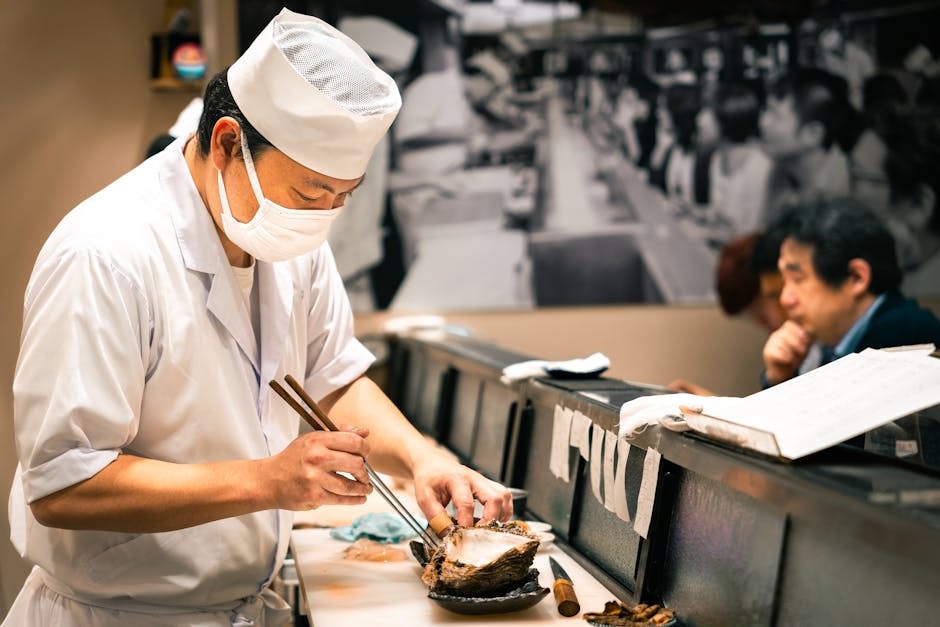
Don’t overlook Sushi Harutaka, where the young chef trained under some of Japan’s greatest masters. The intimate eight-seat counter creates an almost spiritual atmosphere where every piece of sushi is presented like a small work of art.
Pro Tip: Many Ginza sushi restaurants require reservations weeks in advance. Consider booking a sushi experience tour that includes restaurant access and cultural guidance – it’s often easier than navigating the reservation system solo.

Hidden Neighborhood Gems: Where Locals Actually Eat
Here’s the thing about Tokyo that guidebooks won’t tell you: some of the best sushi happens in tiny neighborhood joints where the chef knows everyone’s order by heart and the décor hasn’t changed since the Showa era.
Sushi Dai in Toyosu Market (the new Tsukiji) opens at 5 AM and serves incredibly fresh sushi to market workers and adventurous tourists. The atmosphere is pure controlled chaos, and watching the chefs work is better entertainment than most TV shows.
In the charming Yanaka district, Sushi Zanmai Honten offers exceptional quality without the intimidation factor. The chef speaks enough English to guide you through the experience, and their chirashi bowls are Instagram-worthy masterpieces.
Numazuko in Shibuya flies completely under the tourist radar. I discovered this place by accident after getting lost (a common theme in my Tokyo adventures), and it’s become my go-to spot for celebrating good news. The master here has been perfecting his craft for over 40 years, and his sea bream preparation technique should be protected by UNESCO.
For late-night sushi cravings, Sushi Bun in Roppongi stays open until 3 AM. It’s where I take friends who think they’ve experienced good sushi elsewhere – their midnight tuna will permanently reset your expectations.
Pro Tip: Learning basic sushi etiquette will enhance your experience tremendously. Eat nigiri with your hands (yes, really), don’t mix wasabi into your soy sauce, and never, ever ask for spicy mayo. Trust me on this one.

Budget-Friendly Sushi That Doesn’t Compromise on Quality
Not everyone can drop ¥30,000 on dinner (including past-me, who once survived on convenience store onigiri for a week). Fortunately, Tokyo offers incredible sushi experiences that won’t require selling your kidney on the black market.
Sushizanmai is a chain, but don’t let that fool you – their quality consistently impresses, and they’re open 24 hours. Perfect for those jet-lag-induced 3 AM sushi cravings that seem to hit every visitor to Japan.
Nabezo offers all-you-can-eat sushi that’s actually good. I know what you’re thinking – “all-you-can-eat sushi in Tokyo sounds like a trap.” But their fish is fresh, their rice is properly seasoned, and you can eat until you physically cannot move. It’s basically sushi boot camp.
The basement food courts (depachika) of major department stores like Mitsukoshi and Takashimaya house some surprisingly excellent sushi counters. Kyobei in the Takashimaya basement serves omakase-quality sushi at fraction of the upstairs restaurant prices.
Don’t skip the conveyor belt sushi revolution happening at places like Sushi Midori. The plates move past you on a little train (because everything in Japan needs to be adorable), but the quality rivals many traditional restaurants.
Pro Tip: Many budget sushi spots offer lunch sets that provide incredible value. The same chef making dinner for ¥15,000 is often serving lunch for ¥2,000 – same skill, same quality, friendlier price tag.
Essential Sushi Etiquette and Ordering Tips
Attempting to navigate sushi etiquette as a foreigner can feel like defusing a bomb while blindfolded. But honestly, most sushi chefs are incredibly patient with respectful visitors who show genuine interest in the experience.
First rule: trust the chef. When ordering omakase (chef’s choice), you’re basically saying “surprise me with your best stuff.” This isn’t the time to mention your dislike of salmon or request everything to be cooked. Omakase is a journey – let the chef drive.
Eating nigiri with your hands is not only acceptable, it’s preferred. The rice is shaped to fall apart at the perfect moment on your tongue, and chopsticks can actually interfere with this carefully engineered process. I felt ridiculous doing this initially, but now eating sushi with chopsticks feels like trying to drink wine through a straw.
The wasabi and ginger serve specific purposes. The chef has already added the perfect amount of wasabi between the fish and rice. The ginger (gari) cleanses your palate between different types of fish – it’s not meant to be eaten with the sushi itself.
Most importantly: eat each piece immediately when it’s placed before you. Sushi is served at specific temperatures for optimal flavor, and letting it sit while you take Instagram photos actually diminishes the experience.
Pro-tip: If you’re planning multiple sushi experiences during your 2026 Japan trip, consider getting travel insurance through SafetyWing – because eating this much incredible sushi might actually be dangerous to your health (and your wallet).
Tokyo’s sushi scene continues evolving, with young chefs respecting tradition while adding their own innovations. Whether you’re splurging on a once-in-a-lifetime omakase experience or discovering a neighborhood gem, Tokyo offers sushi adventures that will spoil you for life. Just don’t blame me when every other city’s sushi scene feels like a disappointing sequel to a masterpiece.
Do I need reservations for Tokyo sushi restaurants?
For high-end establishments like Jiro or other Michelin-starred restaurants, reservations are absolutely essential and should be made weeks or months in advance. Mid-range restaurants usually recommend reservations, while casual spots and chains typically accept walk-ins. Many hotels can help with reservations, or use services like OpenTable Japan.
How much should I budget for sushi in Tokyo?
Budget varies wildly: conveyor belt sushi costs ¥100-300 per plate, mid-range restaurants charge ¥3,000-8,000 for omakase, while high-end establishments range from ¥15,000-40,000+. Lunch sets are often 30-50% cheaper than dinner at the same restaurant. Budget at least ¥5,000-10,000 for a memorable sushi experience.
Is it rude to eat sushi with my hands?
Not at all! Eating nigiri sushi with your hands is traditional and actually preferred by many sushi chefs. The rice temperature and texture are designed for hand consumption. Sashimi should be eaten with chopsticks, but nigiri can go either way. When in doubt, observe other diners or ask your server.
What’s the best time of year for sushi in Tokyo?
October through March is considered peak season for sushi, as many fish varieties are at their best during cooler months. However, great sushi is available year-round, with different seasonal specialties. Summer offers excellent sea urchin and eel, while winter brings premium tuna and yellowtail. Each season has its highlights.
Should I tip at sushi restaurants in Tokyo?
No, tipping is not expected and can actually be considered rude in Japan. The price you pay includes exceptional service. Some high-end restaurants include a service charge, but additional tipping isn’t necessary. Show appreciation through respectful behavior and genuine enjoyment of the meal instead.

🗺️ Area Map
🗺️ Interactive Map
Watch Before You Go
Watch Before You Go: A Local's Guide to the Perfect Tokyo Experience | Internet vs Expert | Condé Nast Traveler
What Travelers Say
“Tokyo’s sushi scene ranges from legendary establishments like Jiro’s three-Michelin-starred shrine to accessible conveyor belt joints that still serve exceptional fish. The key is understanding that even neighborhood sushi-ya often source from Tsukiji’s successor, Toyosu Market, meaning quality can be outstanding regardless of price point. Book omakase experiences well in advance, especially at renowned spots in Ginza and Roppongi.”
“Spent three weeks in Tokyo trying different sushi places and Kyoboshi was absolutely mind-blowing – the chef explained each piece and the rice temperature was perfect. Skip the touristy places in Shibuya and head to the locals’ spots near Tsukiji for incredible quality at half the price. Just be prepared to wait in line and don’t expect English menus everywhere!”
コメント