📰 Latest News & Updates
- Indians are changing travel plans amid global disruptions; Thailand, Sri Lanka, Japan see surge in bookings — The Times of India, 2026-03-30
- 70% of Gen Zers Are Embracing This Travel Trend—Here’s Why It’s the Perfect Trip for Any Generation — Reader’s Digest, 2026-03-27
When I first arrived in Tokyo, I thought I’d need weeks just to scratch the surface of this incredible city. However, after living here for years, I’ve discovered that some of Japan’s most magical experiences are just a train ride away. The beauty of Tokyo’s location is that you can breakfast in Shibuya and lunch beside Mount Fuji—talk about an upgrade from your usual commute!
The best day trips from Tokyo offer everything from ancient temples and traditional hot springs to coastal adventures and mountain hikes. Whether you’re craving cultural immersion or natural beauty, these destinations will show you sides of Japan that most tourists miss.
| Quick Facts | Details |
|---|---|
| Best Travel Method | JR Pass or individual train tickets |
| Average Trip Duration | 10-12 hours including travel time |
| Peak Season | Spring (March-May) and Fall (September-November) |
| Budget Range | ¥3,000-¥8,000 per person (excluding meals) |
| Most Popular | Nikko, Kamakura, and Hakone |
Nikko: Ancient Temples and Natural Beauty
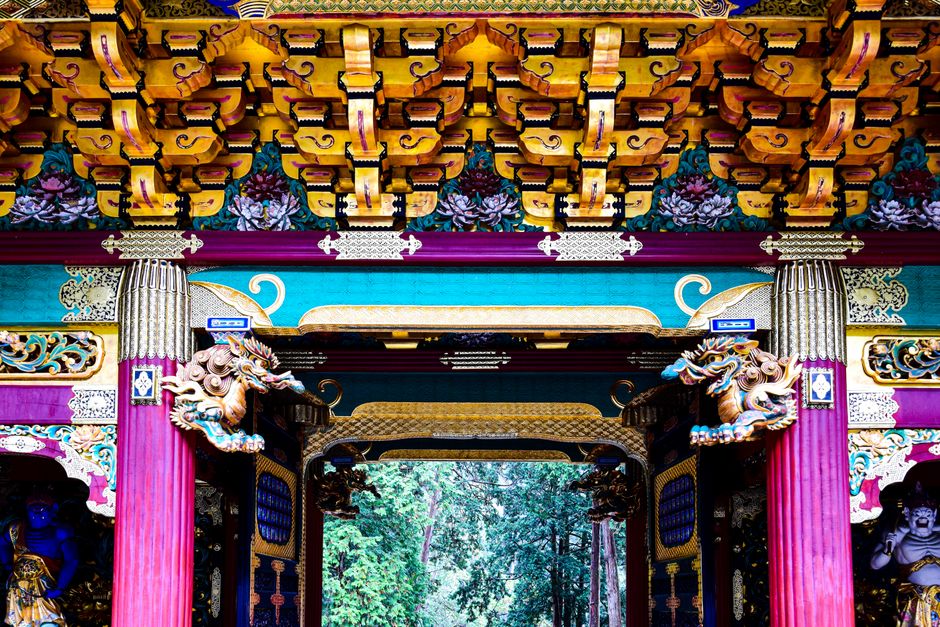
Nikko sits about two hours north of Tokyo and packs more UNESCO World Heritage sites per square kilometer than anywhere else in Japan. First, there’s the lavishly decorated Toshogu Shrine, where Tokugawa Ieyasu (the shogun who unified Japan) rests in eternal splendor.
The shrine complex is famous for its “see no evil, speak no evil, hear no evil” monkey carvings. In fact, these little guys are where that saying originated! The craftsmanship here is so intricate that I spent my first visit with my neck craned upward like a confused tourist—which, admittedly, I was.
Getting to Nikko
Take the Tobu Nikko Line from Asakusa Station directly to Tobu-Nikko Station. The journey takes about two hours and costs around ¥1,360 one way. If you have a JR Pass, you can use JR lines with one transfer, though it takes slightly longer.
Pro Tip: Buy the Nikko Pass for unlimited transportation within Nikko plus discounts on attractions. It pays for itself if you visit more than two sites.
What to See in Nikko
Beyond Toshogu Shrine, visit Rinnai-ji Temple with its massive main hall and the peaceful Futarasan Shrine. For nature lovers, Lake Chuzenji offers stunning mountain reflections, while Kegon Falls thunders down 97 meters of volcanic cliff.
Consider booking a guided day tour to Nikko to maximize your time and learn the fascinating stories behind each temple.
Kamakura: The Ancient Capital
Just one hour south of Tokyo, Kamakura served as Japan’s political center from 1185 to 1333. Today, it’s a laid-back coastal town where ancient temples coexist with trendy cafes and surf shops. The contrast perfectly captures modern Japan’s relationship with its past.
The town’s most famous resident is the Great Buddha (Daibutsu)—a 13-meter bronze statue that has been meditating peacefully since 1252. You can actually go inside the Buddha, which was definitely not on my bucket list until I did it.
Kamakura’s Temple Trail
Start at Hokokuji Temple, famous for its enchanting bamboo grove. The towering green stalks create a natural cathedral that’s impossibly photogenic. Next, visit Hase-dera Temple for its golden Kannon statue and panoramic views over Sagami Bay.
Finally, make your way to Kotoku-in Temple to meet the Great Buddha. The statue survived tsunamis, earthquakes, and typhoons—it’s basically the ultimate symbol of Japanese resilience.
Pro Tip: Rent a bicycle at Kamakura Station to cover more ground efficiently. The town is bike-friendly, and you’ll feel like a local pedaling between temples.
Kamakura Beach Culture
After temple-hopping, head to Shichirigahama Beach for sunset views of Enoshima Island. The beach has a surprisingly California vibe, complete with surfers and beachside ramen shops. It’s proof that Japan constantly surprises you when you least expect it.

Hakone: Hot Springs and Mount Fuji Views
Hakone is Tokyo’s premier hot spring resort destination, sitting in the shadow of Mount Fuji. The region offers everything from luxury ryokan to public baths, plus some of the clearest views of Japan’s most famous mountain.
However, Mount Fuji is notoriously shy—it hides behind clouds about 70% of the time. When it does appear, though, the sight is absolutely breathtaking. I’ve learned to appreciate the anticipation as much as the reveal.
The Hakone Loop
The famous Hakone Loop combines trains, cable cars, boats, and buses for a scenic circuit around the region. Start by taking the Romance Car from Shinjuku to Hakone-Yumoto, then work your way up to Lake Ashi via the switchback train and cable car.
Lake Ashi offers boat cruises on replica pirate ships—yes, really. The juxtaposition of traditional torii gates and fake pirates perfectly sums up Japan’s playful approach to tourism.
Pro Tip: Buy the Hakone Free Pass for unlimited transportation within the region plus discounts on attractions and hot spring baths. It’s valid for 2-3 days if you want to stay overnight.
Onsen Experiences
Don’t leave Hakone without trying an onsen (hot spring bath). Hakone Yuryo offers beautiful outdoor baths with forest views, while Tenzan Tohji-kyo features riverside pools. Remember the etiquette: wash thoroughly before entering the bath, and yes, you must be completely nude.
For a unique experience, book an onsen and Mount Fuji tour that combines cultural education with relaxation.

Kawagoe: Little Edo
Nicknamed “Little Edo,” Kawagoe preserves the atmosphere of old Tokyo before it became the modern metropolis we know today. The historic district features traditional clay-walled warehouses (kurazukuri) that once housed merchant goods.
Walking down Kawagoe’s main street feels like time travel, especially when the hourly bell tower chimes. First built in the 1600s, the Toki no Kane has been marking time for centuries—making it possibly the world’s most reliable employee.
Sweet Street Adventures
Kawagoe is famous for its sweet potato treats (the local specialty). Kashiya Yokocho (Candy Alley) offers traditional Japanese sweets in a narrow lane lined with old-fashioned shops. Try the sweet potato ice cream—it sounds weird but tastes incredible.
The area also features traditional craft workshops where you can try your hand at pottery or textile dyeing. It’s tourist-friendly without feeling touristy, if that makes sense.
Pro Tip: Visit on weekdays to avoid crowds and get better photos. The historic district is particularly beautiful in early morning light when shop owners are just opening up.
Enoshima: Island Paradise
Enoshima Island connects to the mainland by a short bridge and offers beaches, caves, gardens, and spectacular sunset views. The island has been a pilgrimage destination for over 1,500 years, though today’s visitors are more likely to be surfers than monks.
The approach to Enoshima Shrine involves climbing many stairs—or taking the outdoor escalators that locals installed because they’re practical like that. The shrine complex offers ocean views and houses a famous statue of Benzaiten, goddess of music and entertainment.
Underground Adventures
The Enoshima Caves (Iwaya) were carved by thousands of years of wave action. Monks once meditated in these caverns, and today you can explore them with provided lanterns. It’s atmospheric and slightly spooky in the best possible way.
After cave exploration, visit Samuel Cocking Garden for seasonal illuminations and the Sea Candle lighthouse. The views from the top stretch across Sagami Bay to Mount Fuji on clear days.
Pro Tip: Combine Enoshima with Kamakura for a perfect day trip. The Enoshima Electric Railway (Enoden) connects both destinations with a scenic coastal route that’s an attraction in itself.
Planning Your Best Day Trips from Tokyo
Transportation Tips
Most day trip destinations are accessible via JR lines, making the JR Pass extremely valuable for multiple trips. However, some destinations like Nikko and Hakone are served by private railway companies not covered by the JR Pass.
Download the Hyperdia app for accurate train schedules and route planning. Japanese trains run with clockwork precision—when they say 10:47, they mean 10:47, not 10:48. The punctuality will make you question everything about transportation in your home country.
What to Pack
Pack light but smart: comfortable walking shoes, portable phone charger, cash (many places still don’t accept cards), and a small day pack. Weather can change quickly in mountain areas like Hakone and Nikko, so bring layers.
Don’t forget travel insurance for any outdoor activities or onsen visits. SafetyWing offers flexible coverage perfect for day trip adventures.
Timing Your Visits
Spring (March-May) and fall (September-November) offer the best weather and scenery for day trips from Tokyo. Cherry blossoms peak in early April, while autumn colors are stunning in November. That said, each season has its charm—even winter provides crystal-clear mountain views.
Start early to maximize your day trip experience. Most destinations are most peaceful in the morning before crowds arrive. Plus, you’ll have better chances of spotting Mount Fuji before afternoon clouds roll in.
Pro Tip: Check local festival calendars before visiting. Many destinations host seasonal festivals that can make your day trip even more memorable—or completely crowded, depending on your perspective.
Making the Most of Day Trips in 2026
As Japan tourism continues recovering and evolving, 2026 promises excellent conditions for day trips from Tokyo. New transportation connections and improved English signage make these destinations more accessible than ever for international visitors.
Consider purchasing combination tickets that include multiple forms of transportation and attraction entries. These passes often provide significant savings and eliminate the hassle of buying individual tickets throughout the day.
Finally, remember that the best day trips from Tokyo aren’t just about checking destinations off a list. They’re about experiencing different facets of Japanese culture, from ancient spirituality to natural beauty to traditional crafts. Take time to sit, observe, and soak in each place’s unique atmosphere.
Whether you’re marveling at Nikko’s ornate temples, soaking in Hakone’s healing hot springs, or catching sunset views from Enoshima Island, these day trips will show you that Tokyo is just the beginning of your Japanese adventure. Each destination offers a different piece of the Japan puzzle, and together, they create an unforgettable travel experience that extends far beyond the city limits.
📚 Related Articles
How early should I start my day trips from Tokyo?
Aim to depart Tokyo between 8-9 AM to maximize your time at your destination. This allows you to arrive by 9-11 AM depending on distance, enjoy a full day of sightseeing, and return to Tokyo by evening. Early starts also mean fewer crowds and better photo opportunities.
Is the JR Pass worth it for day trips from Tokyo?
The JR Pass becomes cost-effective if you’re taking multiple day trips or combining them with longer journeys. For destinations like Nikko and Hakone served by private railways, you’ll need separate tickets. Calculate your total transportation costs to determine if the pass saves money for your specific itinerary.
Can I do multiple day trips in one day?
While technically possible for nearby destinations like Kamakura and Enoshima, it’s better to focus on one area per day trip. This allows time to truly experience each destination rather than rushing through. Quality over quantity leads to more memorable experiences and better understanding of local culture.
What’s the best day trip for first-time visitors to Japan?
Nikko offers the perfect introduction to traditional Japanese culture with its UNESCO World Heritage temples and natural beauty. It’s easily accessible, well-signposted in English, and provides dramatic contrast to Tokyo’s urban environment. The combination of history, architecture, and nature makes it ideal for first-time visitors.
How much should I budget for day trips from Tokyo?
Budget ¥5,000-¥10,000 per person for most day trips, including transportation, entrance fees, and meals. Hakone tends to be more expensive due to onsen fees and tourism infrastructure, while places like Kawagoe can be done more economically. Always carry extra cash as many attractions and restaurants don’t accept credit cards.
🗺️ Area Map
🗺️ Interactive Map
Watch Before You Go
Watch Before You Go: Top 10 Easy Day Trips from Tokyo
What Travelers Say
“Nikko offers the perfect escape from Tokyo’s urban intensity, combining UNESCO World Heritage temples with stunning natural beauty just two hours away by train. The ornate Toshogu Shrine and scenic Lake Chuzenji make it an ideal day trip that showcases Japan’s spiritual and natural heritage.”
“Kamakura was absolutely magical – we took the JR Tokaido line and were there in under an hour! The Great Buddha statue is breathtaking in person, and wandering through the bamboo paths at Hokokuji Temple felt like stepping into another world. Don’t miss the local shirasu (whitebait) lunch – it’s a Kamakura specialty!”
コメント