Picture this: You’ve just landed at Narita Airport, jetlagged and clutching your phone like a digital lifeline, only to discover your home carrier wants to charge you roughly the GDP of a small nation for roaming. Been there, friend. When I first arrived in Japan, I made the rookie mistake of thinking I could survive on airport WiFi alone. Spoiler alert: I couldn’t even figure out which train to take without desperately hunting for signal bars.
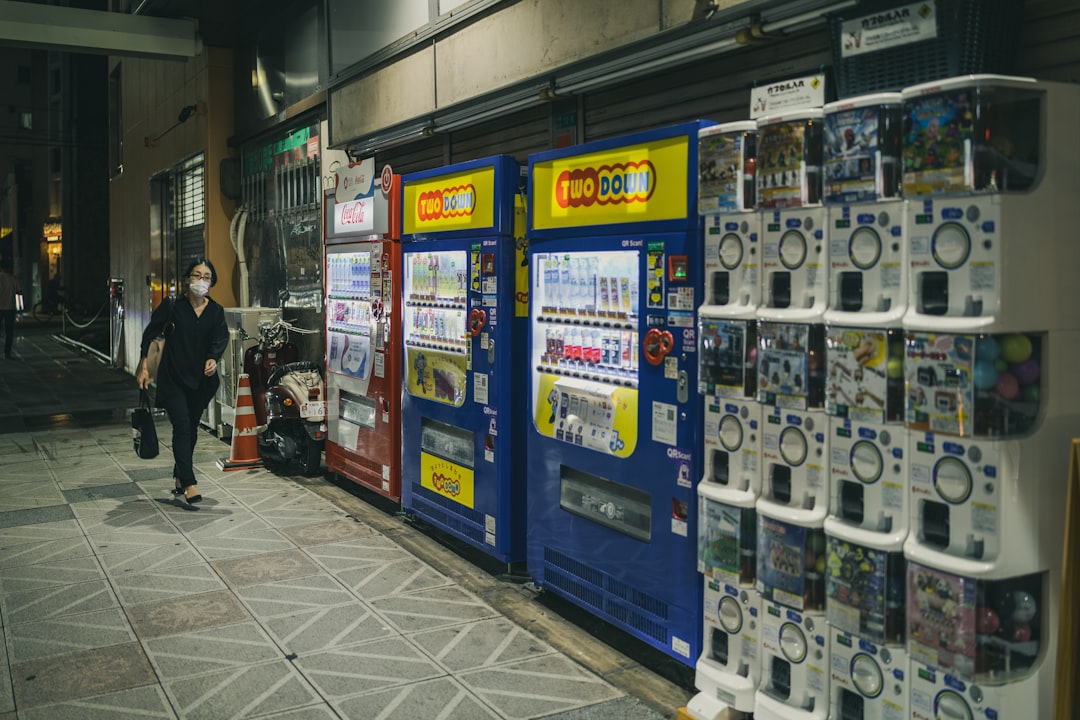
Here’s the truth about staying connected in Japan: while the country has incredible WiFi coverage (seriously, even some vending machines have WiFi), nothing beats having your own Japan SIM card for tourists. It’s your golden ticket to navigating Tokyo’s labyrinthine subway system, translating menus, and yes, taking those Instagram-worthy shots of Mount Fuji without the panic of finding WiFi.
| Factor | Details |
|---|---|
| Best Purchase Location | Airport arrival halls or online pre-order |
| Price Range | ¥1,000-¥6,000 ($7-$40) for 7-30 days |
| Data Allowance | 1GB to unlimited options available |
| Setup Time | 5-10 minutes with passport |
| Voice Calls | Data-only cards most common |
Types of Japan SIM Cards Available for Tourists
Not all SIM cards are created equal, and Japan’s got options that’ll make your head spin faster than a bullet train. Let me break down the main players in this digital game, because choosing the wrong one is like ordering sushi at a ramen shop – technically possible, but you’re missing the point.
Data-Only SIM Cards (The Popular Choice)
These are the bread and butter of Japan travel SIM cards. No voice calls, no SMS – just pure, unadulterated internet goodness. Most tourists go this route because, let’s be honest, who calls anyone anymore? You’ll be using WhatsApp, LINE, or whatever messaging app has taken over your social life.
Popular brands include:
- IIJmio Japan Travel SIM
- GTN Mobile
- NINJA SIM
- Mobal Tourist SIM
Voice + Data SIM Cards
If you absolutely need to make actual phone calls (maybe you’re old school like that), these combo cards exist. They’re pricier and honestly, unless you’re conducting business in Japan, a data-only card plus VoIP calling through apps will serve you better.
Pro Tip: Download Google Translate with offline Japanese before you arrive. Even with perfect data coverage, having offline translation can save you when you’re in a basement restaurant with spotty signal – and trust me, the best ramen is always in the basement.

Where to Buy Your Japan SIM Card
The age-old travel question: buy before you go or wing it when you arrive? Having done both (and stressed about both), here’s the real scoop on your options.
Airport Pickup Points
Every major Japanese airport has SIM card vending machines and service counters. Narita, Haneda, Kansai, and New Chitose airports all have multiple options right in the arrival halls. The machines take credit cards and have English interfaces, though they can be as finicky as a vintage arcade game sometimes.
Airport locations typically offer:
- Immediate activation
- English-speaking staff at service counters
- Multiple carrier options
- Tourist-specific packages
Pre-Order Online
This is my personal favorite method because it eliminates the “oh crap, what if they’re sold out” anxiety. You can order your SIM card online and either have it delivered to your hotel or pick it up at the airport. Companies like Mobal and GTN Mobile offer this service, and you’ll often get better deals than walk-up prices.
Electronics Stores
BIC Camera, Yodobashi, and Don Quijote stores throughout Japan sell SIM cards. The selection might be more limited, and you’ll need to navigate some Japanese, but it’s doable if you miss the airport options.
Pro Tip: Bring a paperclip or SIM ejection tool. Japanese SIM packaging often doesn’t include one, and borrowing random pointy objects from strangers in Shibuya is not the cultural exchange experience you want.

Pricing and Data Plans Breakdown
Let’s talk money, because nobody wants bill shock when they’re supposed to be enjoying authentic Japanese experiences. SIM card pricing in Japan follows a pretty logical pattern – more data and longer validity periods cost more. Revolutionary stuff, I know.
Short-Term Plans (1-7 Days)
Perfect for quick business trips or if you’re the type who thinks a week in Japan is sufficient (it’s not, but we’ll work with what you’ve got):
- 1GB for 7 days: ¥1,000-¥1,500 ($7-$10)
- 3GB for 7 days: ¥1,500-¥2,500 ($10-$17)
- Unlimited (with fair usage) for 7 days: ¥2,000-¥3,000 ($13-$20)
Medium-Term Plans (8-21 Days)
The sweet spot for most Japan tourism adventures:
- 5GB for 15 days: ¥2,500-¥3,500 ($17-$24)
- 10GB for 21 days: ¥3,000-¥4,500 ($20-$30)
- Unlimited for 15 days: ¥4,000-¥5,000 ($27-$34)
Long-Term Plans (22+ Days)
For the lucky souls with extended Japan travel plans:
- 20GB for 30 days: ¥4,000-¥6,000 ($27-$40)
- Unlimited for 30 days: ¥5,000-¥7,000 ($34-$47)
Pro Tip: “Unlimited” in Japan often means unlimited until you hit a daily fair usage limit (usually 1-3GB), then speeds slow down. It’s still functional for maps and messaging, but streaming your entire Netflix queue on the Shinkansen might not work out.

Step-by-Step Setup Guide
Installing a SIM card shouldn’t require an engineering degree, but I’ve watched enough tourists fumble through this process (myself included) to know it’s worth walking through step by step.
- Gather Your Documents: You’ll need your passport for purchase and activation. Some vendors also ask for your accommodation address in Japan.
- Power Down Your Phone: I know, I know – turning off your phone feels like temporary death, but trust the process.
- Remove Your Home SIM: Keep it somewhere safe. I use the little plastic holder the new SIM comes in – it’s like musical chairs for tiny pieces of technology.
- Install the Japan SIM: Make sure it’s properly seated in the tray. There’s usually only one way it fits, but somehow we all try it backwards first.
- Power On and Wait: Your phone will need a moment to register with the Japanese network. This is a great time to practice patience – a virtue you’ll need plenty of in Japan.
- Configure APN Settings: Most modern phones auto-configure, but if not, the SIM packaging includes manual setup instructions in English.
- Test Everything: Open your browser, check Google Maps, send a message – make sure you’re properly connected before leaving the airport.
Pro Tip: Take a photo of your APN settings before switching SIMs. If something goes wrong, you’ll have a visual reference instead of frantically Googling “APN settings” on sketchy WiFi at 2 AM.

Alternative Options: Pocket WiFi vs SIM Cards
Before you commit to the SIM card life, let’s address the elephant in the room – or should I say, the pocket-sized internet device in the room. Pocket WiFi rentals are huge in Japan, and for good reason.
When Pocket WiFi Makes Sense
Pocket WiFi devices are perfect if you’re traveling with multiple people who all need internet access. One device can typically handle 5-10 connected devices, making it economical for families or groups. Plus, you don’t need to fiddle with SIM cards or worry about phone compatibility.
The downside? You’re carrying another device that needs charging, and if you lose it or forget it back at the hotel, your whole group is digitally stranded. I’ve seen couples have heated discussions about who forgot to grab the WiFi device, and let me tell you, it’s not pretty.
Why SIM Cards Often Win
SIM cards offer individual freedom and one less thing to carry or charge. Your phone becomes your complete travel companion – no additional hardware to manage. For solo travelers or couples who can share data wisdom, SIM cards usually provide better value and convenience.
Plus, when you’re exploring Japan’s incredible temples and cultural sites, having instant access to translation apps and maps without fumbling for a separate device is invaluable.
Pro Tip: If you’re traveling with others, consider the “hybrid approach” – one person gets a SIM card for individual freedom, while the group shares a pocket WiFi for heavy data usage like streaming or video calls back home.

Troubleshooting Common Issues
Even in tech-savvy Japan, things can go sideways faster than a drift car in Tokyo. Here are the most common problems I’ve encountered (and helped other tourists solve) over the years.
“No Service” or “Emergency Calls Only”
This usually means your APN settings aren’t configured correctly. Double-check the settings against the instruction card that came with your SIM. If auto-configuration didn’t work, you’ll need to manually enter the settings. Don’t worry – it’s not rocket science, just tedious.
Slow Data Speeds
You might have hit a daily fair usage limit, especially if you’ve been streaming videos or uploading every photo to Instagram in real-time. Wait until the next day for speeds to reset, or connect to WiFi for heavy data tasks.
Can’t Make Calls (Data-Only SIM)
This isn’t a problem – it’s a feature! Data-only SIMs don’t support voice calls. Use WhatsApp, Skype, or LINE for calling. Most tourists don’t realize how liberating it is to not worry about international calling rates.
SIM Card Won’t Fit
Japan typically uses standard micro-SIM or nano-SIM sizes. If your phone needs a different size, most airport service counters have SIM card cutters or adapters. Don’t attempt DIY surgery with scissors – I’ve seen that end badly.
Can I use my unlocked phone with any Japan SIM card?
Most unlocked phones work with Japanese SIM cards, but compatibility isn’t 100% guaranteed. Phones from major manufacturers (Apple, Samsung, Google) typically work without issues. Check your phone’s supported frequency bands against the SIM provider’s specifications if you’re concerned. When in doubt, ask at the service counter – they can usually test compatibility before purchase.
What happens if I run out of data before my trip ends?
Most SIM card providers offer top-up options through their websites or apps. You can usually purchase additional data packages for ¥1,000-¥2,000. Alternatively, you can buy a new SIM card – they’re readily available throughout Japan. Electronics stores like BIC Camera and convenience stores often stock tourist SIM cards.
Do I need to register my SIM card with the Japanese government?
Tourist SIM cards don’t require registration beyond the initial purchase verification with your passport. The vendor handles any necessary registration. However, if you’re staying longer than 90 days or getting a regular Japanese phone plan, different rules may apply. For typical tourist visits, just provide your passport at purchase and you’re set.
Can I tether/hotspot with my Japan tourist SIM card?
Most tourist SIM cards allow tethering, but policies vary by provider. Check the terms when purchasing – some restrict hotspot usage or count it against daily fair usage limits more aggressively. If you need extensive tethering for multiple devices, consider a pocket WiFi rental instead, as they’re designed specifically for sharing connectivity.
What’s the best SIM card for rural areas and countryside travel?
NTT Docomo-based SIM cards generally offer the best coverage in rural Japan, including mountainous areas and smaller towns. SoftBank and AU networks are excellent in cities but can have gaps in remote locations. If your Japan travel includes hiking, rural onsen towns, or off-the-beaten-path destinations, prioritize Docomo network SIMs even if they cost slightly more.
Getting connected in Japan doesn’t have to be more complicated than figuring out which button flushes the high-tech toilet (hint: it’s usually the biggest one). A Japan SIM card for tourists is your ticket to stress-free navigation, seamless translation, and staying connected with the world while you’re discovering everything from Tokyo’s neon-lit streets to Kyoto’s peaceful temples.
Remember, the goal isn’t to stare at your phone screen for your entire trip – Japan’s beauty deserves your full attention. But having reliable connectivity means you can fully embrace spontaneous adventures, confident that you can navigate back to your hotel, translate that intriguing menu item, and yes, share those envy-inducing photos with folks back home.
The 2026 Japan travel scene continues to evolve with even better connectivity options and more tourist-friendly services. Whether you’re planning your first visit to experience Japanese culture or you’re a repeat visitor ready to explore deeper, staying connected will enhance every aspect of your journey.
Now go forth, stay connected, and prepare for a Japan adventure that’ll have you planning your next visit before you’ve even left. Just maybe pack some travel insurance too – because the only thing worse than losing your connection in Japan would be losing your luggage full of Kit-Kat flavors that don’t exist anywhere else.

🗺️ Area Map
🗺️ Interactive Map
Watch Before You Go
Watch Before You Go: Which is the best Japan Sim Card for travellers?
What Travelers Say
“Purchasing a Japan SIM card upon arrival at Narita or Haneda airports is one of the smartest moves any tourist can make. With unlimited data plans starting around ¥2,000 for a week, you’ll have instant access to Google Translate, navigation apps, and restaurant recommendations that will transform your entire trip experience.”
“Cannot stress enough how essential getting a SIM card was for our 10-day Japan trip! We bought ours at the airport vending machine and it worked flawlessly throughout Tokyo, Kyoto, and even in rural areas. Having unlimited data meant we could use translation apps to order food and never got lost once.”
コメント