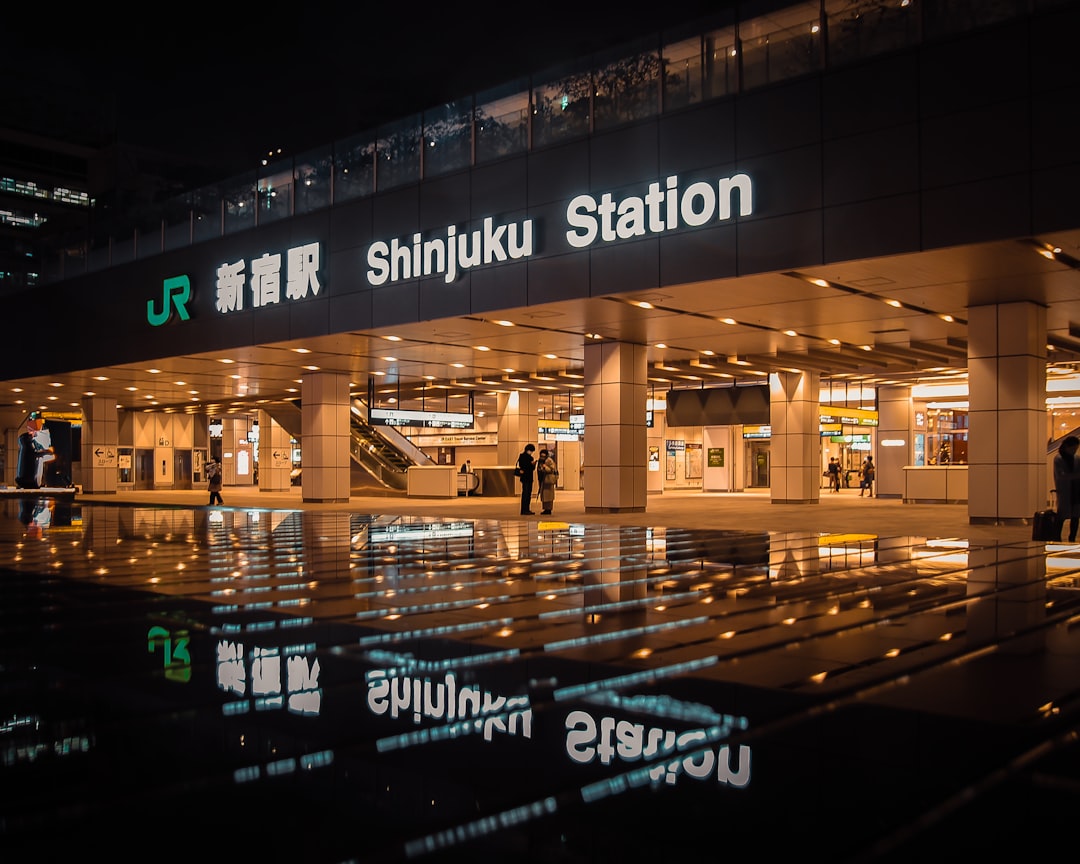
Picture this: You’re standing in Tokyo Station, surrounded by signs in three different scripts, watching a sea of salarymen glide effortlessly toward platforms while you clutch your phone like it holds the secrets of the universe. Sound familiar? When I first arrived in Japan, buying Shinkansen tickets felt like trying to crack the Da Vinci Code while blindfolded. But here’s the good news – it’s actually much simpler than it appears, and I’m about to demystify the entire process for you.
The Shinkansen, Japan’s legendary bullet train, is punctual to a fault (seriously, the average delay is 18 seconds – I started questioning my entire life choices back home). Getting tickets doesn’t have to be stressful, whether you’re planning ahead or making last-minute travel decisions. Let me walk you through every method, from high-tech apps to good old-fashioned ticket counters.
| Quick Facts: Shinkansen Ticket Buying | Details |
|---|---|
| Advance Booking | Up to 1 month ahead |
| Best Online Platform | JR East Train Reservation (official app) |
| Ticket Collection | Station machines or ticket offices |
| Peak Season Tip | Book 3-4 weeks early for Golden Week, Obon |
| Payment Methods | Credit cards, cash, IC cards accepted |
| Seat Reservation | Recommended but not always required |
- Online Booking: The Smart Way to Buy Shinkansen Tickets
- At the Station: Traditional Ticket Buying Methods
- Understanding Shinkansen Ticket Types and Pricing
- JR Pass Holders: Special Considerations for Shinkansen Travel
- Peak Season Strategy and Money-Saving Tips
- 🗺️ Area Map
- Watch Before You Go
- What Travelers Say
Online Booking: The Smart Way to Buy Shinkansen Tickets
Let’s start with the method that’ll save you the most time and stress – booking online. The official JR platforms have come a long way since my early days of frantically Google Translating error messages at 2 AM.
JR East Train Reservation App
This is your golden ticket (pun intended). The official app works for most major Shinkansen routes and accepts international credit cards. Here’s how to navigate it like a pro:
- Download the “JR East Train Reservation” app before your trip
- Create an account using your email address
- Select your departure and arrival stations
- Choose your preferred departure time and train type
- Pick your seat (window seats book up fast!)
- Complete payment with your international credit card
- Screenshot your confirmation – trust me on this one
Pro Tip: The app sometimes displays times in 24-hour format, which can be confusing if you’re used to AM/PM. Double-check your departure time – showing up at 2 PM for a 2 AM train is a special kind of embarrassing.
Hyperdia and Third-Party Booking Sites
While Hyperdia is fantastic for planning routes and checking schedules, I recommend sticking to official JR platforms for actual bookings. Third-party sites often add hefty fees that’ll make your wallet cry. For unique experiences like guided train tours, GetYourGuide offers some excellent options that include transportation and local insights.

At the Station: Traditional Ticket Buying Methods
Sometimes you just can’t avoid buying tickets at the station – maybe your online booking didn’t work, or you’re the spontaneous type who decides to visit Kyoto on a Tuesday afternoon. Don’t panic; millions of travelers have successfully navigated this before you.
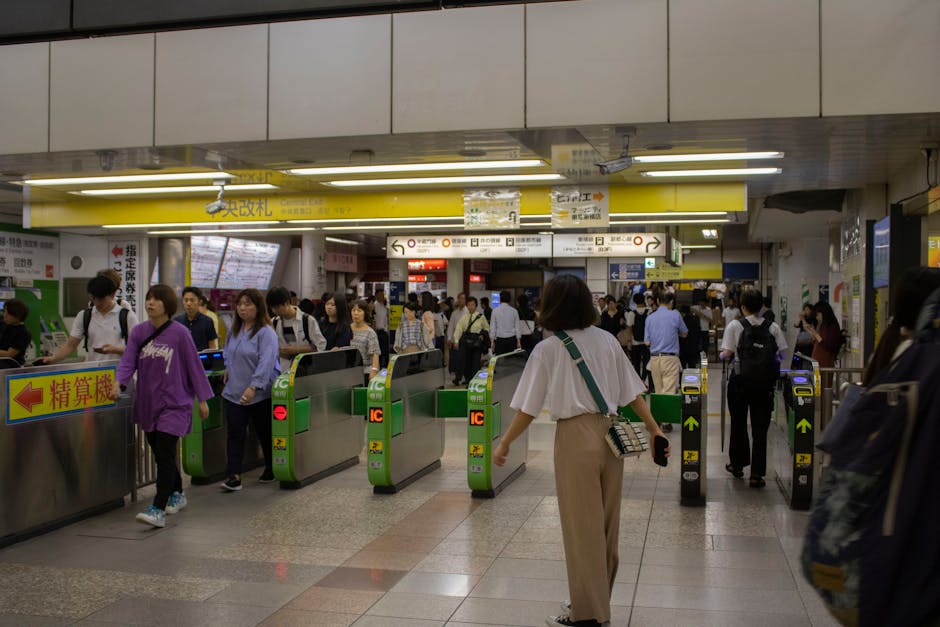
Ticket Machines (The Modern Approach)
These machines are more user-friendly than they appear, though they do have more buttons than your average TV remote. Here’s your step-by-step guide:
- Look for the “English” button (usually in the top corner)
- Select “Shinkansen” from the main menu
- Choose your destination station
- Pick your departure time and train
- Select seat type (reserved or non-reserved)
- Choose your seat if making a reservation
- Insert payment (cash or IC card)
- Collect your tickets and change
Pro Tip: The machines accept large bills, but they’ll spit out your change in coins. I once received 3,000 yen in 10-yen pieces and sounded like a walking arcade as I boarded the train.
Ticket Offices (JR Midori no Madoguchi)
When all else fails, humans are still your best bet. The green “JR” signs mark ticket offices where staff can help with complex bookings. Many staff members speak basic English, especially in major stations. Come prepared with:
- Your destination written in Japanese (screenshot it)
- Preferred departure time
- Number of passengers
- Seating preference (window, aisle, smoking/non-smoking)

Understanding Shinkansen Ticket Types and Pricing
Not all Shinkansen tickets are created equal, and understanding the differences will save you money and potential confusion. Think of it like airline classes, but with more logical naming conventions.
Seat Classes and Reservations
Ordinary Cars (Regular Class): Comfortable, clean, and perfectly adequate for most journeys. The seats are more spacious than most international flights.
Green Cars (First Class): Wider seats, more legroom, and slightly quieter. Worth it for longer journeys like Tokyo to Osaka if you’re traveling in 2026 during peak tourist season.
Gran Class (Premium): Available on some routes, this is luxury train travel at its finest. Think airplane business class, but the train actually arrives on time.
Reserved vs. Non-Reserved Seats
Reserved seats (指定席) guarantee you a specific seat, while non-reserved seats (自由席) operate on a first-come, first-served basis. During busy periods, non-reserved cars can fill up, leaving you standing for the entire journey – which is fine for 30 minutes, less fun for three hours.
Pro Tip: Non-reserved seats are cheaper, but during Japanese holidays or cherry blossom season, book reserved seats unless you enjoy competitive standing. Japanese salarymen are surprisingly good at claiming train real estate.

JR Pass Holders: Special Considerations for Shinkansen Travel
If you’re wielding a Japan Rail Pass, you’re already winning at Japan travel, but there are some specific rules for Shinkansen travel that’ll save you from awkward encounters with ticket inspectors.
What’s Covered and What’s Not
Your JR Pass covers most Shinkansen lines, but not the premium Nozomi and Mizuho services. Stick to Hikari and Kodama trains – they’re only slightly slower and the price difference makes up for those extra few minutes.
You can make seat reservations for free at any JR ticket office or through station machines. I highly recommend doing this, especially for longer routes or during busy travel periods.
Making Reservations with Your JR Pass
- Visit any JR ticket office (look for the green signs)
- Present your JR Pass and passport
- Tell them your preferred train and time
- Receive your reserved seat ticket
- Keep both your JR Pass and seat reservation ticket handy
Pro Tip: Some travelers worry about language barriers, but JR staff are incredibly patient and helpful. I’ve seen them spend 20 minutes helping confused tourists, and they always do it with a smile. Consider protecting your trip investment with comprehensive travel insurance before you explore Japan.

Peak Season Strategy and Money-Saving Tips
Japan’s peak travel seasons can turn ticket buying from a casual activity into an Olympic sport. Here’s how to stay ahead of the game and keep your Japan travel budget intact.
When to Book in Advance
For regular travel periods, booking a few days ahead is usually sufficient. However, during Golden Week (late April/early May), Obon (mid-August), and New Year (late December/early January), book as early as possible – up to one month ahead.
Cherry blossom season is particularly tricky because the exact timing varies by location and year. If you’re visiting Japan during sakura season in 2026, book your tickets the moment your travel dates are confirmed.
Money-Saving Strategies
While Shinkansen tickets aren’t cheap, there are ways to reduce costs:
- Choose non-reserved seats during off-peak times
- Take slower Kodama trains instead of express services
- Book round-trip tickets for slight discounts
- Consider alternative routes through regional JR lines for longer journeys
- Look into regional JR passes for multi-stop trips
For comprehensive Japan tourism planning, including unique cultural experiences and day trips, consider booking activities that complement your Shinkansen journey.
Pro Tip: If your schedule is flexible, avoid Friday evenings and Sunday afternoons when business travelers and weekend tourists pack the trains. Tuesday through Thursday typically offer the most availability and sometimes better prices.
Can I buy Shinkansen tickets at the last minute?
Yes, you can usually buy tickets on the day of travel, especially for non-reserved seats. However, during peak seasons or holidays, reserved seats may sell out. It’s always safer to book in advance, particularly for longer routes like Tokyo to Osaka or Kyoto.
Do I need to validate my Shinkansen ticket before boarding?
No, unlike some European train systems, you don’t need to validate your Shinkansen ticket. Simply show it to the station staff at the platform entrance, and keep it with you during the journey for the conductor’s inspection.
Can I change or cancel my Shinkansen ticket after purchase?
Yes, you can change or cancel reserved seat tickets before departure, but fees may apply depending on how close to departure time you make the change. Changes are free if made before the departure date, while same-day changes incur a fee.
What happens if I miss my reserved Shinkansen train?
If you have a reserved seat ticket and miss your train, you can board the next available train in the non-reserved cars only. You cannot use your reserved seat ticket for a later train without changing it first.
Are Shinkansen tickets more expensive during peak seasons?
Shinkansen ticket prices are generally fixed throughout the year and don’t fluctuate like airline tickets. However, availability becomes limited during peak seasons, so you might have to settle for more expensive seat classes if regular seats are sold out.

🗺️ Area Map
🗺️ Interactive Map
Watch Before You Go
Watch Before You Go: Where and How to Buy Shinkansen Tickets: Online and Ticket Machines
What Travelers Say
“While you can purchase Shinkansen tickets at any JR station, booking in advance is recommended during peak seasons like Golden Week and cherry blossom season. The multilingual ticket machines accept credit cards and display clear English instructions, making the process straightforward for international visitors.”
“Don’t make the same mistake I did – you can’t use a JR Pass for the fastest Nozomi trains! I learned this the hard way at Tokyo Station and had to switch to a Hikari train. The station staff were incredibly helpful though, and the ticket machines have an English option that saved me so much confusion.”
コメント