📰 Latest News & Updates
- Japan Prepaid Card and Digital Wallet Market Intelligence Report 2026: Interoperable Wallet Networks and Issuing Enablers Redefine Distribution, Embedded Controls, Next-Generation Card Infrastructure — GlobeNewswire, 2026-03-02
- Dolphin Emulator – Rise of the Triforce — Dolphin-emu.org, 2026-02-17
- Rise of the Triforce — Dolphin-emu.org, 2026-02-16
How to Use IC Card Japan: Your Ultimate Guide for 2026
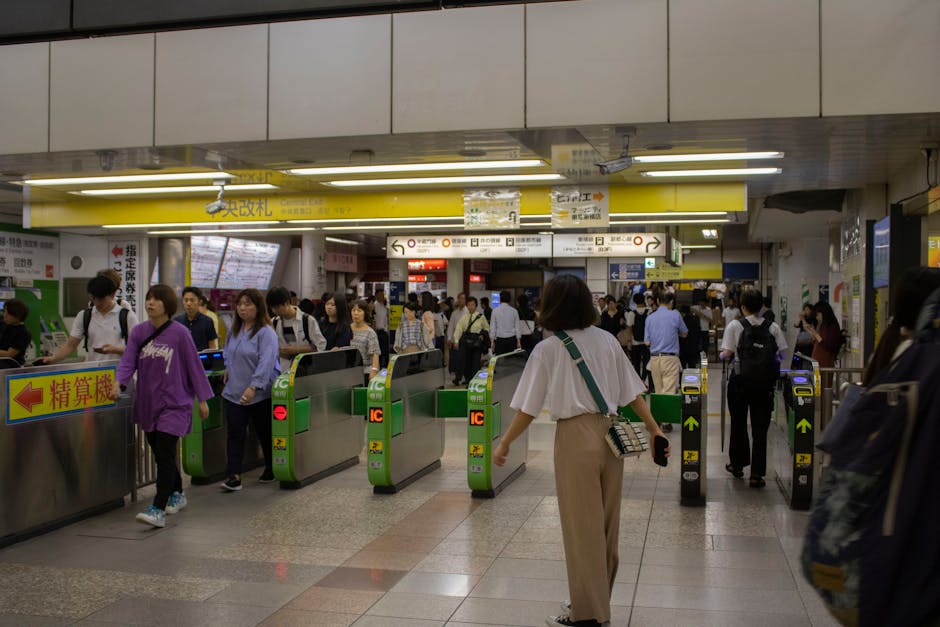
Let me tell you about my first week in Japan. I was that tourist fumbling for exact change at train stations while locals gracefully tapped their cards and glided through the gates like public transport ninjas. Meanwhile, I’m holding up the entire rush hour crowd trying to count yen coins. Not my finest moment.
That’s when I discovered the magic of IC cards – Japan’s little plastic rectangles that’ll make your Japan travel experience infinitely smoother. Whether you’re planning your first visit Japan adventure or returning for more Japanese culture immersion, mastering IC cards is essential for Japan tourism success.
| Quick Facts: IC Cards in Japan | |
|---|---|
| Most Popular Cards | Suica, Pasmo, ICOCA |
| Where to Buy | Train stations, airports, convenience stores |
| Deposit Required | ¥500 (refundable) |
| Works Beyond Trains | Buses, vending machines, shops |
| Coverage | All major cities and regions |
| Tourist Version Available | Yes (Welcome Suica, Pasmo Passport) |
What Exactly Are IC Cards and Why You Need One
IC cards (Integrated Circuit cards) are Japan’s contactless payment cards that work across the entire public transportation network. Think of them as your golden ticket to navigating Japan like a local – no more awkward coin-counting sessions or deciphering complex ticket machines while a queue forms behind you.
These cards aren’t just for trains. I’ve used mine to buy coffee from vending machines, grab snacks at convenience stores, and even pay for temple admission fees. It’s like having a Japanese debit card that works almost everywhere.
The beauty of IC cards lies in their universality. Whether you’re in Tokyo with a Suica card or Osaka with an ICOCA, they work seamlessly across different regions and transport companies – something that would’ve saved me a lot of confusion during my early Japan travel days.
Pro Tip: Get your IC card at the airport when you arrive. Most major airports have English-speaking staff and clear instructions, making it the perfect place to start your Japanese public transport journey stress-free.

Types of IC Cards: Choosing Your Perfect Match
Suica: Tokyo’s Transportation Superstar
Suica, operated by JR East, is probably the most famous IC card among tourists. The adorable penguin mascot doesn’t hurt its appeal either. If you’re staying primarily in the Tokyo area, Suica is your best bet.
The Welcome Suica is specifically designed for tourists – it comes without the ¥500 deposit but expires after 28 days. Perfect for shorter trips, though I always recommend the regular Suica if you’re staying longer or plan to return to Japan.
Pasmo: Tokyo’s Alternative Champion
Pasmo works identically to Suica in Tokyo and surrounding areas. Honestly, choosing between them is like picking your favorite flavor of vanilla ice cream – they’re functionally identical for tourists.
The Pasmo Passport is their tourist version, similar to Welcome Suica. My advice? Just grab whichever one has the shorter queue at the airport.
ICOCA: Kansai Region’s MVP
If you’re starting your journey in Osaka, Kyoto, or anywhere in the Kansai region, ICOCA is your local hero. That platypus mascot is pretty cute too – Japan really knows how to make public transport adorable.
Pro Tip: Don’t stress too much about choosing the “right” card. They all work nationwide now, so whether you get Suica in Tokyo or ICOCA in Osaka, you’re covered for your entire Japan travel adventure.
How to Get Your IC Card: Step-by-Step Guide
Buying at Train Stations
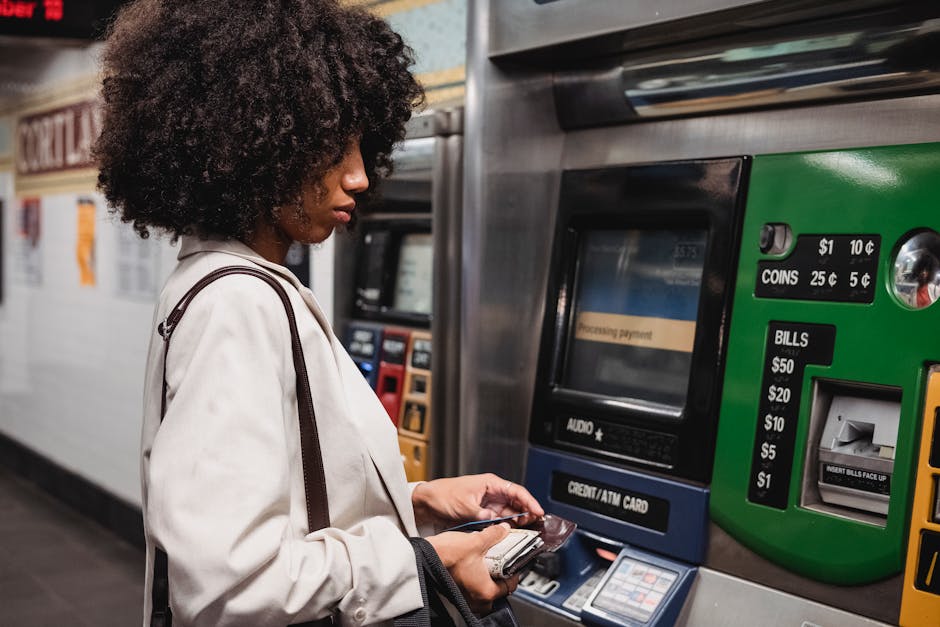
- Find the IC card ticket machines (look for English language options)
- Select “Purchase new card” or similar option
- Choose your card type (regular or tourist version)
- Select the amount you want to load (¥1,000-¥10,000 typical range)
- Add the ¥500 deposit (for regular cards)
- Insert cash – machines typically don’t accept foreign credit cards
- Collect your card and receipt
When I first bought my Suica, I spent ten minutes staring at the machine before realizing there was an English button hiding in the corner. Don’t be like me – look for the language options first!
Airport Purchase Options
Major airports like Narita, Haneda, and Kansai have dedicated IC card counters with English-speaking staff. They can also help you with initial setup and explain the basics. It’s worth the extra few minutes for peace of mind.
For a more comprehensive Tokyo experience, consider booking a Tokyo city tour that includes transportation guidance and local insights.
Pro Tip: Load at least ¥2,000 initially. It sounds like a lot, but you’ll be surprised how quickly you go through it with train fares, convenience store purchases, and the occasional vending machine splurge.

Using Your IC Card: The Daily Essentials
Train and Subway Navigation
Using IC cards on trains is beautifully simple:
- Approach the ticket gate
- Touch your card to the blue reader (you’ll hear a beep)
- Walk through when the gates open
- At your destination, touch the card to the reader again
- The fare is automatically deducted
The system automatically calculates the cheapest fare for your journey. No more studying complex fare charts or worrying about buying the wrong ticket!
Beyond Trains: Everyday Convenience
Your IC card works at:
- Convenience stores (konbini) – just tap at checkout
- Vending machines – look for the IC card symbol
- Many restaurants and cafes
- Some department stores and shops
- Parking meters and coin lockers
I once survived an entire day in Tokyo using only my IC card for transportation, meals, and even buying souvenirs. It’s genuinely impressive how widely accepted these cards are in 2026.
Pro Tip: Always keep your card in the same pocket or wallet slot. Fumbling around for your IC card during rush hour is a sure way to announce your tourist status to everyone within a five-block radius.

Recharging and Managing Your IC Card
Adding Money (Charging Up)
Recharging is simple at any ticket machine:
- Insert your card into the machine
- Select “Add value” or “Charge”
- Choose amount (¥500, ¥1,000, ¥2,000, etc.)
- Insert cash
- Retrieve your updated card
Most convenience stores also offer recharging services – just hand your card to the cashier and tell them how much you want to add.
Checking Your Balance
Your balance appears on the ticket gate display when you tap through, but you can also check it at any ticket machine. The receipt from purchases also shows your remaining balance.
When planning longer journeys, consider protecting your travel investment with comprehensive travel insurance that covers unexpected trip changes or cancellations.
Pro Tip: Set up a mental “low balance” alert at around ¥500. This gives you plenty of time to recharge without the panic of being stuck at a ticket gate with insufficient funds.
Common Mistakes and How to Avoid Them
The Rookie Errors I Made (So You Don’t Have To)
My biggest IC card blunder? Trying to tap my whole wallet on the reader because I was too lazy to take the card out. Turns out multiple IC cards in close proximity confuse the system. Who knew? The gate rejected me, the queue grew longer, and I learned a valuable lesson about Japanese efficiency.
Other common mistakes include:
- Not having enough balance for your return journey
- Forgetting to tap out (you’ll be charged the maximum fare)
- Trying to use expired tourist cards
- Panicking when the gate doesn’t open immediately (give it a second!)
Problem-Solving at Stations
If something goes wrong, look for the station staff office (usually near the ticket gates). Japanese station staff are incredibly helpful, and many speak some English. They can fix balance issues, help with lost cards, or assist with any IC card problems.
For guided assistance navigating Tokyo’s transport system, consider booking a Tokyo rail tour that includes practical tips for using IC cards effectively.
Pro Tip: Take a photo of your IC card (both sides) when you first get it. If you lose it, this helps station staff identify and potentially recover your card and remaining balance.
Can I use my IC card for JR Pass covered trains?
Yes, but it will charge you the regular fare. If you have a JR Pass, show your physical pass instead of using the IC card for JR trains to avoid unnecessary charges. IC cards are perfect for private railway lines, subways, and local transport not covered by JR Pass.
What happens to my IC card deposit when I leave Japan?
You can get your ¥500 deposit refunded at most major train stations when returning your card. However, there’s usually a ¥220 handling fee, so you’ll get back ¥280. Many tourists keep their cards as souvenirs for future trips – they don’t expire!
Do IC cards work on all trains in Japan?
IC cards work on virtually all trains, subways, and buses in major metropolitan areas and most regional areas across Japan. The only exceptions are some remote rural lines or special tourist trains. For 99% of your Japan travel, IC cards will work perfectly.
Can I share one IC card with my travel partner?
No, IC cards are designed for individual use. Each person needs their own card. This is because the system tracks entry and exit points for fare calculation. Sharing a card will cause problems at ticket gates and potentially result in higher charges.
What should I do if my IC card stops working?
First, check if you have sufficient balance. If the balance is fine, visit the nearest station staff office. They can diagnose card problems, transfer your balance to a new card if necessary, or help with technical issues. Keep your receipt from when you purchased the card if possible.

🗺️ Area Map
🗺️ Interactive Map
Watch Before You Go
Watch Before You Go: Suica card or Mobile Suica? Japan's IC Cards EXPLAINED in 6 mins
What Travelers Say
“IC cards like Suica and Pasmo are the golden keys to Japan’s transportation system, working seamlessly across trains, subways, buses, and even convenience stores. Simply tap and go – no need to fumble with exact change or decipher complex ticket machines.”
“Best travel decision ever was getting a Suica card at Narita airport! Used it for everything from the JR lines in Tokyo to buying coffee at 7-Eleven. Just load money once and you’re set for your entire trip – so much easier than I expected.”
コメント