📰 Latest News & Updates
- Check Out the Latest Deals on Disney World, Disneyland, and More! — disneyfoodblog.com, 2026-03-11
- Book now or pay the price: Airfare could spike ‘within a week’ — here’s what to know about summer flights — The Points Guy, 2026-03-10
Let me paint you a picture: There I was, standing in a tiny ramen shop in Tokyo at 2 AM, stomach rumbling like a freight train, confidently waving my shiny credit card at the bewildered chef. Spoiler alert: that plastic got me absolutely nowhere except a valuable lesson in Japan’s cash-centric culture. If you’re planning to visit Japan in 2026, understanding the payment landscape is crucial for a smooth trip.
Here’s the reality check nobody wants to hear but everyone needs: Japan is still surprisingly cash-heavy, even in 2024 heading into 2026. While the country has been making strides toward digital payments (especially after the 2020 Olympics push), cash remains king in many situations. But don’t panic! With the right Japan travel tips, you’ll navigate this like a pro.
| Quick Facts: Japan Payment Guide 2026 | |
|---|---|
| Cash Preference | 70% of transactions still cash-based |
| Card Acceptance | Major hotels, department stores, tourist areas |
| Best ATMs for Tourists | 7-Eleven, Japan Post Bank, major airports |
| Recommended Cash on Hand | ¥20,000-30,000 for 2-3 days |
| Tipping Culture | Not expected (seriously, don’t tip!) |
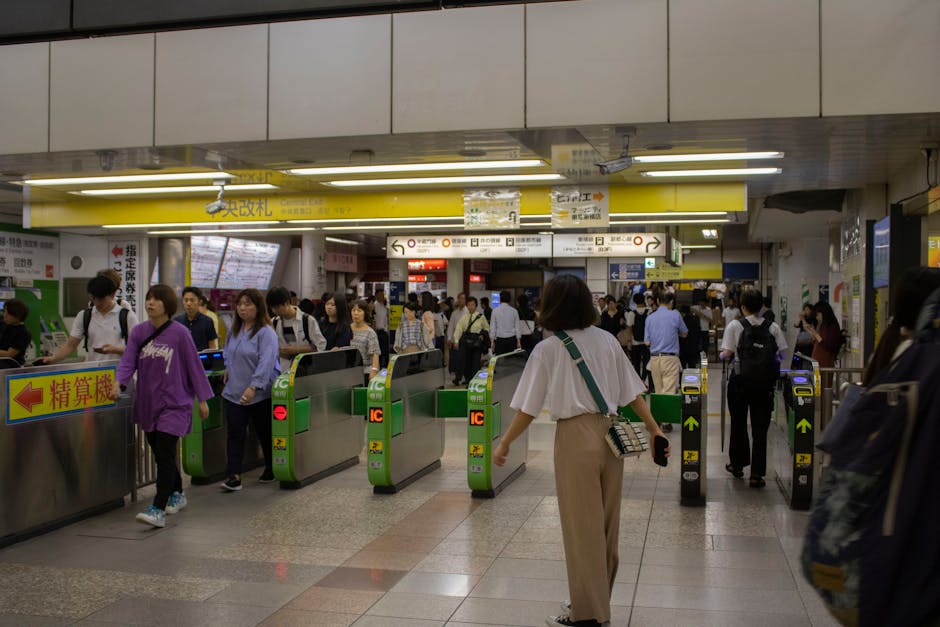
| IC Cards | Essential for trains, buses, convenience stores |
- Why Japan Still Loves Cash (And You Should Too)
- Where Cards Work (And Where They Definitely Don’t)
- ATM Adventures: Where to Get Cash in Japan
- IC Cards: Your Secret Weapon for Japan Travel
- Smart Money Strategies for Japan 2026
- Common Payment Mistakes (That I’ve Made So You Don’t Have To)
- Digital Payment Apps and Modern Options
- Frequently Asked Questions
- 🗺️ Area Map
- Watch Before You Go
- What Travelers Say
Why Japan Still Loves Cash (And You Should Too)
When I first arrived in Japan years ago, I thought the cash preference was just a quaint cultural quirk. Turns out, there are solid reasons behind this system that actually make your Japan tourism experience smoother once you understand it.
Japanese culture values privacy, security, and simplicity. Cash transactions are anonymous, instant, and don’t require complicated technology that might fail. Plus, Japan has an incredibly low crime rate, making carrying cash much safer than in many other countries. I’ve walked through Tokyo at midnight with more yen in my wallet than I’d dare carry in most major cities, and never felt unsafe.
Cash also keeps you more aware of your spending – trust me, those ¥500 coins add up faster than you think when you’re buying every interesting snack at Family Mart (and you will, because Japanese convenience store food is addictively good).
Pro Tip: Get a small coin purse or use your phone case with a card slot. Japanese coins go up to ¥500 (about $3.50), so you’ll accumulate a lot of heavy metal quickly. Your pockets will thank you later!
The Cultural Context Behind Cash Payments
Understanding Japanese culture helps explain the cash preference. The concept of “meiwaku” (not causing trouble for others) runs deep in Japanese society. Cash payments are quick, don’t require staff to deal with potential card machine issues, and don’t hold up lines. When you pay with exact change, you’re actually being considerate in the Japanese context.

Where Cards Work (And Where They Definitely Don’t)
Let’s get practical about Japan cash or card situations. I learned this the hard way through numerous awkward encounters, so you don’t have to experience the same credit card shame.
Card-Friendly Locations in Japan
Your plastic will work smoothly at:
- Major hotels and ryokans – International chains especially
- Department stores – Think Mitsukoshi, Takashimaya, Isetan
- Large restaurants in tourist areas – Especially those with English menus
- Tourist attractions – Major temples, museums, theme parks
- Electronic stores – Yodobashi Camera, Bic Camera
- Airport shops and restaurants
For unique experiences like guided food tours or cultural workshops, most operators now accept cards when you book online, though having cash for tips or additional purchases is always wise.
Cash-Only Territories
Here’s where your cards become expensive paperweights:
- Local ramen shops – Especially those with ticket vending machines
- Traditional markets – Tsukiji Outer Market, local morning markets
- Small temples and shrines – For offerings and omamori (charms)
- Local transportation – Taxis, some buses (though IC cards work)
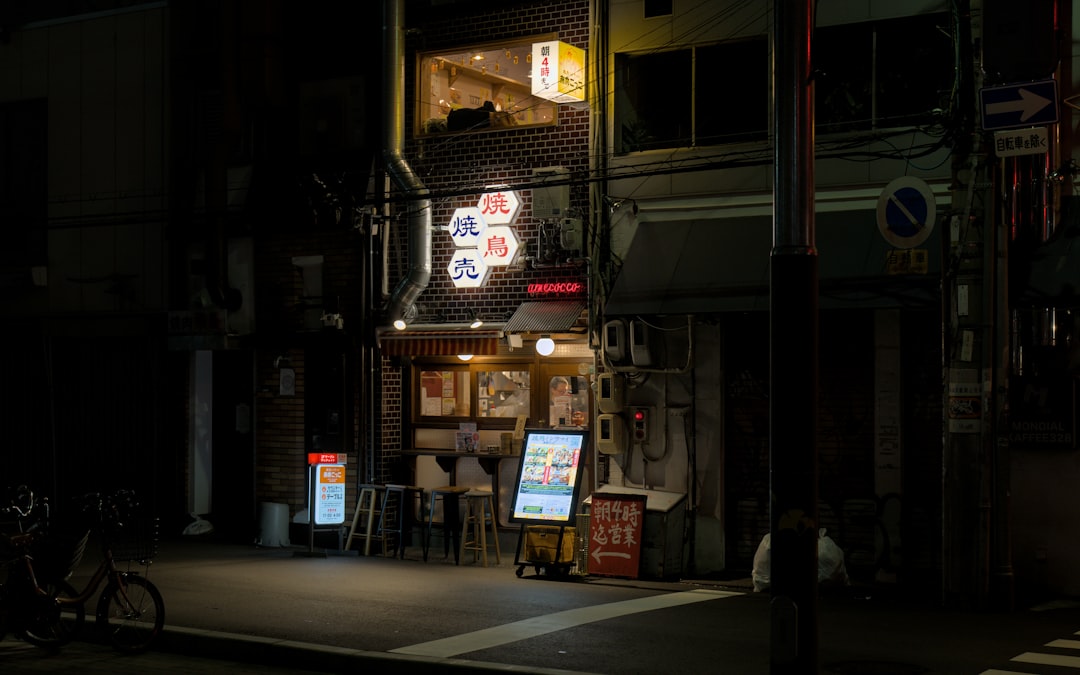
- Street food vendors – Festival stalls, yakitori stands
- Traditional accommodations – Some smaller ryokans and minshuku
Pro Tip: Download Google Translate with camera function before you travel. Many small establishments have signs indicating payment methods in Japanese only. Point your phone at the sign, and voilà – instant translation!

ATM Adventures: Where to Get Cash in Japan
Here’s something that confused me initially: Japanese ATMs are pickier than a toddler at dinner time. Many don’t accept foreign cards, and some have limited hours because apparently, even robots need sleep in Japan.
Your Foreign Card’s Best Friends
- 7-Eleven ATMs (Seven Bank) – Your absolute savior. Open 24/7, English interface, accept most international cards. These convenience stores are everywhere, and I mean everywhere.
- Japan Post Bank ATMs – Found in post offices and some shopping centers. Usually reliable for foreign cards.
- Major bank ATMs at airports – MUFG, Mizuho, and Sumitomo banks at international terminals.
- Some Lawson and FamilyMart locations – Look for the international ATM symbols.
ATM Etiquette and Practical Tips
Japanese ATMs can dispense surprisingly large amounts – up to ¥100,000 (about $700) per transaction in many cases. However, your home bank’s daily limits still apply. I learned this when trying to withdraw my entire vacation budget in one go like some sort of yen-hungry tourist.
Most ATMs charge a small fee (usually ¥100-200), but this is often less than what your bank charges for international transactions. Check with your bank about international ATM partnerships – some have deals that can save you money.
Pro Tip: Always notify your bank about Japan travel before departing. Nothing kills the vacation vibe like having your card blocked for “suspicious activity” when you’re just trying to buy some takoyaki in Osaka.

IC Cards: Your Secret Weapon for Japan Travel
If there’s one piece of Japan travel tips that’ll change your life, it’s getting an IC card. These rechargeable smart cards are accepted everywhere cash is, plus they work on all public transportation. Think of them as your Japanese super-power card.
Types of IC Cards
The main players are:
- Suica – Tokyo and eastern Japan
- ICOCA – Osaka and western Japan
- PASMO – Tokyo private railways
Here’s the beautiful part: they all work nationwide now. Get any one of them, and you’re set for your entire Japan tourism adventure.
What You Can Buy With IC Cards
IC cards work for way more than just trains:
- All JR trains, subways, and most buses
- Convenience store purchases
- Vending machines (and Japan has vending machines for everything)
- Some restaurants and cafes
- Coin lockers at stations
- Parking meters
I once survived an entire day in Tokyo using only my Suica card. From morning coffee to train rides to late-night convenience store snacks – it was like having a magic payment wand.
Pro Tip: You can recharge IC cards with cash at any station machine. Load ¥2,000-3,000 at a time to avoid constantly refilling. The machines have English options and are surprisingly user-friendly.

Smart Money Strategies for Japan 2026
After years of trial and error (emphasis on error), here’s my battle-tested approach to managing money during Japan travel.
The Three-Wallet System
This might sound overcomplicated, but hear me out:
- Main wallet – Keep your larger bills (¥5,000 and ¥10,000 notes) and backup cards
- Daily spending wallet – Smaller bills (¥1,000 notes) and coins for immediate purchases
- IC card holder – Just your transportation card and maybe one credit card for emergencies
This system prevents you from flashing large amounts of cash unnecessarily and keeps transactions smooth.
Daily Budget Breakdown
For 2026 pricing, budget roughly:
- Budget traveler: ¥8,000-12,000/day ($55-85)
- Mid-range traveler: ¥15,000-25,000/day ($105-175)
- Luxury traveler: ¥30,000+/day ($210+)
These amounts include meals, local transportation, shopping, and activities. Day tours and special experiences will add to this base budget.
Emergency Backup Plans
Always have a Plan B (and C). Bring multiple cards from different networks (Visa AND Mastercard), keep them in separate locations, and consider travel insurance that covers emergency cash advances. Good travel insurance can be a lifesaver if your primary payment methods fail.
Pro Tip: Keep a small emergency stash of US dollars (about $200) in your luggage. Some currency exchange counters in hotels accept USD when banks are closed, though the rates aren’t great. It’s insurance, not an investment strategy!

Common Payment Mistakes (That I’ve Made So You Don’t Have To)
Let me share some painful but educational experiences from my Japan travel adventures.
The Rookie Errors
- Assuming contactless payments work everywhere – They don’t, even in 2026
- Not carrying enough small bills – Breaking a ¥10,000 note for a ¥200 drink feels awkward
- Forgetting IC cards expire – Some have expiration dates if unused
- Tipping – Seriously, don’t do it. It can actually offend people
- Not checking bank fees – Those international transaction fees add up faster than calories at a conveyor belt sushi restaurant
The ¥1 Coin Incident
Picture this: me, standing at a temple donation box, proudly dropping in what I thought was a ¥100 coin for good luck. Plot twist – it was a ¥1 coin, and I had basically wished for good fortune with the equivalent of a penny. The gods were probably more amused than impressed, but hey, at least I learned to check my coins properly!

Digital Payment Apps and Modern Options
Japan has been embracing digital payments more enthusiastically, especially as the country prepares for continued international tourism growth through 2026. While still not universal, these options are expanding.
Popular Digital Payment Options
- PayPay – Japan’s most popular QR code payment app
- LINE Pay – Integrated with the LINE messaging app
- Apple Pay/Google Pay – Works with compatible IC cards and some stores
- Rakuten Pay – Growing acceptance, especially online
However, setting up these apps often requires a Japanese phone number and bank account, making them impractical for short-term visitors. Stick with IC cards and cash as your primary methods, but keep an eye out for QR code payment options at larger retailers.
Pro Tip: Some international visitors can use tourist-friendly payment apps, but they require advance setup. Unless you’re planning an extended stay, your time is better spent learning basic Japanese money phrases than wrestling with app registrations.
As Japan continues evolving its payment infrastructure heading into 2026, the experience for international visitors keeps improving. The key is balancing modern conveniences with respect for local customs and practical preparation.
Remember, navigating Japan’s payment culture is part of the adventure. Embrace the cash-heavy system, get comfortable with IC cards, and always have a backup plan. With these Japan cash or card travel tips in your arsenal, you’ll handle transactions like a seasoned traveler, leaving more mental energy for the important stuff – like deciding between the 47 different Kit Kat flavors at the convenience store.

Frequently Asked Questions
Should I exchange money before arriving in Japan or use ATMs there?
Both approaches work, but ATMs in Japan (especially 7-Eleven) often offer better exchange rates than airport currency exchanges in your home country. However, having some cash upon arrival (around ¥10,000-20,000) is helpful for immediate expenses like train tickets to your hotel. The best strategy is to bring a small amount and then use ATMs for larger withdrawals once you arrive.
How much cash should I carry daily in Japan?
For most travelers, carrying ¥15,000-25,000 ($105-175) in cash daily covers meals, transportation, shopping, and small purchases comfortably. This might seem like a lot, but Japan is incredibly safe, and many places still don’t accept cards. Adjust based on your planned activities – temple visits and local market shopping require more cash than department store shopping.
Do I need to tip in Japan when paying with cash?
No, absolutely do not tip in Japan! Tipping is not part of Japanese culture and can actually be considered offensive or confusing. Excellent service is expected and included in the price. The only exception might be some high-end international hotels that cater to Western guests, but even then, it’s not expected or necessary.
Can I use my contactless credit card on Tokyo trains and subways?
As of 2024-2026, some major JR East lines in Tokyo accept contactless credit cards and mobile payments directly at the ticket gates, but this is still limited. An IC card (Suica, PASMO, or ICOCA) remains the most reliable option for all public transportation throughout Japan. These cards work on virtually all trains, subways, and buses nationwide.
What should I do if my foreign card doesn’t work at Japanese ATMs?
First, try a different ATM – 7-Eleven ATMs (Seven Bank) have the highest success rate with foreign cards. Make sure your card has a 4-digit PIN and that you’ve notified your bank about international travel. If problems persist, visit a major bank branch in a tourist area, or use currency exchange services at airports or large hotels. Always carry backup cards from different networks (both Visa and Mastercard if possible).

🗺️ Area Map
🗺️ Interactive Map
Watch Before You Go
Watch Before You Go: Japan Money Guide 2024 | Perfect Guide for First-Time Travelers
What Travelers Say
“While Japan is rapidly embracing cashless payments, cash remains king in many situations, especially at local restaurants, temples, and smaller shops. Always carry sufficient yen as many ATMs outside of 7-Eleven stores and post offices don’t accept foreign cards.”
“I learned this the hard way – bring way more cash than you think you’ll need! Even in Tokyo, half the places I wanted to eat at were cash-only, and I spent my first day hunting for ATMs that would take my card. The 7-Eleven ATMs saved my trip!”
コメント