📰 Latest News & Updates
- Osaka establishes first designated smoking area in Dotonbori canal district to fight “overtourism” — SoraNews24, 2026-02-23
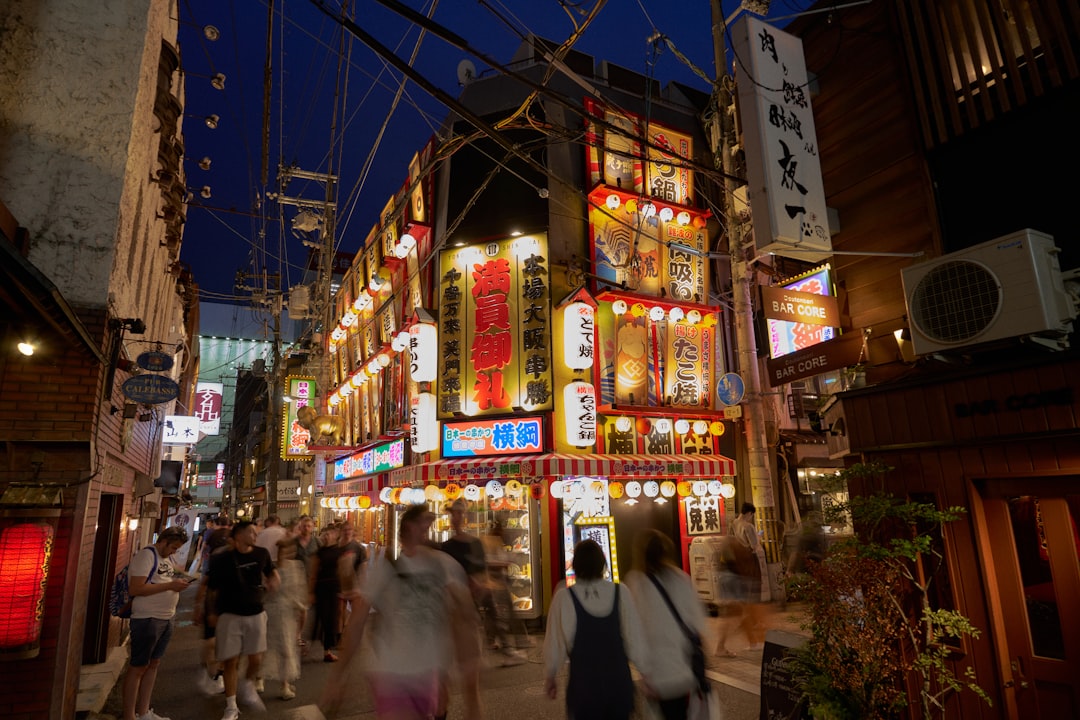
Picture this: neon signs blazing like a fever dream, the intoxicating aroma of grilled octopus wafting through the air, and crowds of people wielding chopsticks with the precision of samurai warriors. Welcome to Dotonbori food street in Osaka, where your diet plans come to die a delicious, glorious death.
When I first stumbled into Dotonbori’s chaos armed with nothing but Google Translate and an empty stomach, I thought I’d discovered Japan’s answer to Las Vegas – minus the gambling, plus way better food. This iconic district isn’t just a street; it’s a full-contact sport where the prize is the best meal of your life, and everyone’s a winner (except your waistband).
| Quick Facts: Dotonbori Food Street Osaka | Details |
|---|---|
| Location | Dotonbori District, Namba, Osaka |
| Best Time to Visit | Evening (6 PM – 11 PM) for full neon experience |
| Nearest Station | Namba Station (5-minute walk) |
| Must-Try Foods | Takoyaki, Okonomiyaki, Kushikatsu, Ramen |
| Budget Range | ¥500-3,000 per meal (roughly $3-20 USD) |
| Peak Season | Cherry blossom season (March-May), Summer festivals |
- What Makes Dotonbori Food Street Osaka Special
- Must-Try Street Foods and Where to Find Them
- Best Times to Experience Dotonbori’s Food Scene
- Navigating Dotonbori Like a Local
- Budget-Friendly Eating Strategies
- Hidden Gems and Local Favorites
- Planning Your Visit for 2026
- 🗺️ Area Map
- Watch Before You Go
- What Travelers Say
What Makes Dotonbori Food Street Osaka Special
Dotonbori isn’t just another tourist trap masquerading as authentic Japanese culture – though it certainly attracts its fair share of visitors snapping selfies with the famous Glico Man sign. This historic entertainment district has been Osaka’s beating culinary heart since the 1600s, when it was established as a theater district. Today, it’s evolved into the ultimate Japan travel destination for food lovers.
The magic of Dotonbori lies in its beautiful chaos. Street vendors work alongside Michelin-starred establishments, creating a democratic food paradise where a ¥500 takoyaki ball can be just as memorable as a ¥5,000 kaiseki course. The district embodies Osaka’s unofficial motto: “kuidaore” – literally meaning “eat until you drop.”
Pro Tip: Download a translation app before you go, but don’t rely on it entirely. Half the fun is pointing at mysterious menu items and discovering your new favorite dish through pure culinary roulette.
As Japan tourism continues to surge toward 2026, Dotonbori remains refreshingly authentic despite its popularity. The locals still frequent their neighborhood joints, creating an atmosphere where Japanese culture thrives alongside visitor curiosity.

Must-Try Street Foods and Where to Find Them
Let’s talk about the real stars of the show – the food that will haunt your dreams long after you’ve returned home. Dotonbori food street Osaka offers an embarrassment of riches, but some dishes are absolutely non-negotiable.
Takoyaki: The Octopus Ball Obsession
If takoyaki were a religion, Dotonbori would be its Vatican. These crispy-outside, gooey-inside spheres of joy contain chunks of octopus swimming in a savory batter, topped with bonito flakes that dance in the heat like tiny sea anemones having a party.
Head to Juhachiban or Daikan for some of the best takoyaki in the district. I made the rookie mistake of trying to eat these molten balls of deliciousness immediately – your tongue will thank you for waiting the recommended 30 seconds of cooling time.
Okonomiyaki: The “Whatever You Want” Pancake
Okonomiyaki literally translates to “grilled as you like it,” which is Japanese for “throw everything delicious into a pancake and see what happens.” At Mizuno, a tiny joint that’s been perfecting this art since 1945, you’ll witness pancake poetry in motion.
Kushikatsu: Fried Everything on Sticks
At Daruma, the granddaddy of kushikatsu restaurants, you’ll learn the cardinal rule: no double-dipping in the communal sauce. Break this rule, and you’ll earn the stink-eye from every local within a five-block radius.
Pro Tip: Most kushikatsu places have English menus, but ordering the “omakase” (chef’s choice) set lets the kitchen show off their best work while you sit back and enjoy the fried parade.
For food tours and cooking experiences that dive deeper into Osaka’s culinary scene, check out guided food adventures that can enhance your Dotonbori exploration.

Best Times to Experience Dotonbori’s Food Scene
Timing your Dotonbori food street Osaka adventure can make the difference between a pleasant meal and a transcendent experience. The district transforms throughout the day like a culinary chameleon.
Early Evening (5-7 PM): The Warm-Up Act
This is when the neon signs flicker to life and the serious eaters begin their pilgrimage. Lines are manageable, and you can actually have conversations without shouting over the crowd. Perfect for reconnaissance missions to scope out your target restaurants.
Prime Time (7-9 PM): The Main Event
Dotonbori reaches peak performance mode. The energy is infectious, the crowds are thick but not suffocating, and every restaurant is firing on all cylinders. This is when you want to hit your must-visit spots.
Late Night (9 PM-Midnight): The Victory Lap
As families head home, Dotonbori shifts into its adult phase. Izakayas (Japanese pubs) come alive, and you’ll find some of the best late-night ramen joints opening their doors. The crowds thin out, making it easier to discover hidden gems.
Pro Tip: Many of the best local spots don’t open until 6 PM, so don’t waste time showing up at 3 PM expecting the full Dotonbori experience. Use the afternoon to explore nearby Osaka attractions instead.
For those planning extended stays in Osaka, consider booking accommodations near Namba Station through convenient hotel options that put you within walking distance of the action.

Navigating Dotonbori Like a Local
Here’s where I share the Japan travel tips that took me years to figure out, hopefully saving you from the tourist traps and cultural faux pas that marked my early Dotonbori adventures.
The Geography of Deliciousness
Dotonbori isn’t just one street – it’s a network of alleys, side streets, and covered arcades that can confuse even GPS systems. The main drag runs along the Dotonbori River, but the real treasures often hide in the narrow yokocho (alleys) that branch off like delicious tentacles.
- Start at the Glico Man sign – it’s impossible to miss and serves as your north star
- Walk the main strip first to get oriented, then explore the side streets
- Use the covered Hozenji Yokocho alley for a more intimate dining experience
- Don’t forget the second and third floors – many excellent restaurants hide above street level
Restaurant Etiquette That Won’t Embarrass You
Japanese dining culture has more unwritten rules than a chess tournament, but don’t let that intimidate you. Most locals are incredibly patient with well-meaning visitors who show respect for Japanese culture.
Remove your shoes when entering traditional establishments, bow slightly when greeting staff, and remember that attempting to eat ramen quietly is Japan’s ultimate tourist challenge – and you will definitely fail. The slurping sound you’ll inevitably make is actually considered polite, so embrace your inner noodle noisemaker.
Pro Tip: Learn the phrase “Gochisousama deshita” (go-chee-so-sama desh-ta) to say after your meal. It means “thank you for the feast” and will earn you genuine smiles from restaurant staff.

Budget-Friendly Eating Strategies
One of Dotonbori food street Osaka’s greatest gifts is its democratic approach to deliciousness. You don’t need to blow your entire Japan travel budget to eat like royalty – you just need to know where to look.
Street Food vs. Sit-Down Restaurants
Street vendors and takeout windows offer incredible value, with most items ranging from ¥300-800 ($2-6 USD). These aren’t inferior versions of restaurant food – many vendors have been perfecting their craft for decades and serve food that rivals expensive establishments.
Sit-down restaurants typically range from ¥1,500-4,000 per person for dinner, but lunch sets (teishoku) often cost half the price for nearly the same quality and portions.
The Art of Strategic Snacking
Instead of committing to large meals at multiple restaurants, embrace the “tapas approach.” Order small portions at several places, allowing you to sample more variety without the food coma that comes from full meals everywhere you go.
- Share dishes with travel companions to maximize variety
- Look for lunch specials that offer dinner-quality food at reduced prices
- Skip drinks at restaurants and grab beverages from vending machines (they’re everywhere and much cheaper)
- Visit department store food courts in nearby buildings for high-quality, budget-friendly options
Pro Tip: Many restaurants offer plastic food displays in their windows with prices. Point to what looks good – it’s foolproof ordering for non-Japanese speakers and often more accurate than trying to navigate menus.
For longer Japan travel adventures, consider getting travel insurance through comprehensive coverage options that protect your trip investment.

Hidden Gems and Local Favorites
Every food blogger and their grandmother has covered the famous spots, so let me share some lesser-known treasures that locals frequent but tourists often miss in their rush to check off the greatest hits.
The Basement Food Courts
Japanese department stores hide incredible food courts in their basement levels (called “depachika”). The Hanshin Department Store near Umeda Station houses some of Osaka’s best-kept culinary secrets, including artisanal versions of street food classics.
Early Morning Markets
While everyone’s sleeping off their previous night’s food adventures, slip into the Kuromon Ichiba Market around 8 AM. You’ll find incredibly fresh sushi, grilled wagyu skewers, and tropical fruit that costs a fraction of tourist-area prices.
The Alley Cat Restaurants
Some of Dotonbori’s best restaurants are literally holes in the wall with no English signage. Look for places packed with locals, especially salarymen in suits – they know where the good stuff hides. Kani Doraku Honten might get all the Instagram attention, but the unnamed crab shack three doors down might serve better food at half the price.
Pro Tip: Download the “Tabelog” app – it’s like Yelp but for Japanese locals. High ratings from Japanese users are worth their weight in wagyu beef when hunting for authentic experiences.
Planning to explore beyond Osaka? Consider Japan Rail Pass options that make it easy to discover food scenes in other Japanese cities.

Planning Your Visit for 2026
As Japan tourism continues evolving and the country prepares for increased international attention, Dotonbori food street Osaka is adapting while maintaining its authentic charm. Here’s what you need to know for planning your 2026 visit to Japan.
The district has been gradually improving English signage and payment options, with more restaurants accepting international credit cards. However, cash remains king at many traditional establishments, so come prepared with yen.
Crowd management has become more sophisticated, with some popular restaurants implementing reservation systems or queue apps. While this might seem less spontaneous, it actually helps ensure you’ll get to experience the places on your must-visit list.
The recent expansion of the nearby integrated resort development means more luxury accommodations are available within walking distance, though budget options remain plentiful for travelers who prefer to spend their money on food rather than thread counts.
For comprehensive Japan travel planning, including flights to Osaka, check out flight comparison options that help you find the best deals for your 2026 adventure.
What’s the best time of day to visit Dotonbori food street?
Early evening between 6-8 PM offers the perfect balance of atmosphere and manageable crowds. The neon signs are lit, restaurants are at peak performance, and you can actually move around without feeling like a sardine. Avoid peak dinner rush (8-9 PM) unless you enjoy waiting in long lines.
How much money should I budget for eating in Dotonbori?
Budget ¥3,000-5,000 ($20-35 USD) per person for a full evening of eating and drinking. Street food items cost ¥300-800 each, while sit-down restaurant meals range from ¥1,500-4,000. You can easily spend less by focusing on street vendors and lunch specials.
Do I need reservations at Dotonbori restaurants?
Most street food vendors and casual restaurants operate on a first-come, first-served basis. However, some popular spots like Mizuno (okonomiyaki) and high-end establishments do accept or require reservations. For famous places, arriving early or having your hotel call ahead can help secure a spot.
Are vegetarian/vegan options available in Dotonbori?
Traditional Dotonbori cuisine is heavily meat and seafood-focused, making vegetarian options limited but not impossible to find. Look for Buddhist temple restaurants nearby, or stick to items like plain okonomiyaki (specify no meat/seafood), vegetable kushikatsu, and some ramen shops that offer vegetable-based broths.
How do I get to Dotonbori from Osaka’s main attractions?
Dotonbori is easily accessible via Namba Station, which connects to multiple subway lines and is about 5 minutes from the main food street area. From Osaka Castle, take the subway (20 minutes). From Universal Studios Japan, take the JR line to Nishikujo, then transfer to Namba (total 30 minutes). The area is also walkable from many central Osaka hotels.

🗺️ Area Map
🗺️ Interactive Map
Watch Before You Go
Watch Before You Go: Japan at Night: Osaka's Street Food Tour at the famous Dotonbori Area
What Travelers Say
“Dotonbori’s neon-lit canal district is Osaka’s most famous food destination, where towering mechanical signs advertise everything from takoyaki to okonomiyaki. The pedestrian-packed streets buzz with energy day and night, making it an essential stop for anyone wanting to experience Osaka’s legendary food culture.”
“Visited Dotonbori on my first night in Osaka and was blown away by the atmosphere! The takoyaki from the street stalls was incredible, and I loved watching the chefs work their magic. Gets super crowded but that’s part of the charm – just go with the flow and enjoy the chaos.”
コメント