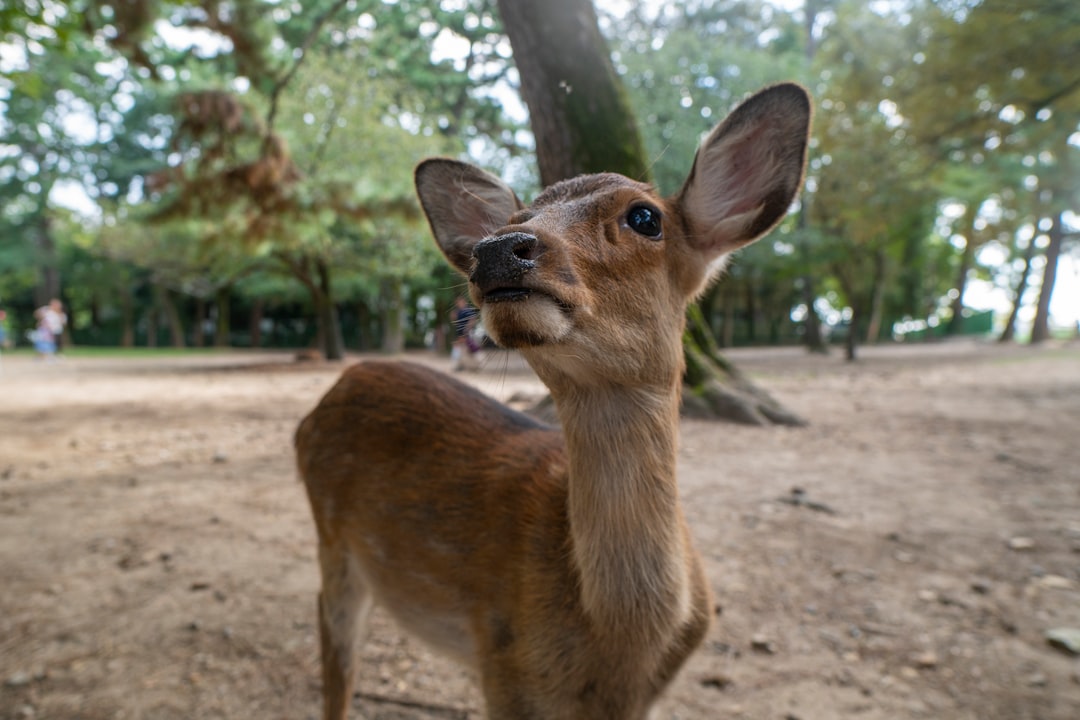
Picture this: you’re standing in an ancient Japanese park, surrounded by over 1,000 wild deer who bow for crackers like they’re auditioning for a Disney movie. Welcome to Nara, where the deer have better manners than most tourists (myself included on my first visit). A Nara deer park day trip is one of those quintessentially Japanese experiences that sounds almost too whimsical to be real – until a particularly assertive deer starts headbutting your backpack for treats.
| Detail | Information |
|---|---|
| Distance from Kyoto | 45 minutes by train |
| Distance from Osaka | 1 hour by train |
| Park Entry Fee | Free (temples charge separately) |
| Best Time to Visit | Early morning or late afternoon |
| Deer Crackers Price | ¥200 per bundle |
| Recommended Duration | 6-8 hours full day |
- Getting to Nara: Your Journey to Deer Paradise
- Meeting the Famous Nara Deer: What to Expect
- Must-Visit Temples and Attractions Beyond the Deer
- Planning Your Perfect Nara Deer Park Day Trip Itinerary
- Practical Tips for Your 2026 Visit
- Where to Eat and Shop in Nara
- 🗺️ Area Map
- Watch Before You Go
- What Travelers Say
Getting to Nara: Your Journey to Deer Paradise
The beauty of a Nara deer park day trip lies in its accessibility from both Kyoto and Osaka. When I first planned my visit in 2024, I was amazed at how straightforward the journey is – no complicated transfers or early morning panic attacks required.
From Kyoto, take the Kintetsu Nara Line directly to Kintetsu-Nara Station (about 45 minutes, ¥640). From Osaka, you can use either JR or Kintetsu lines. The JR Pass covers the JR Nara Line if you’re traveling with one, though Kintetsu stations are closer to the deer park action.
Pro Tip: Kintetsu-Nara Station is about 5 minutes closer to Nara Park than JR Nara Station. When you’re loaded down with souvenirs and possibly limping from deer encounters, those 5 minutes matter!
The walk from either station to the deer park takes about 10-15 minutes through Nara’s charming streets. You’ll know you’re getting close when you start seeing deer crossing signs – yes, they’re as adorable as they sound.

Meeting the Famous Nara Deer: What to Expect
Let me set realistic expectations: the deer of Nara are not the gentle, Disney-esque creatures you might imagine. They’re more like furry con artists who’ve perfected the art of tourist manipulation over centuries. These sacred messengers of the Shinto gods (according to local legend) have definitely let the fame go to their heads.
The park is home to over 1,000 sika deer, and they roam freely throughout the 1,240-acre area. They’ve learned that tourists equal food, so don’t be surprised if they start following you the moment you step into the park. I made the rookie mistake of buying deer crackers (shika senbei) immediately upon arrival – suddenly I was the Pied Piper of very persistent deer.
- Buy deer crackers from official vendors only (¥200 per bundle)
- Keep crackers hidden until you’re ready to feed – deer have X-ray vision for snacks
- Bow to the deer before feeding (some actually bow back!)
- Don’t feed them anything except the special crackers
- Keep your belongings secure – they will investigate everything
Pro Tip: Wear clothes without loose pockets or dangling accessories. Deer consider anything flapping in the wind as fair game for investigation, and their “investigation” technique involves teeth.

Must-Visit Temples and Attractions Beyond the Deer
While the deer are undoubtedly the stars of your Nara deer park day trip, the park also houses some of Japan’s most significant temples and cultural treasures. Think of the deer as the opening act – impressive, but not the whole show.
Todaiji Temple and the Great Buddha
The massive Todaiji Temple houses one of Japan’s largest bronze Buddha statues, and trust me, no photo does justice to its sheer scale. At 15 meters tall, this Buddha makes you feel like an ant – a humbling experience that’s worth the ¥600 entrance fee. The temple building itself is one of the world’s largest wooden structures, which becomes even more impressive when you realize it’s actually smaller than the original that burned down centuries ago.
Kasuga Taisha Shrine
This UNESCO World Heritage shrine is famous for its thousands of stone and bronze lanterns. During the Lantern Festivals in February and August, all 3,000 lanterns are lit simultaneously – a sight that’s absolutely magical. Even without the special lighting, walking through the lantern-lined paths feels like stepping into another world.
If you’re looking for a more structured experience, consider booking a guided tour that covers both the temples and deer interactions with cultural context you might miss on your own.
Pro Tip: Visit Kasuga Taisha in the late afternoon when the sunlight filters through the trees, creating natural spotlighting for the lanterns. It’s Instagram gold, but more importantly, it’s genuinely beautiful.

Planning Your Perfect Nara Deer Park Day Trip Itinerary
After several visits to Nara (and numerous deer encounters that taught me valuable life lessons about humility), I’ve developed what I consider the optimal day trip schedule. This timing helps you avoid the worst crowds while maximizing your deer-and-temple experience.
Morning (9:00 AM – 12:00 PM)
- Arrive at Nara Park around 9:00 AM when the deer are most active
- Buy your first round of deer crackers and get acquainted with your new furry overlords
- Visit Todaiji Temple while the morning light streams through the wooden structure
- Explore the temple grounds and take photos with deer photobombing in the background
Afternoon (12:00 PM – 4:00 PM)
- Lunch break at one of the restaurants along Sanjo-dori Street
- Visit Kasuga Taisha Shrine for a more spiritual experience
- Explore Nara National Museum if you’re into art and artifacts
- Final deer feeding session (they’re less aggressive after lunch)
For accommodation planning, if you decide to extend your stay, Nara offers charming ryokans and hotels that let you experience the city after the day-trippers leave.
Pro Tip: Pack a small lunch or snacks for yourself – the deer will smell food and assume it’s for them. Trying to eat a sandwich while being stared down by 20 hungry deer is Japan’s ultimate tourist challenge, and you will lose.

Practical Tips for Your 2026 Visit
Having learned from my own mistakes (and those of countless other tourists I’ve witnessed), here are the essential survival tips for your Nara deer park day trip that guidebooks don’t always mention.
What to Wear and Bring
- Comfortable walking shoes (you’ll cover 3-4 miles easily)
- Weather-appropriate clothing without loose straps or ribbons
- A crossbody bag or backpack that zips completely closed
- Hand sanitizer (you’ll be touching a lot of deer-related surfaces)
- Tissues (public restrooms don’t always provide them)
Safety and Etiquette
The deer are generally docile, but they’re still wild animals with their own agenda. During mating season (September-November), males can be more aggressive. Don’t corner deer, pull their antlers, or try to ride them (yes, this needs to be said).
For peace of mind during your Japan travel, consider travel insurance that covers minor injuries – deer encounters are generally safe, but accidents happen.
Pro Tip: Learn the Japanese phrase “Sumimasen” (excuse me) – you’ll need it when asking deer to please stop eating your map, and it works surprisingly well with both deer and humans.

Where to Eat and Shop in Nara
A Nara deer park day trip isn’t complete without sampling some local specialties. Nara’s culinary scene might be overshadowed by Kyoto and Osaka, but it has its own delicious secrets worth discovering.
Try kakinoha-zushi (persimmon leaf sushi) – a local specialty where sushi is wrapped in persimmon leaves for preservation and flavor. It’s available at most local restaurants and makes for a unique lunch experience. For something more familiar, the area around both train stations offers plenty of restaurants serving everything from ramen to traditional kaiseki.
Shopping-wise, deer-themed souvenirs are everywhere, ranging from tasteful to gloriously ridiculous. I’m partial to the deer-shaped cookies that actually taste good, unlike some souvenir foods that prioritize cuteness over flavor.
How long should I spend on a Nara deer park day trip?
A full day (6-8 hours) is ideal to see the main temples, interact with deer, and enjoy lunch without rushing. You can cover the basics in 4-5 hours if pressed for time, but you’ll miss some of the magic of just wandering and observing Japanese culture.
Are the Nara deer dangerous?
The deer are generally safe but can be pushy when they want food. They may bow, nudge, or even gently bite clothing to get attention. Avoid feeding them anything except official deer crackers, and don’t corner or provoke them. During mating season (fall), be extra cautious around male deer.
Can I visit Nara deer park in winter?
Absolutely! Winter visits have their own charm – fewer crowds, deer with thicker coats, and beautiful frost on the temple grounds. The deer are less active but still friendly. Pack warm clothes and expect shorter daylight hours, but it’s definitely doable and often more peaceful.
Is Nara deer park suitable for children?
Yes, but with supervision. Children love the deer, but the animals can be overwhelming for small kids. Teach children to stay calm, not run, and let adults handle the feeding. The park is stroller-friendly, though some temple areas require removing shoes.
What’s the best way to get from Kyoto to Nara for a day trip?
Take the Kintetsu Nara Line from Kyoto Station directly to Kintetsu-Nara Station (45 minutes, ¥640). This is faster and more convenient than JR lines. The station is closer to Nara Park, and trains run frequently throughout the day. Buy tickets at the station – no advance booking needed.

🗺️ Area Map
🗺️ Interactive Map
Watch Before You Go
Watch Before You Go: Top 5 Things to do in Nara
What Travelers Say
“Nara Park offers one of Japan’s most enchanting wildlife encounters, where over 1,200 sacred deer roam freely among ancient temples and pagodas. The deer, considered messengers of the gods in Shinto belief, have learned to bow politely to visitors in exchange for special crackers called shika senbei.”
“The deer are absolutely fearless and will mob you the second they see you have crackers – it’s hilarious but can be overwhelming if you’re not prepared! I recommend buying the deer crackers from multiple vendors so you don’t get swarmed all at once, and definitely visit Todaiji Temple while you’re there since it’s right in the park.”
コメント