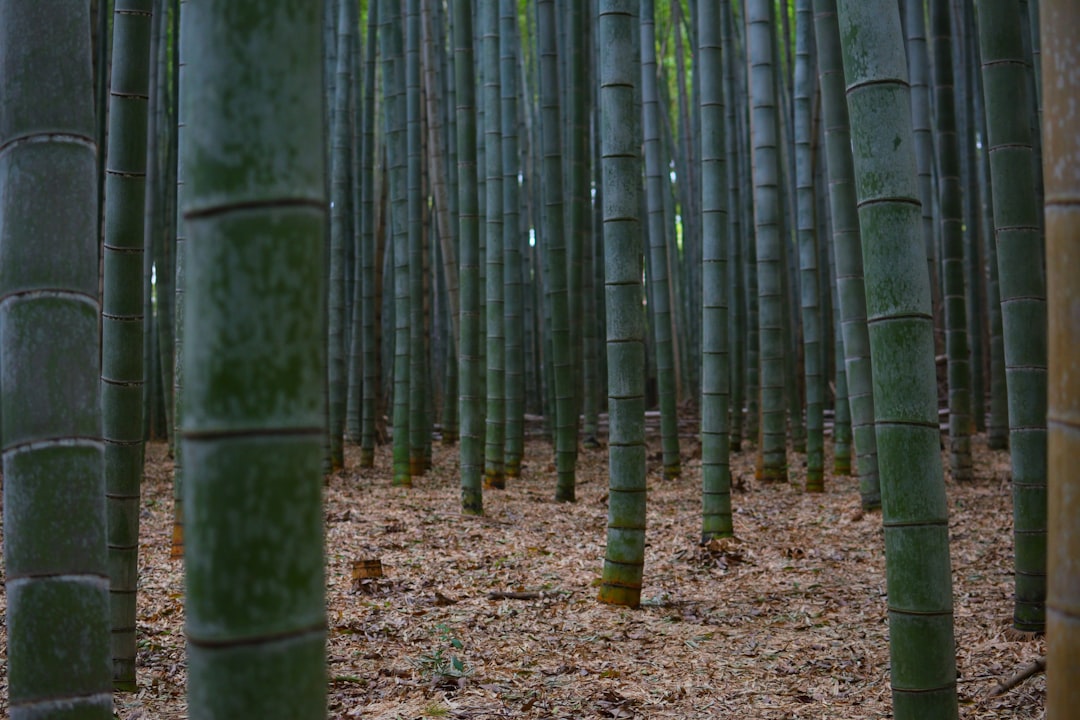
Picture this: You’re walking through towering emerald bamboo that sways and whispers secrets in a language you don’t understand, while dappled sunlight creates the most Instagram-worthy natural cathedral you’ve ever seen. Welcome to Arashiyama Bamboo Grove, Kyoto’s most enchanting natural wonder that’ll make you question why you ever thought concrete jungles were appealing.
When I first stumbled into this otherworldly grove, I was so mesmerized I walked straight into a bamboo pole. Yes, really. But trust me, even my bruised dignity couldn’t dampen the magic of this place. Let me share everything you need to know to make your Arashiyama bamboo forest experience absolutely perfect.
| Quick Facts | Details |
|---|---|
| Location | Arashiyama District, Kyoto |
| Best Time to Visit | Early morning (6-8 AM) or late afternoon (4-6 PM) |
| Entry Fee | Free |
| Duration | 30-45 minutes walk through grove |
| Nearest Station | Saga-Arashiyama Station (JR) or Arashiyama Station (Keifuku Line) |
| Peak Season | Cherry blossom (April) and autumn colors (November) |
Getting to Arashiyama Bamboo Forest
The journey to Arashiyama is half the adventure, and thankfully, Japan’s legendary transportation system won’t let you down. From central Kyoto, you have several options that’ll get you there faster than you can say “bamboo shoot.”
By Train from Kyoto
- JR Sagano Line: Take the train from Kyoto Station to Saga-Arashiyama Station (16 minutes, ¥240). This is your most straightforward option and perfect if you have a JR Pass.
- Keifuku Arashiyama Line: Board at Shijo-Omiya Station to Arashiyama Station (20 minutes, ¥220). The vintage trams are charming, though they move at the speed of a leisurely Sunday stroll.
- Hankyu Arashiyama Line: From Kawaramachi or Karasuma, transfer at Katsura to reach Hankyu Arashiyama Station (30 minutes total, ¥270).
From any of these stations, the bamboo grove is a pleasant 10-15 minute walk through Arashiyama’s charming streets. Just follow the crowds—and trust me, there will be crowds.
Pro Tip: If you’re staying overnight in the area, book early at traditional ryokans through Booking.com. Waking up in Arashiyama means you can reach the bamboo grove before the tour buses arrive.

Best Times to Visit Arashiyama Bamboo Grove
Here’s where I’ll save you from my rookie mistake of arriving at 11 AM on a Saturday in peak cherry blossom season. Picture trying to take a serene bamboo photo while dodging selfie sticks and tour groups—it’s like playing real-life Frogger, but less fun.
Golden Hours for Photography
The absolute magic happens during these times:
- Early morning (6:00-8:00 AM): You’ll have the grove practically to yourself, and the morning light filtering through the bamboo creates an ethereal green glow that’ll make your Instagram followers weep with envy.
- Late afternoon (4:00-6:00 PM): The golden hour light is spectacular, though you’ll share it with more visitors than the morning slot.
- Weekdays over weekends: This should be obvious, but the difference is dramatic. Tuesday morning versus Saturday afternoon is like comparing a meditation retreat to a music festival.
Seasonal Considerations
Each season offers its own bamboo forest personality. Spring brings fresh green shoots and occasional cherry blossoms peeking through. Summer means lush, dense canopy but also humidity that’ll test your patience. Autumn adds warm light filtering through the bamboo, while winter offers stark, minimalist beauty—plus fewer crowds because apparently most people don’t appreciate bamboo in the cold.
Pro Tip: Check the weather forecast and visit on slightly overcast days. The diffused light eliminates harsh shadows and creates even more magical photography conditions.

Walking Through the Bamboo Forest: What to Expect
The main bamboo grove pathway stretches about 500 meters (roughly 1,640 feet) and takes 15-30 minutes to walk at a leisurely pace—longer if you’re stopping for photos every three steps like I did on my first visit.
The Sensory Experience
Beyond the obvious visual feast, the bamboo forest engages all your senses. The gentle creaking and rustling of bamboo creates a natural symphony that’s surprisingly soothing. There’s a fresh, green scent that’s distinctly different from regular forest smells. The temperature inside the grove is noticeably cooler than outside, making it a perfect summer refuge.
The path is well-maintained and suitable for most fitness levels, though it can get muddy after rain. Wear comfortable walking shoes—those Instagram-worthy heels will become Instagram-worthy disasters on uneven bamboo root territory.
Photography Tips
- Look up: The bamboo canopy creates incredible geometric patterns against the sky.
- Play with depth: Use the natural lines of bamboo trunks to create leading lines in your compositions.
- Embrace the moody: Don’t fight the green-tinted light—it’s what makes bamboo forest photos so distinctive.
- Include people for scale: The bamboo is impressively tall (up to 20 meters), but this isn’t obvious without human reference points.
If you’re serious about photography, consider booking a guided photography tour that includes other Arashiyama highlights and professional tips for capturing the best shots.
Pro Tip: The bamboo grove is surprisingly dark inside, so bump up your ISO or bring a tripod for crisp shots. Your phone camera will struggle more than a dedicated camera here.

Beyond the Bamboo: Arashiyama’s Hidden Gems
While the bamboo grove might be Arashiyama’s headline act, sticking around for the supporting cast is absolutely worth it. This district is packed with temples, gardens, and experiences that many visitors rush past in their bamboo-focused tunnel vision.
Tenryu-ji Temple and Gardens
Just adjacent to the bamboo grove sits Tenryu-ji, a UNESCO World Heritage temple with gardens that’ll make you understand why Japanese landscape design is legendary. The temple dates back to 1339 and offers a perfect cultural complement to your natural bamboo experience. Entry is ¥500 for the garden, ¥800 if you want to explore the temple buildings.
Togetsukyo Bridge and Hozu River
This iconic bridge offers fantastic views of the surrounding mountains and is particularly stunning during cherry blossom season and autumn colors. The Hozu River below is famous for scenic boat rides—though I’ll warn you that the traditional wooden boats move at the pace of contemplative meditation, not thrill-seeking adventure.
Monkey Park Iwatayama
For something completely different, hike up to this monkey park where Japanese macaques roam freely while you enjoy panoramic views of Kyoto. It’s about a 20-minute uphill walk that’ll definitely work off those temple snacks you’ve been enjoying.
Consider booking a full-day Arashiyama tour that combines the bamboo grove with these nearby attractions, especially if you’re short on time in Kyoto.
Pro Tip: Many visitors rush through Arashiyama in 2-3 hours, but spending a full day here gives you time to experience the area’s quieter moments and discover spots most tourists miss.

Practical Tips and Cultural Etiquette
Experiencing the Arashiyama bamboo forest like a respectful visitor rather than a bamboo-crazed tourist makes the experience better for everyone—including you.
Bamboo Grove Etiquette
Japanese forest etiquette is pretty straightforward: stay on marked paths, don’t touch or damage the bamboo (tempting as those Instagram shots might seem), and keep noise levels down. The bamboo grove isn’t a playground—it’s a living forest that deserves respect.
Resist the urge to carve your initials or take bamboo souvenirs. Besides being disrespectful, damaging vegetation in Japan can result in hefty fines that’ll make your travel budget weep.
What to Bring
- Comfortable walking shoes: The paths can be uneven and slippery when wet
- Water bottle: Especially in summer—bamboo groves are humid
- Portable charger: You’ll be taking more photos than you planned
- Cash: Many nearby shops and food stalls don’t accept cards
- Light jacket: Even in warm weather, the grove can feel cool
Crowd Management Strategy
The bamboo grove’s popularity is both blessing and curse. During peak times, the narrow paths can feel like a very slow, very green traffic jam. If you arrive during busy periods, be patient and remember that everyone’s there for the same magical experience you’re seeking.
Consider visiting other Arashiyama attractions first and returning to the bamboo grove later when crowds have thinned. The nearby temples and gardens are equally stunning and often less crowded.
Pro Tip: Download offline maps before visiting. Cell service can be spotty in the bamboo grove, and you don’t want to get lost when the bamboo all starts looking the same!

Planning Your 2026 Arashiyama Adventure
As Japan continues to welcome international visitors in 2026, planning ahead becomes increasingly important—especially for popular destinations like Arashiyama. The good news is that this bamboo grove experience remains free and accessible, making it one of Kyoto’s best value attractions.
Accommodation Recommendations
Staying in Arashiyama overnight gives you the ultimate advantage: early morning bamboo grove access before day-trippers arrive. Traditional ryokans in the area offer authentic Japanese hospitality, while modern hotels provide familiar Western comfort. Book accommodations well in advance through reliable booking platforms, especially during cherry blossom season and autumn foliage periods.
Making It Part of Your Japan Journey
The bamboo grove works beautifully as a half-day or full-day trip from Kyoto, or as a stop on a longer Kansai region adventure. If you’re flying into Kansai International Airport, check flight comparison sites for the best deals and consider extending your stay to fully explore the region.
Don’t forget to sort out travel insurance before your trip—while bamboo grove walking is low-risk, having coverage gives you peace of mind for your entire Japan adventure.
Sustainable Tourism
As this beautiful natural space faces increasing visitor pressure, practicing sustainable tourism becomes crucial. Respect the environment, support local businesses, and remember that you’re a guest in this special place. The bamboo grove’s magic depends on preserving its natural beauty for future visitors to enjoy.
Pro Tip: Consider visiting during shoulder seasons (late spring or early autumn) when the weather is pleasant, crowds are smaller, and you’ll get better value on accommodations throughout your Japan travel experience.
The Arashiyama bamboo forest offers one of Japan’s most accessible natural wonders—a place where ancient beauty meets modern accessibility, where every visitor can experience something genuinely magical. Whether you’re a first-time Japan traveler or a seasoned explorer, this emerald cathedral will remind you why Japanese culture places such deep value on finding beauty in nature.
Just remember: walk slowly, breathe deeply, and try not to walk into any bamboo poles. Learn from my mistakes, and your Arashiyama adventure will be nothing short of perfect.
When is the best time of day to visit Arashiyama Bamboo Forest?
Early morning between 6:00-8:00 AM offers the best experience with minimal crowds and magical lighting. Late afternoon (4:00-6:00 PM) is also good but busier. Avoid midday visits, especially on weekends, when crowds can make the experience less peaceful.
How much does it cost to enter the bamboo grove?
The Arashiyama Bamboo Grove is completely free to enter and explore. However, nearby attractions like Tenryu-ji Temple charge admission fees (¥500-800). Budget for transportation from Kyoto (¥220-270) and optional food/souvenirs in the area.
How long does it take to walk through the entire bamboo forest?
The main pathway through the bamboo grove is about 500 meters long and takes 15-30 minutes to walk at a leisurely pace. Allow extra time for photography and exploring—most visitors spend 45-60 minutes total in the area including photo stops.
Can I visit Arashiyama Bamboo Forest in winter?
Yes! Winter visits offer a unique, minimalist beauty with fewer crowds. The bamboo remains green year-round, and the cooler weather makes walking comfortable. Dress warmly as temperatures inside the grove can feel cooler than outside areas.
What should I bring when visiting the bamboo grove?
Wear comfortable walking shoes suitable for uneven paths, bring a water bottle (especially in summer), pack a portable phone charger for photos, and carry cash for nearby shops. A light jacket is recommended even in warm weather as the grove stays cool.

Watch Before You Go
Watch Before You Go: TOP 10 THINGS TO DO IN ARASHIYAMA | Bamboo Forest 🌿 Monkey Park 🐒 Sagano Romantic Train 🚂 & more!
What Travelers Say
“The ethereal beauty of Arashiyama’s towering bamboo groves creates one of Japan’s most photographed natural phenomena. Visit early morning or late afternoon to avoid crowds and capture the magical interplay of light filtering through the dense green canopy.”
“Got there at 7 AM and had the whole bamboo forest practically to ourselves – absolutely magical! The sound of the bamboo swaying in the wind is incredible, but by 10 AM it was packed with tour groups so definitely go early.”
コメント