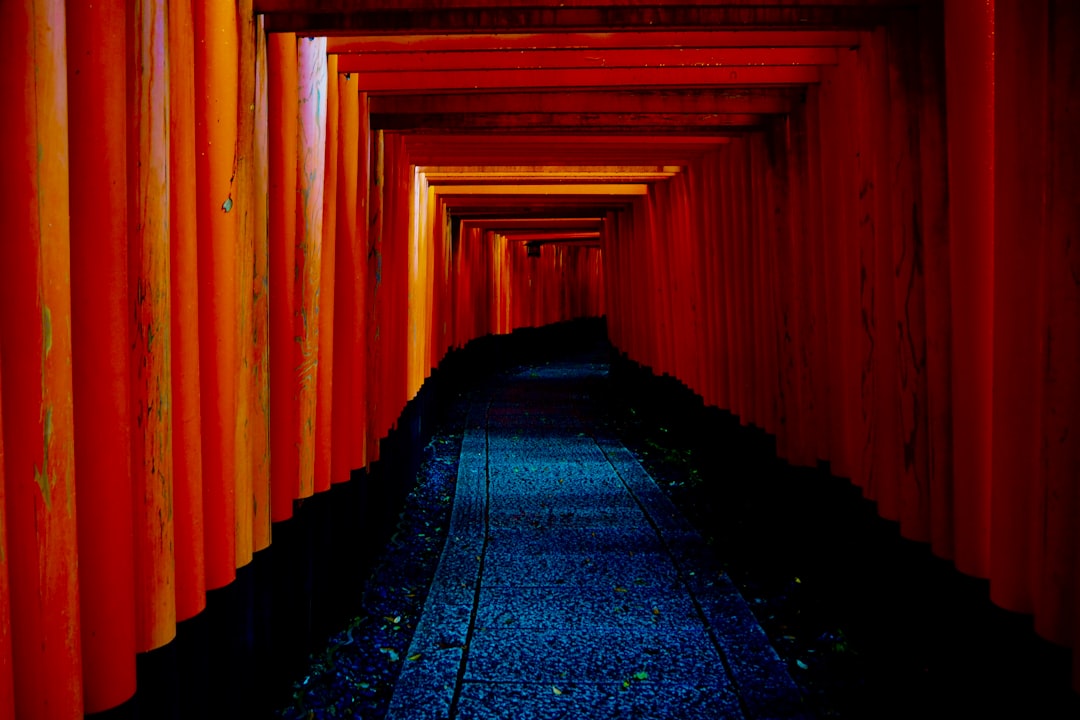
Let me tell you a secret: the first time I attempted the Fushimi Inari hike, I thought those thousands of vermillion torii gates were just for Instagram. Two hours later, huffing up Mount Inari with sweat dripping onto my “I ❤️ Kyoto” t-shirt, I realized this wasn’t just a photo op—it’s a legitimate mountain hike disguised as a shrine visit. And honestly? It’s one of the most rewarding experiences you’ll have in Japan.
| Quick Facts | Details |
|---|---|
| Total Distance | 4km round trip to summit |
| Hiking Time | 2-3 hours (full circuit) |
| Difficulty | Moderate (lots of stairs!) |
| Best Time to Visit | Early morning (6-8am) or late afternoon |
| Cost | Free admission |
| Peak Elevation | 233 meters (764 feet) |
- Planning Your Fushimi Inari Hike: When and How to Get There
- Understanding the Fushimi Inari Trail Routes and Difficulty
- What to Expect During Your Fushimi Inari Shrine Experience
- Photography Tips and Best Spots for Instagram-Worthy Shots
- Safety Tips and What to Bring for Your Mountain Hike
- Where to Stay Near Fushimi Inari for Easy Access
- Watch Before You Go
- What Travelers Say
Planning Your Fushimi Inari Hike: When and How to Get There
The beauty of Fushimi Inari is that it’s accessible 24/7, which means you can tackle this hike at ungodly hours when the crowds are still dreaming about their hotel breakfast buffets. Trust me on this—arriving at 6 AM means you’ll have those iconic torii tunnels practically to yourself.
Getting there couldn’t be easier. Take the JR Nara Line to Inari Station (just two stops from Kyoto Station), and you’ll literally step off the train facing the shrine entrance. If you’re staying in Kyoto and using the JR Pass, this journey is covered. The Keihan Main Line also stops at Fushimi-Inari Station, which is a slightly longer walk but equally convenient.
Pro Tip: Download an offline map before you go. Cell service can be spotty on the mountain, and getting lost among thousands of identical-looking torii gates is more embarrassing than you’d think (speaking from experience).

Understanding the Fushimi Inari Trail Routes and Difficulty
Here’s where many Japan travel guides get it wrong—they make it sound like a leisurely stroll. The Fushimi Inari hike is essentially a stairmaster workout disguised as Japanese culture. You’re looking at approximately 10,000 steps and countless stone stairs that will have your calves questioning your life choices.
The trail offers several stopping points, so you don’t have to commit to the full summit:
- Senbon Torii (Thousand Torii Gates) – 15 minutes, perfect for photos
- Yotsutsuji Intersection – 45 minutes, great city views
- Full Summit Circuit – 2-3 hours, complete loop with multiple shrine stops
The path splits into two routes after the main shrine complex, creating a loop around Mount Inari. Both paths eventually converge, so choose either—you can’t go wrong. The right path tends to be slightly less crowded, while the left offers better views of Kyoto.
Pro Tip: Wear proper hiking shoes or at least comfortable sneakers. Those stone steps can be slippery when wet, and fashion boots will have you sliding around like you’re on an ice rink.

What to Expect During Your Fushimi Inari Shrine Experience
The hike begins innocently enough at the main shrine complex, where you’ll join the ritual of purification at the temizuya (hand washing station). Don’t worry about getting the ritual perfect—even locals sometimes forget the exact sequence. The important thing is showing respect.
As you enter the famous torii tunnel, prepare for sensory overload. The way the light filters through the vermillion gates creates an almost otherworldly atmosphere. But here’s what Instagram doesn’t show you: between those gorgeous torii tunnels, you’ll encounter:
- Dozens of smaller shrine buildings (each with their own significance)
- Stone fox statues (Inari’s messengers) with keys, scrolls, or jewels in their mouths
- Vending machines at the most random locations (because this is Japan, after all)
- Tea houses and rest stops selling everything from amazake to fox-shaped cookies
Each torii gate is donated by individuals or businesses, with names and dates inscribed on the back. Some donations cost upward of $10,000 USD—making this one expensive tunnel of gratitude.
Pro Tip: Bring cash for the tea houses along the way. A warm cup of amazake (sweet rice drink) hits differently when you’re halfway up a mountain, and most vendors don’t accept cards.

Photography Tips and Best Spots for Instagram-Worthy Shots
Let’s be honest—you’re going to want photos, and there’s absolutely nothing wrong with that. The key is getting shots that don’t look like every other Fushimi Inari photo on social media (spoiler alert: this is harder than it sounds).
Here are the money shots everyone misses:
- Early morning mist through the torii – Arrive before sunrise for ethereal fog effects
- Yotsutsuji viewpoint – Kyoto city backdrop with torii in foreground
- Detail shots of fox statues – Each one is unique and tells a story
- Looking down the mountain path – Shows the scale better than looking up
For the classic torii tunnel shot, position yourself slightly off-center and use the natural framing. During peak hours (10 AM – 4 PM), you’ll be waiting in line for photos like you’re at Disneyland. Early morning visits mean you can take your time composing shots without photobombing someone’s marriage proposal.
If you’re serious about photography, consider booking a guided photography tour that includes Fushimi Inari along with other Kyoto highlights—local guides know the secret spots that most tourists miss.
Pro Tip: The golden hour (one hour before sunset) creates magical lighting through the torii gates. Just remember you’ll need a headlamp or phone flashlight for the descent—those mountain paths get dark quickly.

Safety Tips and What to Bring for Your Mountain Hike
Despite being one of Japan’s most visited attractions, Fushimi Inari is still a legitimate mountain hike. I learned this the hard way during my first visit when I showed up in flip-flops with nothing but a camera and overconfidence. Don’t be me.
Essential items for your Fushimi Inari hike:
- Water bottle (at least 500ml per person)
- Comfortable walking shoes with good grip
- Small towel for sweat (you’ll need it)
- Cash for refreshments and donations
- Portable phone charger
- Light rain jacket (weather changes quickly)
The trail is well-maintained, but it’s still a mountain environment. Summer temperatures can reach 35°C (95°F) with high humidity, while winter can bring snow and ice to the upper sections. Check weather conditions before your hike, and consider travel insurance through SafetyWing for peace of mind during your Japan travels.
Emergency services are available, but prevention is better than cure. Stick to marked paths, respect shrine rules (no smoking, keep voices down), and be mindful of other hikers. The stone steps can be treacherous when wet, so take your time—this isn’t a race.
Pro Tip: Download Google Translate with the camera function before you go. Many signs are in Japanese only, and being able to translate warnings or directions can be incredibly helpful.

Where to Stay Near Fushimi Inari for Easy Access
While most visitors day-trip from central Kyoto, staying closer to Fushimi Inari has serious advantages—mainly, you can tackle the hike at dawn before the tour buses arrive. The area has some fantastic accommodation options that put you within walking distance of the trailhead.
For the full experience, consider staying at a traditional ryokan in the Fushimi district. You’ll get the tatami mat floors, futon beds, and kaiseki dinner experience while being minutes from the shrine. Check Booking.com for availability and reviews—many places offer early breakfast specifically for hikers planning dawn visits.
Budget travelers should look at the guesthouses near Inari Station. They’re basic but clean, and you literally can’t get more convenient location-wise. Plus, you’ll meet fellow travelers who are probably planning the same early morning hike—instant hiking buddies!
Pro Tip: Book accommodation with 24-hour front desk service if you’re planning pre-dawn hikes. Nothing’s worse than being locked out of your hotel at 5 AM because you didn’t get the door code.
The Fushimi Inari hike is more than just a tourist attraction—it’s a genuine cultural and physical experience that will leave you with sore legs and incredible memories. Whether you’re seeking spiritual enlightenment, Instagram content, or just a good workout with a view, this mountain delivers on all fronts. Just remember to pace yourself, respect the sacred space, and maybe pack some blister plasters. Your feet will thank you later.
How long does the full Fushimi Inari hike take?
The complete circuit to the summit and back takes 2-3 hours for most hikers. However, you can turn back at any point—many people stop at the Yotsutsuji intersection (45 minutes up) which offers great views without the full commitment.
Is Fushimi Inari suitable for children and elderly visitors?
The first section with the famous torii tunnels is accessible for all ages, but the full mountain hike involves thousands of stone steps and can be challenging. Consider your group’s fitness level and plan rest stops accordingly.
What’s the best time of day to avoid crowds at Fushimi Inari?
Early morning (before 8 AM) and late afternoon (after 5 PM) are least crowded. The shrine is open 24/7, so dawn visits offer the most peaceful experience. Avoid weekends and Japanese holidays when possible.
Can I bring food and drinks on the Fushimi Inari trail?
Yes, bringing water and snacks is recommended, especially for the full hike. There are also tea houses and vending machines along the trail. Just remember to take any trash with you—keeping the sacred space clean is essential.
Do I need to pay entrance fees for Fushimi Inari?
No, Fushimi Inari is completely free to visit and hike. However, you might want to bring cash for optional donations at shrines, purchasing charms, or buying refreshments from the tea houses along the trail.

Watch Before You Go
Watch Before You Go: Fushimi Inari Shrine Complete Guide 2026 (by a Local)
What Travelers Say
“The full hike to the summit of Mt Inari takes about 2-3 hours round trip, winding through over 10,000 vermillion torii gates. While the lower shrine area is packed with tourists, you’ll find increasing solitude as you climb higher, with spectacular views of Kyoto emerging through the forest canopy.”
“Started the hike at 6 AM to beat the crowds and it was absolutely magical – had entire sections of torii tunnels to myself! Bring water and comfortable shoes as it’s quite steep in places. The tea houses along the way are perfect for rest stops and the view from the top is worth every step.”
コメント