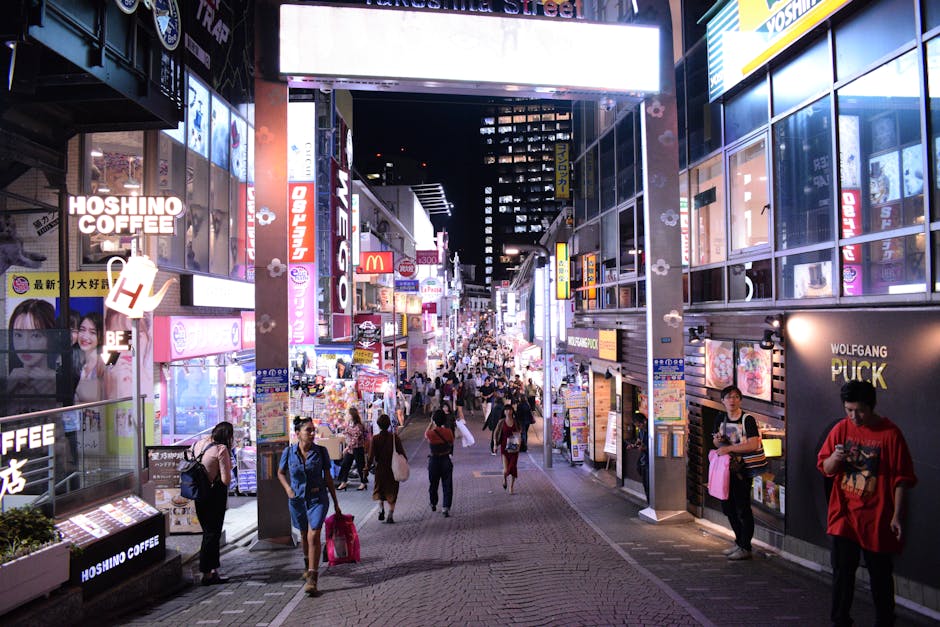
When I first stepped into Harajuku, I thought I’d accidentally wandered into a real-life anime episode. The explosion of colors, the impossibly creative fashion, and the sheer energy of the place made my hometown mall look like a beige cardboard box in comparison. After years of exploring every nook and cranny of this fashion wonderland, I’m here to share the ultimate Harajuku shopping guide that’ll help you navigate Tokyo’s most vibrant district like a seasoned local.
| Quick Facts: Harajuku Shopping | |
|---|---|
| Best Time to Visit | Weekday afternoons (less crowded) or weekends for full energy |
| Budget Range | ¥1,000-¥50,000+ (from quirky accessories to designer pieces) |
| Must-Visit Streets | Takeshita Street, Cat Street, Omotesando |
| Nearest Stations | Harajuku (JR), Meiji-jingu-mae (Tokyo Metro) |
| Peak Hours | 2-6 PM on weekends (prepare for crowds!) |
- Getting to Harajuku: Your Fashion Adventure Starts Here
- Takeshita Street: The Heart of Harajuku Shopping
- Cat Street: Harajuku’s Stylish Secret
- Omotesando: Where High Fashion Meets Harajuku
- Hidden Gems: Beyond the Main Streets
- Shopping Etiquette and Practical Tips
- When to Visit Harajuku for the Best Shopping Experience
- Watch Before You Go
- What Travelers Say
Getting to Harajuku: Your Fashion Adventure Starts Here
Harajuku is incredibly accessible, which explains why it’s packed tighter than a Tokyo rush hour train on weekends. The JR Harajuku Station is your main gateway, sitting perfectly on the Yamanote Line that circles central Tokyo. If you’re staying anywhere in central Tokyo, you’re never more than 30 minutes away from fashion paradise.
The JR Pass covers your journey here if you’re exploring multiple cities during your Japan travel adventure. Pro tip: Exit from the Takeshita-guchi (Takeshita Exit) if you want to dive straight into the chaos, or use the Omotesando Exit for a more civilized approach to Japanese culture and fashion.
Pro Tip: Download a transit app like Hyperdia or Google Maps with offline maps. Tokyo’s train system is incredibly efficient, but figuring out which exit to take can feel like solving a Rubik’s cube blindfolded.

Takeshita Street: The Heart of Harajuku Shopping
Takeshita Street (竹下通り) is what most people picture when they think “Harajuku shopping guide.” This 400-meter pedestrian street is a sensory overload in the best possible way. Think neon signs, J-pop blasting from every storefront, and enough kawaii (cute) merchandise to make your Instagram followers question your sanity.
What to Shop for on Takeshita Street
- Kawaii Fashion: From Decora accessories to Fairy Kei pastels, this is ground zero for Japan’s cute culture
- Anime Merchandise: Official and unofficial goods from every anime you can imagine (and several you can’t)
- Quirky Accessories: Hair clips shaped like food, bags that look like stuffed animals, and jewelry that defies logic
- Vintage Band T-shirts: Some authentic, some bootleg, all part of the Harajuku experience
- Cosplay Costumes: Whether you’re channeling a magical girl or a Gothic Lolita, you’ll find it here
I made the rookie mistake of trying to visit Takeshita Street on a Sunday afternoon in my first month living in Tokyo. The crowd moved at the speed of molasses, and I spent more time staring at the back of someone’s elaborately decorated jacket than actually shopping. Learn from my pain: weekday afternoons are your friend.
Pro Tip: Bring cash! Many smaller shops on Takeshita Street are still cash-only, and the few ATMs get busy. 7-Eleven ATMs accept foreign cards and are your lifeline.
Cat Street: Harajuku’s Stylish Secret
While tourists pack into Takeshita Street like sardines, Cat Street (キャットストリート) offers a more refined shopping experience. This tree-lined street connects Harajuku to Shibuya and feels like Takeshita Street’s cooler, more mature sibling who went to art school.
Cat Street Shopping Highlights
Cat Street is where you’ll find independent boutiques, vintage stores that actually curate their collections, and Japanese streetwear brands that haven’t been discovered by every fashion blogger yet. Supreme Tokyo’s flagship store sits here, along with dozens of smaller brands that define contemporary Japanese fashion.
The vintage shopping here deserves special mention. Unlike the hit-or-miss vintage stalls elsewhere, Cat Street’s vintage shops are carefully curated museums of fashion history. I once found a 1970s Issey Miyake piece for less than I’d pay for a basic shirt back home – though admittedly, that was a once-in-a-lifetime find.
For those planning extended Japan tourism adventures, consider booking accommodations near Harajuku through reliable booking platforms to maximize your shopping time without the commute.
Pro Tip: Many Cat Street boutiques open later (around 11 AM or noon) and close earlier than department stores. Plan your route accordingly, and don’t be surprised if that perfect shop you spotted yesterday is closed on Wednesdays.
Omotesando: Where High Fashion Meets Harajuku
Omotesando Avenue is Harajuku’s sophisticated cousin – think Champs-Élysées but with better manners and cleaner sidewalks. This tree-lined boulevard houses flagship stores for every major international brand, plus Japanese luxury labels that’ll make your credit card weep beautiful, expensive tears.
Omotesando Shopping Strategy
The flagship stores here aren’t just shops; they’re architectural experiences. The Prada store looks like a crystal that fell from space, while the Tod’s building resembles a concrete tree. Even if you’re not buying anything (and let’s be honest, those price tags are terrifying), the window shopping is world-class.
For Japan travel enthusiasts interested in understanding the full spectrum of Japanese fashion culture, Omotesando represents the high-fashion end that balances Harajuku’s street style perfectly. You’ll see everything from traditional Japanese craftsmanship in modern luxury goods to avant-garde pieces that push fashion boundaries.
Pro Tip: Many Omotesando flagship stores offer tax-free shopping for tourists. Bring your passport and spend over ¥5,000 in one store to save 10% on consumption tax. That’s significant savings on luxury purchases!

Hidden Gems: Beyond the Main Streets
The real magic of Harajuku shopping happens in the narrow alleys and basement levels that most tourists miss. These hidden spots are where locals actually shop, and where you’ll find unique pieces that won’t show up on every other travel blogger’s Instagram.
LaForet Harajuku: The Fashion Department Store
LaForet is like a concentrated dose of Japanese fashion creativity spread across eight floors. Each floor has a different vibe – from underground streetwear to kawaii overload to surprisingly wearable everyday fashion. The basement level often hosts pop-up shops from emerging designers, making it a treasure hunt for fashion-forward travelers.
Backstreet Vintage Shops
Behind the main shopping areas, tiny vintage shops hide in second-floor locations and basement spaces. These gems require some exploration, but that’s where you’ll find authentic pieces from Japan’s fashion history. I once discovered a shop run by an elderly woman who had been collecting vintage kimono and Western fashion for 40 years – every piece had a story.
For those wanting to explore Harajuku’s hidden corners with local expertise, consider booking a guided fashion tour that includes stops at secret shopping spots most visitors never find.
Pro Tip: Download the Google Translate app with camera function. Many hidden gem shops have no English signage, but being able to translate signs and price tags instantly opens up a whole world of shopping possibilities.

Shopping Etiquette and Practical Tips
Shopping in Harajuku comes with its own set of cultural considerations that’ll help you navigate like a respectful visitor rather than a clueless tourist (we’ve all been there).
Payment Methods and Budgeting
While Japan has rapidly modernized its payment systems heading into 2026, Harajuku still runs heavily on cash. Smaller shops, street vendors, and many vintage stores prefer cash transactions. Budget-wise, you can find anime keychains for ¥500 or spend ¥50,000+ on a designer piece – the range is absolutely wild.
Trying Things On and Photography
Many smaller shops have limited or no fitting rooms, so knowing your Japanese sizes helps tremendously. Also, always ask before photographing inside shops – what seems Instagram-worthy to you might be someone’s livelihood, and respect goes a long way.
The crowds can be intense, especially on weekends, but remember that everyone’s there for the same reason: to experience something unique. Patience and politeness are your best accessories in any Harajuku shopping adventure.
When to Visit Harajuku for the Best Shopping Experience
Timing your Harajuku shopping expedition can make the difference between a magical experience and feeling like you’re trapped in a very colorful, very slow-moving parade.
Weekday afternoons (Tuesday through Thursday, 1-4 PM) offer the perfect balance: shops are open, staff have time to help, and you can actually move through Takeshita Street at a reasonable pace. Weekend mornings before noon are manageable, but after 2 PM on Saturday or Sunday, you’re signing up for serious crowd navigation.
Seasonal considerations matter too. Summer brings festival season and school holidays, meaning extra crowds but also special summer fashion collections. Winter shopping is comfortable temperature-wise, and you’ll find amazing layering pieces that only make sense in Japanese fashion contexts.
Pro Tip: Check the Japanese school calendar before planning your visit Japan trip. During school holidays, especially Golden Week and summer break, Harajuku becomes significantly more crowded with domestic tourists and young shoppers.
How much money should I budget for Harajuku shopping?
Budget varies wildly depending on your shopping style. For casual souvenir shopping, ¥5,000-¥10,000 ($35-70 USD) will get you plenty of fun accessories and small items. Serious fashion shopping can easily run ¥20,000-¥100,000+ ($140-700+ USD) depending on whether you’re buying streetwear, vintage pieces, or designer items. I recommend bringing more cash than you think you’ll need – Harajuku has a way of surprising you with must-have finds.
Are Harajuku shops open every day?
Most major shops and department stores are open daily, but many smaller boutiques and vintage shops close one day per week (often Wednesday or Thursday). Takeshita Street shops generally open around 10-11 AM and close around 8 PM, while Omotesando luxury stores follow more standard business hours. Always check specific store hours, especially for smaller independent shops that might have irregular schedules.
Can I find normal-sized clothing in Harajuku?
Yes, but sizing can be tricky. Japanese clothing sizes run smaller than Western sizes, and this is especially true in Harajuku’s trend-focused shops. Many stores now carry larger sizes due to increasing international tourism, but it’s worth knowing your measurements in centimeters. Plus-size options are limited but improving, especially in mainstream stores like LaForet Harajuku.
Is it okay to bargain or negotiate prices in Harajuku shops?
Generally, no. Fixed pricing is standard in Japanese retail culture, and attempting to bargain can be considered rude. However, some vintage shops and second-hand stores might offer slight discounts if you’re buying multiple items, but this should be done very politely and you should accept ‘no’ gracefully. Tax-free shopping for tourists is your best bet for legitimate savings.
How do I get my Harajuku purchases back home?
For smaller items, pack them in your luggage as usual. For larger purchases or multiple items, many department stores offer international shipping services. Japan Post also provides reliable international shipping from any post office. Consider travel insurance from providers like SafetyWing that covers personal belongings during travel. Alternatively, ship items to your hotel if you’re staying several more days in Tokyo.
Watch Before You Go
Watch Before You Go: Harajuku Tokyo Travel Guide 🇯🇵 BEST Street Food, Shopping, Purikura & Pet Cafes
What Travelers Say
“Harajuku’s Takeshita Street remains the epicenter of Tokyo’s youth culture and kawaii fashion scene, packed with vintage stores, indie boutiques, and quirky accessory shops. Don’t miss the side streets like Ura-Harajuku for more sophisticated fashion finds away from the tourist crowds.”
“Spent an entire day shopping in Harajuku and could have easily spent another! The vintage stores on Cat Street have amazing pieces, and I found the most unique accessories on Takeshita Street. Just be prepared for crowds on weekends – go early morning or late afternoon for a better experience.”
コメント