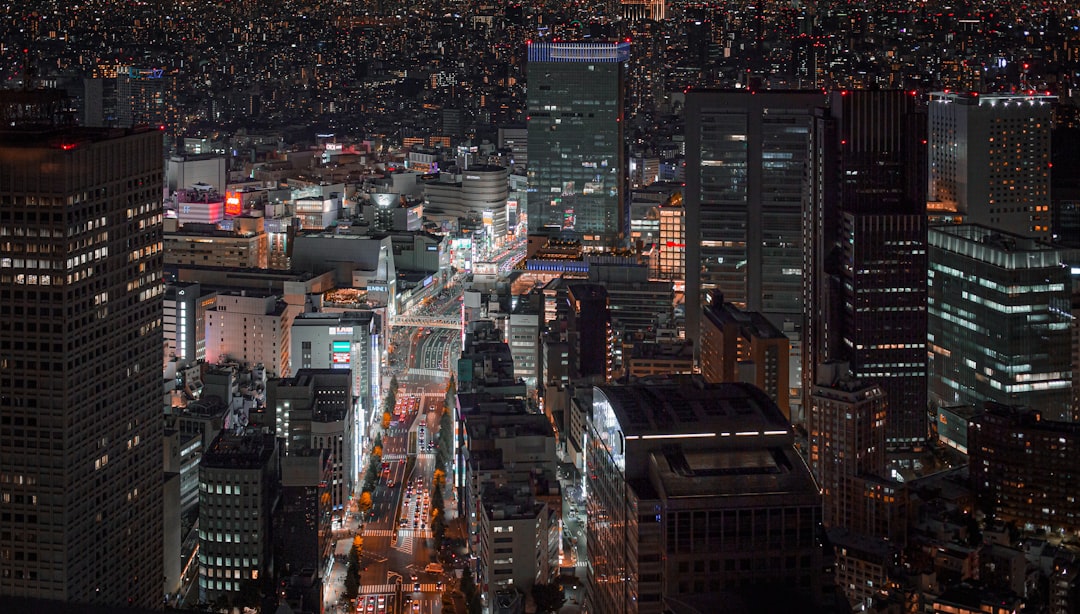
Welcome to Shinjuku, Tokyo’s pulsating heart where neon dreams come alive and businessmen in perfectly pressed suits somehow navigate streets that would make a GPS cry. When I first stumbled out of Shinjuku Station fifteen years ago, I felt like I’d been dropped into a real-life video game—one where I definitely hadn’t read the instruction manual.
This Shinjuku travel guide will help you conquer Tokyo’s most electrifying district without the culture shock-induced vertigo I experienced. From towering skyscrapers to intimate yakitori alleys, Shinjuku offers everything that makes Japan tourism so addictive.
| Best Visit Time | March-May, September-November |
|---|---|
| Main Station | Shinjuku Station (world’s busiest) |
| Top Districts | East Side (entertainment), West Side (business), Kabukicho |
| Must-See Attractions | Tokyo Metropolitan Building, Golden Gai, Omoide Yokocho |
| Budget Range | ¥3,000-15,000 per day depending on activities |
| Language Tip | Download Google Translate with camera feature |
- Getting to Shinjuku: Your Japan Travel Adventure Begins
- Where to Stay in Shinjuku: From Budget to Luxury
- Top Shinjuku Attractions: Must-See Experiences
- Shinjuku Food Scene: Culinary Adventures Await
- Shopping in Shinjuku: Retail Therapy Japanese Style
- Shinjuku Nightlife: When Tokyo Never Sleeps
- Day Trip Planning: Maximizing Your Shinjuku Experience
- Watch Before You Go
- What Travelers Say
Getting to Shinjuku: Your Japan Travel Adventure Begins
Shinjuku Station handles more passengers daily than some countries see in a year. Seriously, 3.5 million people pass through here every single day. The station has over 36 platforms and 200 exits, which sounds like someone’s idea of an elaborate prank, but it’s gloriously real.
If you’re flying into Japan, the most convenient route is taking the JR Narita Express directly to Shinjuku Station. The journey takes about an hour and gives you a perfect preview of Japan’s legendary train punctuality.
Pro Tip: Download the Hyperdia app before you arrive. It’s like having a Japanese train conductor in your pocket, minus the white gloves and impeccable posture.
For those arriving from other parts of Japan, Shinjuku connects to virtually everywhere via the extensive rail network. The station serves JR lines, private railways, and three subway lines, making it the ultimate hub for exploring Japanese culture.

Where to Stay in Shinjuku: From Budget to Luxury
Choosing accommodation in Shinjuku is like picking a superpower—each area offers different advantages for your visit to Japan. The east side pulses with entertainment energy, while the west side offers business hotel efficiency that would make a Swiss watchmaker weep with joy.
East Shinjuku: Entertainment Heaven
The east side keeps you close to Kabukicho’s neon wonderland and Golden Gai’s intimate bar scene. Hotels here range from capsule experiences to luxury towers with views that’ll make your Instagram followers question their life choices.
West Shinjuku: Skyscraper Serenity
West Shinjuku offers that perfect blend of urban sophistication and slightly better sleep quality. The business hotels here treat efficiency as an art form, and you’re walking distance from observation decks with views that stretch to Mount Fuji on clear days.
Pro Tip: Book accommodation near Shinjuku Station’s south exit for easier access to both sides of the district. Trust me, your luggage-dragging future self will thank you.

Top Shinjuku Attractions: Must-See Experiences
Shinjuku attractions range from free observation decks to experiences that cost less than your morning coffee back home. Here’s where Japan tourism really shines—incredible value packed into every corner.
Tokyo Metropolitan Government Building
The free observation decks on the 45th floor offer 360-degree views of Tokyo that cost absolutely nothing except the elevator ride. When I first visited in 2009, I spent three hours here just trying to comprehend the city’s scope. On clear days, Mount Fuji poses perfectly for photos, and at sunset, the city transforms into a sea of golden light.
Kabukicho: Neon Dreams Reality
Japan’s largest red-light district sounds intimidating, but it’s actually quite safe and endlessly fascinating. The neon signs create an almost cyberpunk atmosphere that photographers dream about. Guided evening tours offer insights into this unique aspect of Japanese culture while keeping you oriented in the maze-like streets.
Golden Gai: Micro-Bar Magic
Over 200 tiny bars packed into just a few blocks, each seating maybe five people maximum. It’s like someone took the concept of cozy and compressed it until it achieved maximum density. Many bars welcome tourists, though some remain locals-only—respect the signs and you’ll find incredible experiences.
Pro Tip: Visit Golden Gai after 8 PM when it truly comes alive. Start with bars that have English signs if you’re nervous—the mama-sans (female bar owners) often speak some English and love sharing stories.
Shinjuku Food Scene: Culinary Adventures Await
Attempting to eat quietly in Shinjuku’s ramen shops is Japan’s ultimate tourist challenge—and you will fail spectacularly. The food scene here ranges from Michelin-starred restaurants to standing sushi bars where breakfast costs less than a fancy coffee.
Omoide Yokocho (Memory Lane)
This narrow alley survived World War II bombing and decades of development, creating an authentic time capsule of old Tokyo. The yakitori smoke and sake flowing create an atmosphere that defines Japanese culture. Expect to share tables with salarymen decompressing after long days.
Department Store Food Halls
Takashimaya Times Square and other department stores host basement food courts (depachika) that showcase Japan’s incredible attention to food presentation. The quality rivals high-end restaurants, but prices remain surprisingly reasonable.
Robot Restaurant
Despite the name, this is pure entertainment spectacle with overpriced drinks. It’s touristy, loud, and absolutely bonkers—basically everything that makes Japan tourism memorable. Book tickets in advance because shows sell out, especially during peak Japan travel seasons.
Pro Tip: Try the standing bars (tachinomi) for authentic experiences and incredible value. A beer and small dish often costs under ¥500, and you’ll practice your Japanese with friendly locals.

Shopping in Shinjuku: Retail Therapy Japanese Style
Shinjuku shopping ranges from massive department stores to tiny specialist shops hidden in building basements. The organization makes German engineering look casual—every floor serves a specific purpose, and staff knowledge borders on encyclopedic.
Don Quijote: Organized Chaos
This 24-hour discount store defies logic and explanation. Need a samurai sword, Hello Kitty underwear, and premium whiskey at 3 AM? Don Quijote delivers without judgment. It’s like someone fed a convenience store growth hormones and added a sense of humor.
Lumine and Takashimaya
These department stores offer everything from international brands to uniquely Japanese items. The customer service reaches levels that would make other countries reconsider their entire approach to retail. Tax-free shopping for tourists adds extra value to your Japan travel budget.
Pro Tip: Visit electronics stores like Bic Camera for unique Japanese gadgets unavailable elsewhere. The toilet seats alone offer more technology than most smartphones.

Shinjuku Nightlife: When Tokyo Never Sleeps
Shinjuku nightlife operates on a different temporal plane where 2 AM feels like evening warm-up. The variety ranges from quiet sake bars to karaoke boxes where your singing voice will be appreciated regardless of actual talent levels.
The last trains leave around midnight, but taxis operate all night—though expect Tokyo taxi rates that might make your wallet question its life choices. Many locals simply party until the first trains resume around 5 AM, creating a unique energy you won’t find elsewhere.
Travel insurance isn’t just smart for international trips—it covers those “seemed like a good idea at 3 AM” moments that make the best travel stories.
Pro Tip: Learn “sumimasen” (excuse me) and “arigato gozaimasu” (thank you very much). These phrases open doors and hearts throughout Japanese culture, especially in nightlife situations.

Day Trip Planning: Maximizing Your Shinjuku Experience
A perfect Shinjuku day trip balances sightseeing, cultural experiences, and enough flexibility for spontaneous discoveries. Here’s a tested itinerary that won’t leave you exhausted:
- Morning (9-11 AM): Start at Tokyo Metropolitan Government Building for free city views and orientation
- Late Morning (11 AM-1 PM): Explore Takashimaya food halls and grab lunch
- Afternoon (1-4 PM): Shop in east Shinjuku and visit unique stores like Don Quijote
- Late Afternoon (4-6 PM): Relax in a café or explore Shinjuku Park if weather permits
- Evening (6-9 PM): Dinner in Omoide Yokocho for authentic atmosphere
- Night (9 PM+): Experience Golden Gai or Kabukicho nightlife
Multi-day Tokyo tours often include Shinjuku highlights while covering other essential Japan tourism destinations, perfect for first-time visitors wanting comprehensive experiences.
Planning your 2026 visit to Japan? Shinjuku serves as the perfect base for exploring Tokyo while offering enough attractions to fill several days on its own. The district perfectly encapsulates everything that makes Japanese culture so compelling—efficiency, tradition, innovation, and warmth all coexisting in neon-lit harmony.
What’s the best time of day to visit Shinjuku Station?
Early morning (before 8 AM) or late morning (after 10 AM) offer the least crowded experiences. Rush hours (7-9 AM and 5-7 PM) turn the station into organized chaos that’s fascinating to witness but challenging to navigate with luggage.
Is Shinjuku safe for solo travelers, especially at night?
Yes, Shinjuku is very safe even late at night. Japan’s low crime rates extend throughout Tokyo. Use common sense in entertainment districts, stay aware of your surroundings, and don’t accept drinks from strangers, just like anywhere else in the world.
How much money should I budget for a day in Shinjuku?
Budget travelers can enjoy Shinjuku for ¥3,000-5,000 per day including meals and activities. Mid-range visitors typically spend ¥8,000-12,000, while luxury experiences can reach ¥20,000+ depending on dining and shopping choices.
Do I need to speak Japanese to enjoy Shinjuku?
Not at all! Many signs include English, staff at major establishments often speak basic English, and translation apps work excellently. Learning basic phrases enhances the experience but isn’t required for navigation or enjoyment.
What’s the difference between east and west Shinjuku?
East Shinjuku focuses on entertainment, shopping, and nightlife with areas like Kabukicho and Golden Gai. West Shinjuku contains the business district with skyscrapers, government buildings, and more upscale dining. Both offer unique perspectives on Japanese culture.
Watch Before You Go
Watch Before You Go: TOP 20 Things to Do in Shinjuku, Tokyo
What Travelers Say
“Shinjuku is Tokyo’s beating heart, a neon-soaked district that never sleeps and perfectly encapsulates the city’s frenetic energy. From the world’s busiest train station to the narrow alleys of Memory Lane, this area offers everything from high-end shopping to hole-in-the-wall yakitori joints.”
“Shinjuku can be overwhelming at first, but that’s exactly what makes it amazing! I spent hours just wandering around Kabukicho at night – it’s like being inside a cyberpunk movie. The observation deck at Tokyo Metropolitan Building is free and gives you incredible views of the city.”

コメント