
When I first arrived in Tokyo, I made the rookie mistake of thinking all neighborhoods were basically the same – just different collections of neon signs and convenience stores. Boy, was I wrong. Tokyo’s neighborhoods are like snowflakes: each one utterly unique, and if you stare at them long enough, you’ll get completely mesmerized and forget where you were going.
This Tokyo neighborhoods guide will help you navigate the city’s distinct districts like a seasoned local, whether you’re planning your 2026 Japan travel adventure or just dreaming of your next ramen crawl.
| Quick Facts: Tokyo Neighborhoods | |
|---|---|
| Best for First-Timers | Shibuya, Shinjuku, Asakusa |
| Most Traditional | Asakusa, Ueno |
| Best Nightlife | Shibuya, Roppongi, Golden Gai |
| Food Paradise | Tsukiji Outer Market, Kappabashi |
| Shopping Heaven | Harajuku, Ginza, Akihabara |
| Most Photogenic | Harajuku, Shibuya, Tokyo Station |
Shibuya: The Heartbeat of Modern Tokyo
Ah, Shibuya – where organized chaos meets Instagram dreams. This is probably what you picture when someone says “Tokyo”: the famous scramble crossing where thousands of people somehow avoid bumping into each other (a skill I’m still working on), towering screens broadcasting everything from J-pop to advertisements for products you didn’t know existed.
Shibuya is perfect for first-time visitors to Japan because it delivers that quintessential Tokyo experience. The energy is infectious, the people-watching is world-class, and you’re never more than 50 meters from a vending machine selling hot coffee – one of Japanese culture’s greatest gifts to humanity.
Pro Tip: Visit the Shibuya Sky observation deck just before sunset. You’ll get daylight photos and night shots of the crossing, plus you’ll avoid the worst of the crowds who only think to go at night.
For accommodations, check out hotels near Shibuya Station to stay in the heart of the action. The area offers everything from budget-friendly business hotels to luxury options with crossing views.

Asakusa: Where Old Tokyo Still Lives
If Shibuya is Tokyo’s caffeinated present, Asakusa is its wise grandfather – the one with the best stories and the patience to tell them properly. Home to the ancient Sensoji Temple, this neighborhood gives you a taste of what Tokyo was like before it became the neon wonderland we know today.
Walking down Nakamise-dori (the shopping street leading to the temple) feels like time travel, except the elderly vendors accept credit cards and the traditional snacks are Instagram-ready. The contrast between ancient and modern isn’t jarring here – it’s harmonious in that uniquely Japanese way.
What Makes Asakusa Special for Visitors
- Authentic temple experience: Sensoji Temple offers traditional omikuji (fortune telling) and proper temple etiquette lessons
- Traditional crafts: Watch artisans create everything from hand-forged knives to delicate ceramics
- Classic food culture: Try tempura at restaurants that have been family-run for generations
- River views: The Sumida River provides gorgeous skyline perspectives and peaceful boat rides
Pro Tip: Stay for the temple’s evening illumination. Most tourists rush through during the day, but the golden hour lighting on the pagoda is absolutely magical.
Experience traditional Japanese culture with guided tours of Asakusa’s hidden gems, including sake tastings and artisan workshops.

Harajuku: Kawaii Culture and Creative Chaos
Harajuku is where Tokyo’s creativity goes to express itself loudly, colorfully, and with absolutely zero regard for anyone’s comfort zone. This is the birthplace of kawaii culture, where fashion rules are suggestions at best, and where I once saw someone walking a stuffed animal on a leash (and honestly, good for them).
Takeshita Street is the main attraction – a narrow lane packed with shops selling everything from rainbow hair extensions to crepes filled with enough sugar to power a small village. But don’t miss the quieter streets where independent designers and vintage shops offer one-of-a-kind pieces.
Beyond the Obvious: Hidden Harajuku
While everyone knows about Takeshita Street, venture into Ura-Harajuku (literally “behind Harajuku”) for a more sophisticated take on the neighborhood’s creative spirit. Here you’ll find concept stores, artisan coffee shops, and galleries showcasing emerging Japanese artists.
Pro Tip: Visit on weekday mornings to avoid crowds and get better photos. The teenagers who make Harajuku famous are usually in school, so you’ll have the rainbow-colored streets mostly to yourself.
Ginza: Luxury and Sophistication
Ginza is Tokyo’s answer to Fifth Avenue or the Champs-Élysées – except somehow more polished, if that’s possible. This is where Tokyo puts on its finest suit and takes itself very seriously. The department stores here are temples to consumerism, complete with white-gloved elevator operators who bow as you enter.
Even if luxury shopping isn’t your thing, Ginza offers incredible architecture, world-class dining, and some of the best people-watching in the city. Plus, it’s one of the few places in Tokyo where walking slowly is not only acceptable but encouraged.
The neighborhood transforms completely on weekends when Chuo-dori becomes pedestrian-only, creating a surprisingly relaxed atmosphere for such an upscale area.
Pro Tip: Hit the depachika (department store food courts) in the basement levels. Even if you can’t afford the designer goods upstairs, you can sample incredible Japanese delicacies at surprisingly reasonable prices.
For a luxurious stay in the heart of sophisticated Tokyo, explore premium hotels in Ginza with world-class service and convenient access to high-end shopping.

Shinjuku: The City That Never Sleeps
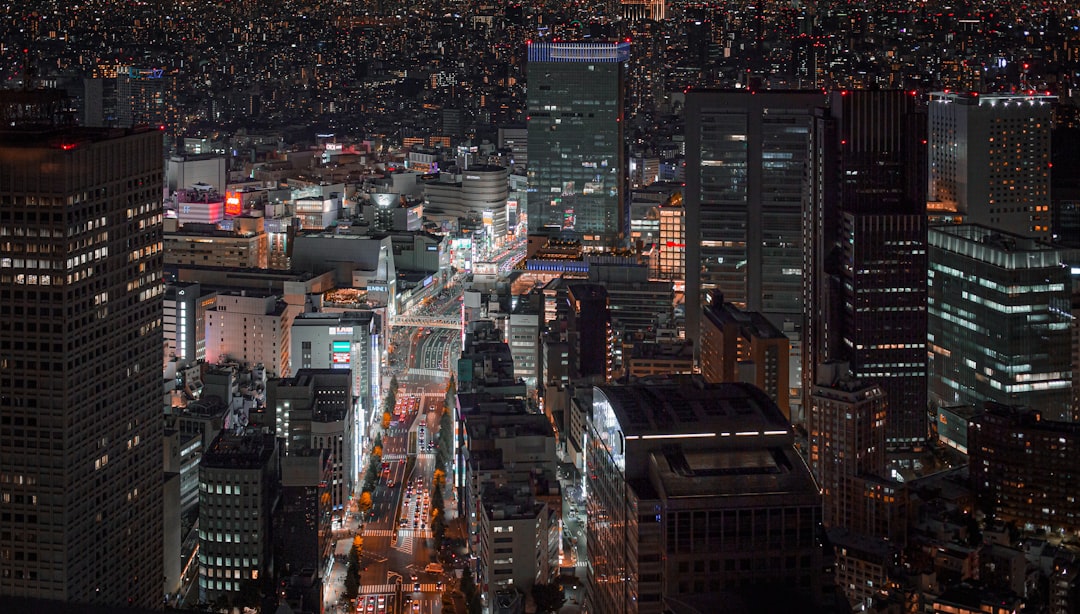
Shinjuku is Tokyo’s version of Times Square, except it actually has soul. By day, it’s a business district filled with salarymen grabbing quick lunches and navigating the world’s busiest train station (a maze so complex it should come with its own GPS). By night, it transforms into an entertainment wonderland.
The famous Golden Gai area deserves special mention – a collection of tiny bars, each seating maybe five people, where conversations with strangers are not just welcome but inevitable. It’s like drinking in someone’s living room, if their living room served the best whiskey highballs in the city.
Navigating Shinjuku Like a Local
Shinjuku Station is notorious for confusing even longtime Tokyo residents. The trick is to pick one exit (I recommend East Exit for beginners) and learn it well before attempting to explore others. Trust me, I once spent 30 minutes looking for an exit that turned out to be right behind me.
Pro Tip: Download a station map to your phone before you arrive. The English signage is good, but having a backup plan prevents that “I’m definitely lost in an underground maze” panic.
Experience Shinjuku’s legendary nightlife with guided bar hopping tours that take you to hidden gems locals love.

Planning Your Tokyo Neighborhood Adventure
The beauty of Tokyo neighborhoods is that each offers a completely different experience within the same city. My advice? Pick 2-3 neighborhoods that match your interests and explore them thoroughly rather than trying to check every district off your list.
For Japan travel tips on getting around efficiently, remember that the JR Pass covers most of the major lines connecting these neighborhoods. And if you’re flying into Tokyo for your 2026 adventure, compare flight options to find the best deals.
Don’t forget to protect your Japan tourism investment with proper travel insurance – because while Tokyo is incredibly safe, it’s always better to visit Japan with peace of mind.
Which Tokyo neighborhood is best for first-time visitors?
Shibuya and Shinjuku are excellent for first-timers because they offer the classic Tokyo experience with great transportation connections. Asakusa is perfect if you want to experience traditional Japanese culture alongside modern conveniences.
How many neighborhoods can I realistically visit in one day?
I recommend focusing on 2-3 neighborhoods maximum per day. Tokyo neighborhoods deserve time to explore properly – rushing through defeats the purpose of experiencing each area’s unique character.
Which neighborhoods have the best food scenes?
Every Tokyo neighborhood has incredible food, but Tsukiji Outer Market (near Ginza) is famous for fresh seafood, while Shibuya and Shinjuku offer the most variety. Asakusa excels at traditional Japanese cuisine.
Is it better to stay in one neighborhood or move around?
For trips under a week, staying in one central neighborhood (like Shibuya or Shinjuku) works well since Tokyo’s train system makes everything accessible. For longer visits, consider splitting your stay between two contrasting areas.
Which neighborhoods are most budget-friendly?
Asakusa and areas around Ueno offer more budget-friendly accommodations and dining. Avoid Ginza and Roppongi if you’re watching expenses, though even expensive neighborhoods have affordable options if you know where to look.

Watch Before You Go
Watch Before You Go: Mapping Tokyo's Neighborhoods | Get your bearings & learn your way around.
What Travelers Say
“Tokyo’s neighborhoods each tell their own story, from the electric neon maze of Shibuya to the traditional temples tucked between Asakusa’s narrow streets. The key to understanding this megacity is to explore it district by district, allowing each area’s unique personality to unfold naturally.”
“I spent a week hopping between different Tokyo neighborhoods and each felt like visiting a completely different city. Harajuku’s quirky fashion scene couldn’t be more different from the peaceful gardens of Ueno, and that’s exactly what makes Tokyo so incredible to explore.”
コメント