Here’s the thing about planning a trip to Japan: everyone will tell you there’s a “best” time to visit, but honestly? I’ve been there in sweltering August heat, freezing February snow, and everything in between — and Japan managed to charm me every single time. That said, timing your visit right can mean the difference between elbow-to-elbow crowds at cherry blossom spots and having that perfect temple moment all to yourself.
After living in Japan for several years and making plenty of rookie mistakes (hello, arriving during Golden Week without hotel reservations), I’ve learned that the best time to visit Japan really depends on what you’re after. Let me break it down for you, season by season, so you can plan the Japan trip of your dreams.
| Season | Weather | Crowds | Prices | Best For |
|---|---|---|---|---|
| Spring (Mar-May) | Mild, 50-70°F | Very High | High | Cherry blossoms, festivals |
| Summer (Jun-Aug) | Hot & humid, 75-85°F | High | Medium-High | Festivals, hiking, beaches |
| Autumn (Sep-Nov) | Cool & crisp, 50-70°F | Medium-High | Medium-High | Fall foliage, comfortable weather |
| Winter (Dec-Feb) | Cold, 30-50°F | Low | Low | Skiing, winter illuminations, fewer crowds |
- Spring: Cherry Blossom Magic (March – May)
- Summer: Festival Season and Humidity Reality Check (June – August)
- Autumn: The Sweet Spot (September – November)
- Winter: Japan’s Best-Kept Secret (December – February)
- Special Considerations for Your Japan Travel Plans
- My Final Verdict: When Should You Visit Japan?
- Frequently Asked Questions
- Watch Before You Go
- What Travelers Say
Spring: Cherry Blossom Magic (March – May)
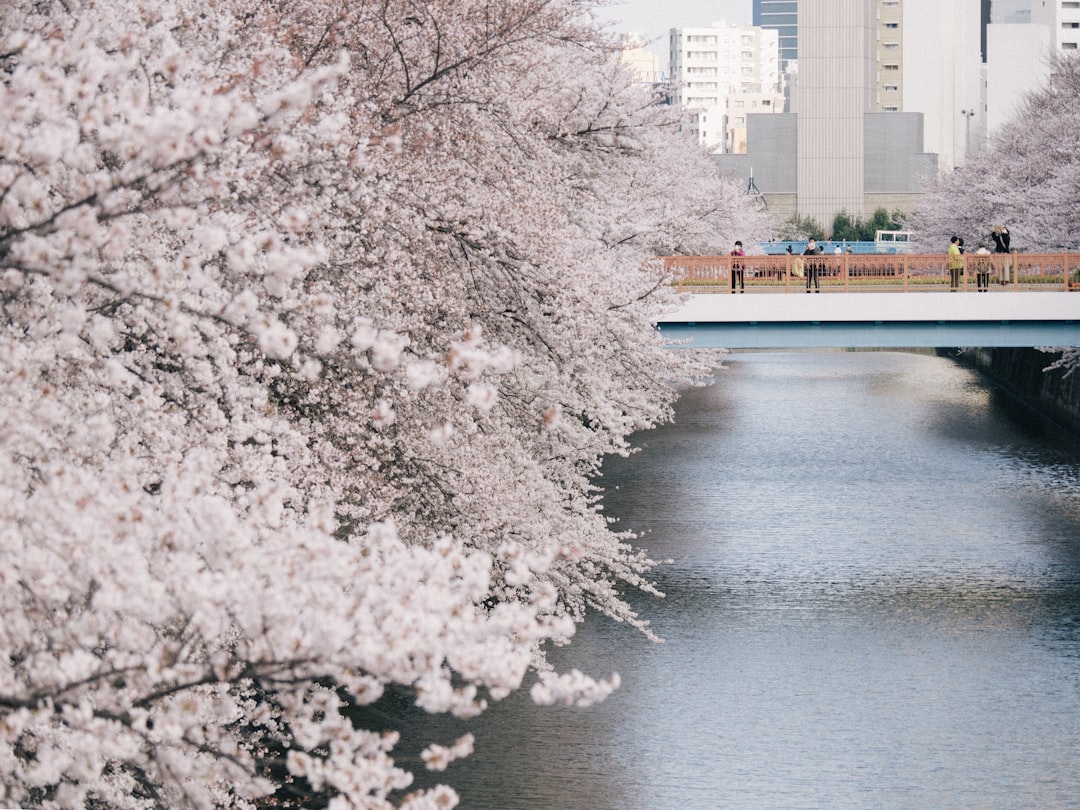
Ah, spring in Japan — the season that launched a thousand Instagram posts. And honestly? The hype is real. Cherry blossom season (sakura) typically runs from late March through early May, creating some of the most stunning scenery you’ll ever witness. But here’s what nobody tells you: those picture-perfect hanami (flower viewing) spots? You’ll be sharing them with literally everyone else who had the same brilliant idea.
When I first experienced sakura season in Kyoto, I naively thought I’d have those dreamy temple gardens to myself at sunrise. Plot twist: apparently, every photographer in Japan had the exact same “unique” idea. The crowds were so dense at popular spots like Maruyama Park that I started questioning whether this was flower viewing or a very polite mosh pit.
Spring weather is genuinely delightful though — mild temperatures ranging from 50-70°F, perfect for walking around in layers. Just pack a light jacket for evenings and maybe an umbrella, as spring showers are common.
Pro Tip: Book accommodations at least 6 months in advance for cherry blossom season. I learned this the hard way when I found myself paying ¥40,000 for a business hotel room that normally costs ¥8,000. Pro tip within a pro tip: check the JR Pass for convenient travel between cities during this busy season.
The best cherry blossom viewing typically happens:
- Tokyo: Late March to early April
- Kyoto/Osaka: Early to mid-April
- Northern Japan: Late April to early May
If you’re planning to visit during this peak time, consider booking tours in advance through GetYourGuide to skip the hassle of fighting crowds for the best viewing spots.

Summer: Festival Season and Humidity Reality Check (June – August)
Summer in Japan is like that friend who’s incredibly fun but also slightly overwhelming — you’ll love the energy, but you might need a break. The season kicks off with rainy season (tsuyu) in June, followed by intense heat and humidity that’ll make you appreciate air conditioning like never before.
But here’s why I actually love summer in Japan: festivals. Oh, the festivals! From the massive Gion Matsuri in Kyoto to local neighborhood matsuri with their paper lanterns and yakitori stalls, summer is when Japanese culture truly comes alive. Plus, it’s the perfect time for hiking in the Japanese Alps or hitting the beaches in Okinawa.
Just be prepared for temperatures in the 80s with humidity that makes you feel like you’re walking through soup. I made the mistake of wearing jeans in Tokyo in August once — never again. Lightweight, breathable fabrics are your best friends, along with a small towel (Japanese people always carry them for good reason).
Pro Tip: Stay hydrated and take advantage of Japan’s incredible convenience store culture. Lawson and 7-Eleven are your summer lifelines for cold drinks, ice cream, and blessed air conditioning breaks.
Summer is also when many Japanese families travel, so domestic tourism spots can get crowded. However, you’ll find better deals on international flights and accommodations compared to spring. Check Aviasales for the best flight deals during this period.
For unique summer experiences, consider booking a festival tour or mountain hiking adventure to make the most of the season.

Autumn: The Sweet Spot (September – November)
If spring is Japan’s Instagram star, autumn is its sophisticated older sibling — equally beautiful but with better crowd control. Fall foliage (koyo) season typically runs from September through November, painting the country in brilliant reds, oranges, and golds.
September starts off still quite warm (thanks to lingering summer humidity), but by October, you’ll get those crisp, clear days that make you want to hike every mountain and visit every temple. November can get quite cool, especially in northern regions, but the weather is generally perfect for sightseeing.
The crowds during autumn are much more manageable than spring, though popular fall foliage spots like Nikko and Kyoto’s Arashiyama district still get busy on weekends. The key is timing — mid-week visits are your friend.
Pro Tip: Autumn illuminations at temples and gardens are absolutely magical and far less crowded than daytime visits. Many start around 5 PM and run until 9 PM.
Peak fall colors typically occur:
- Northern Japan (Hokkaido): Late September to early October
- Central Japan (Tokyo, Kyoto): Mid to late November
- Southern Japan: Late November to early December
For comfortable autumn accommodations, browse options on Booking.com — you’ll find better availability and prices than during cherry blossom season.

Winter: Japan’s Best-Kept Secret (December – February)
Winter might just be my favorite time to visit Japan, and I’m willing to die on this hill. Yes, it’s cold. Yes, some mountain areas get serious snow. But here’s what you get in return: virtually no crowds, significantly lower prices, and some of the most magical winter experiences on the planet.
Picture this: soaking in a hot spring (onsen) while snow falls around you, exploring temples dusted with snow like something from a fairy tale, or watching the famous snow monkeys bathing in Nagano. Winter illuminations transform cities into wonderlands, and the crisp, clear air means Mount Fuji shows off with stunning visibility.
Plus, Japan’s winter isn’t as brutal as you might think. While northern areas like Hokkaido and the Japan Alps get heavy snow (making them perfect for skiing), cities like Tokyo and Kyoto have mild winters with occasional snow dustings that disappear quickly.
The crowds are so manageable in winter that you can actually experience popular attractions the way they were meant to be experienced. I once had Fushimi Inari’s thousands of torii gates almost entirely to myself on a February morning — it was absolutely surreal.
Pro Tip: Pack layers and waterproof shoes, but don’t over-pack. Japan’s heated buildings, trains, and public spaces are incredibly warm — you’ll be doing a lot of layer removal indoors.
Winter is perfect for:
- Skiing and snowboarding in Hokkaido, Nagano, or Niigata
- Onsen (hot spring) experiences
- Winter illuminations in major cities
- Budget travel (lowest prices of the year)
For winter adventures, consider multi-day ski packages through G Adventures, and don’t forget to protect yourself with comprehensive travel insurance from SafetyWing for winter activities.

Special Considerations for Your Japan Travel Plans
Beyond seasons, there are a few Japan-specific timing considerations that can make or break your trip. Trust me, I’ve learned these the hard way.
Japanese Holidays to Avoid (Or Plan Around)
Japan has several major holiday periods when the entire country goes into vacation mode. During these times, expect crowds, full accommodations, and higher prices:
- Golden Week (late April/early May): Multiple holidays cluster together
- Obon (mid-August): Traditional ancestor veneration period
- New Year (Dec 29 – Jan 3): Many attractions and restaurants close
- Silver Week (September): Less predictable, depends on how holidays fall
Planning for 2026 and Beyond
Japan continues to evolve its tourism infrastructure, making it even more accessible for international visitors. The ongoing improvements to English signage, mobile connectivity, and cashless payment options mean that visiting during any season is becoming easier each year.
Pro Tip: Book early for 2026, especially if you’re planning spring or autumn visits. Japan’s popularity continues to grow, and the best accommodations fill up quickly during peak seasons.
Budget Considerations by Season
Your Japan travel budget will vary significantly depending on when you visit:
- Most Expensive: Spring (cherry blossom season)
- Moderately Expensive: Summer and autumn
- Best Value: Winter (except ski resort areas)

My Final Verdict: When Should You Visit Japan?
After experiencing Japan in every season multiple times, here’s my honest take: the best time to visit Japan is when you can go. I know that’s not the definitive answer you were hoping for, but stick with me.
If you’re a first-time visitor and can handle crowds, spring offers the quintessential Japan experience with cherry blossoms and perfect weather. But if you prefer fewer tourists and don’t mind cooler temperatures, winter provides incredible value and authentic cultural experiences.
Summer is fantastic if you love festivals and don’t mind heat, while autumn gives you the best balance of beautiful scenery and manageable crowds.
The real key to successful Japan travel isn’t just picking the perfect season — it’s understanding what each season offers and planning accordingly. Pack right, book accommodations early during peak times, and embrace whatever weather Japan throws at you. Trust me, even a rainy day in Kyoto beats most sunny days anywhere else.
Whatever season you choose, Japan will find a way to exceed your expectations. Just maybe avoid Golden Week unless you enjoy feeling like a sardine in the world’s most polite can.

Frequently Asked Questions
What is the cheapest time to visit Japan?
Winter (December through February) offers the lowest prices for flights and accommodations, with the exception of ski resort areas and the New Year holiday period. You can save 30-50% compared to peak spring prices.
How far in advance should I book my Japan trip?
For cherry blossom season (March-May), book at least 6 months in advance. For other seasons, 2-3 months is usually sufficient, though popular hotels and ryokans fill up quickly year-round.
Is Japan crowded all year round?
No! Winter months (especially January-February) have significantly fewer tourists. Weekdays are always less crowded than weekends, regardless of season. Avoid Japanese holidays like Golden Week and Obon for the most manageable crowds.
What should I pack for Japan depending on the season?
Spring/Autumn: Layers, light jacket, comfortable walking shoes, umbrella. Summer: Lightweight breathable clothing, sun protection, small towel. Winter: Warm layers, waterproof shoes, but avoid over-packing as indoor spaces are well-heated.
Can I see both cherry blossoms and fall colors in one trip?
Not in the same locations, but Japan’s diverse climate means you might catch late cherry blossoms in northern regions while southern areas show early fall colors if you visit in late September or early October. However, this requires careful timing and flexible itinerary planning.

Watch Before You Go
Watch Before You Go: 15 Tips for First-Time Travellers to Japan
What Travelers Say
“Spring (March to May) and autumn (September to November) are generally considered the best times to visit Japan, offering mild temperatures and stunning seasonal displays. Cherry blossom season in spring draws millions of visitors, while autumn provides brilliant foliage and comfortable weather for sightseeing.”
“I visited Japan in late October and it was absolutely perfect – the weather was crisp but not cold, the fall colors were incredible, and there were way fewer crowds than during cherry blossom season. I’d definitely recommend avoiding the humid summer months unless you’re prepared for serious heat and humidity.”

コメント