📰 Latest News & Updates
- Using Wi-Fi & Mobile Phones in Japan: Essential Travel Guide 2026 — Whatjapanthinks.com, 2026-03-31
- When Japan Feels Crowded: Find The Quiet Places You Can Actually Relax — Whatjapanthinks.com, 2026-03-30
- The Worst Times to Travel in Japan: When to Avoid Your Trip for a Better Experience — Whatjapanthinks.com, 2026-03-30
When I first arrived in Japan, I made the classic tourist mistake of thinking Tokyo and Kyoto were the whole story. Boy, was I wrong. Rural Japan is where the magic truly happens — where ancient traditions still breathe, where rice paddies stretch like green mirrors, and where locals might invite you for tea simply because you smiled and bowed properly.
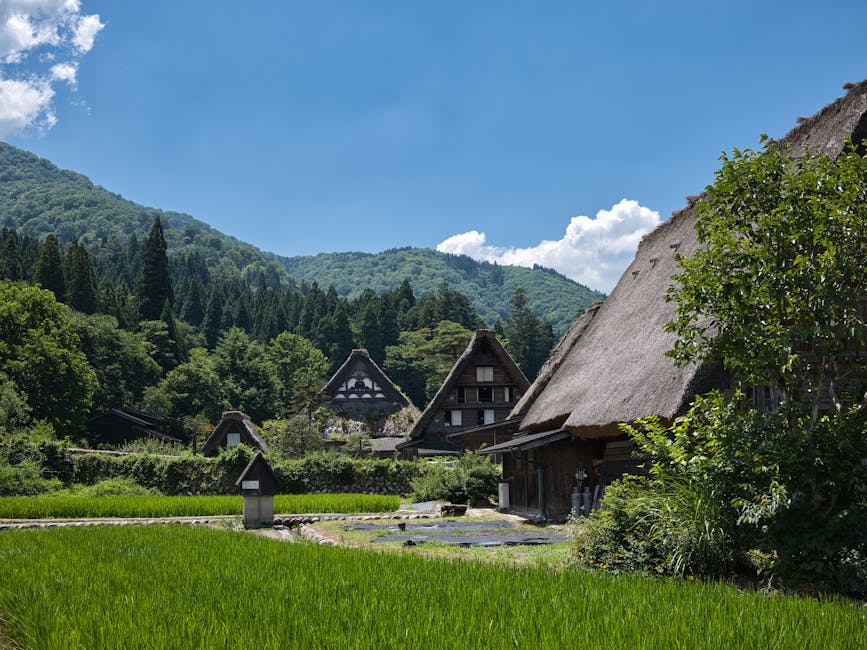
Rural Japan travel offers something the bustling cities can’t: authentic glimpses into a Japan that exists at a gentler pace. From thatched-roof villages that look like fairy tales to mountain towns where time moves differently, the countryside reveals layers of Japanese culture that will leave you planning your return before you’ve even left.
| Quick Facts: Rural Japan Travel | Details | |
|---|---|---|
| Best Time to Visit | April-May (cherry blossoms), September-November (autumn colors) | |
| Transportation | JR Pass recommended for multiple regions | |
| Language Barrier | Higher than cities, but locals are incredibly patient | |
| Budget Range | $100-200/day including accommodation and meals | |
| Essential Items | Portable WiFi, translation app, cash (many places card-free) |
- Why Choose Rural Japan Over Tourist Hotspots
- Top Rural Japan Destinations for First-Time Visitors
- Essential Rural Japan Travel Planning Tips
- Cultural Experiences and Local Activities
- Food and Dining in Rural Japan
- Seasonal Considerations for Rural Japan Travel
- Budget Planning for Rural Japan Travel
- Safety and Practical Tips for Rural Japan
- Making the Most of Your Rural Japan Experience
- 🗺️ Area Map
- Watch Before You Go
- What Travelers Say
Why Choose Rural Japan Over Tourist Hotspots
Here’s the honest truth: rural Japan will test your comfort zone in the best possible way. Unlike the English-friendly zones of Shibuya, you’ll find yourself gesturing wildly to order lunch and somehow ending up with the most delicious meal of your trip.
The Japanese countryside offers experiences you simply can’t find in guidebooks. Picture this: staying in a 300-year-old farmhouse, learning to make soba noodles from a grandmother who’s been perfecting the craft for decades, or soaking in an outdoor onsen while snow monkeys watch curiously from nearby trees.
Pro Tip: Download Google Translate’s camera function before heading to rural areas. It’s a lifesaver for menus and signs, though half the fun is the delightful surprise of not knowing exactly what you’ve ordered.
Rural regions also offer better value for money. While Tokyo hotel rooms can cost $300+ per night, traditional ryokans in countryside locations often include elaborate multi-course meals for similar prices. Plus, you’ll have stories that go way beyond “I saw the busy crosswalk in Shibuya.”

Top Rural Japan Destinations for First-Time Visitors
Shirakawa-go and Takayama Region
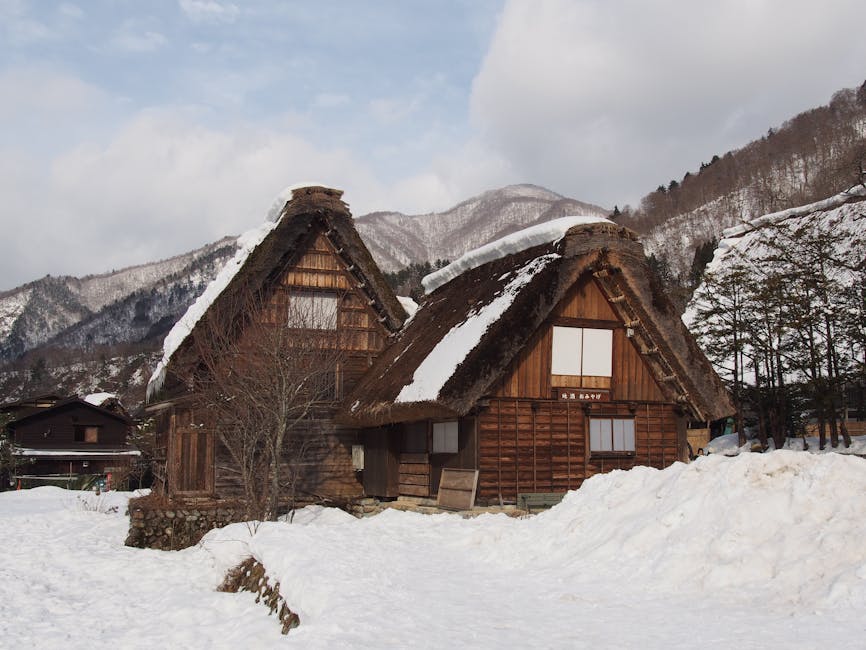
Shirakawa-go feels like stepping into a Studio Ghibli film. The UNESCO World Heritage village features traditional gassho-zukuri farmhouses with steep thatched roofs designed to handle heavy snowfall. When I visited in winter, the scene looked so impossibly perfect I kept checking if someone had Photoshopped real life.
Nearby Takayama serves as an excellent base. This mountain town maintains its Edo-period charm with sake breweries, traditional ryokans, and some of Japan’s best Hida beef. The morning markets here are legendary — arrive early for the freshest mountain vegetables and local crafts.
Kumano Kodo Pilgrimage Routes
For travelers seeking spiritual experiences, the Kumano Kodo offers ancient pilgrimage trails through the Kii Peninsula. These sacred paths wind through dense forests, past hidden shrines, and toward some of Japan’s most revered spiritual sites.
The trails vary in difficulty, but even casual hikers can tackle shorter sections. Guided hiking experiences are available for those wanting cultural context alongside the physical journey.
Pro Tip: Book accommodations along the Kumano Kodo well in advance. Mountain lodges fill up quickly, especially during autumn when the forest explodes in red and gold colors.
Iya Valley, Shikoku
Iya Valley represents Japan’s hidden wilderness. This remote gorge on Shikoku island features dramatic vine bridges, mountain villages accessible only by winding roads, and some of the country’s most pristine nature.
The famous Kazurabashi vine bridges were originally built by fleeing Heike warriors. Today, they offer heart-stopping (literally) crossings above emerald rivers. Fair warning: if you’re afraid of heights, maybe admire from solid ground.

Essential Rural Japan Travel Planning Tips
Transportation in Rural Areas
Let’s address the elephant in the room: rural Japan transportation requires patience and planning. The JR Pass covers major routes, but local buses and trains run less frequently than their urban counterparts.
Many rural destinations require combining trains with local buses. Download Hyperdia or Google Maps offline — cellular coverage can be spotty in mountain areas. Also, rental cars open up possibilities, though navigate mountain roads carefully, especially in winter.
Accommodation Options
Rural Japan accommodations range from traditional ryokans to modern guesthouses. Ryokans offer the full cultural experience: tatami mat rooms, futon bedding, elaborate kaiseki dinners, and often private onsen baths.
However, ryokans come with etiquette expectations. Remove shoes, wear provided yukata properly, and follow onsen rules carefully. Don’t worry about making mistakes — staff are incredibly gracious with foreigners learning the ropes.
Pro Tip: Book ryokans directly when possible. Many family-run establishments don’t appear on international booking sites, and personal contact often results in warmer welcomes and better rooms.
Language and Communication
Rural areas present higher language barriers than cities, but this challenge often leads to the most memorable interactions. Japanese people in countryside areas are remarkably patient and creative when communicating with foreign visitors.
Learn basic phrases like “arigatou gozaimasu” (thank you), “sumimasen” (excuse me), and “eigo ga hanasemasu ka?” (do you speak English?). Even attempting Japanese earns enormous goodwill, and locals will often go to extraordinary lengths to help.

Cultural Experiences and Local Activities
Traditional Crafts and Workshops
Rural Japan preserves traditional crafts that urban areas have largely abandoned. Pottery workshops in Bizen, indigo dyeing in Tokushima, and sake brewing experiences in various regions offer hands-on cultural immersion.
These workshops typically require advance booking and may have language requirements. Cultural experience tours often include translation services and transportation from major cities.
Farm Stays and Agricultural Tourism
Farm stays (called “nouka minshuku”) provide authentic rural living experiences. Guests participate in seasonal activities: rice planting in spring, harvesting in autumn, or winter vegetable cultivation in heated greenhouses.
These experiences aren’t luxurious in the hotel sense, but they’re incredibly rewarding. You’ll eat meals made from ingredients grown steps from your room, learn traditional farming techniques, and probably develop newfound appreciation for the work behind every grain of rice.
Pro Tip: Pack comfortable work clothes and don’t mind getting dirty. Farm stays are participatory experiences, not passive tourism. The muddy hands make for better stories anyway.
Food and Dining in Rural Japan
Rural Japanese cuisine focuses on local, seasonal ingredients prepared simply to highlight natural flavors. Mountain regions specialize in wild vegetables, river fish, and preserved foods that sustained communities through harsh winters.
Don’t expect extensive English menus or international options. Instead, embrace omakase-style dining — letting the chef choose based on seasonal availability. Point to what looks good, smile broadly, and prepare for surprises. Some of my best Japanese meals happened when I had absolutely no idea what I was ordering.
Local sake deserves special mention. Rural breweries often produce small-batch varieties unavailable elsewhere. Many offer tastings and tours, though remember that public transportation schedules don’t accommodate tipsy tourists very well.
Seasonal Considerations for Rural Japan Travel
Spring and Summer Adventures
Spring brings cherry blossoms to rural areas weeks after urban trees finish blooming. Mountain sakura creates stunning contrasts against snow-capped peaks, while valley floors explode in pink and white.
Summer offers hiking opportunities, river activities, and mountain festivals. However, prepare for humidity, insects, and afternoon thunderstorms. Pack light, breathable clothing and good rain gear.
Autumn and Winter Experiences
Autumn transforms rural Japan into a photographer’s paradise. Maple leaves create fiery canopies over mountain temples, while rice paddies turn golden before harvest. This season offers ideal hiking weather and spectacular photography opportunities.
Winter brings snow-covered landscapes and unique activities like snowshoeing, winter illuminations, and soaking in outdoor onsen while snowflakes fall around you. However, some mountain areas become inaccessible, so research seasonal closures carefully.
Pro Tip: Consider travel insurance that covers weather-related cancellations. Rural Japan’s weather can change quickly, especially in mountain areas, and flexibility becomes essential.
Budget Planning for Rural Japan Travel
Rural Japan can be surprisingly affordable compared to major cities, but requires different budgeting approaches. Ryokan stays seem expensive until you realize they include elaborate multi-course dinners and traditional breakfasts that would cost $100+ in urban restaurants.
Transportation costs can add up with multiple bus and train connections. The JR Pass pays for itself if you’re covering significant distances, but regional passes might offer better value for concentrated rural exploration.
Bring cash — seriously, lots of cash. Rural establishments often don’t accept credit cards, and ATMs can be scarce. Seven-Eleven and post office ATMs work with international cards, but plan accordingly.
Safety and Practical Tips for Rural Japan
Rural Japan is remarkably safe, but different challenges exist compared to urban travel. Cell phone coverage can be spotty in mountain areas, so download offline maps and inform accommodations of your arrival plans.
Weather changes quickly in mountain regions. Pack layered clothing regardless of season, and check local conditions before hiking or outdoor activities. Japanese weather services are incredibly accurate — trust their warnings.
Respect local customs more carefully in rural areas where foreign visitors are less common. Bow when greeting people, remove shoes when entering homes, and ask permission before photographing people or private property.
Making the Most of Your Rural Japan Experience
Rural Japan rewards travelers who embrace uncertainty and cultural differences. Your GPS might lead you down unmarked farm roads, restaurant menus might be completely incomprehensible, and you might find yourself part of a local festival purely by accident.
These unplanned moments create the best travel memories. When I got lost trying to find a remote onsen, I ended up helping a farmer load vegetables and receiving an invitation to dinner with his family. No guidebook could have planned that experience.
Stay flexible with your itinerary. Rural Japan operates at a different pace, and fighting that rhythm only creates frustration. Instead, allow extra time for unexpected discoveries, longer conversations with locals, and spontaneous detours that lead to hidden gems.
Finally, learn to appreciate silence and solitude. Rural Japan offers something increasingly rare in our connected world: genuine peace and quiet. Embrace the absence of constant stimulation, and you’ll return home with a deeper appreciation for both Japanese culture and your own need for occasional digital detox.
Rural Japan will challenge your expectations, test your adaptability, and reward your curiosity with experiences impossible to find anywhere else on Earth. Pack your sense of adventure, learn a few Japanese phrases, and prepare for a side of Japan that will stay with you long after you’ve returned home. Trust me, your future self will thank you for choosing the road less traveled — even if that road involves more bowing, pointing, and delightful confusion than you ever imagined.
📚 Related Articles
How long should I spend in rural Japan?
Plan at least 7-10 days to truly appreciate rural Japan. This allows time for slower transportation, cultural immersion, and seasonal activities. Many travelers find 2-3 weeks ideal for exploring multiple regions without rushing.
Do I need to speak Japanese to travel in rural areas?
While helpful, Japanese isn’t essential. Download translation apps, learn basic phrases, and prepare for creative communication. Rural Japanese people are incredibly patient and often go to great lengths to help foreign visitors, even with language barriers.
What’s the best way to book rural accommodations?
Contact ryokans and guesthouses directly when possible. Many don’t list on international booking sites. Local tourism boards often assist with reservations, and some regional travel agencies specialize in rural bookings with English support.
Are rural areas accessible for travelers with mobility issues?
Accessibility varies significantly. Traditional ryokans may have stairs and floor seating, while mountain trails can be challenging. Research specific accommodations and activities beforehand, and consider guided tours that cater to different mobility needs.
How much cash should I bring to rural Japan?
Bring more cash than you think you’ll need. Budget $100-150 per day in cash for meals, transportation, and activities. Many rural establishments don’t accept cards, and ATMs can be scarce outside of convenience stores and post offices.
🗺️ Area Map
🗺️ Interactive Map
Watch Before You Go
Watch Before You Go: Essential Guide for Exploring Japan's Countryside
What Travelers Say
“Rural Japan offers an authentic glimpse into traditional culture that’s rapidly disappearing from urban centers. From the thatched-roof villages of Shirakawa-go to the terraced rice fields of Kumano Kodo, these remote destinations reward travelers with profound cultural immersion and stunning natural beauty.”
“Staying in a farmhouse in rural Gifu was the highlight of our Japan trip. The family taught us to make soba noodles from scratch and we joined them for morning prayers at the local shrine – experiences you simply can’t get in Tokyo or Kyoto.”
コメント