📰 Latest News & Updates
- The Ultimate Guide to Drinking Around the World in EPCOT: Secret Rules, Hidden Gems, and Insider Tips — disneyfoodblog.com, 2026-04-04
- When Japan Feels Crowded: Find The Quiet Places You Can Actually Relax — Whatjapanthinks.com, 2026-03-30
When I first started exploring Japan beyond the well-trodden paths of Tokyo’s Shibuya Crossing and Kyoto’s Fushimi Inari, I discovered something magical: a country filled with incredible places that most tourists never see. Sure, the famous spots are famous for good reason, but Japan’s hidden gems offer something even better—authentic experiences without fighting through crowds to take a selfie.
After living here for several years and making more navigation mistakes than I care to admit (Google Translate and I have had some heated conversations), I’ve compiled the ultimate list of Japan’s most enchanting off-the-beaten-path destinations. These aren’t just “less crowded” alternatives—they’re genuine treasures that will make your 2026 Japan trip unforgettable.
| Quick Facts | Details |
|---|---|
| Best Time to Visit | April-May, September-November |
| Transportation | JR Pass recommended for multiple locations |
| Language Barrier | Higher in remote areas – translation apps essential |
| Average Daily Budget | ¥8,000-12,000 ($60-90 USD) |
| Recommended Duration | 10-14 days to visit multiple hidden gems |
- Why Venture Beyond Japan’s Tourist Hotspots
- Mystical Islands: Naoshima and Teshima Art Islands
- Ancient Mountain Villages: Takayama and Shirakawa-go
- Coastal Treasures: Kumano Kodo Pilgrimage Routes
- Urban Hidden Gems: Lesser-Known City Districts
- Planning Your Hidden Gems Japan Adventure
- Cultural Etiquette for Off-the-Beaten-Path Travel
- Making the Most of Your Hidden Gems Journey
- Frequently Asked Questions
- 🗺️ Area Map
- Watch Before You Go
- What Travelers Say
Why Venture Beyond Japan’s Tourist Hotspots
Don’t get me wrong—I love Tokyo’s electric energy and Kyoto’s temple-hopping possibilities. However, Japan’s true soul reveals itself in places where vending machines outnumber tourists and locals still do double-takes at foreign faces.
These hidden gems offer three things the popular destinations can’t: authentic cultural interactions, reasonable prices, and the rare joy of having Instagram-worthy spots practically to yourself. Trust me, explaining to friends back home how you discovered a centuries-old village with zero tour buses feels pretty amazing.
Pro Tip: Download offline maps and translation apps before heading to remote areas. Cell service can be spotty, and English signage becomes as rare as punctual trains are common (which is very, if you’re keeping track).

Mystical Islands: Naoshima and Teshima Art Islands
Located in the Seto Inland Sea, these tiny islands transformed from sleepy fishing communities into world-class art destinations. Naoshima houses incredible contemporary art installations, while Teshima offers a more intimate artistic experience.
Getting There and What to Expect
The journey involves trains, ferries, and patience—exactly the kind of adventure that separates real travelers from package tourists. From Okayama, take the train to Uno Port, then catch a ferry to the islands.
Naoshima’s famous yellow pumpkin sculpture by Yayoi Kusama sits right on the waterfront. Meanwhile, Teshima’s art museum literally emerges from the landscape like something from a Studio Ghibli film. Both islands have bike rentals, which is essential since walking everywhere would eat up your entire day.
For guided art tours that include transportation, GetYourGuide offers excellent day trips from major cities.
Pro Tip: Visit on weekdays if possible. Weekends bring art enthusiasts from Osaka and Tokyo, turning these peaceful islands into surprisingly busy spots.

Ancient Mountain Villages: Takayama and Shirakawa-go
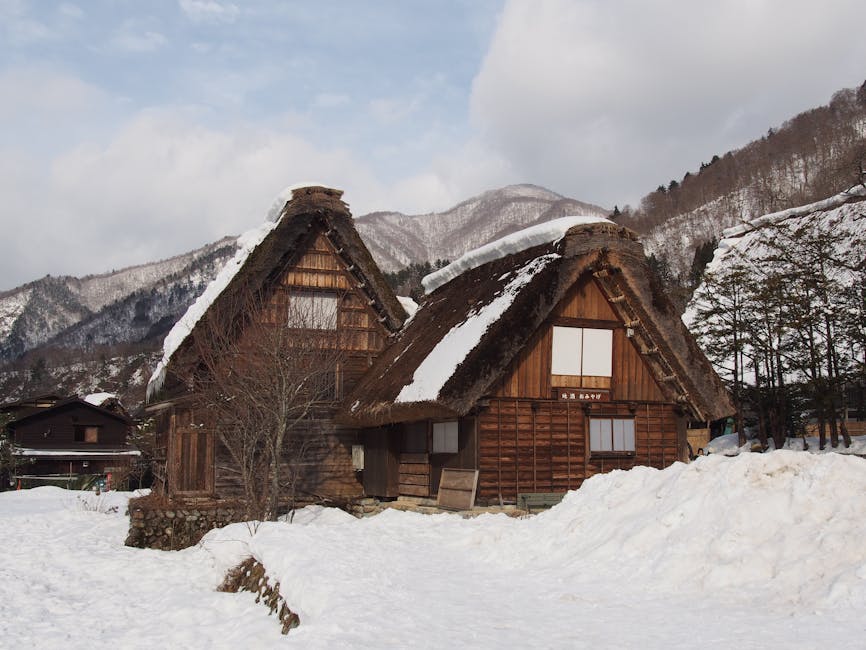
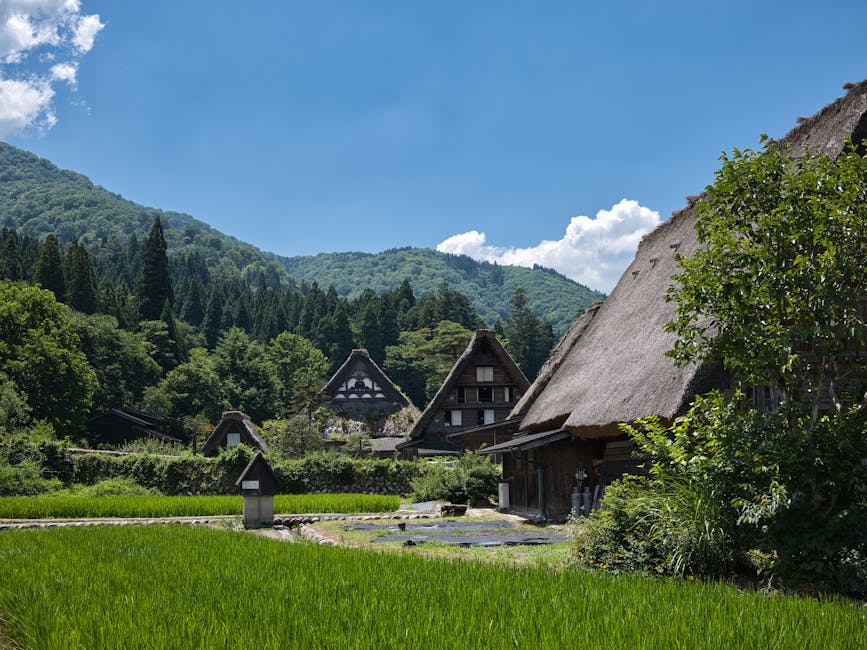
Nestled in the Japanese Alps, these UNESCO World Heritage villages showcase traditional gassho-zukuri architecture—those distinctive steep-roofed houses that look like hands pressed together in prayer.
Takayama’s Hidden Charms
Takayama feels like stepping into feudal Japan, complete with sake breweries, traditional ryokans, and morning markets selling local crafts. The old town district preserves Edo-period buildings so well that you’ll expect samurai to walk around the corner.
The city’s location makes it perfect for day trips to smaller villages. Local buses connect to even more remote locations where tourism hasn’t quite discovered yet.
Shirakawa-go’s Fairytale Setting
This village looks exactly like those Japan travel posters, except it’s real and somehow even more beautiful. The traditional farmhouses, some over 250 years old, still house local families who maintain the thatched roofs using centuries-old techniques.
Winter transforms the village into a snow-globe scene, while spring brings cherry blossoms and fewer crowds. Summer offers hiking opportunities in the surrounding mountains.
The JR Pass covers most transportation to the region, making it budget-friendly for rail travelers.
Pro Tip: Stay overnight in a traditional farmhouse if your budget allows. The experience of sleeping on tatami mats while listening to mountain silence is worth the splurge.

Coastal Treasures: Kumano Kodo Pilgrimage Routes
These sacred walking paths through the Kii Peninsula offer some of Japan’s most spectacular hiking, combining ancient spirituality with stunning coastal and mountain scenery. UNESCO recognized these routes alongside Spain’s Camino de Santiago—they’re that special.
Choosing Your Route
Multiple trails exist, from half-day walks to multi-day pilgrimages. The Nakahechi route offers the best combination of accessibility and authentic experience for first-time visitors.
Ancient shrines dot the landscape, some dating back over 1,000 years. The paths themselves have been walked by emperors, monks, and pilgrims seeking spiritual enlightenment. Today, they offer something equally valuable: escape from modern life’s constant noise.
Villages along the routes provide traditional accommodation and meals. Many hosts speak limited English, but their warmth transcends language barriers. I’ve never experienced hospitality quite like what these communities offer.
Guided hiking tours are available for those preferring structured experiences.
Pro Tip: Obtain a “dual pilgrim” credential to officially document your journey. It’s free and makes a unique souvenir that actually means something.
Urban Hidden Gems: Lesser-Known City Districts
Even major cities harbor secret neighborhoods that most tourists miss entirely. These districts offer authentic local life without the tourist-trap prices.
Tokyo’s Kagurazaka District
This former geisha district maintains its traditional charm while embracing modern French influences. Narrow cobblestone alleys hide excellent restaurants, traditional shops, and intimate bars where locals actually hang out.
The area comes alive after dark when paper lanterns illuminate the streets. Unlike Shinjuku’s overwhelming neon assault, Kagurazaka offers sophisticated evening entertainment that doesn’t require earplugs.
Osaka’s Sumiyoshi District
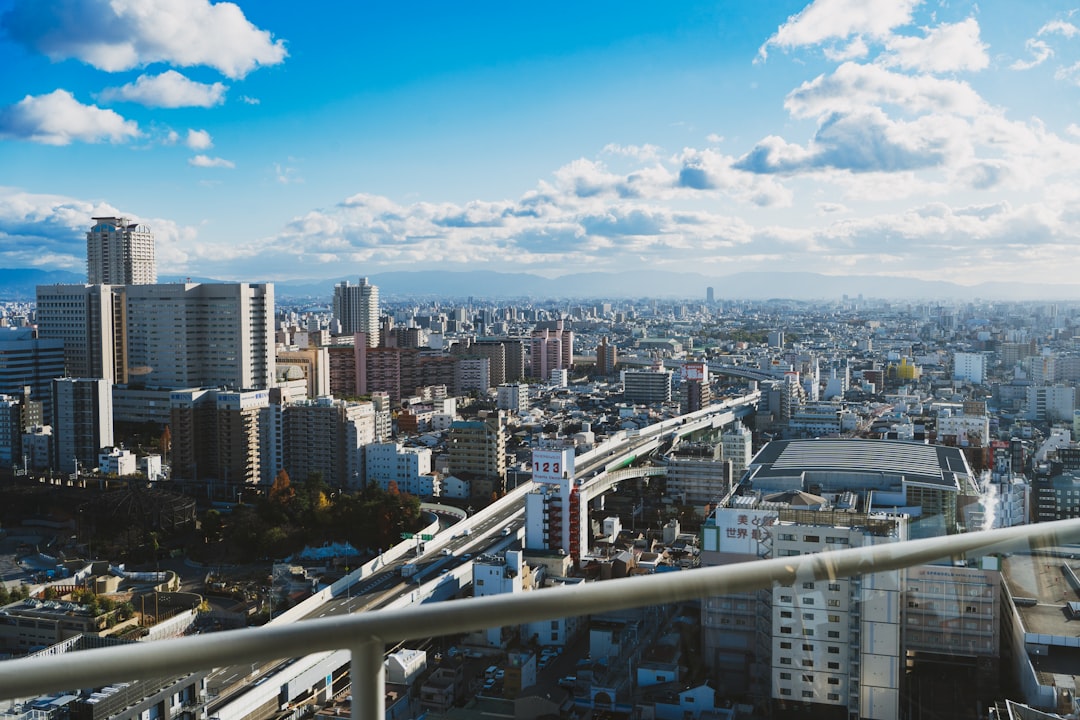
Home to one of Japan’s oldest Shinto shrines, this residential area showcases everyday Osaka life. Local shopping streets, family-run restaurants, and the impressive Sumiyoshi Taisha shrine create an authentic urban experience.
The shrine’s unique architectural style predates Chinese influence on Japanese design. Its bright red bridges and white buildings create stunning photos without the crowds of more famous temples.
Pro Tip: Visit urban hidden gems on weekend mornings when locals are running errands. You’ll see authentic daily life and find the best local breakfast spots.
Planning Your Hidden Gems Japan Adventure
Successfully exploring Japan’s off-the-beaten-path destinations requires more preparation than hitting the major tourist sites. However, the extra effort pays off with experiences that most visitors never encounter.
Transportation Strategy
Remote locations often require multiple transportation modes. Research connections in advance, especially for islands and mountain villages where schedules are limited.
Consider renting a car for maximum flexibility in rural areas. Japanese GPS systems work well, and international driving permits are accepted. Just remember that traffic flows on the left side—learned that lesson the embarrassing way.
Accommodation Considerations
Hidden gems often have limited accommodation options. Book traditional ryokans or guesthouses well in advance, especially during peak seasons.
Many remote locations offer unique staying experiences: temple lodgings, farmhouse stays, or traditional merchant houses. These often include meals and provide cultural immersion that hotels can’t match.
Consider travel insurance that covers remote area activities, especially if planning hiking or island hopping.
Pro Tip: Learn basic Japanese phrases beyond “arigato gozaimasu.” In remote areas, even attempting the language opens doors and hearts in remarkable ways.
Cultural Etiquette for Off-the-Beaten-Path Travel
Rural Japan maintains stricter traditional customs than urban areas. Understanding these expectations enhances your experience and shows respect for local communities.
Photography rules become more important in smaller communities. Always ask permission before photographing people, and be especially respectful around religious sites and traditional ceremonies.
Gift-giving customs matter more in intimate settings. Bringing small souvenirs from your home country creates positive interactions and memorable exchanges with locals.
Dining etiquette becomes crucial when staying in traditional accommodations. Your hosts may prepare elaborate meals using local specialties—showing appreciation for their efforts is essential.
Making the Most of Your Hidden Gems Journey
Japan’s secret spots reward travelers who approach them with curiosity, respect, and flexibility. Unlike checklist tourism, these destinations invite deeper exploration and genuine cultural exchange.
The memories you’ll create in places where English menus don’t exist and Google Maps gets confused will outlast any souvenir. These are the stories that make people want to hear about your Japan trip years later.
Most importantly, these hidden gems remind us why we travel in the first place: to discover something new about the world and ourselves. Japan’s off-the-beaten-path destinations deliver both in abundance.
Start planning your 2026 adventure to these incredible hidden gems. Your future self will thank you for choosing the road less traveled—especially when that road leads through some of the most beautiful and welcoming places on Earth.
Frequently Asked Questions
📚 Related Articles
How much Japanese do I need to know for visiting hidden gems?
Basic phrases help enormously, but you can navigate with translation apps and gestures. Download Google Translate offline and learn “sumimasen” (excuse me), “arigatou gozaimasu” (thank you), and “eigo ga dekimasu ka?” (do you speak English?). Locals appreciate any effort to speak Japanese.
Are Japan’s hidden gems suitable for families with children?
Many hidden gems work well for families, especially mountain villages and art islands. However, some pilgrimage routes and remote hiking areas are better suited for older children. Research specific locations and consider children’s walking abilities and attention spans.
What’s the best time of year to visit Japan’s off-the-beaten-path destinations?
Spring (April-May) and autumn (September-November) offer the best weather and scenery. However, summer provides hiking opportunities and fewer crowds in mountain areas. Winter transforms places like Shirakawa-go into magical snow-covered wonderlands.
How far in advance should I book accommodation in hidden gem locations?
Book 2-3 months ahead for popular periods like cherry blossom season and autumn colors. Some remote locations have very limited accommodation, so earlier booking is safer. Traditional ryokans and unique stays fill up fastest.
Can I use credit cards in Japan’s remote areas?
Cash is king in rural Japan. Many small businesses, traditional accommodations, and local restaurants only accept cash. Withdraw money from 7-Eleven ATMs before heading to remote areas, as local banks may not accept foreign cards.
🗺️ Area Map
🗺️ Interactive Map
Watch Before You Go
Watch Before You Go: 10 Unique Japan Travel Spots – Hidden Gems & Off-The-Beaten-Track Locations For Your Next Trip
What Travelers Say
“Japan’s most rewarding experiences often lie beyond the neon-lit streets of Tokyo and the temple trails of Kyoto. From the art islands of the Seto Inland Sea to the pristine forests of Yakushima, these lesser-known destinations offer authentic glimpses into Japan’s diverse cultural and natural heritage.”
“Skip the crowds in Kyoto and head to Takayama instead – it’s like stepping back in time! The traditional ryokans here are half the price of the famous ones, and you’ll actually get to interact with locals instead of just other tourists.”
コメント