📰 Latest News & Updates
- Indians are changing travel plans amid global disruptions; Thailand, Sri Lanka, Japan see surge in bookings — The Times of India, 2026-03-30
- Matt Bomer Japan Trip, Losing His Passport: Guest Column — Hollywood Reporter, 2026-03-24
- I’ve traveled beyond Japan’s popular Tokyo-Kyoto-Osaka route. There are 4 day trips I’d actually recommend. — Business Insider, 2026-03-20
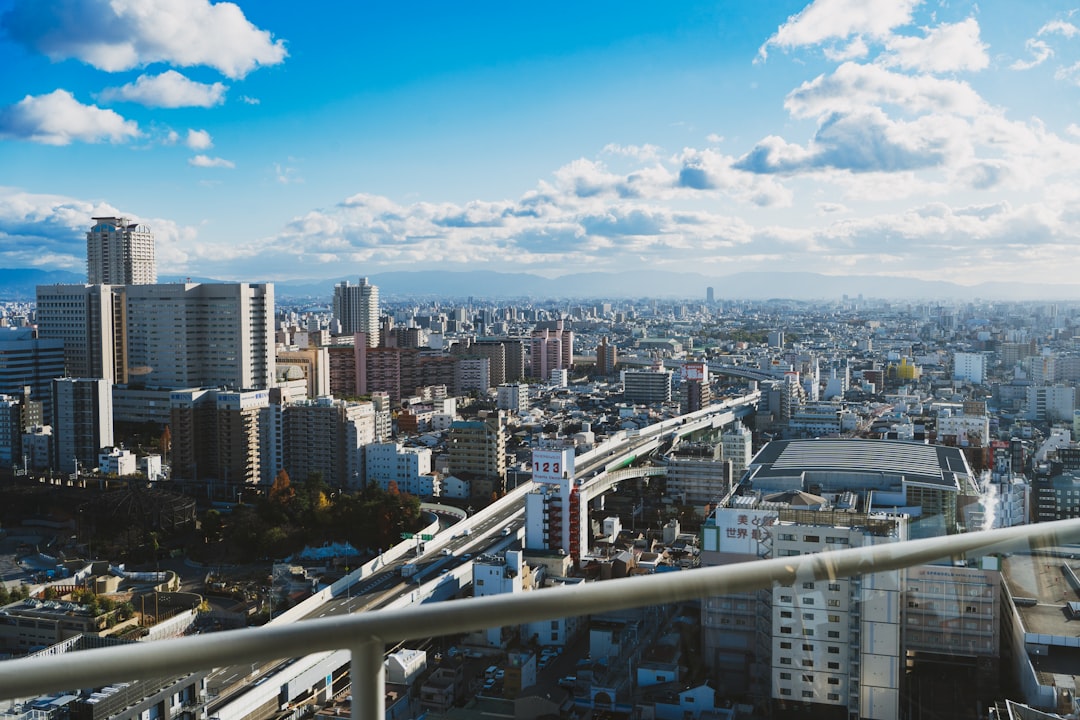
When I first moved to Osaka, I thought I’d seen everything after hitting up Dotonbori and Universal Studios. Boy, was I wrong. The real magic happens when you venture beyond the city limits — and trust me, you’re in for some spectacular surprises that’ll make your Instagram followers question whether you’ve discovered a secret Japan.
The best day trips from Osaka range from UNESCO World Heritage sites to floating shrines that look like they’re straight out of a Studio Ghibli film. However, navigating these options can feel overwhelming when you’re juggling train schedules and trying to pronounce destination names correctly.
| Quick Facts: Best Day Trips from Osaka | Details |
|---|---|
| Top Distance | 2 hours by train (Hiroshima) |
| Closest Trip | 30 minutes (Nara) |
| Best Transportation | JR Pass or regional day passes |
| Peak Season | Spring (cherry blossoms) & Fall (autumn leaves) |
| Budget Range | ¥2,000-¥8,000 per person per day |
- Miyajima Island: The Floating Torii Gate Experience
- Nara: Ancient Capital and Deer Park Adventures
- Kyoto: Traditional Culture Within Easy Reach
- Mount Koya: Sacred Buddhist Mountain Retreat
- Himeji Castle: Japan’s Most Spectacular Castle
- Wakayama and Kuroshio Market: Coastal Flavors
- Essential Transportation Tips for Day Trips
- Planning Your Perfect Day Trip Itinerary
- 🗺️ Area Map
- Watch Before You Go
- What Travelers Say
Miyajima Island: The Floating Torii Gate Experience
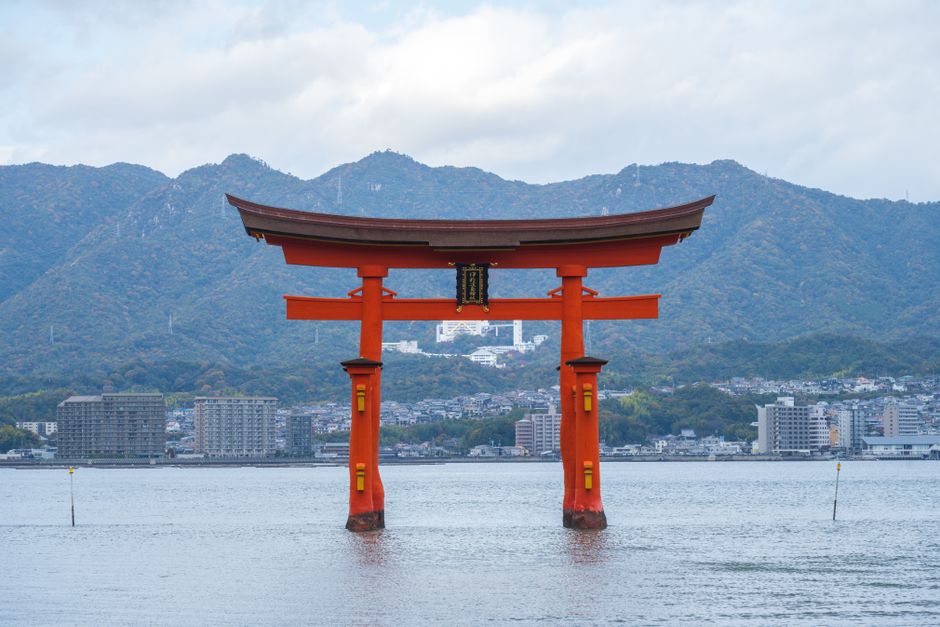
Let’s start with the showstopper — Miyajima Island and its famous floating torii gate. Located about 2 hours from Osaka, this isn’t technically a quick trip, but it’s absolutely worth the early morning start.
The iconic orange gate of Itsukushima Shrine appears to float on water during high tide. I made the rookie mistake of arriving at low tide during my first visit, wondering why everyone was walking around in the mud taking photos. The magic happens when the tide rolls in, transforming the entire scene into something mystical.
Getting There and What to Expect
Take the shinkansen to Hiroshima, then transfer to local trains and finally a ferry to reach the island. The journey itself becomes part of the adventure, especially when you realize the deer on Miyajima are even more assertive than their Nara cousins about your snacks.
Plan to spend 4-6 hours exploring the island. Besides the shrine, don’t miss trying the local specialty — momiji manju (maple leaf-shaped cakes). They’re touristy but delicious, and watching them being made is oddly mesmerizing.
Pro Tip: Check tide schedules before visiting. The floating effect is best about 3 hours before and after high tide. Apps like “Tide Graph” will become your new best friend.
For organized tours that handle all the logistics, Viator offers excellent day trips that include transportation and guide services from Osaka.
Nara: Ancient Capital and Deer Park Adventures
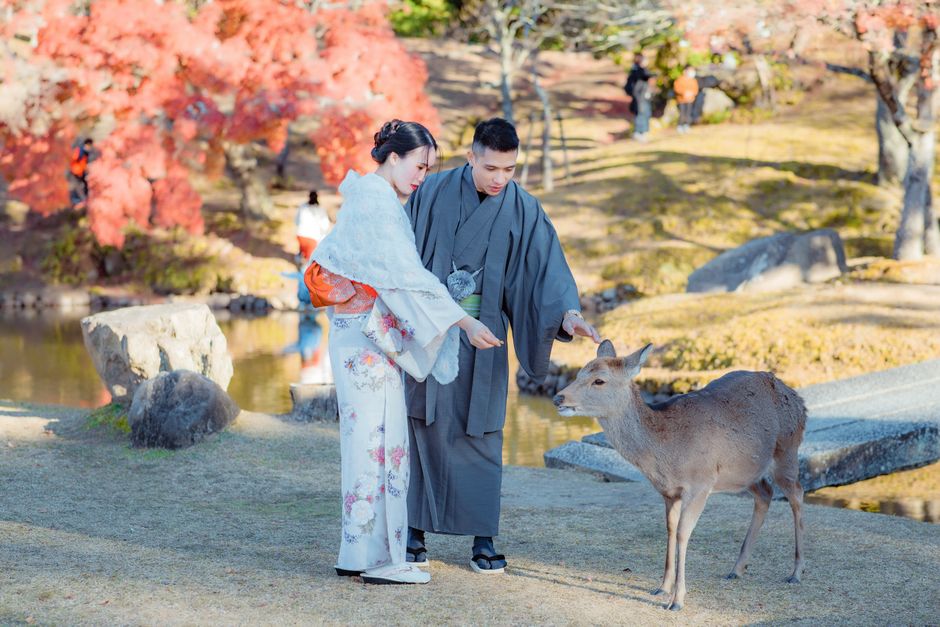
Just 45 minutes from Osaka lies Nara, Japan’s first permanent capital and home to some seriously spoiled deer. These aren’t just any deer — they’re considered sacred messengers of the gods, and they know it.
Nara Park houses over 1,000 free-roaming deer who have mastered the art of tourist manipulation. They’ll bow politely for deer crackers, then immediately become aggressive negotiators if you’re holding out on them. I’ve watched grown adults run screaming from a persistent doe demanding snacks — it’s both hilarious and slightly terrifying.
Must-See Temples and Cultural Sites
Todaiji Temple houses the Great Buddha, a bronze statue so massive it makes you feel like an ant. The temple building itself is one of the world’s largest wooden structures. Walking inside creates this overwhelming sense of ancient history that photos simply can’t capture.
Kasuga Taisha Shrine features thousands of stone and bronze lanterns lining its pathways. During Lantern Festivals in February and August, all 3,000 lanterns are lit simultaneously, creating an otherworldly atmosphere.
Spring brings cherry blossoms to Yoshino-yama, just south of Nara city. This mountain claims 30,000 cherry trees across four elevation levels, meaning extended blooming seasons compared to single-location spots.
Pro Tip: Buy deer crackers from official vendors only. The deer can tell the difference between official crackers and random snacks, and they get genuinely offended by knockoffs.
Kyoto: Traditional Culture Within Easy Reach
Kyoto deserves more than a day trip, but if you’re pressed for time, it’s doable from Osaka in about an hour. The challenge isn’t getting there — it’s choosing what to skip, because you definitely can’t see everything.
Focus on one district to avoid becoming a stressed-out temple-hopping zombie. Gion district offers the best chance of spotting geishas (though please don’t chase them for photos — they’re working professionals, not tourist attractions).
Temple Hopping Strategy
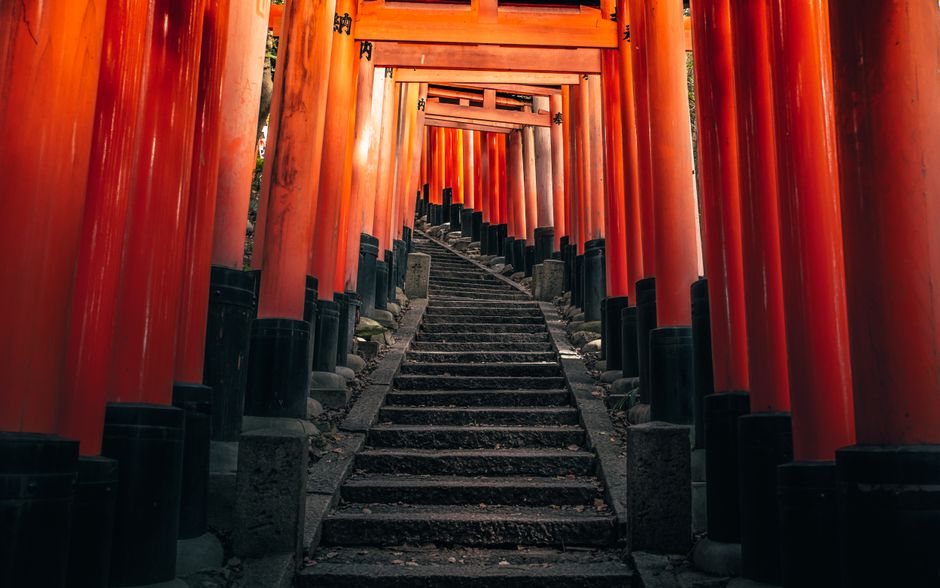
Start early at Fushimi Inari Shrine with its thousands of bright orange torii gates creating tunnels up the mountainside. The full hike takes 2-3 hours, but even the first section delivers Instagram-worthy shots.
Alternatively, visit Kiyomizu-dera Temple for panoramic city views, especially stunning during autumn when maple trees explode in reds and oranges. The temple’s famous wooden stage extends 13 meters over the hillside without using a single nail in its construction.
For a more zen experience, try Ryoan-ji Temple’s famous rock garden. Fifteen stones are arranged so you can never see all of them from any single viewing angle — a metaphor for life’s incomplete perspectives that becomes surprisingly profound after staring at rocks for twenty minutes.
Pro Tip: Skip the bamboo grove at Arashiyama on weekends unless you enjoy being part of a slow-moving human traffic jam. Visit on weekday mornings for the peaceful experience you’re actually seeking.
GetYourGuide offers skip-the-line temple tours that maximize your limited day-trip time in Kyoto.
Mount Koya: Sacred Buddhist Mountain Retreat
Mount Koya (Koyasan) offers a completely different Japanese experience — spiritual, serene, and surprisingly accessible from Osaka. This sacred Buddhist site sits 800 meters above sea level, creating cooler temperatures and mystical morning mists.
The journey involves trains, a cable car, and buses, but it’s all covered by the convenient Koyasan World Heritage Ticket. The complex transportation might seem daunting, but it’s actually part of the pilgrimage experience — a gradual transition from urban chaos to mountain tranquility.
Temples and Spiritual Experiences
Kongobu-ji Temple serves as Shingon Buddhism’s headquarters. The temple’s rock garden is Japan’s largest, featuring 140 granite stones representing dragons emerging from clouds. Unlike Kyoto’s famous rock garden, this one tells a complete story when viewed from the main hall.
Okunoin Cemetery contains over 200,000 graves and monuments stretching along a 2-kilometer path through towering cedar trees. The atmosphere is simultaneously peaceful and otherworldly, especially in early morning when mist drifts between ancient tombstones.
Many visitors opt for shukubo (temple lodging) experiences, but day trips work perfectly for getting a taste of monastic life. Temple meals (shojin ryori) are available to day visitors at several locations — elaborate vegetarian cuisine that proves Buddhist monks definitely know their way around vegetables.
Pro Tip: Bring layers even in summer. Mountain temperatures can be 5-10 degrees cooler than Osaka, and early morning temple visits can feel surprisingly chilly.
Himeji Castle: Japan’s Most Spectacular Castle
Himeji Castle stands as Japan’s finest original castle, earning its UNESCO World Heritage status through sheer architectural brilliance. Located just 1 hour from Osaka, it’s nicknamed “White Heron Castle” for its elegant white appearance and graceful lines.
This castle survived World War II bombing, earthquakes, and centuries of political upheaval. Walking through its original wooden interior feels like time travel, complete with steep stairs designed to slow attacking enemies (and modern tourists carrying too much camera equipment).
Castle Grounds and Seasonal Beauty
The castle complex features intricate defensive systems including maze-like pathways, hidden gates, and strategic blind spots. What looks like a straight path to the main keep actually involves multiple turns and elevation changes designed to confuse invaders.
Spring transforms the castle grounds into one of Japan’s premier cherry blossom viewing spots. Over 1,000 sakura trees create a pink and white symphony that perfectly frames the castle’s architecture. However, expect crowds during peak bloom — apparently everyone else figured out this combination is pretty spectacular too.
The adjacent Kokoen Garden features nine separate Edo-period style gardens, each with distinct themes and seasonal highlights. These aren’t ancient gardens, but rather modern reconstructions built on former samurai residence sites, proving that traditional Japanese garden design principles create timeless beauty regardless of age.
Pro Tip: Castle visits involve lots of stairs and removing shoes frequently. Wear slip-on shoes and consider bringing socks without holes — you’ll be taking shoes off more often than at a yoga class.
Wakayama and Kuroshio Market: Coastal Flavors
Sometimes the best day trips focus on food rather than temples, and Wakayama delivers serious coastal cuisine just 1 hour south of Osaka. The city offers ocean views, fresh seafood, and a more relaxed pace that feels like a vacation from your vacation.
Kuroshio Market serves as the main attraction, featuring incredibly fresh seafood, tuna cutting demonstrations, and the kind of sushi that spoils you for anywhere else. Watching tuna auctions and preparation shows how much skill goes into creating perfect sashimi — it’s like a delicious educational experience.
Wakayama Castle and Coastal Views
Wakayama Castle might not match Himeji’s grandeur, but its hilltop position provides excellent city and ocean views. The castle museum houses samurai artifacts and local history exhibits that help contextualize the region’s importance during feudal times.
The castle’s surrounding park becomes particularly beautiful during plum blossom season (February-March), when white and pink ume flowers bloom before the more famous cherry blossoms. It’s like getting a preview of spring while everyone else waits for sakura season.
Marina City features an artificial island with shopping, dining, and Wakayama’s answer to theme parks. While not traditionally Japanese, the European-style Porto Europa theme park creates surreal photo opportunities — because sometimes you want Dutch windmills with your Japanese coastal views.
Pro Tip: Time your visit around tuna cutting shows at Kuroshio Market (usually 11:30 AM, 1:00 PM, and 3:00 PM). The demonstrations are fascinating, and samples often follow the educational portion.
Essential Transportation Tips for Day Trips
Getting around Japan efficiently requires some planning, but the transportation system works so well it makes other countries’ train systems look like amateur hour. The trains are so punctual I started questioning my entire relationship with being “fashionably late.”
The JR Pass covers most destinations mentioned here, making it invaluable for multiple day trips. Purchase your JR Pass before arriving in Japan for significant savings over individual tickets.
Money-Saving Pass Options
Regional day passes often provide better value than JR Pass for single destinations. The Kansai Area Pass covers Osaka, Kyoto, Nara, and surrounding areas for consecutive days. Calculate costs based on your specific itinerary rather than assuming JR Pass always wins.
IC cards (like ICOCA) work on virtually all public transportation and many vending machines. Load money once, then tap your way around the region without fumbling for exact change or buying individual tickets.
Some destinations like Mount Koya offer special combination tickets covering trains, cable cars, and buses. These packages simplify complex journeys while providing modest savings over individual purchases.
Timing and Seasonal Considerations
Peak seasons (cherry blossom and autumn leaves) create crowds but also spectacular scenery. Book accommodations and tours well in advance for travel during these periods. Shoulder seasons often provide better weather than you’d expect with significantly fewer crowds.
Summer heat and humidity can make outdoor sightseeing challenging, especially at places like Fushimi Inari’s mountain trails. Early morning starts become essential rather than just recommended during July and August.
Winter illuminations at temples and shrines create magical atmospheres often overlooked by tourists focused on spring visits. Many destinations look completely different under snow, offering unique photographic opportunities for 2026 travel planning.
Pro Tip: Download Google Translate app with offline Japanese before traveling. The camera translation feature works surprisingly well for reading train station signs and restaurant menus when you’re away from reliable internet.
Before embarking on multiple day trips, ensure you have proper travel insurance coverage. SafetyWing provides comprehensive coverage for international travelers, including Japan travel-specific situations.
Planning Your Perfect Day Trip Itinerary
Creating realistic day trip schedules prevents the exhausted tourist shuffle that plagues overly ambitious itineraries. Choose one primary destination per day rather than attempting to combine multiple locations — trust me, you’ll enjoy the experience more when you’re not constantly watching train schedules.
Start early to maximize daylight hours and avoid crowds at popular spots. Most temples and attractions open around 6:00-8:00 AM, giving early risers peaceful experiences before tour groups arrive. The morning light also provides better photography conditions for those Instagram shots.
Build buffer time into your schedule for unexpected discoveries. Some of my favorite Japanese experiences happened when I had time to explore random side streets, try hole-in-the-wall restaurants, or chat with locals who offered directions and ended up sharing travel recommendations.
Weather contingency planning becomes crucial for outdoor destinations like Miyajima or Mount Koya. Have indoor backup options ready, because nothing ruins a day trip quite like being unprepared for sudden rain showers (which happen more frequently than weather apps predict).
Finally, remember that day trips from Osaka offer just a taste of each destination. Consider these excursions as scouting missions for future longer visits rather than comprehensive explorations. Japan rewards repeat visits with deeper cultural understanding and hidden discoveries that only emerge through multiple experiences.
The best day trips from Osaka combine accessibility with authentic Japanese experiences, whether you’re seeking spiritual enlightenment, historical education, or simply spectacular scenery. Each destination offers unique perspectives on Japanese culture, from ancient Buddhism to feudal castle architecture to coastal culinary traditions. However, the real magic happens in those unplanned moments between scheduled stops — the conversations with friendly locals, the unexpected festival procession, or the perfect sunset view that no guidebook mentioned.
📚 Related Articles
How early should I start my day trips from Osaka?
Start between 7:00-8:00 AM for most destinations. This timing helps you avoid crowds, maximize daylight hours, and catch the first trains when they’re less crowded. For distant locations like Miyajima, consider leaving as early as 6:30 AM to make the most of your day.
Which day trip offers the best value for money?
Nara provides excellent value with its 45-minute travel time, affordable transportation, and free deer park access. The main expenses are temple entrance fees (¥300-¥600 each) and food. You can easily have a full day experience for under ¥3,000 per person including transportation.
Can I visit multiple destinations in one day?
While technically possible for close destinations like Nara and Kyoto, it’s not recommended. You’ll spend more time traveling than exploring, and you’ll miss the peaceful, immersive experiences that make these places special. Focus on one destination per day for better experiences.
Do I need to book tours in advance or can I travel independently?
Independent travel works well for most destinations using Japan’s excellent public transportation. However, organized tours can be valuable for complex routes like Mount Koya or when you want cultural context from knowledgeable guides. Book tours 2-3 days in advance during peak seasons.
What should I pack for day trips from Osaka?
Pack comfortable walking shoes, weather-appropriate layers, portable phone charger, IC card or cash for transportation, and a small backpack. Bring hand towel and tissues (many public restrooms don’t provide them). Don’t forget your camera and patience for the incredible experiences ahead!
🗺️ Area Map
🗺️ Interactive Map
Watch Before You Go
Watch Before You Go: These 9 DAY TRIPS from Osaka are EASY! (Go beyond)
What Travelers Say
“Kyoto remains the crown jewel of day trips from Osaka, just 45 minutes away by train and packed with over 2,000 temples and shrines. Don’t miss the iconic Fushimi Inari shrine with its thousands of vermillion torii gates, or the serene bamboo groves of Arashiyama.”
“Nara was absolutely magical – seeing the deer roam freely around Todaiji Temple was like stepping into a fairy tale! The train ride from Osaka only took about 40 minutes and cost less than $5. Just bring some deer crackers and prepare to be amazed by these gentle creatures bowing for treats.”
コメント