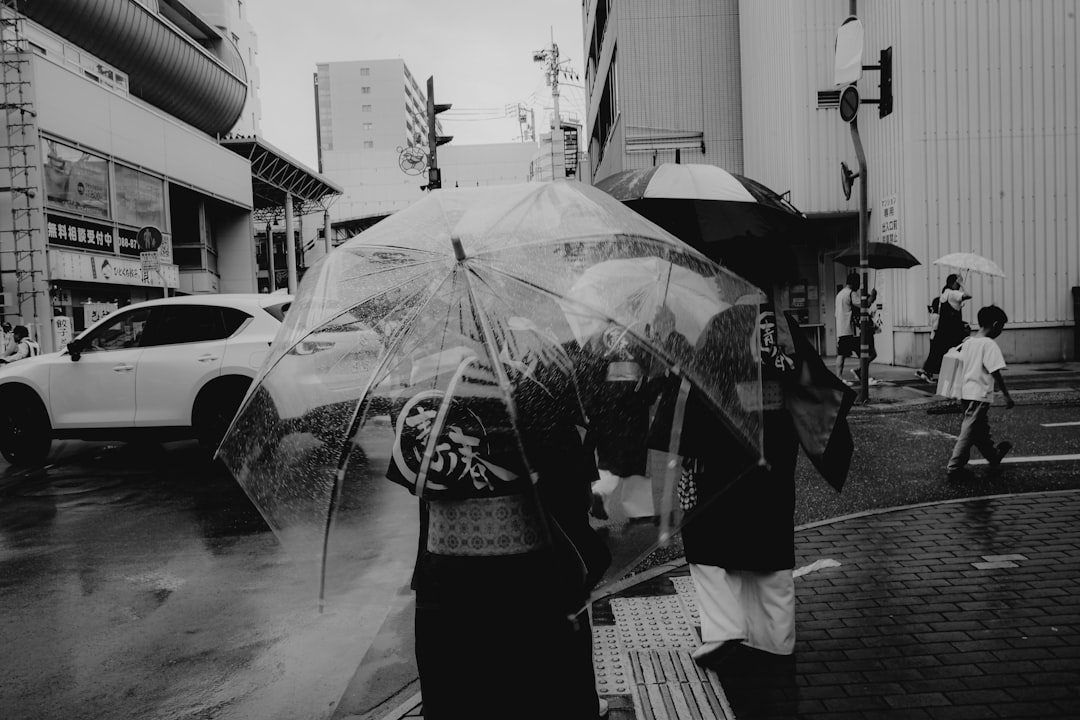
When I first planned my Japan trip during typhoon season, I was convinced I’d made the biggest travel blunder since someone invented airline food. Spoiler alert: it turned out to be one of my most memorable adventures. Yes, you’ll get wet. Yes, you’ll learn that umbrellas are basically decorative items in 80mph winds. But you’ll also discover a side of Japan that most tourists never see.
| Quick Facts: Japan Typhoon Season | |
|---|---|
| Peak Season | June – October |
| Busiest Months | August – September |
| Average Typhoons per Year | 25-30 (only 3-4 hit Japan directly) |
| Best Months to Visit | June, early July, late October |
| Travel Insurance | Essential for typhoon season |
- When Is Typhoon Season in Japan?
- Understanding Japan’s Typhoon Patterns
- Essential Safety Tips for Typhoon Season Japan Travel
- Transportation During Japan’s Typhoon Season
- Surprising Advantages of Visiting Japan During Typhoon Season
- What to Pack for Typhoon Season Japan Travel
- Regional Differences: Where to Go During Typhoon Season
- Making the Most of Stormy Days in Japan
- Final Thoughts: Embracing Japan’s Wild Weather
- 🗺️ Area Map
- Watch Before You Go
- What Travelers Say
When Is Typhoon Season in Japan?
Japan’s typhoon season officially runs from May through November, but the real action happens between June and October. Think of it as nature’s dramatic performance schedule — early summer brings the opening acts, while August and September deliver the headliners.
Monthly Breakdown
June-July: The season’s gentle introduction. Typhoons are less frequent and usually weaker. However, this period overlaps with rainy season (tsuyu), so pack accordingly.
August-September: Prime time for typhoon drama. These months see the strongest storms and highest activity. For example, September typically experiences 3-5 typhoons approaching Japan.
October: The season’s grand finale. Storms are less common but can still pack a punch. Early October might surprise you with intense weather.
Pro Tip: Check the Japan Meteorological Agency website before booking. They provide detailed forecasts and historical data to help you plan smarter.

Understanding Japan’s Typhoon Patterns
Not all typhoons are created equal, and understanding the patterns helps you travel more confidently. Most typhoons follow predictable paths, moving north from the Philippines toward Japan’s southern islands.
Regional Impact Differences
Southern Japan (Okinawa, Kyushu) takes the brunt of typhoon activity. These areas experience direct hits more frequently than northern regions. Tokyo and central Japan see fewer direct impacts but still face heavy rain and wind.
Northern Japan (Tohoku, Hokkaido) rarely experiences severe typhoon conditions. By the time storms reach these areas, they’ve usually weakened significantly.
That said, even “weak” typhoons can disrupt transportation across the entire country. I learned this lesson when a distant storm canceled my shinkansen to Kyoto — apparently bullet trains don’t appreciate crosswinds.
Pro Tip: Download the JMA (Japan Meteorological Agency) app for real-time typhoon tracking. It’s more accurate than international weather services for Japan-specific conditions.

Essential Safety Tips for Typhoon Season Japan Travel
Traveling during typhoon season requires preparation, but it’s not as scary as social media makes it seem. Japanese infrastructure is incredibly typhoon-resilient — these storms are part of normal life here.
Before You Go
- Purchase comprehensive travel insurance that covers natural disasters and trip cancellations
- Book flexible accommodations with free cancellation policies
- Pack waterproof gear including a quality rain jacket and waterproof phone case
- Download offline maps and translation apps
- Research indoor backup activities for each destination
During Your Trip
Monitor weather forecasts daily and sign up for emergency alerts if your phone supports them. Keep emergency cash on hand since ATMs might be temporarily unavailable during storms.
Stay in sturdy accommodations — Japanese hotels and ryokans are built to withstand typhoons. Avoid camping or staying in flimsy structures during active weather warnings.
Pro Tip: Convenience stores (konbini) are your typhoon survival allies. Stock up on water, snacks, and phone chargers before storms hit. These stores often stay open when everything else closes.

Transportation During Japan’s Typhoon Season
Japan’s transportation system handles typhoons with impressive efficiency, but disruptions are inevitable. Understanding the system helps you adapt quickly when plans change.
Train and Shinkansen Services
JR (Japan Railways) prioritizes passenger safety above schedules. Trains typically suspend service when wind speeds exceed 25 meters per second. The famous punctuality takes a backseat to safety — and honestly, this might be the only time you’ll see Japanese trains running late.
Shinkansen (bullet trains) are particularly sensitive to crosswinds. Services often suspend hours before typhoons arrive as a precaution. Keep flexible JR Pass reservations during typhoon season.
Flight Considerations
Airports close during severe weather, sometimes for 12-24 hours. Book flights with major carriers that offer better rebooking options. Narita and Haneda airports provide regular updates on their websites and social media.
Consider booking flights with longer layovers during peak typhoon months. That three-hour connection might save your international journey when storms cause delays.
Pro Tip: Follow @JREast_official and @narita_airport on Twitter for real-time transportation updates in English. They’re faster than most news sources.
Surprising Advantages of Visiting Japan During Typhoon Season
Here’s the plot twist nobody tells you: typhoon season offers unique advantages that make the weather risks worthwhile. I’ve experienced some of my most magical Japan moments during this supposedly “terrible” time to visit.
Fewer Crowds and Better Deals
Tourist numbers drop significantly during typhoon season, especially in August and September. Popular attractions that normally require advance booking become walk-in friendly. Hotel prices can drop 30-50% compared to peak seasons.
I once had Fushimi Inari’s famous torii gates practically to myself during a light typhoon — try getting that shot in spring or autumn! The dramatic skies actually made for incredible photography.
Unique Cultural Experiences
Typhoons bring out Japanese resilience and community spirit. You’ll witness how efficiently the country responds to natural challenges. Local festivals might move indoors, creating intimate cultural experiences impossible during normal weather.
Rainy days mean more time in museums, temples, and traditional buildings. Some of Japan’s most beautiful architecture is designed to be appreciated during storms — the sound of rain on temple roofs is genuinely meditative.
Pro Tip: Book indoor cultural experiences like tea ceremonies or cooking classes as backup activities. They’re often more available during typhoon season.
What to Pack for Typhoon Season Japan Travel
Packing for typhoon season requires strategy beyond just throwing rain gear in your suitcase. The goal is staying comfortable while remaining flexible for weather changes.
Essential Weather Gear
- Quality rain jacket: Skip cheap ponchos that turn into parachutes in wind
- Waterproof phone case: Your lifeline for maps and translation apps
- Quick-dry clothing: Cotton takes forever to dry in humid conditions
- Waterproof shoes or boots: Your feet will thank you
- Compact umbrella: For light rain (accept that strong winds will defeat it)
Smart Packing Tips
Pack electronics in waterproof bags within your luggage. Bring extra phone chargers and portable batteries — power outages are rare but possible.
Include warm layers even in summer. Typhoons can drop temperatures significantly, and air conditioning in shelters can be aggressive.
Pro Tip: Japanese convenience stores sell excellent rain gear, but sizes run small. If you wear large or extra-large, bring your own equipment from home.
Regional Differences: Where to Go During Typhoon Season
Different regions of Japan experience varying typhoon impacts. Choosing your destinations strategically can minimize weather disruptions while maximizing your travel experience.
Lower Risk Destinations
Northern Japan: Tohoku and Hokkaido see minimal typhoon impact. Sapporo, Sendai, and surrounding areas offer excellent alternatives during peak typhoon months.
Central Mountains: Inland areas like Takayama, Matsumoto, and the Japan Alps experience less severe weather than coastal regions.
Higher Risk Areas
Okinawa: Beautiful but typhoon-prone. Visit in October or November for better weather odds.
Southern Kyushu: Kagoshima and southern areas face frequent typhoon approaches. However, the region’s hot springs (onsen) are perfect for stormy weather relaxation.
That said, don’t completely avoid higher-risk areas. Some of my best Japan travel memories come from weathering storms in traditional ryokans while listening to rain and wind outside.
Pro Tip: Book indoor cultural tours in advance for high-risk regions. Having confirmed activities reduces weather-related stress.
Making the Most of Stormy Days in Japan
When typhoons do hit, Japan transforms into a cozy, indoor wonderland. Museums become refuges, shopping centers turn into cultural experiences, and every restaurant feels like a discovery.
Indoor Activity Ideas
Tokyo’s massive underground shopping networks become fascinating worlds during storms. Shinjuku and Tokyo Station’s underground areas are like subterranean cities complete with restaurants, shops, and entertainment.
Department store basement food courts (depachika) offer incredible culinary adventures. Sample regional specialties while staying completely dry.
Traditional bathhouses (sento) and hot springs provide ultimate storm comfort. There’s something magical about soaking in hot water while rain pounds outside.
Museums and art galleries often extend hours during severe weather. Use the time for cultural deep-dives usually rushed during perfect weather days.
Pro Tip: Many temples and shrines offer meditation sessions and cultural programs during bad weather. Check with local tourist information centers for special typhoon-season activities.
Final Thoughts: Embracing Japan’s Wild Weather
Typhoon season Japan travel isn’t for everyone, but it shouldn’t scare away adventurous travelers. You’ll gain unique perspectives on Japanese culture, enjoy fewer crowds, and likely save money on accommodations.
The key is flexibility and preparation. Accept that plans will change, pack appropriately, and maintain travel insurance. Most importantly, remember that typhoons are part of Japan’s natural rhythm — locals adapt gracefully, and you can too.
Some of my most treasured Japan memories happened during storms: sharing shelter with friendly locals, discovering hidden indoor gems, and experiencing the country’s impressive disaster preparedness firsthand. Mother Nature might crash your outdoor plans, but she can’t dampen the incredible experiences waiting in this remarkable country.
Ready to brave the storms for authentic Japan travel experiences? With proper planning and the right mindset, typhoon season might just become your favorite time to visit Japan in 2026 and beyond.
📚 Related Articles
Is it safe to travel to Japan during typhoon season?
Yes, Japan is very well-prepared for typhoons with excellent infrastructure and warning systems. Follow official advisories, stay in sturdy accommodations, and avoid outdoor activities during active storms. Japanese buildings are constructed to withstand typhoons safely.
Will my flight be canceled due to typhoons?
Flight cancellations are possible during severe typhoons, typically lasting 12-24 hours. Book with major airlines offering flexible rebooking policies, consider travel insurance, and avoid tight connection times during peak typhoon months (August-September).
What happens to trains during typhoons in Japan?
JR suspends train services when wind speeds exceed 25 meters per second for safety reasons. Services typically resume within hours after storms pass. Keep flexible reservations and monitor JR East’s official social media for real-time updates.
Should I cancel my Japan trip if a typhoon is forecast?
Not necessarily. Most typhoons affect Japan for only 1-2 days, and the country recovers quickly. With flexible bookings and indoor backup activities, you can still have an excellent trip. Consider trip insurance for peace of mind.
What are the best indoor activities during typhoons in Japan?
Excellent indoor options include museums, department store basement food courts (depachika), underground shopping areas, hot springs (onsen), temples with cultural programs, and traditional experiences like tea ceremonies or cooking classes.
🗺️ Area Map
🗺️ Interactive Map
Watch Before You Go
Watch Before You Go: Perfect Guide to Japan in September & Octber – No One Tells You About
What Travelers Say
“Japan’s typhoon season typically runs from May through October, with peak activity between August and September. While these storms can disrupt travel plans, most pass quickly and shouldn’t deter visitors who remain flexible with indoor alternatives and monitor weather forecasts closely.”
“Visited Tokyo during typhoon season in September and honestly, it wasn’t as bad as expected. Yes, we had one day of heavy rain that kept us indoors exploring museums, but the city handles storms incredibly well and transport resumed normally the next day.”
コメント