📰 Latest News & Updates
- A Tour of the Best Contemporary Art Museums in Japan — Robb Report, 2026-03-07
- Hopes for saving the Greek-Orthodox Orphanage on Prinkipo, Constantinople (video-photos) — Protothema.gr, 2026-03-03
Picture this: you’re having the time of your life in Japan when suddenly you need medical attention. Your mind races faster than a Tokyo bullet train, and you’re wondering how on earth to navigate the Japanese healthcare system as a tourist. Take a deep breath—I’ve been there, and I’m here to walk you through everything you need to know about hospitals in Japan for tourists.
| Quick Facts | Details |
|---|---|
| Emergency Number | 119 (ambulance) |
| Tourist Hotline | 050-3816-2787 (24/7 English) |
| Insurance Coverage | Travel insurance essential |
| Payment Method | Cash preferred, some cards accepted |
| English Support | Major hospitals in Tokyo, Osaka, Kyoto |
- Understanding Japan’s Healthcare System for Tourists
- Emergency Procedures: What to Do When Things Go Wrong
- Best Hospitals in Japan for English-Speaking Tourists
- Costs and Insurance: The Financial Reality Check
- Preparing for Medical Needs: Prevention is Better Than Panic
- Cultural Etiquette: Being a Respectful Patient
- Conclusion: Stay Calm and Carry Travel Insurance
- 🗺️ Area Map
- Watch Before You Go
- What Travelers Say
Understanding Japan’s Healthcare System for Tourists
Japan boasts one of the world’s best healthcare systems, but as a tourist, you’re essentially a VIP guest without membership privileges. The good news? The quality of care is exceptional. The slightly overwhelming news? The system operates differently than what most Western visitors expect.
First things first: Japan has universal healthcare, but tourists aren’t covered unless they have proper travel insurance or pay out of pocket. When I first needed medical attention in Kyoto, I learned this lesson the expensive way—more on that later.
Pro Tip: Download the “Tourist Hotline” app before you travel. It provides 24/7 English support and can connect you with medical interpreters instantly.
Public vs Private Hospitals
Public hospitals offer excellent care at lower costs but often have longer wait times. Private hospitals typically provide faster service and more English-speaking staff, especially in tourist areas. However, private care comes with a premium price tag that’ll make your wallet weep.

Emergency Procedures: What to Do When Things Go Wrong
Medical emergencies don’t wait for convenient timing, and they certainly don’t care if you’re jet-lagged and confused about which train station you’re near. Here’s your step-by-step emergency action plan.
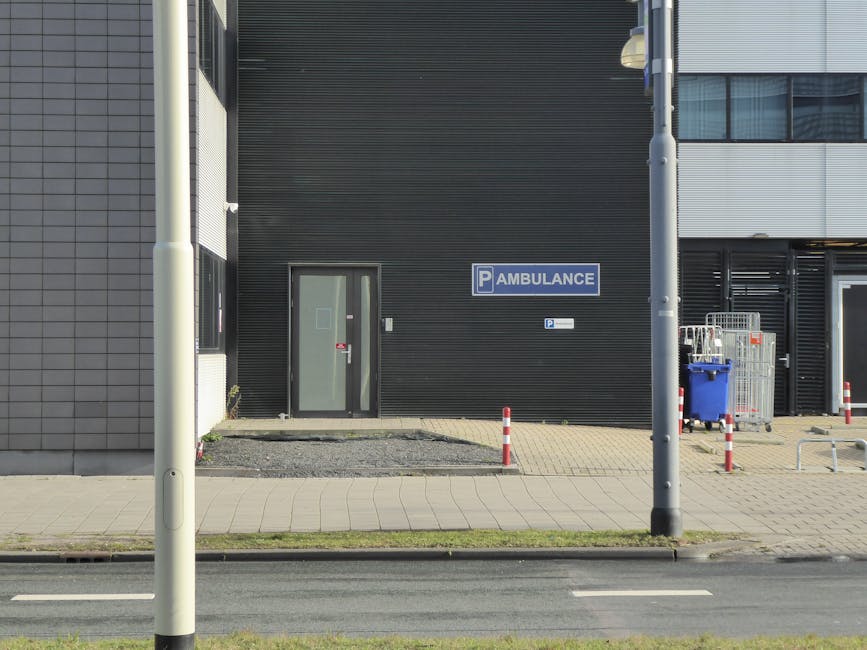
- Call 119 for ambulances (it’s free, even for tourists)
- Say “Kyukyu-sha onegaishimasu” (ambulance please)
- Provide your location in Japanese if possible
- Show your passport and travel insurance documents
- Contact your travel insurance provider immediately
The ambulance service in Japan is incredibly efficient. They’ll take you to the nearest appropriate hospital, not necessarily the one you prefer. Trust me, when you’re in pain, you’ll appreciate their expertise over your tourist preferences.
Pro Tip: Keep your hotel’s business card with you always. The address in Japanese characters will help emergency responders locate you quickly.
Language Barriers in Emergencies
Yes, the language barrier is real, but don’t let it paralyze you with fear. Most hospitals in major cities have some English-speaking staff or access to medical interpreters. Emergency medical situations have a universal urgency that transcends language—medical professionals are trained to assess and treat based on symptoms.

Best Hospitals in Japan for English-Speaking Tourists
Not all hospitals are created equal when it comes to accommodating international visitors. After extensive research (and unfortunately, some personal experience), here are the top choices for English-speaking tourists.
Tokyo Area
Tokyo offers the most tourist-friendly medical facilities in Japan. St. Luke’s International Hospital stands out as the gold standard for foreign visitors, with excellent English support and international insurance acceptance. However, be prepared for Tokyo pricing—even medical care comes with that capital city premium.
The International Clinic also deserves mention for routine care and minor emergencies. They’re specifically designed for expatriates and tourists, making the entire process surprisingly smooth.
Osaka and Kyoto Region
Osaka University Hospital provides excellent emergency care with reasonable English support. Meanwhile, Kyoto’s medical scene relies heavily on the Kyoto University Hospital, though English support can be more limited than Tokyo options.
Pro Tip: Many hospitals require appointments even for minor issues. Don’t assume you can walk in for non-emergency care like you might back home.

Costs and Insurance: The Financial Reality Check
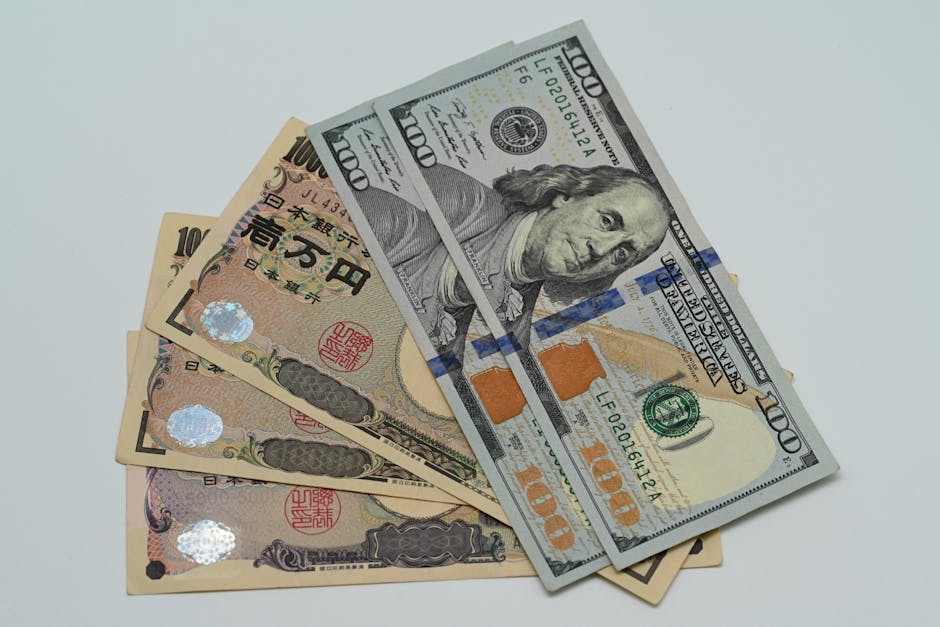
Here’s where I share my expensive learning experience. Medical care in Japan can cost significantly more for tourists than locals. A simple emergency room visit can easily run 20,000-50,000 yen ($150-400) before any treatment begins.
Travel insurance isn’t just recommended—it’s absolutely essential. I once met a tourist who needed surgery and faced a bill exceeding 500,000 yen. His comprehensive travel insurance from SafetyWing covered everything, transforming a financial disaster into merely an inconvenient story.
Payment Methods
Cash remains king in Japanese healthcare. While major hospitals increasingly accept credit cards, smaller clinics often operate on cash-only policies. Keep adequate yen available—medical emergencies won’t wait for you to find an ATM.
Most hospitals require payment upfront or deposit before treatment. Travel insurance with direct billing arrangements can eliminate this stressful requirement.
Preparing for Medical Needs: Prevention is Better Than Panic
Smart preparation can transform a potential medical crisis into a manageable inconvenience. Start your preparation before you even book your flight to Japan.
Essential Documentation
Create a medical information packet in both English and Japanese. Include your medical history, current medications, allergies, and emergency contacts. Many hotels offer translation services, or you can prepare this through online translation tools.
Keep digital copies of everything in cloud storage. Phone theft or loss shouldn’t compound your medical emergency.
Medication Considerations
Japan has strict medication regulations. Some common Western medications are completely prohibited. Research your prescriptions’ legality and bring official documentation. The Japanese embassy website provides comprehensive medication guidelines for 2026 travel.
Pro Tip: Bring extra prescription medications in original packaging. Japanese pharmacies can’t fill foreign prescriptions, and getting new prescriptions requires doctor visits.
Cultural Etiquette: Being a Respectful Patient
Japanese medical facilities operate with different cultural expectations than Western hospitals. Understanding basic etiquette will improve your experience and ensure respectful interaction with medical staff.
Remove shoes when required—many medical facilities provide slippers. Bow slightly when greeting medical staff. Keep conversations quiet and phones on silent mode. These small gestures demonstrate respect for Japanese medical culture.
Hospital food in Japan deserves special mention—it’s surprisingly good compared to Western hospital cuisine. Yes, the portions might seem small, but the quality and presentation will likely exceed your expectations.
Family and Visitor Policies
Japanese hospitals often have stricter visiting hours and policies than Western facilities. Large groups of visitors aren’t welcomed, and overnight stays by family members are less common. Plan accordingly if you’re traveling with companions.
Conclusion: Stay Calm and Carry Travel Insurance
Needing hospital care in Japan as a tourist isn’t ideal, but it’s absolutely manageable with proper preparation. The healthcare quality is world-class, the staff is professional, and systems exist specifically to help international visitors navigate medical needs.
The key takeaways? Get comprehensive travel insurance, prepare your medical documentation, keep emergency numbers handy, and don’t panic. Japan’s healthcare system might operate differently than home, but it’s designed to help you recover quickly and safely.
Remember, millions of tourists visit Japan annually without medical issues. However, being prepared transforms potential disasters into manageable inconveniences. Pack your sense of adventure alongside your travel insurance—you’ll likely only need one of them, but both will serve you well in Japan.
📚 Related Articles
Do I need travel insurance for medical care in Japan?
Absolutely yes. Medical care in Japan can be extremely expensive for tourists without insurance. A comprehensive travel insurance policy is essential and can save you thousands of dollars in medical costs.
What’s the emergency number for ambulances in Japan?
Call 119 for ambulances and fire emergencies in Japan. The service is free, even for tourists. Try to have your location ready in Japanese characters if possible.
Do Japanese hospitals have English-speaking staff?
Major hospitals in Tokyo, Osaka, and Kyoto typically have some English-speaking staff or access to medical interpreters. However, don’t assume all staff will speak English fluently.
Can I use my prescription medications in Japan?
Japan has strict medication regulations. Some common Western medications are prohibited. Check the Japanese embassy website for current medication guidelines and bring official documentation for any prescriptions.
How much does hospital treatment cost in Japan for tourists?
Costs vary widely, but emergency room visits typically start at 20,000-50,000 yen ($150-400) before treatment. Serious procedures can cost hundreds of thousands of yen, making travel insurance crucial.
🗺️ Area Map
🗺️ Interactive Map
Watch Before You Go
Watch Before You Go: Japan Travel Tips | What to do if you’re sick or injured in Japan?
What Travelers Say
“Japan’s healthcare system is renowned for its efficiency and quality, with many hospitals in major cities staffing English-speaking doctors and nurses specifically to assist international visitors. Tourist-friendly facilities like St. Luke’s International Hospital in Tokyo and Raffles Medical in Osaka offer comprehensive services with multilingual support and accept international insurance.”
“Had to visit Tokyo Medical Center during my trip after a bad fall – was dreading the language barrier but was pleasantly surprised. The staff had translation apps ready and one nurse spoke decent English, plus they had English forms available. The whole process was smooth and much more affordable than I expected, even without travel insurance.”
コメント