📰 Latest News & Updates
- I’ve traveled beyond Japan’s popular Tokyo-Kyoto-Osaka route. There are 4 day trips I’d actually recommend. — Business Insider, 2026-03-20
- Meme Buildings — Misfitsarchitecture.com, 2026-03-20
- How an MBA internship led Mitsubishi to e-commerce platform Yami—and into the U.S. snacks market — Fortune, 2026-03-20
Ultimate Best Souvenirs from Japan: Your Honest Shopping Guide for 2026
Let me be brutally honest: I once spent ¥15,000 on a Hello Kitty toaster that I never used back home. That was my first lesson in Japanese souvenir shopping — not everything cute is practical, and not everything expensive is memorable.
After living in Japan for several years and making countless rookie shopping mistakes, I’ve finally cracked the code on finding the best souvenirs from Japan. These aren’t just pretty trinkets that’ll gather dust on your shelf. These are the items that’ll make your friends jealous and remind you why Japan stole your heart.
| Quick Facts: Best Souvenirs from Japan | |
|---|---|
| Best Budget Find | Kit Kat flavors (¥200-400 each) |
| Most Practical | Japanese skincare products |
| Best for Foodies | Matcha powder and wagyu jerky |
| Most Unique | Furoshiki wrapping cloths |
| Best Shopping Areas | Shibuya, Harajuku, Asakusa, Kyoto |
| Average Souvenir Budget | ¥3,000-8,000 per person |
- Delicious Food Souvenirs That Actually Travel Well
- Beauty and Skincare Products That Actually Work
- Traditional Crafts with Modern Appeal
- Tech and Gadgets That Make Life Better
- Where to Find the Best Souvenirs from Japan
- Smart Shopping Tips for Japan Souvenir Success
- Wrapping Up Your Japan Souvenir Adventure
- 🗺️ Area Map
- Watch Before You Go
- What Travelers Say
Delicious Food Souvenirs That Actually Travel Well
Food souvenirs are tricky territory. However, Japan has mastered the art of packaging treats that survive international flights better than your sleep schedule.
Kit Kat Flavors You Can’t Find Anywhere Else
Yes, I’m starting with Kit Kats, and no, I’m not ashamed. Japan has over 300 Kit Kat flavors, from matcha to sake to purple sweet potato. These aren’t just candy bars — they’re edible postcards from Japan.
The seasonal flavors are pure gold. I once brought back sakura Kit Kats in March, and my coworkers treated me like I’d discovered buried treasure. Find them at any konbini or department store basement (depachika).
Pro Tip: Buy Kit Kats at the airport for the widest selection of region-specific flavors. Tokyo Station also has an incredible Kit Kat specialty store.
Wagyu Jerky and Premium Snacks
For something more sophisticated, wagyu beef jerky is the ultimate splurge souvenir. It costs about ¥2,000 per pack, but trust me — this isn’t your gas station jerky. It’s so tender and flavorful that eating regular jerky afterward feels like a personal insult.
Matcha-flavored everything also makes the list. Real matcha powder from Uji (near Kyoto) transforms your home coffee routine. Plus, it weighs practically nothing in your suitcase.

Beauty and Skincare Products That Actually Work
Japanese skincare isn’t just hype — it’s a scientific art form. The drugstore products here put expensive Western brands to shame, and they cost a fraction of the price.
Drugstore Heroes Worth Hoarding
Hada Labo face wash and moisturizers are my go-to recommendations. They use hyaluronic acid like it’s going out of style, and your skin will thank you. A bottle costs around ¥800 and lasts months.
Japanese sunscreen is another game-changer. Brands like Biore make sunscreen that feels like silk, not cement. I stock up on these every visit because going back to Western sunscreen feels like punishment.
Pro Tip: Don Quijote (24-hour discount chain) has the best prices on beauty products. Their Shibuya location is a wonderland of affordable Japanese cosmetics.
Face Masks for Everyone
Sheet masks are lightweight, affordable, and universally appreciated gifts. Japanese face masks range from basic hydrating formulas to wild ingredients like snail mucin (yes, really, and yes, it works).
Buy them in bulk at Matsumoto Kiyoshi drugstores. A pack of five quality masks costs about ¥1,000, making them perfect for spreading the Japan love among friends.

Traditional Crafts with Modern Appeal
Traditional Japanese crafts strike the perfect balance between authentic culture and practical beauty. These souvenirs tell a story while serving a purpose.
Furoshiki Wrapping Cloths
Furoshiki are traditional wrapping cloths that double as scarves, bag alternatives, or wall art. They’re sustainable, beautiful, and endlessly versatile. Plus, they take up zero suitcase space when folded.
Modern furoshiki come in stunning designs — from traditional cherry blossoms to contemporary geometric patterns. They typically cost ¥1,500-3,000 and showcase Japanese artistry perfectly.
Chopsticks That Aren’t Touristy Garbage
Skip the plastic chopsticks with your name badly engraved on them. Instead, invest in beautiful wooden or lacquered chopsticks from a proper craft store. Kyoto’s traditional shopping districts have incredible options.
Look for chopsticks made from local woods like zelkova or cherry. They feel substantial, age beautifully, and remind you of amazing Japanese meals every time you use them.
Pro Tip: Book a traditional craft workshop to create your own pottery or chopsticks — you’ll have a souvenir plus an unforgettable experience.

Tech and Gadgets That Make Life Better
Japan’s relationship with technology borders on the mystical. Even their simple gadgets solve problems you didn’t know you had.
Stationery That Sparks Joy
Japanese stationery isn’t just functional — it’s an experience. Pens that write like butter, erasers that actually erase completely, and notebooks with paper so smooth it’s almost therapeutic.
Pilot and Zebra pens, Tombow erasers, and Hobonichi planners are cult favorites worldwide. Visit Loft or Tokyu Hands for the full stationery wonderland experience. Preparing to spend hours there is wise.
Bento Boxes and Food Storage Solutions
Japanese lunch boxes aren’t just containers — they’re engineering marvels. Multi-compartment bento boxes keep foods separate, seal perfectly, and make every lunch feel special.
Modern versions come with heating elements, insulation systems, and designs so cute you’ll want to show them off. They typically cost ¥2,000-5,000 and upgrade your lunch game permanently.
Pro Tip: Department store basement levels (depachika) often have cooking demonstrations where you can see bento boxes in action before buying.
Where to Find the Best Souvenirs from Japan
Location matters enormously when souvenir shopping in Japan. The right spots offer better selection, prices, and authenticity than tourist traps.
Tokyo’s Shopping Powerhouses
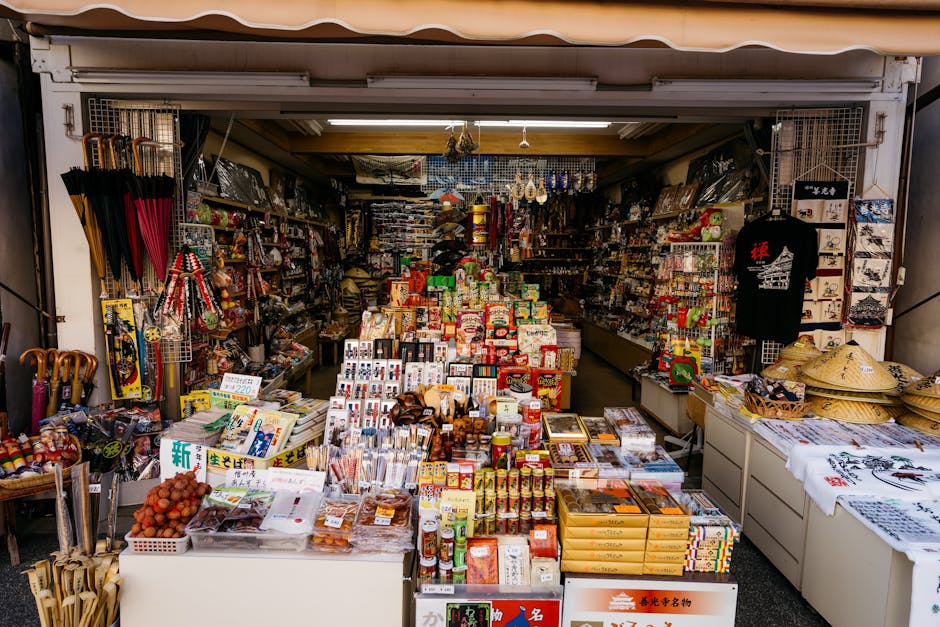
Shibuya and Harajuku offer everything from traditional crafts to cutting-edge fashion. However, the real treasure is Asakusa, where traditional shops sell authentic items alongside tourist favorites.
For foodie souvenirs, Tokyo Station’s depachika (basement food courts) are unbeatable. Every major department store basement is a curated wonderland of Japanese treats.
Kyoto’s Traditional Shopping Streets
Kyoto’s Gion and Pontocho districts offer authentic traditional crafts. The prices are higher, but the quality and authenticity justify the investment. This is where you find heirloom-quality items.
Nishiki Market in Kyoto is perfect for food souvenirs. The 400-year-old market specializes in local specialties and has vendors who understand international shipping requirements.
Pro Tip: Many traditional shops in Kyoto offer tax-free shopping for purchases over ¥5,000. Bring your passport and save 8-10% on major purchases.
Smart Shopping Tips for Japan Souvenir Success
Strategic shopping makes the difference between amazing finds and expensive mistakes. These tips come from years of trial and very expensive error.
Timing Your Purchases
Buy fragile items early and ship them home through Japan Post. Their international shipping is reliable, reasonably priced, and saves precious suitcase space for last-minute finds.
Save heavy food items for your final days. Airport security is strict, but most packaged foods are allowed in carry-on luggage.
Budget-Friendly Shopping Strategies
Set a souvenir budget before you start shopping. Japan’s cute factor can destroy financial discipline faster than you can say “kawaii.”
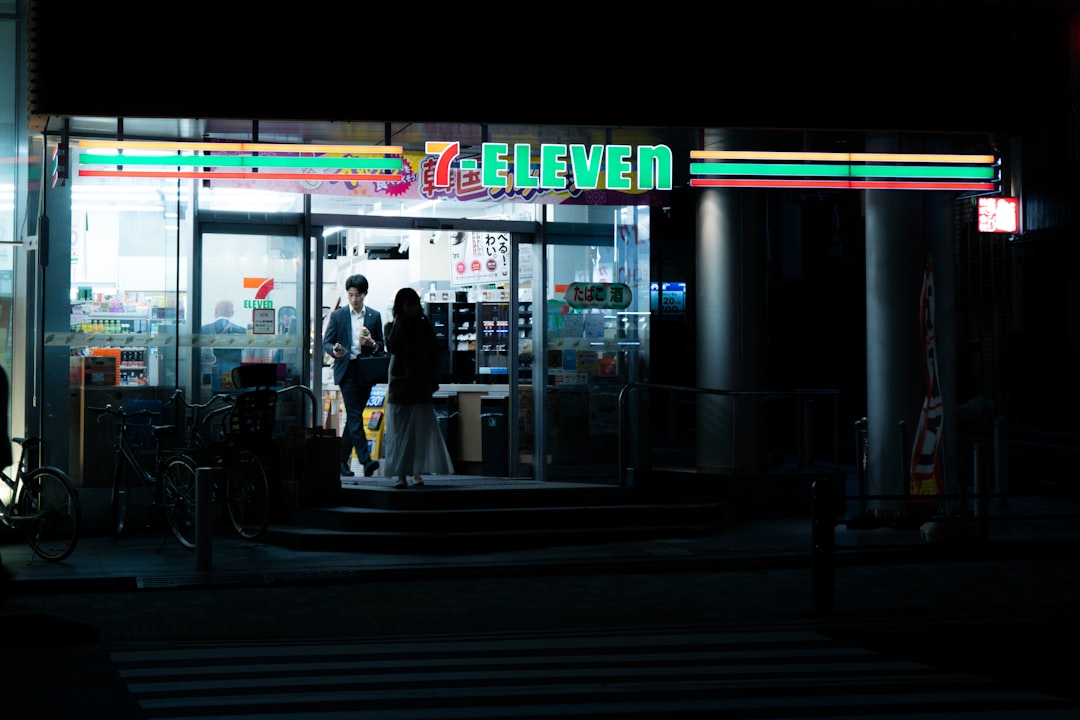
Don Quijote, 100-yen shops, and konbini offer surprisingly good souvenir options at fraction of department store prices. The quality difference is often minimal, but the savings are substantial.
Pro Tip: Download the tax-free shopping app “Tax Free Shop” to find participating stores and track your purchases for maximum savings.
Wrapping Up Your Japan Souvenir Adventure
The best souvenirs from Japan aren’t necessarily the most expensive or obviously “Japanese.” They’re items that capture the spirit of your journey and bring genuine joy long after you’ve returned home.
Focus on quality over quantity. One beautiful furoshiki cloth or amazing skincare product beats a dozen generic trinkets. Your future self (and your suitcase) will thank you.
Remember that the stories behind your souvenirs matter as much as the items themselves. That matcha Kit Kat becomes special when you remember sharing it with a new friend in Shibuya. That’s the real magic of Japanese souvenir shopping.
Most importantly, don’t stress about finding the “perfect” souvenir. Japan’s greatest gift is the experience itself. Everything else is just a beautiful reminder of an incredible journey.
What’s the best budget for souvenirs in Japan?
Plan ¥3,000-8,000 per person for a good variety of souvenirs. This covers several food items, a few practical products, and one special traditional craft. Budget travelers can find great options for ¥2,000, while luxury shoppers might spend ¥15,000 or more.
Can I ship souvenirs home from Japan?
Yes! Japan Post offers reliable international shipping. Surface mail takes 2-3 months but costs much less than airmail. Many department stores also offer international shipping services. Just bring your passport and allow extra time for paperwork.
Are airport souvenir prices much higher than city shops?
Airport prices are typically 20-30% higher, but the selection is often better for region-specific items like Kit Kat flavors. For basic souvenirs, shop in the city. For unique flavors and last-minute gifts, airports are worth the premium.
What souvenirs should I avoid buying in Japan?
Avoid mass-produced “Made in China” items with Japanese branding, overpriced electronics that are cheaper elsewhere, and anything too fragile for travel without proper shipping. Also skip items that might have customs issues in your home country.
Do I need to declare Japanese food souvenirs at customs?
Yes, always declare food items. Most packaged snacks and processed foods are allowed, but rules vary by country. Fresh fruits, vegetables, and meat products are typically prohibited. Check your country’s customs website before traveling.
🗺️ Area Map
🗺️ Interactive Map
Watch Before You Go
Watch Before You Go: 10 Must-Buy Japanese Souvenirs Recommended by Locals
What Travelers Say
“Japanese craftsmanship shines through in traditional souvenirs like handmade ceramics from regional kilns, artisanal knives from Sakai, and authentic furoshiki wrapping cloths. These items represent centuries of cultural heritage and make for meaningful gifts that tell a story long after your trip ends.”
“Don’t overlook the food souvenirs – I brought back matcha Kit Kats, regional sake, and beautifully packaged mochi that you can’t find anywhere else. The packaging alone is so elegant that my friends kept the boxes even after eating everything!”
コメント