📰 Latest News & Updates
- A boost for festive tourism — The Star Online, 2026-03-17
Halal Food Japan Guide: Your Complete Roadmap to Muslim-Friendly Dining
When I first landed in Japan as a Muslim traveler, I’ll admit I was slightly terrified about finding halal food. My pre-trip research had me convinced I’d be surviving on convenience store rice balls for two weeks. Spoiler alert: I was wonderfully, deliciously wrong. Japan’s halal food scene has exploded in recent years, and navigating it as a Muslim visitor is far easier than you might think.
This comprehensive halal food Japan guide will walk you through everything you need to know about eating halal while exploring the Land of the Rising Sun. From certified restaurants to handy apps, I’ve got your back (and your stomach) covered.
| Aspect | Details |
|---|---|
| Halal Restaurants | 500+ certified halal restaurants nationwide |
| Best Cities for Halal | Tokyo, Osaka, Kyoto, Hiroshima |
| Halal Certification | Japan Halal Association (JHA), MUI, JAKIM |
| Prayer Facilities | Major airports, train stations, and tourist areas |
| Best Apps | Halal Gourmet Japan, HalalTrip, Salam Web |
- Understanding Japan’s Halal Food Landscape
- Top Halal Restaurants by City
- Essential Apps and Resources for Muslim Travelers
- Navigating Japanese Supermarkets for Halal Ingredients
- Prayer Facilities and Mosque Locations
- Cultural Tips for Muslim Travelers in Japan
- Planning Your Halal Japan Itinerary for 2026
- 🗺️ Area Map
- Watch Before You Go
- What Travelers Say
Understanding Japan’s Halal Food Landscape
Japan’s relationship with halal food has transformed dramatically over the past decade. What started as a niche market has blossomed into a genuine movement, driven by Japan’s growing tourism industry and increasing Muslim population. The country welcomed over 32 million tourists in 2019, and with projections looking strong for 2026, Japan is doubling down on Muslim-friendly infrastructure.
The Japan Halal Association (JHA) has been instrumental in this growth, certifying restaurants and educating businesses about halal requirements. You’ll find their certification logo – a green circle with Arabic script – displayed proudly in restaurant windows across the country.
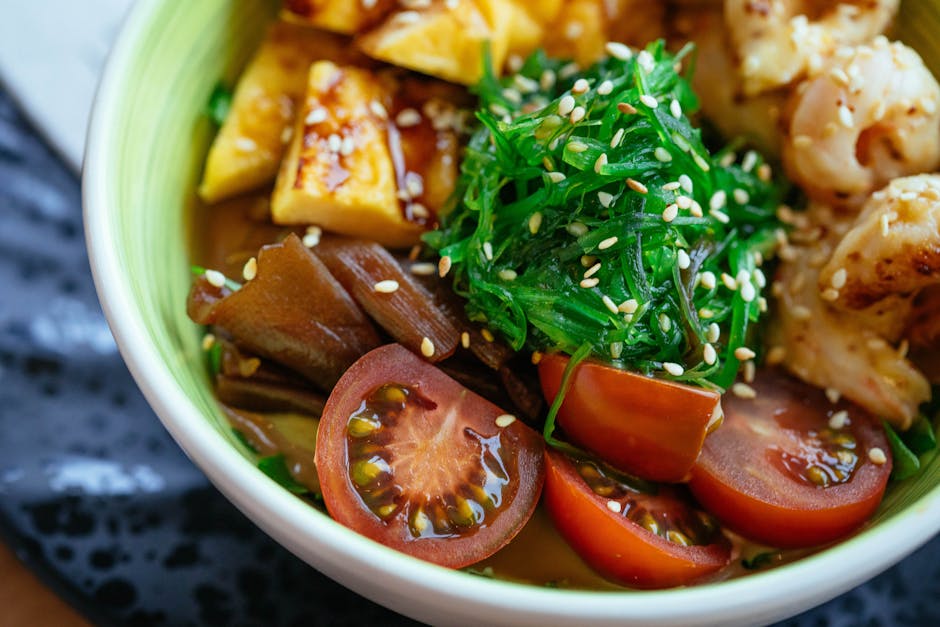
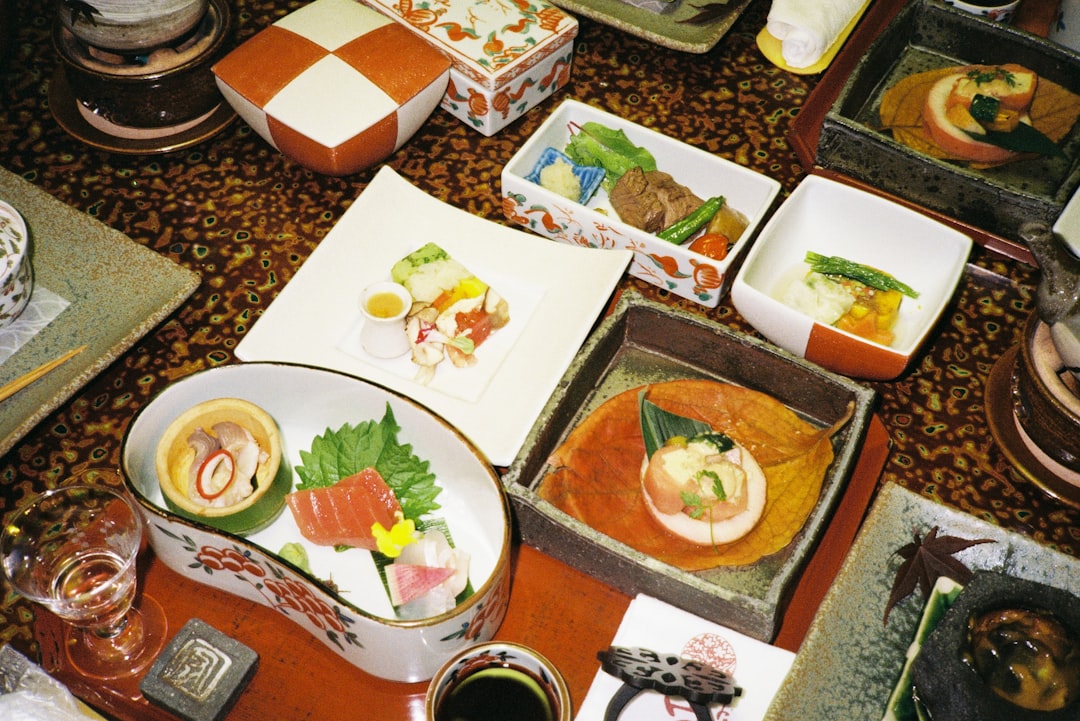
What surprised me most wasn’t just the number of halal options, but the quality. We’re talking about halal wagyu beef, perfectly prepared halal ramen, and even halal versions of traditional kaiseki meals. Trust me, your taste buds won’t feel like they’re missing out.
Pro Tip: Download the Halal Gourmet Japan app before you arrive. It’s a game-changer for finding certified restaurants near your location, complete with photos, reviews, and prayer time reminders.

Top Halal Restaurants by City
Tokyo: The Halal Capital
Tokyo leads Japan’s halal revolution with over 200 certified restaurants. Shibuya and Shinjuku are particular hotspots, but you’ll find excellent options throughout the city.
Must-try Tokyo spots:
- Nabezo (Multiple locations): All-you-can-eat halal yakiniku that’ll ruin you for regular BBQ forever
- Gyumon (Shibuya): Halal wagyu that’s worth every yen of your Japan travel budget
- Sekai no Yamazaki (Akihabara): The only place where you can eat halal while surrounded by anime figurines
- Honolu (Shibuya): Halal ramen so good, I questioned whether I’d been living life wrong before trying it
Osaka: Street Food Heaven
Osaka’s food scene is legendary, and the halal options don’t disappoint. The city has embraced halal certification with enthusiasm, especially in tourist-heavy areas like Dotonbori.
Osaka favorites:
- Ganko Sushi (Halal branch): Yes, halal sushi exists and it’s spectacular
- Daruma (Halal location): Halal kushikatsu in the city that invented it
- Mizuno (Halal version): Okonomiyaki that’ll make you understand why Osakans are so proud of their food
Kyoto: Traditional Meets Halal
Finding halal food while temple-hopping in Kyoto used to be a challenge. Not anymore. The ancient capital now offers beautiful halal options that respect both Islamic dietary laws and Japanese culinary traditions.
Pro Tip: Book a Kyoto halal food walking tour to discover hidden gems while learning about the city’s history from local guides.

Essential Apps and Resources for Muslim Travelers
Technology is your best friend when navigating Japan’s halal food scene. Here are the apps that saved my trip (and my stomach) multiple times:
- Halal Gourmet Japan: The gold standard app with real-time updates and user reviews
- HalalTrip: Great for finding restaurants, mosques, and prayer facilities
- Salam Web: Comprehensive database with detailed restaurant information
- Qibla Connect: Prayer times and direction finder that works offline
- Google Translate: Essential for communicating dietary restrictions in Japanese
I also recommend joining Facebook groups like “Muslims in Japan” and “Halal Food Japan” where fellow travelers share real-time updates and recommendations.

Navigating Japanese Supermarkets for Halal Ingredients
If you’re staying in accommodations with kitchen facilities, Japanese supermarkets can be your halal goldmine – once you know what to look for. Major chains like AEON and Don Quijote now stock halal-certified products, usually in dedicated international sections.
What to look for:
- Products with the JHA certification logo
- Imported goods from Muslim-majority countries
- Seafood (generally safe, but check preparation methods)
- Fresh fruits and vegetables (obviously halal, but great for healthy snacking)
The ingredient labels can be intimidating at first – attempting to decode Japanese food labels is like trying to crack an ancient code while hungry. But most major allergens and ingredients are listed in English on packaged foods now.
Pro Tip: Learn to recognize key Japanese characters: 豚 (pork), 酒 (alcohol), and ハラール (halal). Screenshot these characters for quick reference while shopping.
Prayer Facilities and Mosque Locations
Maintaining your prayer schedule while exploring Japan is easier than you might expect. Major transportation hubs and tourist areas increasingly offer prayer facilities, and there are several mosques in major cities.
Key prayer facilities:
- Haneda and Narita Airports: Both have dedicated prayer rooms
- Tokyo Station: Multi-faith prayer room on the first floor
- Kansai International Airport: Prayer facilities in multiple terminals
- Major department stores: Many now include prayer spaces
Notable mosques:
- Tokyo Camii (Tokyo): Japan’s largest mosque, absolutely stunning architecture
- Kobe Muslim Mosque (Kobe): Historic mosque with rich community history
- Sendai Mosque (Sendai): Great resource for travelers heading to northern Japan
Many mosques also have community boards with local halal restaurant recommendations – insider knowledge you won’t find in any guidebook.
Cultural Tips for Muslim Travelers in Japan
Japanese hospitality (omotenashi) extends beautifully to accommodating religious dietary needs, but a little cultural awareness goes a long way. When I explained my dietary restrictions to restaurant staff, their genuine desire to help was touching – even if it sometimes involved animated gesturing and Google Translate sessions.
Helpful phrases to learn:
- “Watashi wa Muslim desu” (I am Muslim)
- “Halal tabemono arimasu ka?” (Do you have halal food?)
- “Buta niku wa tabemasen” (I don’t eat pork)
- “Osake wa nomimasen” (I don’t drink alcohol)
Most Japanese people are unfamiliar with Islamic dietary laws, so patience and clear communication are key. I found that showing pictures of halal certification symbols helped tremendously.
Pro Tip: Create a digital card on your phone explaining your dietary restrictions in Japanese. Show this to restaurant staff – it saves time and prevents miscommunication.
Planning Your Halal Japan Itinerary for 2026
With Japan tourism bouncing back stronger than ever, 2026 is shaping up to be an incredible year to visit. Here’s how to plan a Japan travel itinerary that maximizes your halal dining opportunities:
Recommended route for first-time visitors:
- Tokyo (4-5 days): Establish your bearings in the halal-friendly capital
- Kyoto (3 days): Cultural immersion with growing halal options
- Osaka (2-3 days): Street food paradise with halal varieties
- Hiroshima (1-2 days): Historical significance with decent halal infrastructure
Consider getting a JR Pass for convenient travel between cities – the Shinkansen experience is worth it alone, and many stations now have prayer facilities and halal food options.
If you’re flying internationally, check flight deals to Japan well in advance, as 2026 is expected to see high demand for Japan tourism.
FAQ: Is it difficult to find halal food in rural Japan?
Rural areas have fewer certified halal restaurants, but it’s not impossible. Stick to seafood, check convenience stores for certified products, and use apps to locate the nearest options. Many rural ryokans can accommodate dietary restrictions with advance notice.
FAQ: Are convenience store foods safe for Muslim travelers?
Some convenience store items are halal-friendly, particularly rice balls with seafood fillings and certain packaged goods. However, always check ingredients carefully as many items contain non-halal additives. Look for halal certification symbols when available.
FAQ: How much should I budget for halal food in Japan?
Halal restaurants in Japan range from ¥1,000-¥8,000+ per meal depending on the type and location. Budget roughly ¥3,000-¥5,000 per person per day for meals. Convenience stores and supermarket ingredients can help stretch your budget.
FAQ: Can I find halal versions of traditional Japanese dishes?
Absolutely! Many restaurants now offer halal versions of ramen, sushi, yakiniku, tempura, and even kaiseki meals. The quality is excellent, and you won’t feel like you’re missing out on authentic Japanese cuisine.
FAQ: What should I do if I accidentally eat non-halal food?
If you accidentally consume non-halal food, seek forgiveness and be more careful going forward. It’s helpful to learn key Japanese phrases for your dietary restrictions and always double-check with restaurant staff when in doubt.
Japan’s halal food scene continues to evolve and improve, making it an increasingly welcoming destination for Muslim travelers. With proper planning, the right apps, and an open mind, you’ll discover that eating halal in Japan isn’t just possible – it’s absolutely delicious. Your Japanese culinary adventure awaits, and trust me, it’s going to be incredible.
🗺️ Area Map
🗺️ Interactive Map
Watch Before You Go
Watch Before You Go: COMPLETE JAPAN HALAL FOOD GUIDE (Watch before your trip!) | 1000s' of restaurants available!
What Travelers Say
“Japan’s halal food scene has evolved dramatically in recent years, with Tokyo alone now home to over 200 certified halal restaurants. Major cities like Osaka and Kyoto offer dedicated halal districts where Muslim travelers can find everything from traditional Japanese cuisine to familiar Middle Eastern dishes.”
“I was worried about finding halal food during my 10-day Japan trip, but it turned out to be much easier than expected! The Halal Gourmet Japan app was a lifesaver, and I discovered amazing halal ramen in Shibuya and even halal wagyu beef in Ginza. Most staff were incredibly helpful when I showed them my halal dietary card in Japanese.”
コメント