📰 Latest News & Updates
- This luxury hotel has the best views in Tokyo: A review of the Fairmont Tokyo — The Points Guy, 2026-03-17
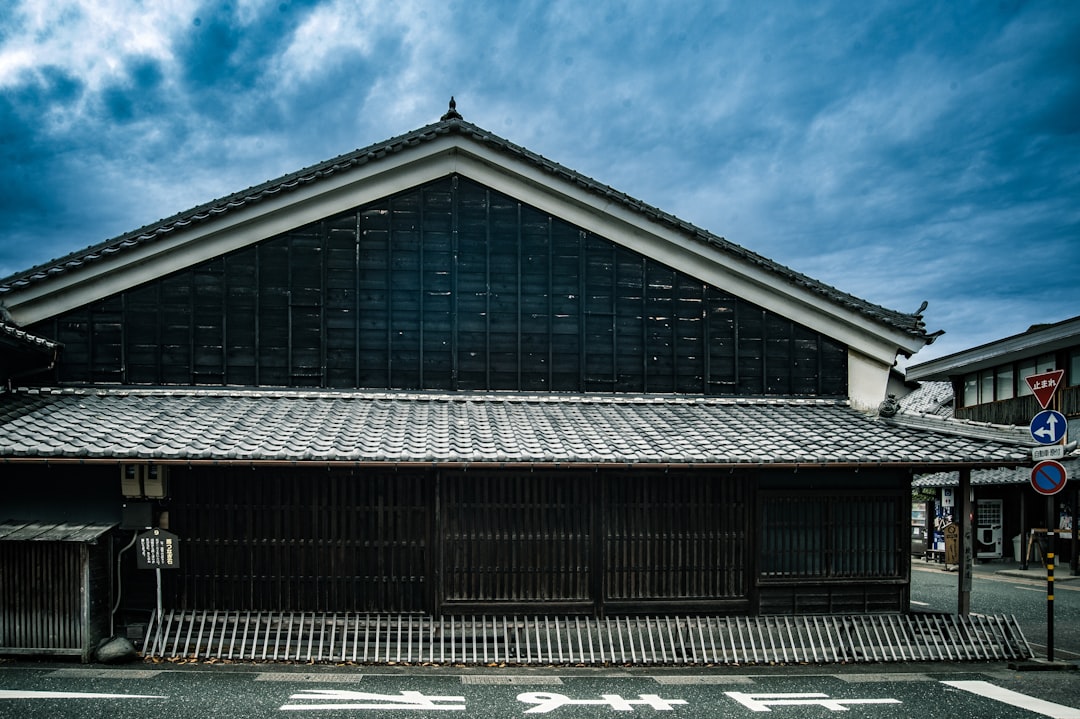
Picture this: you’re sitting in a 300-year-old wooden building, listening to the soft bubbling of fermenting rice, while a master brewer explains the ancient art of sake-making. Then they hand you a cup of liquid poetry that makes you question why you ever thought wine was sophisticated. Welcome to the magical world of sake brewery tours in Japan – where every sip tells a story, and you’ll leave with both a buzz and genuine appreciation for this incredible craft.
I’ll be honest: when I first arrived in Japan, I thought sake was just “rice wine” that came hot in tiny cups at sushi restaurants. Boy, was I wrong. After my first proper brewery tour in Fushimi, Kyoto, I realized I’d been doing sake about as wrong as wearing socks with sandals (which, ironically, is totally acceptable here).
| Quick Facts: Sake Brewery Tours Japan | Details |
|---|---|
| Best Time to Visit | October to March (brewing season) |
| Average Tour Duration | 1-3 hours |
| Cost Range | ¥1,000-¥5,000 ($7-35 USD) |
| Top Regions | Kyoto, Hiroshima, Niigata, Akita |
| English Tours Available | Limited but increasing for 2026 |
| Booking Required | Highly recommended, especially weekends |
Why Sake Brewery Tours Are Japan’s Best-Kept Secret
Let’s get one thing straight: sake brewery tours aren’t just about drinking (though that’s definitely a perk). They’re immersive cultural experiences that connect you to Japan’s agricultural heritage, craftsmanship traditions, and regional identity in ways that most Japan tourism experiences simply can’t match.
During my years exploring Japanese culture, I’ve discovered that sake breweries – or kura as they’re called locally – are living museums. These aren’t sterile factory tours; they’re intimate glimpses into family businesses often passed down through generations. The Gekkeikan brewery in Kyoto, for example, has been perfecting their craft since 1637. That’s older than Harvard University!
What makes these tours special is the storytelling. Master brewers (toji) don’t just show you how rice becomes sake – they share philosophy, seasonal rhythms, and the almost mystical relationship between water quality, rice varieties, and climate. Plus, you’ll taste varieties of sake that never make it to export markets.
Pro Tip: Visit during shinbori season (January-March) when new sake is released. The excitement is palpable, and you’ll taste sake at its absolute freshest – some bottles literally pressed days before your visit.
For organized experiences that include transportation and English guidance, check out specialized sake tours that combine multiple breweries in a single day.

Best Regions for Sake Brewery Tours
Kyoto’s Fushimi District: The Sake Capital
Fushimi is to sake what Napa Valley is to wine – except with 1,000 more years of history and significantly better public transportation. This district houses over 40 breweries, many offering tours that range from casual tastings to intensive masterclasses.
The star attraction is Gekkeikan Okura Sake Museum, perfect for beginners. Their English-friendly tour includes the museum, production facilities, and tasting of three different sake types. But don’t miss smaller operations like Teradaya or Kizakura – they offer more intimate experiences where you might find yourself chatting directly with the brewery owner.
The best part about Fushimi? You can brewery-hop on foot or by bicycle. Just pace yourself – I learned this lesson the hard way after attempting to visit six breweries in one afternoon. Pro tip: that’s physically possible but socially inadvisable.
Hiroshima: Saijo’s Sake Street
Saijo, about 40 minutes from Hiroshima city, packs seven sake breweries into a walkable district known as “Sake Street.” The concentration is ridiculous – you can literally sake-crawl between world-renowned breweries like Kamotsuru (which has served the Imperial family) and Hakubotan.
What sets Saijo apart is their annual Sake Festival in October, where all seven breweries open their doors simultaneously. It’s like Comic-Con for sake enthusiasts, complete with special releases and master brewer meet-and-greets.
Niigata: The Premium Sake Powerhouse
Niigata Prefecture produces more sake than any other region, thanks to perfect rice, pristine mountain water, and winters cold enough to slow fermentation to perfection. Breweries here tend to specialize in clean, crisp styles that pair beautifully with fresh seafood.
Asahi Shuzo (makers of the famous Kubota brand) offers excellent English tours, while smaller operations like Yoshinogawa provide incredibly personal experiences. Fair warning: Niigata sake is dangerously smooth. You’ll think you’re drinking sophisticated water until you try to stand up.
Pro Tip: Book Niigata brewery tours through local tourism offices rather than international platforms. You’ll often get better prices and access to smaller, family-run operations that don’t advertise internationally.

Planning Your Sake Brewery Tour
Timing Your Visit for Maximum Experience
Timing a sake brewery tour requires understanding Japan’s brewing calendar. The traditional brewing season runs from October through March, when cooler temperatures allow for controlled fermentation. This is when you’ll see active production, smell the fermenting mash, and witness the craft in action.
However, don’t completely write off off-season visits. Summer brewery tours focus more on history, techniques, and extensive tastings of aged varieties. Plus, fewer crowds mean more personal attention from guides.
For 2026 planning, consider these optimal windows:
- October-December: Active brewing, comfortable weather, autumn colors
- January-March: Peak production, new sake releases, winter illuminations
- April-May: Spring weather, less crowded, cherry blossoms
- June-September: Lowest prices, indoor activities during hot weather
Transportation and Logistics
Getting to sake breweries varies dramatically by region. Kyoto’s Fushimi district is incredibly accessible – just 10 minutes from Kyoto Station via Keihan train. Hiroshima’s Saijo requires a JR train ride but is still straightforward with a JR Pass.
For remote breweries in places like rural Akita or mountain regions of Niigata, consider organized tours that include transportation. Day trip packages often combine brewery visits with local attractions and meals, maximizing your Japan travel experience.
Important logistics considerations:
- Most breweries require reservations, especially for English tours
- Some tours include substantial food pairings – plan accordingly
- Photography policies vary; always ask before snapping pics
- Many breweries close on Sundays and holidays
Pro Tip: Download Google Translate with camera function. Even at breweries with English tours, sake labels, technical terms, and historical plaques are often Japanese-only. Being able to translate on-the-spot enhances your experience tremendously.
What to Expect During Your Tour
The Brewing Process Explained
Every sake brewery tour follows a similar educational arc, but the depth varies dramatically. Basic tours cover the four main ingredients (rice, water, yeast, and koji mold) and show you the key production areas: rice polishing, steaming, fermentation tanks, and pressing rooms.
More comprehensive tours dive into the fascinating details: how different rice polishing ratios affect flavor profiles, the role of seasonal temperature changes, and why master brewers can determine fermentation progress by sound and smell alone. It’s like watching a master chef work, except the “kitchen” is the size of an airplane hangar.
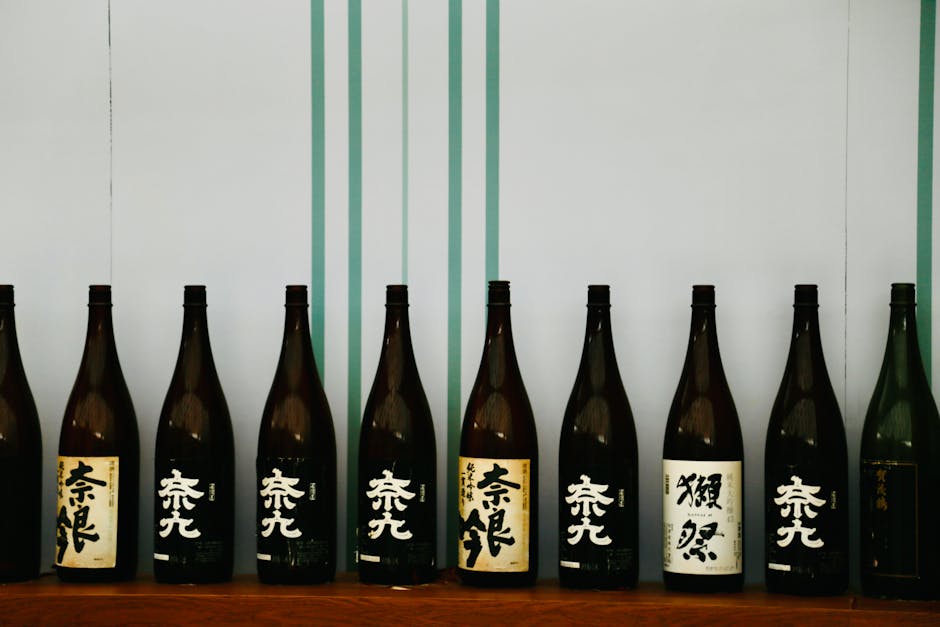
The sensory experience is incredible. You’ll hear the gentle bubbling of active fermentation, smell the sweet-yeasty aroma of koji cultivation, and feel the cool humidity that’s maintained year-round in traditional kura buildings.
Tasting Sessions: From Novice to Connoisseur
Here’s where sake brewery tours become genuinely transformative. Tastings typically progress from lighter, more accessible styles (junmai or honjozo) to complex premium varieties (junmai daiginjo or aged koshu).
Professional tastings teach you to evaluate sake like a sommelier: appearance, aroma, initial taste, mid-palate development, and finish. You’ll learn vocabulary like “clean” versus “rich,” “dry” versus “sweet,” and “light” versus “full-bodied.” By tour’s end, you’ll understand why sake sommeliers exist and why this craft deserves the same respect as fine wine or whiskey.
Don’t worry about looking sophisticated – everyone makes funny faces when tasting unfamiliar flavors. I once watched a sake master demonstrate proper tasting technique and realized I’d been doing it completely wrong for years. The key is curiosity, not expertise.
Pro Tip: Bring a small notebook or use your phone to record tasting notes. Sake names are complex, and after several tastings, they blur together. Having notes helps you remember favorites for purchasing later.

Cultural Insights and Etiquette
Sake brewery tours offer incredible insights into Japanese craftsmanship philosophy, seasonal awareness, and the concept of shokunin – the relentless pursuit of perfection in one’s craft. Master brewers often work with the same techniques their grandfathers used, yet continuously innovate within traditional frameworks.
Proper sake etiquette adds depth to your experience. Learn to hold tasting cups properly (both hands, slight bow when receiving), understand the significance of seasonal sake varieties, and appreciate the ritual aspects of sake service. These small gestures show respect for the craft and often result in more generous tastings or behind-the-scenes access.
One cultural insight that surprised me: many breweries maintain Shinto shrines on their premises, blessing each brewing season and honoring the kami (spirits) believed to influence fermentation. This spiritual dimension adds profound meaning to what might otherwise seem like simple alcohol production.
Before traveling, ensure you have appropriate travel insurance that covers Japan tourism activities, including brewery tours and tasting sessions.
Making the Most of Your Visit
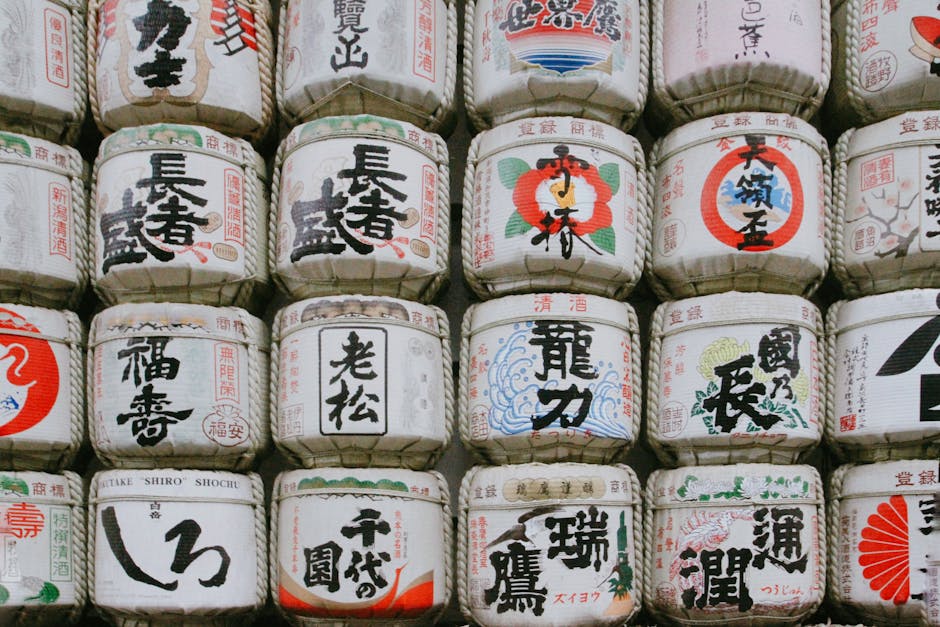
Beyond tasting and learning, sake brewery tours offer unique opportunities for cultural immersion. Many breweries sell exclusive varieties unavailable elsewhere, offer personalized bottle labeling, or provide sake-and-food pairing experiences with local specialties.
Consider extending your brewery visits into multi-day experiences. Kyoto’s Fushimi district pairs perfectly with temple visits and traditional ryokan stays. Hiroshima’s Saijo combines beautifully with Miyajima Island and Peace Memorial Park visits. These combinations create comprehensive Japan travel experiences that satisfy multiple interests.
For photography enthusiasts, sake breweries offer incredible opportunities: traditional wooden architecture, artistic fermentation equipment, and atmospheric lighting in aging cellars. Always ask permission, but most breweries welcome respectful photography that showcases their craftsmanship.
Finally, don’t rush. The best sake brewery experiences happen when you engage deeply rather than trying to hit every possible location. Choose 2-3 breweries per day maximum, allowing time for conversation, reflection, and proper appreciation of each unique experience.
Pro Tip: Many breweries offer shipping services to send purchases internationally. This is especially valuable for rare or limited-edition sake that you can’t find outside Japan. The shipping cost is often worth it for truly special bottles.
What’s the best time of year for sake brewery tours in Japan?
The optimal time is October through March during active brewing season. You’ll witness live production, smell active fermentation, and taste the freshest sake. January-March is particularly special for new sake releases, while October-December offers comfortable weather and beautiful autumn scenery.
Do I need to speak Japanese to enjoy sake brewery tours?
While Japanese language skills are helpful, many major breweries now offer English tours or English-speaking guides, especially in tourist areas like Kyoto’s Fushimi district. Download Google Translate with camera function for labels and signs, and don’t hesitate to use gestures and smiles – brewery staff are generally very welcoming to international visitors.
How much should I budget for sake brewery tours in Japan?
Basic brewery tours typically cost ¥1,000-¥3,000 ($7-21 USD), while premium experiences with extensive tastings and meals can reach ¥5,000-¥10,000 ($35-70 USD). Budget additional money for sake purchases, as most visitors want to buy bottles of their favorites. Transportation costs vary by region but are generally reasonable with a JR Pass.
Can I visit multiple sake breweries in one day?
Yes, but pace yourself carefully. Regions like Kyoto’s Fushimi or Hiroshima’s Saijo are designed for brewery hopping, with multiple locations within walking distance. However, limit yourself to 2-3 comprehensive tours per day to properly appreciate each experience and avoid overconsumption. Many areas offer brewery district passes for convenient multi-location visits.
What should I wear to a sake brewery tour?
Wear comfortable, closed-toe shoes (you’ll be walking on potentially wet floors), and dress in layers as brewery temperatures can vary significantly between rooms. Avoid strong perfumes or scents that might interfere with tasting experiences. Some traditional breweries may provide slippers or require shoe removal in certain areas, so wear easily removable footwear.

🗺️ Area Map
🗺️ Interactive Map
Watch Before You Go
Watch Before You Go: Visiting 9 Sake Breweries in Japan in One Day | Japan Video Travel Guide | Hidden Japan
What Travelers Say
“Japan’s sake brewery tours offer an intimate glimpse into a craft that has been perfected over centuries, with many traditional breweries (kura) opening their doors to visitors for tastings and behind-the-scenes experiences. The historic Fushimi district in Kyoto and Takayama in the Japanese Alps are particularly renowned for their concentration of exceptional breweries and welcoming atmosphere.”
“Our sake brewery tour in Takayama was absolutely fantastic – the master brewer explained the entire process while we sampled different varieties, and you could really taste the difference in quality compared to what we get back home. The highlight was trying the seasonal junmai that’s only available at the brewery itself. Book in advance though, as the English tours fill up quickly!”
コメント