📰 Latest News & Updates
- Why Japanese Remove Shoes Indoors: Cultural Traditions, Etiquette, and Practical Reasons — Whatjapanthinks.com, 2026-03-11
- Etiquette in Japan ‘Meiwaku’: A Complete Guide to Respectful Travel — Whatjapanthinks.com, 2026-03-09
Ryokan Etiquette Guide: Essential Rules for Your Japan Stay
So you’ve booked your first ryokan stay in Japan — congratulations! You’re about to experience one of the most authentic and memorable parts of Japanese culture. But if you’re like I was on my first visit, you’re probably equal parts excited and terrified about committing some horrific cultural faux pas. Will you accidentally offend everyone by wearing shoes indoors? Should you bow to the fish in your kaiseki dinner? (Spoiler alert: no, but the thought crossed my mind.)
Don’t worry — I’ve got your back. After numerous stays across Japan and a few cringe-worthy mistakes of my own, I’ve compiled this comprehensive ryokan etiquette guide to help you navigate your traditional Japanese inn experience like a respectful pro. Trust me, once you know the basics, you’ll be able to relax and truly enjoy this incredible cultural experience.
| Aspect | Key Points |
|---|---|
| Check-in Time | Usually 3-4 PM (never arrive early) |
| Shoes | Remove at entrance, wear provided slippers |
| Yukata | Provided cotton robe, left side over right |
| Onsen | Wash thoroughly before entering hot spring |
| Dinner | Multi-course kaiseki, often in your room |
| Futon | Staff will set up traditional floor bedding |
- Understanding Ryokan Culture: More Than Just a Hotel
- Arrival and Check-In Etiquette
- Mastering the Art of Yukata Wearing
- Onsen Etiquette: The Ultimate Test
- Dining Etiquette and Kaiseki Customs
- Sleeping Arrangements and Room Etiquette
- Common Ryokan Mistakes to Avoid
- Making the Most of Your Ryokan Experience
- 🗺️ Area Map
- Watch Before You Go
- What Travelers Say
Understanding Ryokan Culture: More Than Just a Hotel
A ryokan isn’t simply accommodation — it’s a cultural immersion that dates back centuries. These traditional Japanese inns originally served travelers along ancient highways, and today they offer visitors a chance to experience authentic Japanese hospitality, known as omotenashi.
When I first arrived at a ryokan in Hakone, I made the rookie mistake of treating it like a Western hotel. I waltzed in with my shoes on, tried to tip the staff (major no-no), and completely butchered putting on my yukata. The staff was incredibly gracious about my cultural fumbles, but I learned quickly that ryokans operate on entirely different principles than hotels back home.
The experience typically includes traditional tatami mat rooms, communal or private onsen (hot springs), elaborate kaiseki dinners, and service that’s so attentive it’ll make you question every hotel stay you’ve ever had. But with this elevated experience comes the responsibility to understand and respect Japanese customs.
Pro Tip: Many ryokans offer cultural experience packages that include tea ceremony or traditional crafts — book these in advance as they fill up quickly, especially during 2026’s projected tourism surge.

Arrival and Check-In Etiquette
Your ryokan experience begins the moment you approach the entrance, and there are several important customs to observe right from the start.
Timing Your Arrival
Unlike Western hotels where you might arrive whenever convenient, ryokans operate on stricter schedules. Check-in typically begins between 3-4 PM, and arriving significantly early can disrupt the staff’s preparation routine. I learned this the hard way when I showed up at 1 PM in Kyoto, luggage in tow, only to discover my room wasn’t ready and I’d inadvertently created a minor logistical crisis.
The Shoe Situation
Here’s where your ryokan etiquette education truly begins: shoes come off at the entrance, period. You’ll typically find a designated area with shoe lockers or cubbies. The staff will provide you with slippers for walking around the ryokan, but remember — these indoor slippers never, ever go outside, and they definitely don’t go into tatami mat rooms.
Meeting Your Host
The level of service at a quality ryokan will blow your mind. Your host (often called nakai-san) will likely greet you personally, show you to your room, explain the facilities, and help you with your yukata. A respectful bow and arigatou gozaimasu (thank you very much) goes a long way. No tipping is expected — in fact, it can be considered offensive.
Pro Tip: Learn a few basic Japanese phrases before your visit. Even simple greetings show respect and are always appreciated by ryokan staff.

Mastering the Art of Yukata Wearing
Ah, the yukata — that beautiful cotton robe that makes everyone look elegant and serene in photos, but somehow made me look like I was wearing a backwards bathrobe during my first attempt. Don’t worry, there’s actually a simple technique to getting this right.
The Golden Rule: Left Over Right
This is crucial: always wrap the left side of the yukata over the right side. Right over left is reserved for deceased individuals at funerals, so getting this backwards is more than just a fashion faux pas — it’s culturally insensitive. I nearly gave my poor nakai-san a heart attack when I emerged from my room with my yukata wrapped the wrong way.
Proper Yukata Styling
- Put your arms through the sleeves like a regular robe
- Hold both sides of the front panels
- Wrap the right side around your body first
- Then wrap the left side over the right, covering it completely
- Tie the inner cord around your waist
- Adjust the length so the hem hits around your ankles
- Wrap the obi (wide belt) around your waist and tie it in back
Most ryokans will include instructions or offer to help you put it on correctly. Don’t be shy about asking — they’d much rather help than have you wander around looking like you’ve lost a wrestling match with traditional clothing.
Pro Tip: Practice putting on your yukata a few times during your stay. You’ll need to change back into it after onsen visits, and fumbling with the ties gets old quickly.

Onsen Etiquette: The Ultimate Test
If ryokan etiquette has a final boss level, it’s the onsen. These communal hot spring baths are incredible for relaxation, but they come with the strictest rules of your entire stay. Don’t let this intimidate you — once you understand the process, it becomes second nature.
Pre-Bath Preparation
Before you even think about entering that blissfully hot water, you must wash thoroughly at one of the sitting stations around the bath area. I mean thoroughly — hair, body, everything. You’ll find stools, hand showers, soap, shampoo, and conditioner. Sit on the stool (never stand while washing) and scrub like your cultural reputation depends on it, because it kind of does.
Onsen Do’s and Don’ts
DO:
- Wash completely before entering the bath
- Enter the water slowly and quietly
- Keep conversation to a minimum and speak softly
- Tie up long hair
- Rinse off again after your soak
DON’T:
- Bring your phone or camera (seriously, don’t even think about it)
- Wear any clothing or swimwear
- Put your towel in the water
- Swim or splash around
- Stare at other bathers
The Modesty Towel
You’ll receive a small towel that serves as your modesty shield while walking around the onsen area. Use it to cover yourself while moving between washing stations and the bath, but keep it out of the actual hot spring water. Most people fold it and place it on their head while soaking — it looks silly, but everyone does it.
Pro-Tip: If you’re nervous about your first onsen experience, consider booking a ryokan with private family baths (kazoku-buro) where you can practice the etiquette without an audience.

Dining Etiquette and Kaiseki Customs
Ryokan dining is an art form that deserves your full attention and respect. The kaiseki meal you’ll receive isn’t just dinner — it’s a carefully orchestrated culinary performance that reflects the season, local ingredients, and centuries of tradition.
Understanding Kaiseki Service
Your multi-course dinner will likely be served in your room or a private dining area, often by your personal nakai-san. Courses arrive in a specific order, each beautifully presented and designed to complement the others. The pacing might feel slow compared to Western dining, but that’s intentional — this is meant to be a meditative, leisurely experience.
Chopstick Etiquette
If you’re not confident with chopsticks, practice before your trip. Struggling through an elaborate kaiseki dinner while juggling unfamiliar utensils can be stressful. Key rules: never stick chopsticks upright in rice (this resembles incense at funerals), don’t pass food directly from your chopsticks to someone else’s, and don’t point with them.
Sake Service
If sake is included with your meal, remember never to pour your own. Pour for others at your table, and they’ll pour for yours. Hold the cup with both hands when someone is pouring for you. If you don’t drink alcohol, simply mention it when the server arrives — they’ll provide alternatives without any fuss.
Pro Tip: Don’t worry about finishing everything on your plate. Kaiseki portions are designed to be satisfying collectively, and it’s perfectly acceptable to leave some food, especially if you have dietary restrictions.

Sleeping Arrangements and Room Etiquette
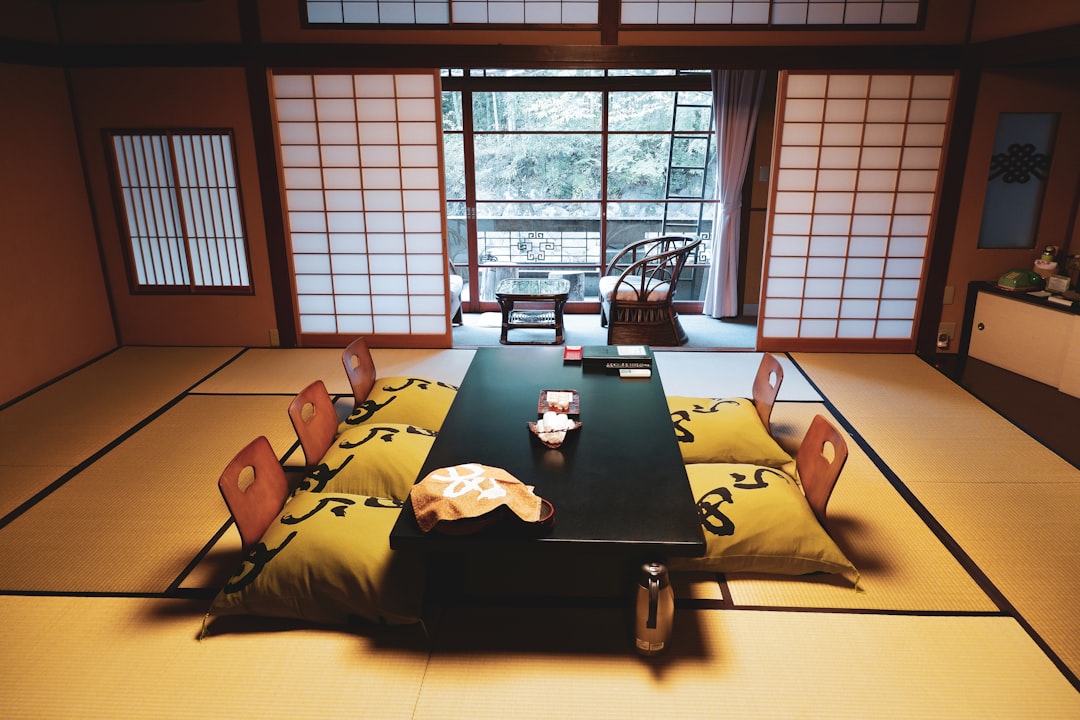
Your ryokan room will likely look quite different from hotel accommodations you’re used to. The tatami mat floors, low tables, and futon bedding create a minimalist, peaceful environment that’s perfect for disconnecting from the outside world.
Tatami Mat Care
Those beautiful woven mats aren’t just decorative — they’re functional flooring that requires respect. Never wear slippers on tatami mats; you should be barefoot or in socks only. The mats can be damaged by shoes or outdoor slippers, and this rule is non-negotiable.
Futon Setup
Don’t expect a Western-style bed. Instead, staff will set up your futon (traditional Japanese bedding) directly on the tatami mats, usually while you’re at dinner. The setup includes a thin mattress, sheets, and surprisingly cozy bedding. If you’ve never slept on a futon before, you might find it firmer than expected, but most people adapt quickly.
Room Maintenance
Your room will be impeccably clean when you arrive, and there’s an expectation that you’ll maintain reasonable tidiness during your stay. This doesn’t mean hotel-level housekeeping, but basic respect for the space goes a long way. Keep personal items organized and avoid eating messy foods in the room.
Pro Tip: If you have back problems or mobility issues, mention this when booking. Many ryokans can provide Western-style beds or additional support for futon sleeping.

Common Ryokan Mistakes to Avoid
Learning from others’ mistakes is much less embarrassing than making your own, so here are the most common ryokan etiquette errors I’ve witnessed (and occasionally committed myself):
The Footwear Fumbles
The shoe situation trips up almost everyone initially. Remember: outdoor shoes stay at the entrance, indoor slippers don’t go on tatami mats or in toilet areas (yes, there are special toilet slippers), and you’ll do a lot of footwear changing. Think of it as a mindfulness exercise.
Onsen Oops Moments
The biggest onsen mistakes involve skipping the pre-wash (unforgivable) or bringing phones into the bathing area (also unforgivable). I once saw someone try to take a selfie in an onsen — the collective gasp from other bathers could have powered a small village.
Yukata Wardrobe Malfunctions
Beyond the left-over-right rule, common yukata mistakes include wearing underwear that’s visible, tying the obi too loosely (leading to unfortunate untying incidents), or wearing it outside inappropriately. Your yukata is generally for within the ryokan grounds only.
Cultural Misunderstandings
Attempting to tip staff remains the most persistent mistake Western visitors make. Japanese hospitality culture doesn’t include tipping, and insisting can actually offend your hosts. The service is exceptional because it’s part of their professional pride, not because they’re expecting extra compensation.
Pro Tip: When in doubt about any aspect of ryokan etiquette, simply ask your nakai-san. They’re incredibly helpful and would much rather guide you than watch you struggle with uncertainty.

Making the Most of Your Ryokan Experience
Understanding etiquette is just the foundation for enjoying your ryokan stay. These traditional inns offer experiences you literally cannot find anywhere else in the world, and with proper preparation, you’ll create memories that last a lifetime.
The beauty of ryokan culture lies in its attention to detail and seasonal awareness. Your kaiseki dinner will feature ingredients at their peak, your room’s decorations might include flowers specific to the current season, and even your yukata pattern could reflect the time of year. This level of thoughtfulness creates an immersive experience that goes far beyond simple accommodation.
Many travelers find their ryokan stay becomes the highlight of their entire Japan trip. There’s something profoundly relaxing about disconnecting from modern distractions and embracing a slower pace of life, even if just for one night. The combination of hot spring soaks, incredible food, and genuine hospitality creates a restorative experience that’s increasingly rare in our fast-paced world.
As Japan prepares for increased tourism in 2026, ryokans are adapting to welcome more international guests while maintaining their traditional character. Many now offer English-speaking staff, cultural orientation sessions, and even guided experiences to help visitors understand the customs and history behind their stay.
Pro Tip: Consider purchasing travel insurance that covers cultural learning experiences — some policies now include coverage for traditional accommodation and cultural activities as Japan tourism evolves.
Remember, ryokan staff understand that international visitors are learning these customs, and they’re incredibly patient with genuine attempts to follow proper etiquette. Your effort to understand and respect their traditions will be appreciated far more than perfect execution. The goal isn’t to become a cultural expert overnight — it’s to show respect, remain open to new experiences, and enjoy this unique window into Japanese culture.
Your ryokan stay represents more than just a night’s accommodation; it’s your invitation to experience Japan as it has welcomed travelers for centuries. With proper etiquette knowledge and an open mind, you’re ready to make the most of this incredible cultural experience. Sweet dreams on your tatami mats!
Do I need to speak Japanese to stay at a ryokan?
While knowing some basic Japanese phrases is helpful and appreciated, it’s not required. Many ryokans catering to international guests have English-speaking staff, and others use translation apps or picture guides. Learning simple words like “arigatou gozaimasu” (thank you) and “sumimasen” (excuse me) will enhance your experience significantly.
What should I do if I accidentally break a ryokan etiquette rule?
Don’t panic! Apologize sincerely with “sumimasen” and ask for guidance. Ryokan staff understand that international visitors are learning their customs. A genuine apology and willingness to learn will be much more appreciated than pretending nothing happened. Most etiquette mistakes are easily correctable.
Can I wear the yukata outside the ryokan grounds?
This depends on the specific ryokan and location. Some allow guests to wear yukata in nearby areas or to local attractions, while others prefer you change into regular clothes before leaving the property. Always ask your host about their policy. In hot spring towns, it’s often perfectly acceptable to wear yukata while strolling the local streets.
What if I have dietary restrictions or food allergies?
Inform the ryokan about dietary restrictions when booking, not upon arrival. Most can accommodate vegetarian, pescatarian, or specific allergies with advance notice, though vegan options might be limited. Japanese cuisine uses fish-based dashi in many dishes, so be specific about your restrictions. The more notice you provide, the better they can customize your kaiseki experience.
Is it appropriate to take photos inside the ryokan?
Photography policies vary by ryokan. Generally, photos of your room, food, and common areas are acceptable, but always ask permission before photographing staff or other guests. Onsen areas are strictly no-photo zones — never bring cameras or phones into bathing areas. Some ryokans have designated photo spots or will even offer to take pictures of you in your yukata.

🗺️ Area Map
🗺️ Interactive Map
Watch Before You Go
Watch Before You Go: Staying at a Traditional Japanese Inn | Ryokan & Onsen Etiquette
What Travelers Say
“Remember to remove your shoes before entering your ryokan room and always place them neatly facing outward for easy departure. Most importantly, never wear the toilet slippers anywhere except in the bathroom – this is considered one of the most serious breaches of ryokan etiquette.”
“I was nervous about staying at a traditional ryokan, but the staff were incredibly patient with my cultural fumbles. The key thing I learned is to observe other guests and ask questions when unsure – everyone appreciates the effort to respect their traditions. Just don’t do what I did and wear the bathroom slippers to dinner!”


コメント