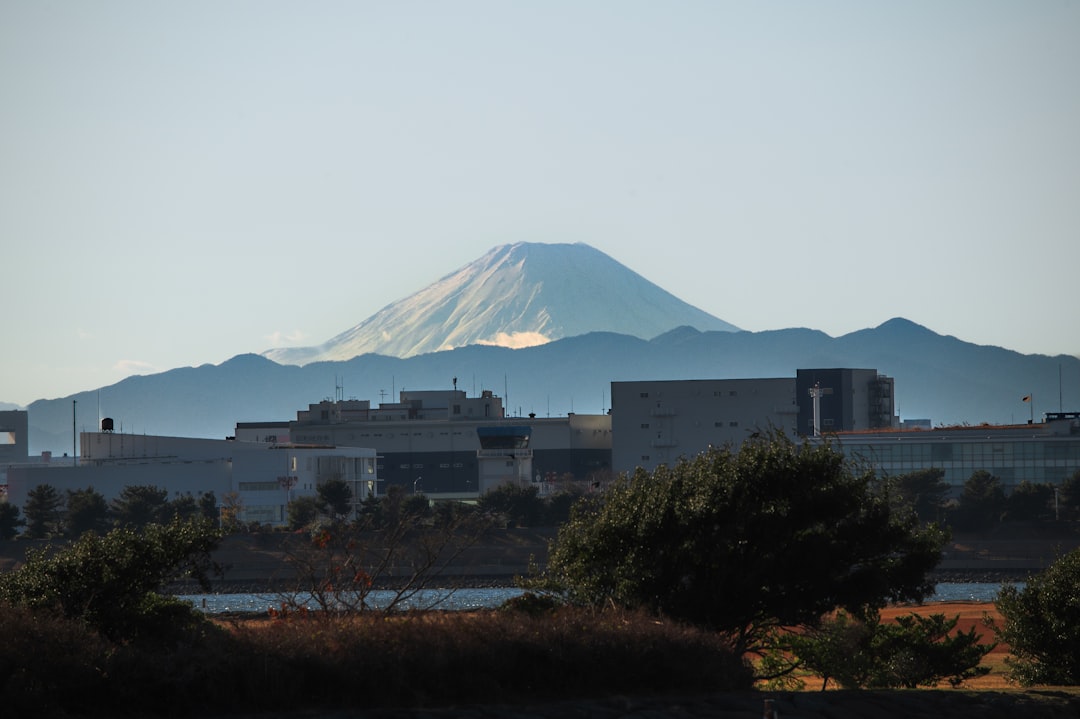
So you’ve got two weeks to explore Japan and you’re wondering how to make the most of it? Lucky you! Two weeks is the sweet spot for a first-time visit – enough time to experience both the neon-soaked chaos of modern cities and the serene beauty of ancient temples without feeling like you’re speed-dating with an entire country.
After living in Japan for several years and helping countless friends plan their trips, I’ve learned that the key to a great Japan 2 weeks itinerary isn’t cramming in every single sight, but finding the perfect balance between must-sees and those magical unexpected moments. Trust me, your most memorable experience might just be getting hopelessly lost in a Tokyo neighborhood and stumbling upon the world’s best ramen shop.
| Quick Facts: Japan 2 Weeks Itinerary | |
|---|---|
| Best Time to Visit | March-May (cherry blossom) or September-November |
| Recommended Cities | Tokyo (5 days), Kyoto (4 days), Osaka (2 days), Hiroshima (2 days), Hakone (1 day) |
| Transportation | 14-day JR Pass (¥45,100 / ~$340) |
| Average Daily Budget | $100-150 per person (mid-range) |
| Essential Apps | Google Translate, Hyperdia, IC Card app |
Days 1-5: Tokyo – Where Ancient Meets Anime
Tokyo is like that friend who seems overwhelming at first but becomes absolutely addictive once you figure them out. Give yourself a full five days here – you’ll need every minute to scratch the surface of this incredible city.
Day 1: Ease Into the Madness
Start with the iconic trio: Senso-ji Temple in Asakusa (your dose of traditional Japan), followed by the organized chaos of Shibuya Crossing. When I first crossed that intersection, I felt like I was in a real-life video game – except everyone else knew the rules and I was just trying not to get game over.
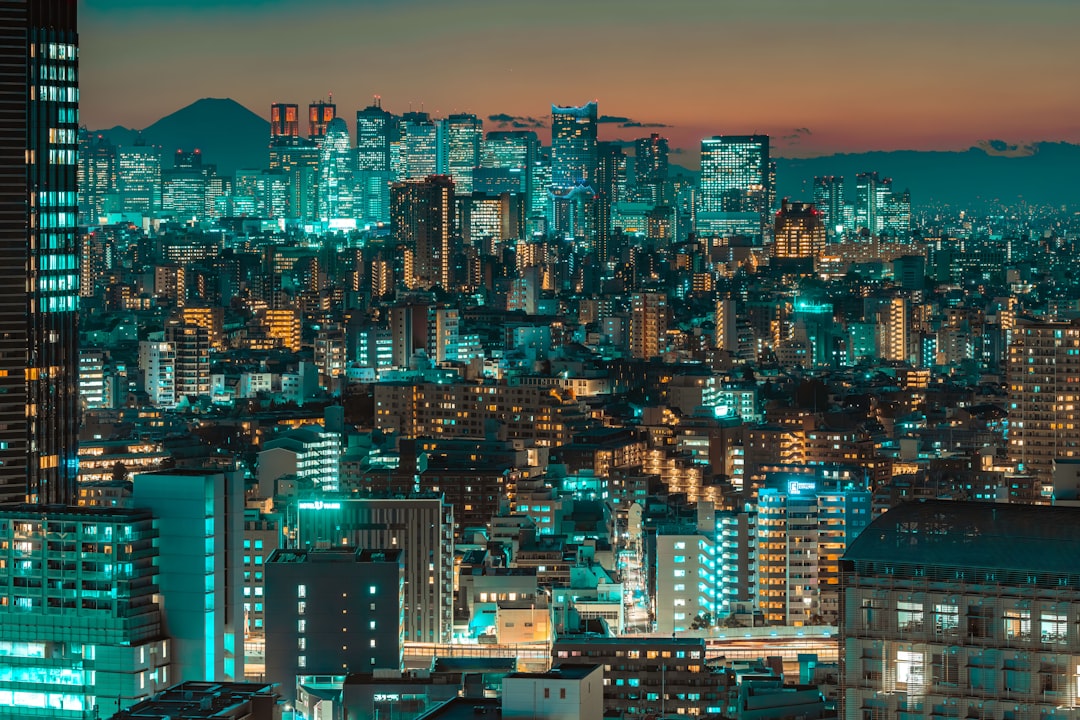
End your first day in Shinjuku, where the neon lights will make you question whether you’ve accidentally walked into Blade Runner. The train stations here have more exits than a conspiracy theory, so download Google Maps and pray to the Wi-Fi gods.
Days 2-3: Neighborhood Hopping
Dedicate one day to Harajuku and Omotesando (fashion and people-watching paradise), then Ginza for upscale shopping and the famous Tsukiji Outer Market. Day three should be your otaku pilgrimage to Akihabara and a peaceful stroll through the Imperial East Gardens.
Pro Tip: Book a Tokyo food tour for day 2 or 3. You’ll discover hidden gems and learn the etiquette of not slurping your ramen too loudly (spoiler: you will fail at this).
Days 4-5: Day Trip and Deep Dive
Take a day trip to Nikko for stunning temples and natural beauty, then spend your final Tokyo day exploring neighborhoods like Ueno (museums and parks) or trendy Shimokitazawa. This is also prime time for any shopping you’ve been putting off – because let’s be honest, your suitcase is about to exceed weight limits.

Days 6-9: Kyoto – Temple Hopping Like a Pro
The shinkansen (bullet train) from Tokyo to Kyoto is an experience in itself. The train is so punctual that I started questioning my entire relationship with time and efficiency. Plus, if you’re lucky enough to spot Mount Fuji on a clear day, prepare for some serious window-pressing action.
Day 6: Golden Pavilion and Bamboo Dreams
Start early at Kinkaku-ji (Golden Pavilion) – and I mean early, like 8 AM early. The crowds multiply faster than rabbits after 10 AM. Spend your afternoon wandering through the otherworldly Arashiyama Bamboo Grove, where the light filtering through creates Instagram magic.
Day 7: Fushimi and Sake
The Fushimi Inari Shrine with its thousands of red torii gates is a must-do, but here’s the thing: you don’t need to hike all 10,000 gates. Find your sweet spot, take your photos, and save energy for sake tasting in the historic Fushimi district.
Pro Tip: Join a traditional tea ceremony experience in Gion district. It’s touristy, yes, but also genuinely beautiful and a great way to slow down from the sightseeing pace.
Days 8-9: Eastern Temples and Geisha Spotting
Explore the Higashiyama district, including Kiyomizu-dera Temple and the preserved streets of Sannenzaka and Ninenzaka. If you’re lucky, you might spot a geisha or maiko in Gion – but please, resist the urge to chase them down for photos. They’re working professionals, not tourist attractions with legs.

Days 10-11: Osaka – Street Food Paradise
Osaka is Japan’s kitchen, and your stomach will thank you for this stop. Two days here is perfect for eating your way through the city and experiencing its more laid-back, merchant-city vibe.
Day 10: Dotonbori and Castle
Start with Osaka Castle in the morning, then head to the neon wonderland of Dotonbori. This is where you’ll encounter takoyaki (octopus balls), okonomiyaki (savory pancakes), and crowds that somehow make Tokyo look peaceful. The giant mechanical crab sign is basically a rite of passage for Japan visitors.
Day 11: Neighborhoods and Nara Day Trip
Take a day trip to nearby Nara to meet the famous bowing deer in Nara Park and visit Todai-ji Temple. These deer are cute but persistent – they will mug you for deer crackers with the efficiency of tiny, antlered pickpockets.
Pro Tip: Book a Osaka street food tour for your first evening. Local guides know the best stalls and can help navigate ordering in places where English menus are as rare as quiet Tokyo train stations.

Days 12-13: Hiroshima and Miyajima – History and Beauty
Hiroshima deserves more than just a quick day trip. The city offers profound historical insights and serves as a gateway to the stunning Miyajima Island.
Day 12: Peace Memorial and Modern Hiroshima
Spend your morning at the Peace Memorial Park and Museum – it’s heavy but important. The afternoon can be lighter with modern Hiroshima exploration and trying the local specialty: Hiroshima-style okonomiyaki (which Osaka residents will insist is inferior, but don’t tell them I said it’s actually pretty great).
Day 13: Miyajima Island Magic
The floating torii gate of Itsukushima Shrine is one of Japan’s three most scenic views, and trust me, it lives up to the hype. Time your visit for both high and low tide if possible – the view transforms completely. Plus, the island has friendly deer that are slightly less aggressive than their Nara cousins.
Pro Tip: Stay for sunset at Miyajima if you can. The gate illuminated against the evening sky is pure magic, and you’ll understand why people have been writing poetry about this view for centuries.

Day 14: Hakone or Back to Tokyo
For your final day, you have two options: a relaxing hot spring experience in Hakone or returning to Tokyo for last-minute shopping and goodbyes.
If you choose Hakone, you’ll get potential Mount Fuji views (weather permitting – Fuji-san is notoriously shy), relaxing onsen baths, and a perfect way to decompress before your flight. If you head back to Tokyo, hit up any neighborhoods you missed and stock up on Kit-Kat flavors that don’t exist in your home country.

Essential Japan Travel Tips for 2026
Before you embark on your Japanese adventure, here are some crucial tips I wish someone had told me before my first trip:
Transportation and Logistics
Get a 14-day JR Pass before you arrive – it’ll save you money and headaches. Download Hyperdia for train schedules and Google Translate with camera function for menus. Most importantly, always carry cash. Japan is still surprisingly cash-based, and your shiny credit card might get lonely.
Cultural Etiquette
Don’t eat while walking, take your shoes off when entering homes (and many restaurants), and resist the urge to blow your nose in public. Yes, that last one is weird for us Westerners, but trust me on this.
Pro Tip: Get travel insurance that covers Japan. While it’s incredibly safe, medical costs can be high, and you want to focus on enjoying your trip, not worrying about what-ifs.
Your Japan 2 weeks itinerary should be a mix of planning and spontaneity. Yes, book your accommodations and major experiences in advance, but leave room for those magical moments that happen when you least expect them. Whether it’s stumbling upon a local festival, finding an incredible hole-in-the-wall restaurant, or simply watching the world go by from a park bench, these unplanned moments often become the stories you’ll tell for years.
Japan has a way of exceeding expectations while simultaneously humbling you with its depth and complexity. Two weeks will give you a taste, but I guarantee you’ll be planning your return trip before your plane even leaves Japanese airspace. Welcome to the Japan addiction – population: everyone who’s ever visited.
How much should I budget for a 2-week Japan trip?
For a mid-range trip, budget $150-200 per day including accommodation, food, transportation, and activities. This comes to roughly $2,100-2,800 total, not including flights. Budget travelers can manage on $100-120 per day, while luxury travelers should expect $300+ per day.
Is 2 weeks enough time to see Japan properly?
Two weeks is perfect for first-time visitors to get a solid introduction to Japan’s highlights. You’ll see major cities and cultural sites without feeling rushed. However, Japan is incredibly diverse, so consider this your “greatest hits” tour rather than a comprehensive exploration.
What’s the best time of year for a Japan 2-week itinerary?
Spring (March-May) for cherry blossoms and autumn (September-November) for fall colors are most popular. Summer is hot and humid but has festivals, while winter offers snow activities and fewer crowds. Each season has unique charms, so choose based on your preferences and tolerance for weather extremes.
Do I need to speak Japanese to travel in Japan?
Not at all! English signage is common in major cities and tourist areas. Download Google Translate with camera function for menus and signs. Many Japanese people know some English, and the country is very foreigner-friendly. Politeness and patience go much further than perfect pronunciation.
Should I book accommodations in advance for my Japan itinerary?
Definitely yes, especially if traveling during cherry blossom season, autumn, or major holidays like Golden Week. Popular areas like Tokyo and Kyoto fill up quickly. Book at least 2-3 months in advance for the best selection and prices, particularly for ryokans and unique accommodations.

🗺️ Area Map
🗺️ Interactive Map
Watch Before You Go
Watch Before You Go: The Ultimate Japan Travel Itinerary 🇯🇵 (2 week Japan travel guide)
What Travelers Say
“Two weeks in Japan provides the perfect balance between must-see destinations and cultural immersion. Focus on the Golden Route connecting Tokyo, Kyoto, and Osaka for first-time visitors, allowing 4-5 days in each major city with day trips to nearby attractions like Mount Fuji and Nara.”
“Just finished an incredible 14-day Japan trip and wish I had planned better! Spent too much time in Tokyo initially – would recommend 4 days max there, then head to Kyoto for temples and traditional culture. The JR Pass paid for itself after just a few shinkansen rides between cities.”
コメント